São Paulo Layover: Congonhas Airport (CGH)
Part of the full São Paulo Layover: Old Centre to Paulista, GRU
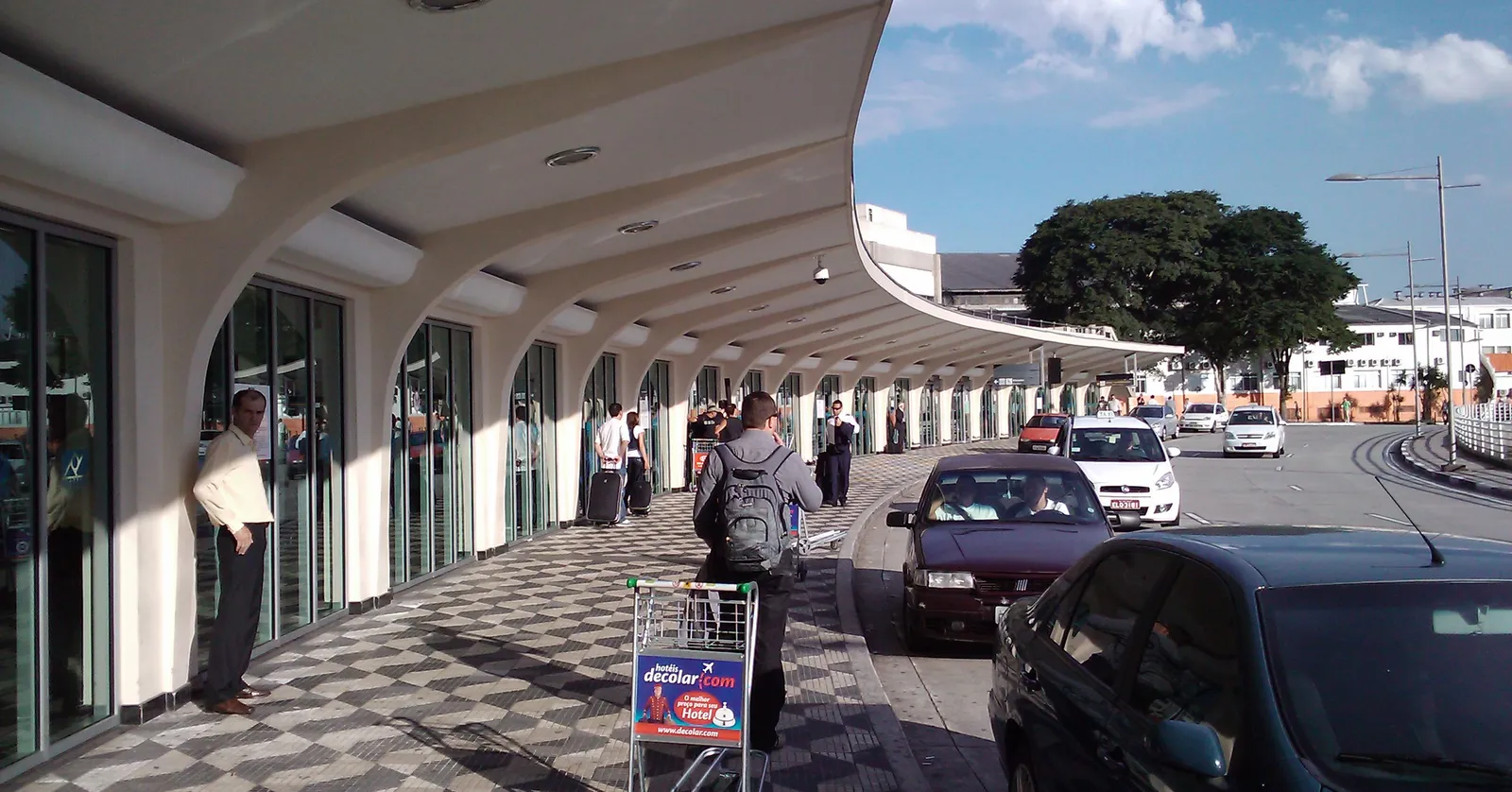
Congonhas is São Paulo’s in-city airport, eight kilometres from the centre on Avenida Washington Luís, and its 1936 terminal is a heritage-listed art deco building you are already inside; the nearest thing worth leaving for is Parque Ibirapuera, four kilometres north.
The 1936 terminal is heritage-listed down to its doors
The airport opened on 12 April 1936, which made it 90 years old in April 2026, and the building has never been treated as a shed to be replaced. Ernani do Val Penteado and Raymond A. Jehlen drew it in an art deco idiom carried through into the modern-architecture vocabulary the city was about to adopt wholesale, and the city’s heritage council has the terminal listed along with dozens of things inside it: the cladding, the doors, the ceilings, the furniture, the mosaic panels beside the staircase and in the central hall, and one of the hangars.
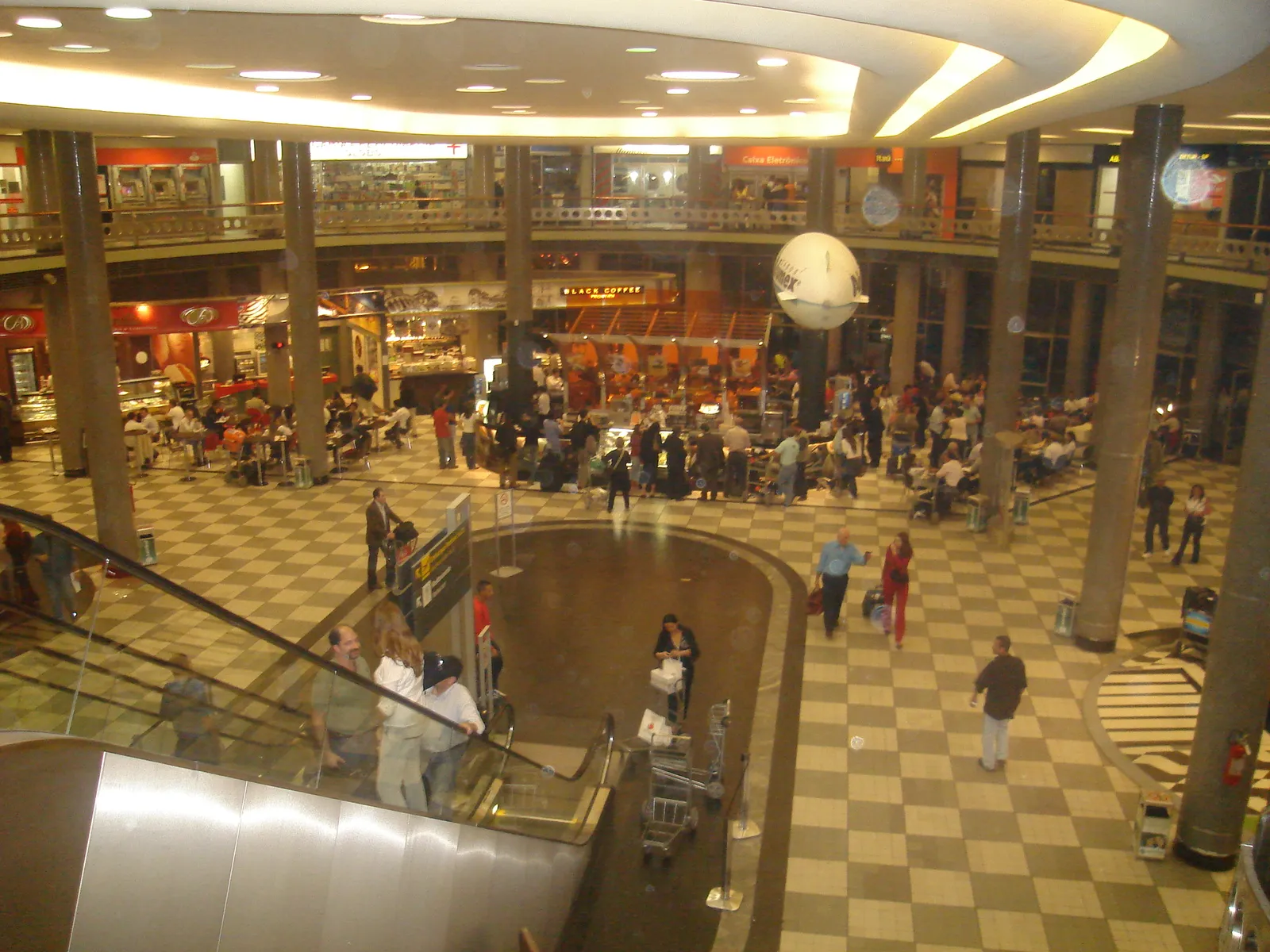
The central hall is the piece to look at, a wide chequer-floored room under a mezzanine gallery that runs right round it. Until the 1990s, families came out here on Sundays specifically to stand on the upper level and watch aircraft, and the hall was as much a weekend outing as an airport concourse. That habit has gone, but the room it happened in is unchanged, and the gallery is still the best place in the building to spend twenty minutes.
A monorail reaches the airport, weekdays only for now
Line 17-Gold opened on 31 March 2026 after years of delay, with a station beside the terminal and connections to Campo Belo on the lilac metro line and Morumbi on the emerald commuter line. What it does not yet do is run a full timetable: through 2026 it has operated in a transitional phase, weekdays only including public holidays, roughly from late morning until mid-afternoon, with long gaps between trains and nothing at all at weekends. Full hours were expected in the second half of the year.
Plan around that rather than assuming it. Outside those hours the practical options are a bus or taxi to Campo Belo station a short way north, or a taxi straight to wherever you are going, which on a clear road is fifteen to twenty minutes into the southern districts and considerably longer when Avenida Washington Luís backs up.
Parque Ibirapuera’s lake paths and free pavilions
Ibirapuera is 158 hectares of park with three connected lakes, opened in August 1954 for São Paulo’s 400th anniversary and free to walk into every day since, from 5am to midnight. Four kilometres separate its southern gates from the runway, which is about fifteen minutes by taxi outside the peaks and the reason this is the only substantial outdoor thing worth attempting on a gap between flights here.
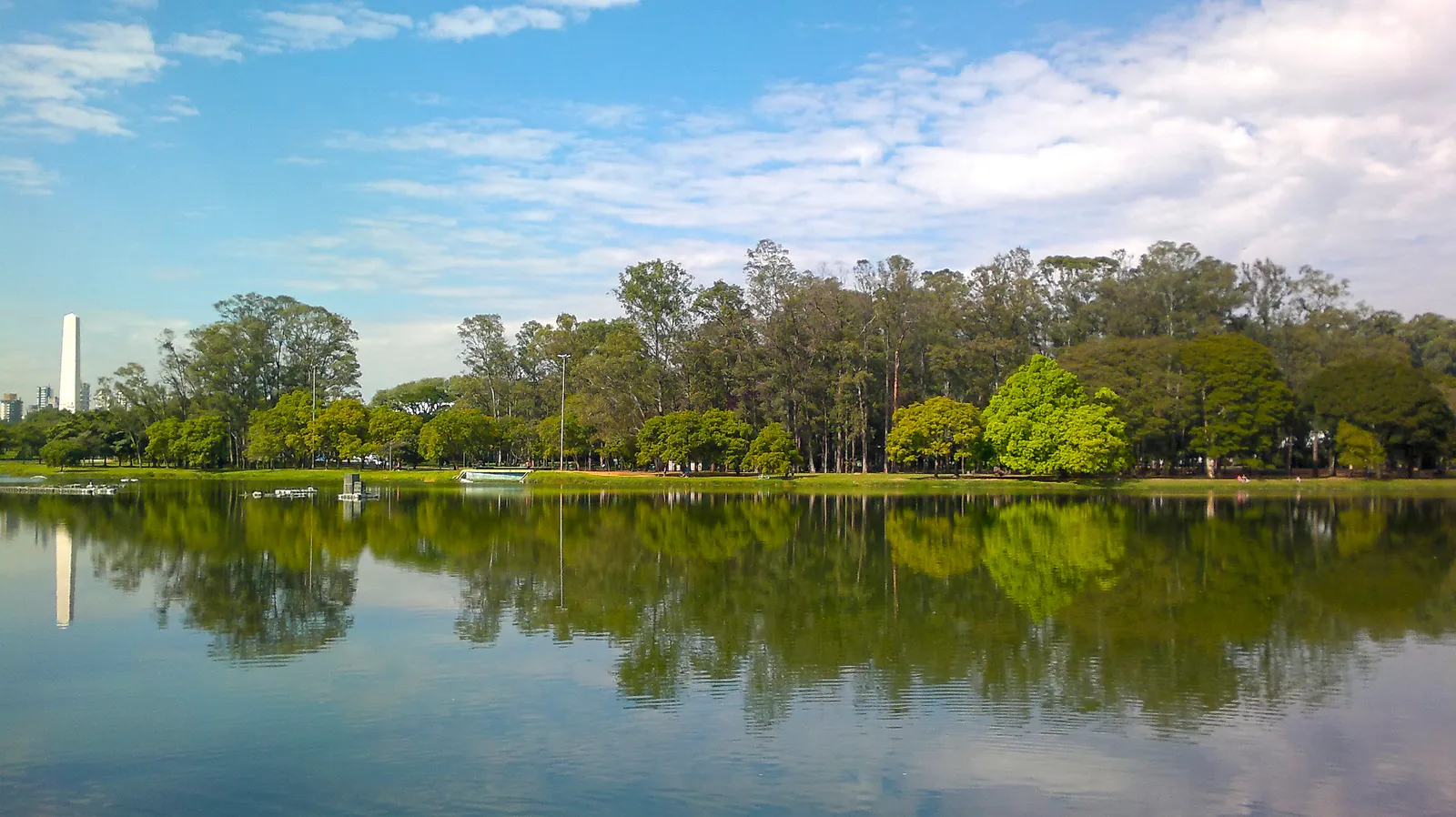
The lake circuit is flat, shaded for most of its length and takes under an hour at a walk, and the pavilions Oscar Niemeyer laid out along the concrete canopy hold the modern art and Afro Brasil museums if the weather turns. If you would rather spend the time in the old centre than in a park, a guided walk through the main sights is bookable through a tours and activities platform, and the full São Paulo guide covers what is there in more detail.
The lockers here are downstairs and open around the clock
Congonhas keeps its left luggage on the lower floor, on the south side near the car rental desks and the exit for the buses, in automated lockers run by Malex and available 24 hours. That placement is worth knowing because the ride into town from here is short: at fifteen or twenty minutes each way, wheeling a bag to a taxi rank and back becomes a real fraction of the trip rather than a rounding error.
Whatever you do with the gap, work backwards from the check-in desk rather than forwards from the gate you landed at. Congonhas is a domestic airport with short check-in cut-offs, and the avenue it sits on carries most of the southern half of the city past its front door. Getting the bag out of a locker on the way back in costs a minute; getting stuck on Washington Luís costs considerably more.
Frequently asked questions
What should I do during a layover near Congonhas Airport in São Paulo?
Start with the terminal you are already standing in. The central hall dates from 1936 and is heritage-listed down to its doors, ceilings and mosaic panels, which is not something you can say of many working airports. Beyond it, Parque Ibirapuera is the one substantial thing within a short ride, four kilometres north, free and open from 5am to midnight. With three hours or less between flights, the hall and a meal in the terminal is the honest answer; with four or more, the park is reachable.
Does the monorail actually run to Congonhas Airport?
Yes, since 31 March 2026, but not all day and not every day. Line 17-Gold opened in a transitional phase running Monday to Friday only, roughly late morning to mid-afternoon, with wide gaps between trains and no weekend service; full operating hours were expected during the second half of 2026. It links the airport to Campo Belo on Line 5-Lilac and to Morumbi on Line 9-Emerald. If it is shut when you need it, Campo Belo station is the fallback, reached by bus or taxi from the terminal.
Where can I leave a bag at Congonhas?
In the automated lockers on the lower floor, over on the south side near the car rental desks and the exit for the buses. They are run by Malex and available 24 hours, which makes Congonhas easier on this front than a kerbside desk with fixed hours would be. The same lower floor is where the bus exit is, so collecting a bag on the way back in does not mean crossing the whole building.
Is Congonhas a better airport to leave than Guarulhos?
For a short gap, yes, purely on distance: Congonhas sits eight kilometres from central São Paulo against about 25 for São Paulo/Guarulhos International Airport (GRU), and there is no hourly train to wait for. The catch is that Congonhas is almost entirely domestic, so the check-in cut-off you are working back from is shorter and the gaps between flights tend to be shorter too. In practice the deciding factor is not the airport but the traffic on Avenida Washington Luís, which is unpredictable at either end of the working day.