São Paulo Layover on Avenida Paulista
Part of the full São Paulo Layover: Old Centre to Paulista, GRU
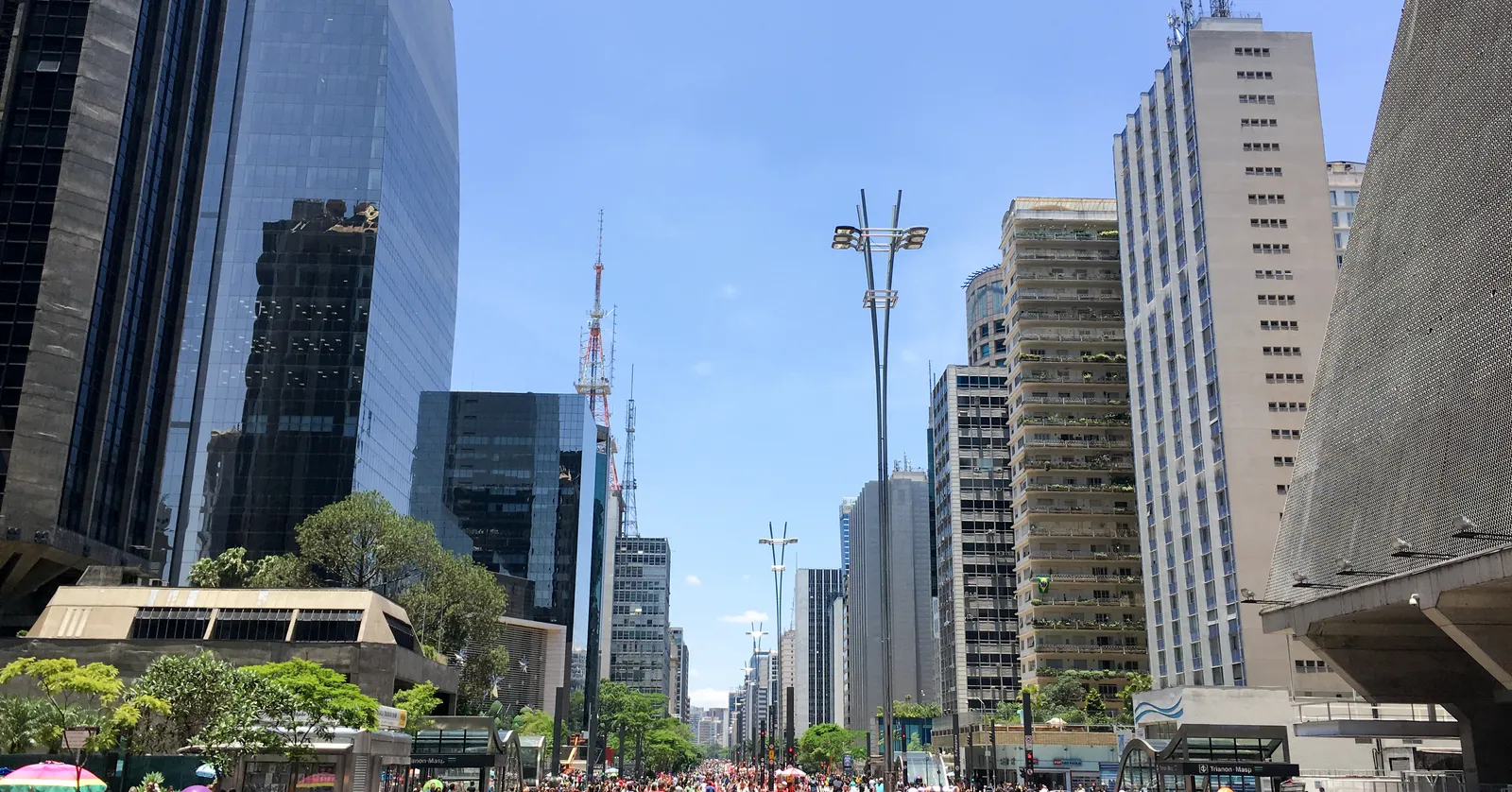
Avenida Paulista runs 2.8 kilometres along a ridge above São Paulo, and four of the things worth stopping for on it cost nothing: a 1935 mansion at number 37, a Japanese cultural centre almost opposite, a surviving patch of Atlantic forest halfway along, and a photography institute at the far end.
Six lanes belong to pedestrians on Sundays and holidays
The avenue was cut through a coffee baron’s land in 1891 and spent its first fifty years lined with mansions before the banks and office towers replaced almost all of them. What it has become is the closest thing São Paulo has to a civic spine: protest marches, New Year, election nights and the city’s Pride parade all happen here.
On Sundays and public holidays the city closes the carriageway to traffic entirely and hands it to people on foot and on bikes. The hours have shifted around since the programme started, usually landing somewhere between mid-morning and late afternoon, so check the current listing rather than a figure you read somewhere. What does not change is the effect: six lanes of asphalt with musicians, stalls and a few thousand people walking down the middle of them. If you would rather have the avenue and the city explained as you go, a private food, culture and history tour is bookable through a tours and activities platform.
Casa das Rosas is the mansion that didn’t get demolished
Number 37, at the eastern end, is one of the last of the houses this avenue used to be made of. Ramos de Azevedo designed it in 1930 and it was finished in 1935, in a French style with a formal garden of roses in front of it, which is what gave the house its name.
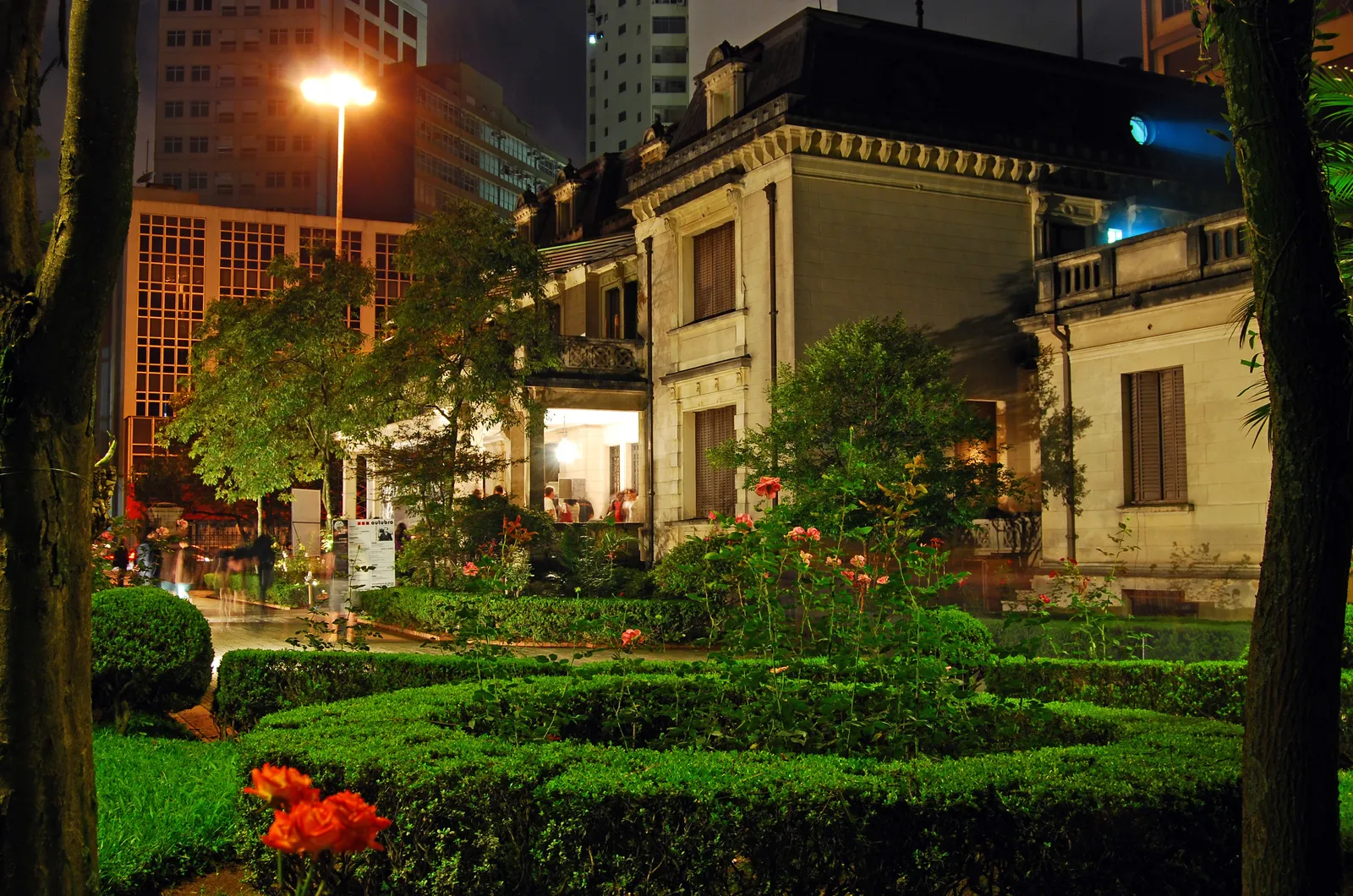
It was listed as a protected landmark in 1985 and reopened as a public building in 1995; since 2004 it has been a centre for poetry and literature, named for the poet Haroldo de Campos. Entry costs nothing. The museum rooms open 10am to 6pm with last entry at 5.30pm, and the garden is open from 7am until 10pm, which makes it one of the few places on this page you can still walk into after dinner.
Parque Trianon is a surviving patch of Atlantic forest
Halfway along the avenue, opposite the art museum, is a walled park of almost 49,000 square metres that was never cleared: real remnant Atlantic forest, with a canopy high enough that the traffic noise drops away twenty metres in from the gate.
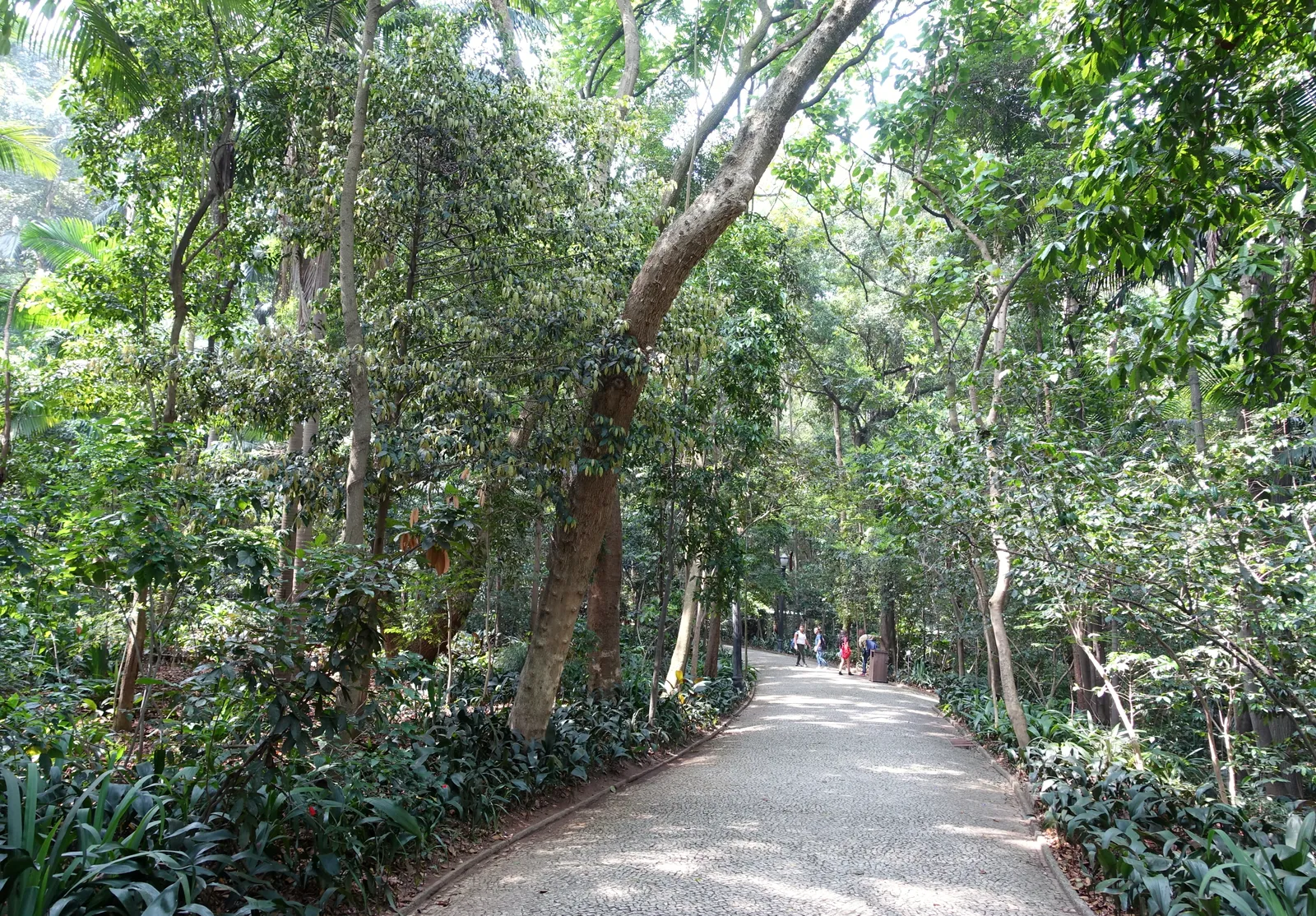
More than thirty bird species have been recorded in it, along with the marmosets that treat the canopy as a corridor. It is free, opens daily from 6am to 6pm, and has a tourist information point inside the Alameda Santos gate. Twenty minutes here resets a walk down the avenue, and it opens seven days a week, which not everything along this ridge does.
Japan House sits behind a screen of timber slats at number 52
Kengo Kuma designed the front of this building as a lattice of vertical wooden slats hung across two floors of glazing, which reads as a wall from an angle and dissolves into a screen head-on. It opened in 2017 as one of three Japanese government cultural centres worldwide, and the other two are in London and Los Angeles.
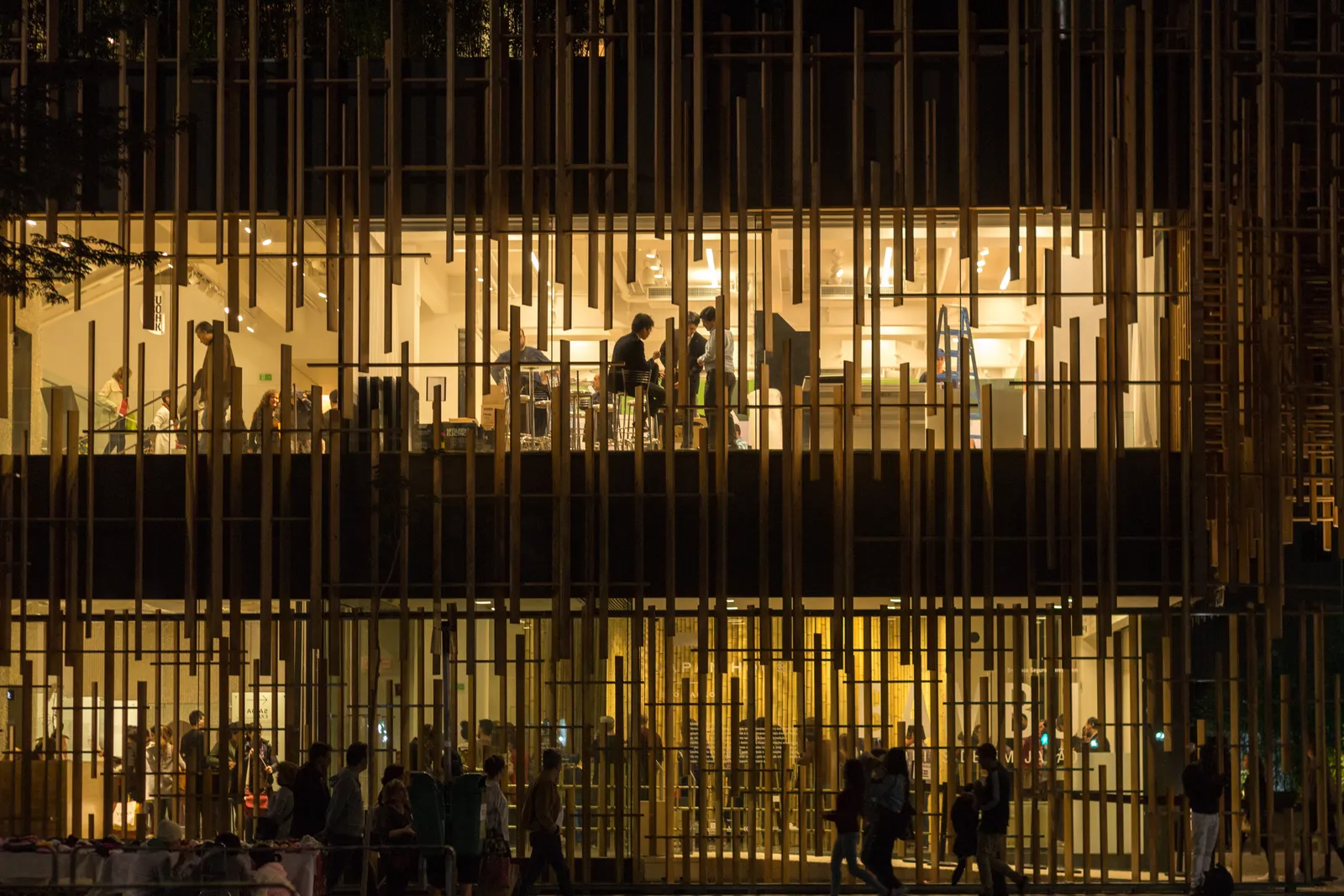
Inside is a rotating programme of exhibitions on Japanese design, craft and food, free to walk into, Tuesday to Friday 10am to 6pm and 10am to 7pm at weekends. Between it, Casa das Rosas across the road, and the Instituto Moreira Salles up at number 2424, which is also free and opens Tuesday to Sunday until 8pm, the avenue’s free venues are split between its two ends. That split is worth planning around, because 2.8 kilometres on a ridge is a long way to push a suitcase for the sake of the second one.
An hour and three quarters from the avenue to the check-in desk
Nothing leaves for the airport from Avenida Paulista itself, so the run out to São Paulo/Guarulhos International Airport (GRU) starts with a metro ride down to Luz, three stops from the avenue’s Consolação end, then the hourly Expresso Aeroporto on Line 13-Jade, around 30 minutes out to Aeroporto-Guarulhos station on the standard R$5.40 fare. Add the free people mover between that station and the terminals and the wait for an hourly departure, and an hour and three quarters is the safe allowance from the avenue.
The one thing to avoid is leaving the avenue at rush hour, when the metro under it fills up in both directions. The main São Paulo guide covers the old centre, which is where the rest of the day usually goes, and the Luz station page covers what is worth seeing where the airport train actually starts.
Frequently asked questions
What should I do during a layover on Avenida Paulista in São Paulo?
Pick an end and work along it, because the avenue is nearly three kilometres long. At the eastern end, Casa das Rosas and Japan House sit almost opposite each other and both cost nothing. Halfway along, Parque Trianon is a surviving patch of Atlantic forest open daily from 6am. The Instituto Moreira Salles, also free, is at the far western end. Three hours covers one end properly; trying to do both ends turns the visit into a walk rather than a look.
Which day is cheapest to spend on Avenida Paulista?
Tuesday, because that is the day the one place that charges stops charging. Casa das Rosas at number 37, Japan House at number 52 and the Instituto Moreira Salles at number 2424 all charge nothing at any time. Parque Trianon is free and open daily from 6am to 6pm. The art museum halfway along is the one that charges, R$75, except on Tuesdays and on Friday evenings from 6pm to 10pm, when it is free too. That makes Tuesday the cheapest day to be on this avenue and Monday the worst, since the art museum shuts.
Is Avenida Paulista really closed to cars on Sundays?
Yes, on Sundays and public holidays, under a city programme that hands the whole carriageway to pedestrians and cyclists for most of the day. The exact hours have moved around since it started, generally somewhere between mid-morning and late afternoon, so check the city's listing for the date you are there rather than assuming a fixed window. It changes the avenue completely: street musicians, stalls and several thousand people walking down the middle of six lanes.
How long does it take to walk the whole of Avenida Paulista?
About forty minutes end to end without stopping, over 2.8 kilometres on a ridge that is gently uphill in one direction and gently downhill in the other. That is the reason to decide in advance which end you are working from: the free venues sit at opposite ends of it, and a suitcase turns a forty-minute walk into a considerably longer one. Metro stations serve both ends and the middle, so you can skip a leg if the walk stops being the point.