São Paulo Layover Near Tietê Bus Terminal
Part of the full São Paulo Layover: Old Centre to Paulista, GRU
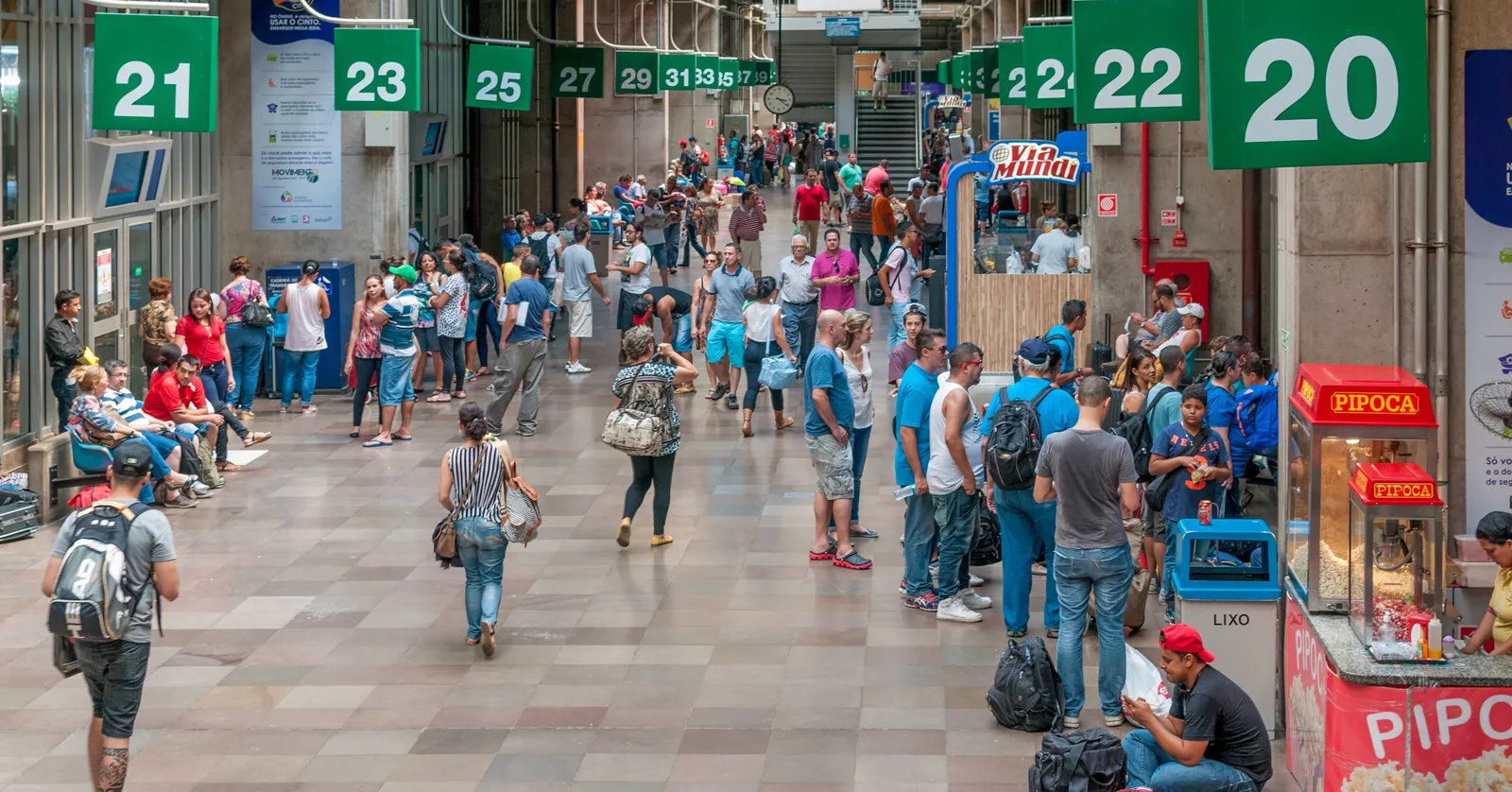
The Tietê coach terminal in northern São Paulo is a building most people only pass through, but one metro stop north of it is the Parque da Juventude, laid out on the ground where the Carandiru prison stood, with a free public library in the middle of it.
Eighty-nine platforms serve 21 states from one building
Tietê opened on Avenida Cruzeiro do Sul in 1982 and has 89 boarding and arrival platforms spread over 120,000 square metres, which makes it the largest coach terminal in Latin America and, by most counts, the second largest anywhere after the Port Authority terminal in New York. Around 60 companies run services out of it to 21 Brazilian states and across the borders into Argentina, Chile, Paraguay, Peru and Uruguay.
About 90,000 people pass through on an average day, and the practical consequence is that the concourse is long and the seating is not generous for the numbers using it. The metro station is attached to the building, so you never have to go outside to reach it. If you are between a coach and a flight and would rather spend the gap being shown the city than sitting in it, a guided walk around the main sights is bookable through a tours and activities platform.
Parque da Juventude covers the ground where Carandiru stood
The Casa de Detenção de São Paulo stood on this stretch of Avenida Cruzeiro do Sul, a stop north of the coach terminal, until 2002. It was the largest prison in Latin America and the place where 111 prisoners were killed by military police in October 1992, an event that gave the district a name most Brazilians recognise immediately. Most of the blocks came down; the park that replaced them opened in stages from 2003.
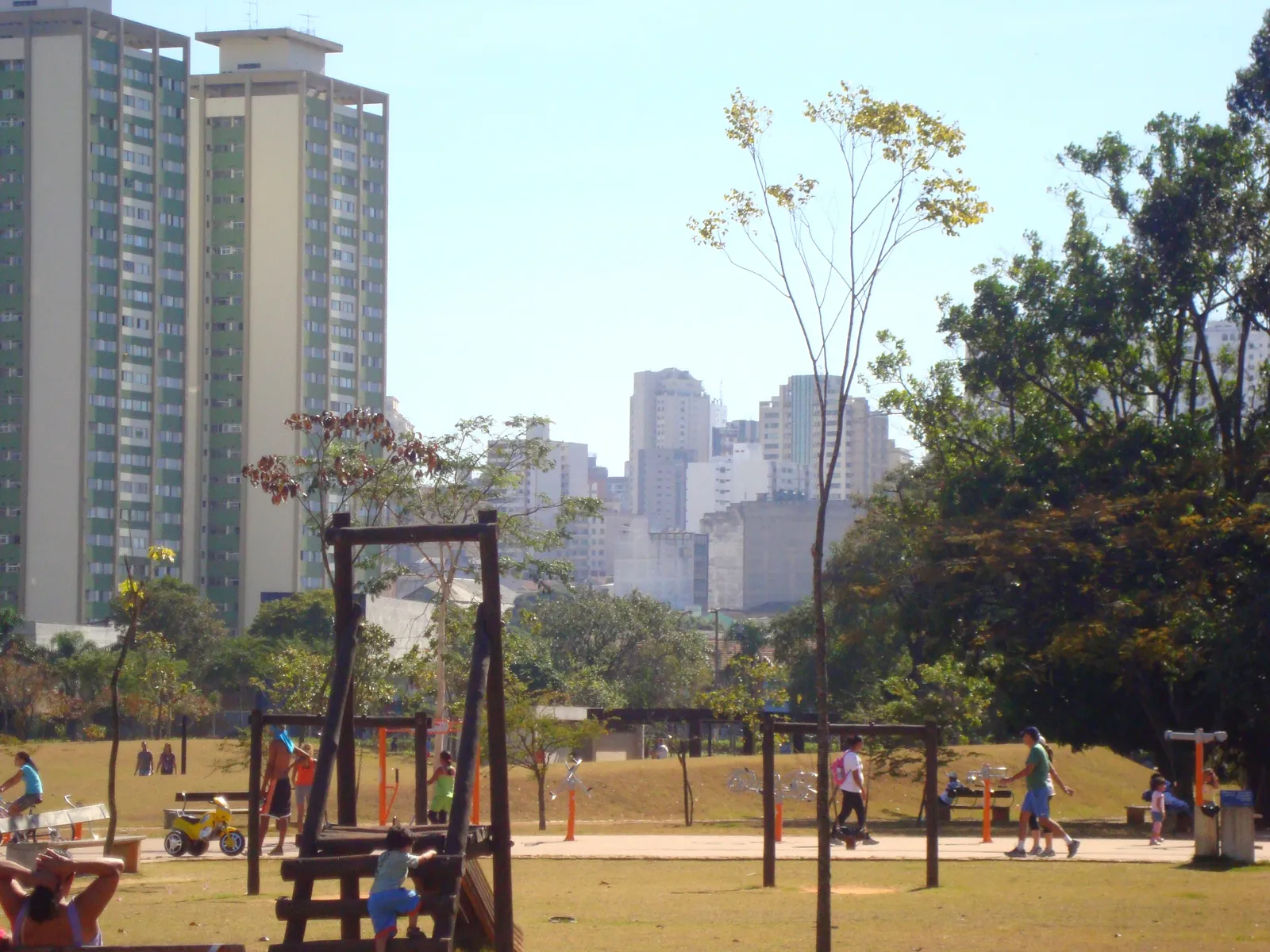
What went in is deliberately ordinary: football pitches, skate ramps, running paths, lawns and a strip of replanted woodland along the western edge. A few of the original buildings were kept and converted rather than demolished, and a technical school now uses them, which is a blunter piece of reuse than a memorial would have been. It costs nothing to walk in and is open daily.
The Biblioteca de São Paulo lets anyone in without a card
Inside the park at Avenida Cruzeiro do Sul 2630 is a state-run public library that opened in February 2010, in a low rust-coloured building with a long balcony over the lawns. It holds books, newspapers, magazines, films, music, board games and video games, in print and in braille, and anyone can walk in without a card.
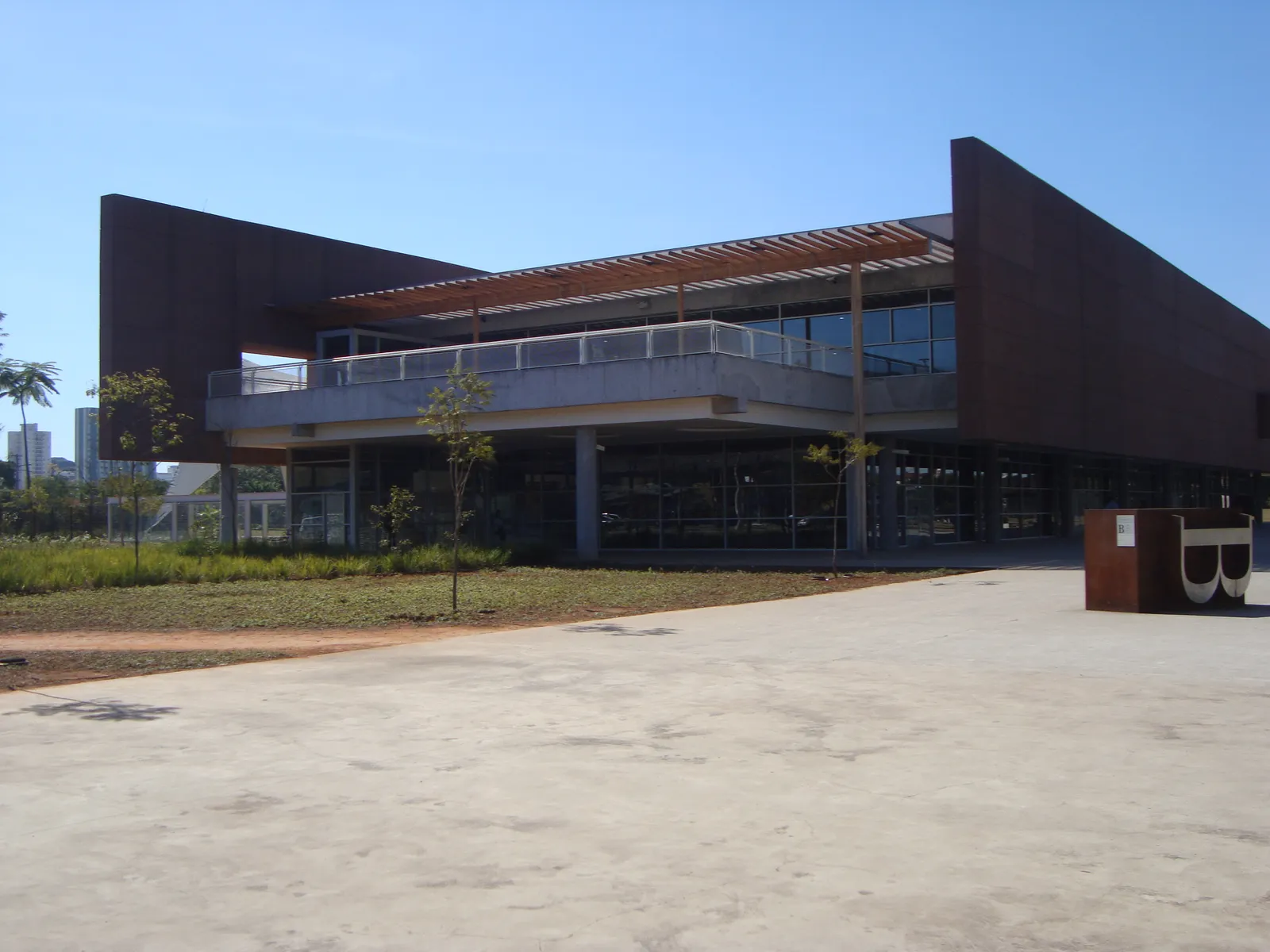
It opens Tuesday to Sunday and public holidays, 9.30am to 6.30pm, and closes for a handful of dates around Christmas, New Year and Carnival Tuesday. For anyone coming off an overnight coach with hours to fill, a quiet room with seating and air conditioning is worth more than another museum, and this is the closest one to the platforms. The people arriving here are mostly carrying duffels and holdalls rather than wheeled cabin bags, and neither the park benches nor the library are places to keep an eye on one for two hours.
Two hours from the coach platforms to an international gate
Nothing runs direct from Tietê to the airport. The route is a metro ride south to Luz, then the Expresso Aeroporto on Line 13-Jade, which leaves hourly from 5am to midnight and takes around 30 minutes out to Aeroporto-Guarulhos station on the standard R$5.40 fare, then the free people mover to whichever terminal you need at São Paulo/Guarulhos International Airport (GRU). Two hours is the working figure, and closer to two and a half if you land badly against the hourly departure.
The Airport Bus Service also runs a coach straight from this terminal to Guarulhos, which is the simpler option if you have luggage and no appetite for two changes, though it costs several times the train fare and shares the same roads. Either way, the main São Paulo guide covers what is worth doing in the centre if the gap runs long enough to justify going that far south, and Luz is where you would change anyway.
Frequently asked questions
What should I do during a layover near Terminal Rodoviário Tietê in São Paulo?
Go one metro stop north rather than into the centre. The Parque da Juventude sits on the site of the Carandiru prison, and the Biblioteca de São Paulo inside it is free, open Tuesday to Sunday from 9.30am to 6.30pm and has proper seating, which is more than the terminal offers. Two hours covers the park and the library at a walk. The historic centre is possible from here but takes most of an hour each way, so it only pays off on a longer gap.
How big is the Tietê coach terminal?
89 boarding and arrival platforms across 120,000 square metres, handling around 90,000 people on an average day. Roughly 60 operators run services from it to 21 Brazilian states and to Argentina, Chile, Paraguay, Peru and Uruguay, which makes it the largest coach terminal in Latin America. Practically, that means the concourse is long, the gate you want may be a five-minute walk from where you came in, and the numbers are the only reliable way to navigate it.
Is the Parque da Juventude really the old Carandiru prison?
It is built on the site. The Casa de Detenção de São Paulo, known as Carandiru and the place where 111 prisoners were killed by police in October 1992, stood here until most of it was demolished in 2002. The park that replaced it opened in stages from 2003, with a technical school and the state library occupying part of the ground. A few of the original blocks were kept and converted rather than knocked down, so the layout still carries traces of what was here.
Where can a coach passenger sit down for an hour near Tietê?
The library in the park is the honest answer, and it costs nothing. It opened in 2010, runs Tuesday to Sunday and public holidays from 9.30am to 6.30pm, and has reading rooms, newspapers, games and air conditioning. The terminal's own seating is limited relative to 90,000 daily users, and the coach concourse is not built for waiting several hours in. If you are between a long-distance bus and an evening flight, the park is fifteen minutes away on foot and one stop on the metro.