Valencia Airport Layover: Manises From VLC
Part of the full Valencia in One Day: Old Town and Turia Park
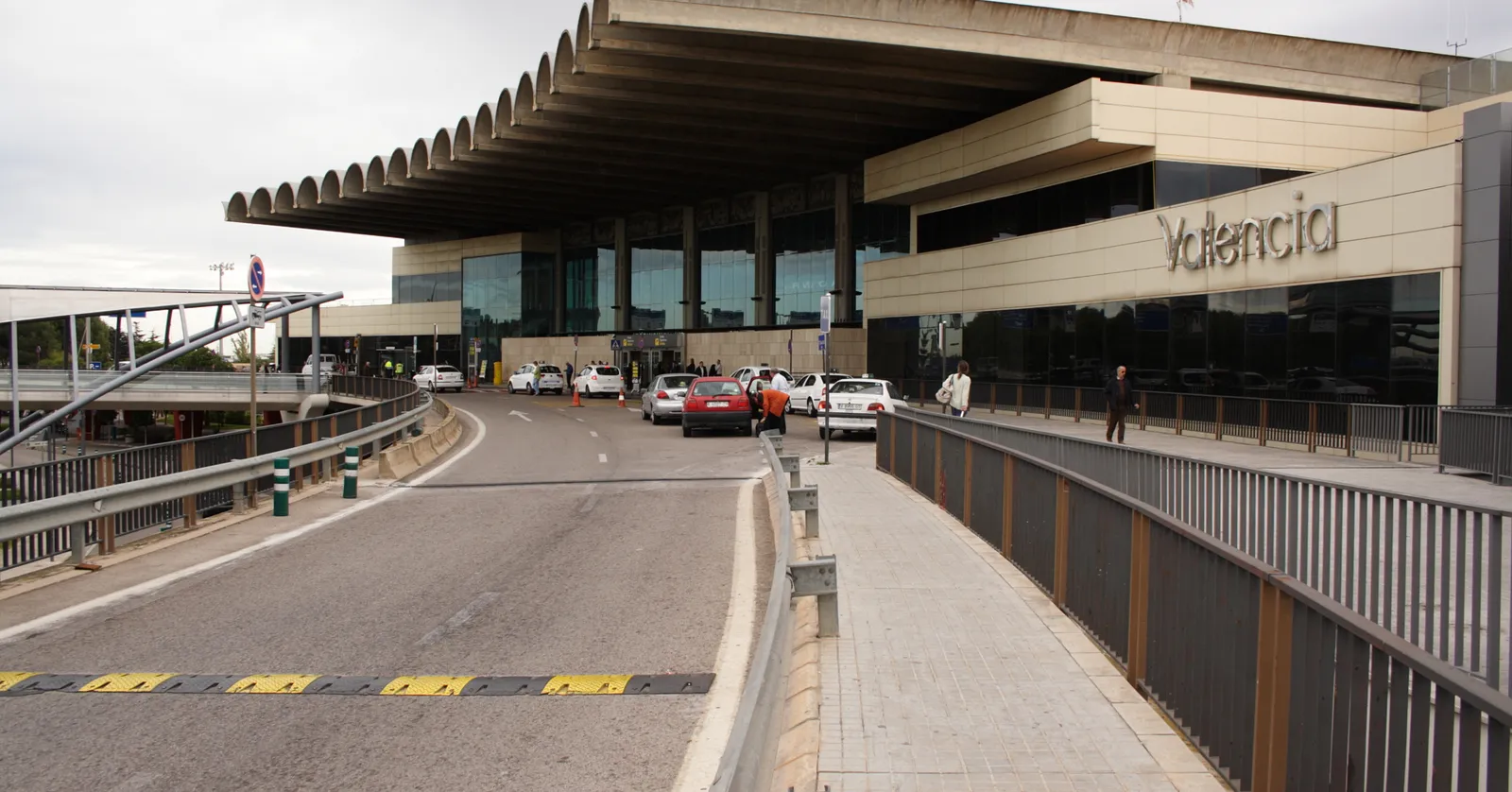
Manises, the town Valencia Airport is built on the edge of, sits two metro stops back up lines 3 and 5, and its potters have fired lustreware since the fourteenth century: the town’s ceramics museum holds more than 5,000 pieces of it, and the tiled doorways and workshops around it carry the same glazes out onto the street.
A free ceramics museum in Manises
Potters have worked here since the fourteenth century, and what they made was not local crockery. Manises lustreware, fired with a metallic glaze that comes out of the kiln looking gilded, went to the courts of Europe by ship: Florentine families ordered dishes with their arms painted on them, and a Valencian list of the kingdom’s wonders written in 1383 records that the pope, the cardinals and the princes of the world sought the ware out and were astonished that work so fine could be made from clay.
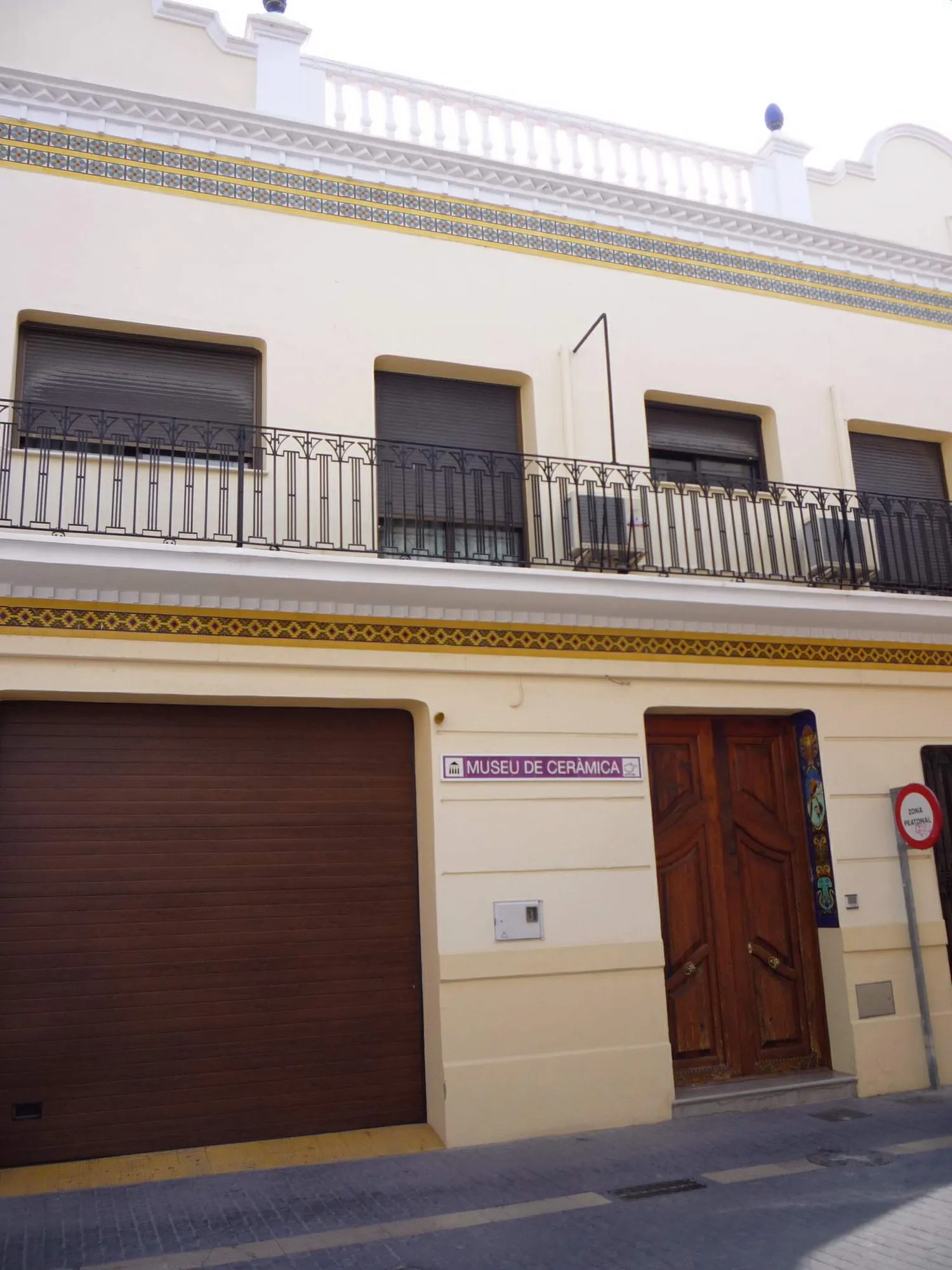
The museum has been collecting since 1967 and now holds over 5,000 pieces, running from those fourteenth-century golden dishes to work by living potters, with the tile production that replaced lustreware as the town’s main business in between. Admission is free, and it is small enough to see properly in an hour rather than a day, which is the whole argument for coming here rather than starting a museum you cannot finish.
Painted tile panels beside the old town’s doorways
The streets around the museum are the other half of it. Houses in Manises set a panel of painted tiles into the wall beside the front door, a saint, a bird, a spray of flowers, sized to the doorway and glazed in the same blues and yellows as the plates inside the museum. They are not a heritage display; people live behind them, and the newer ones are still being made by workshops in the town.
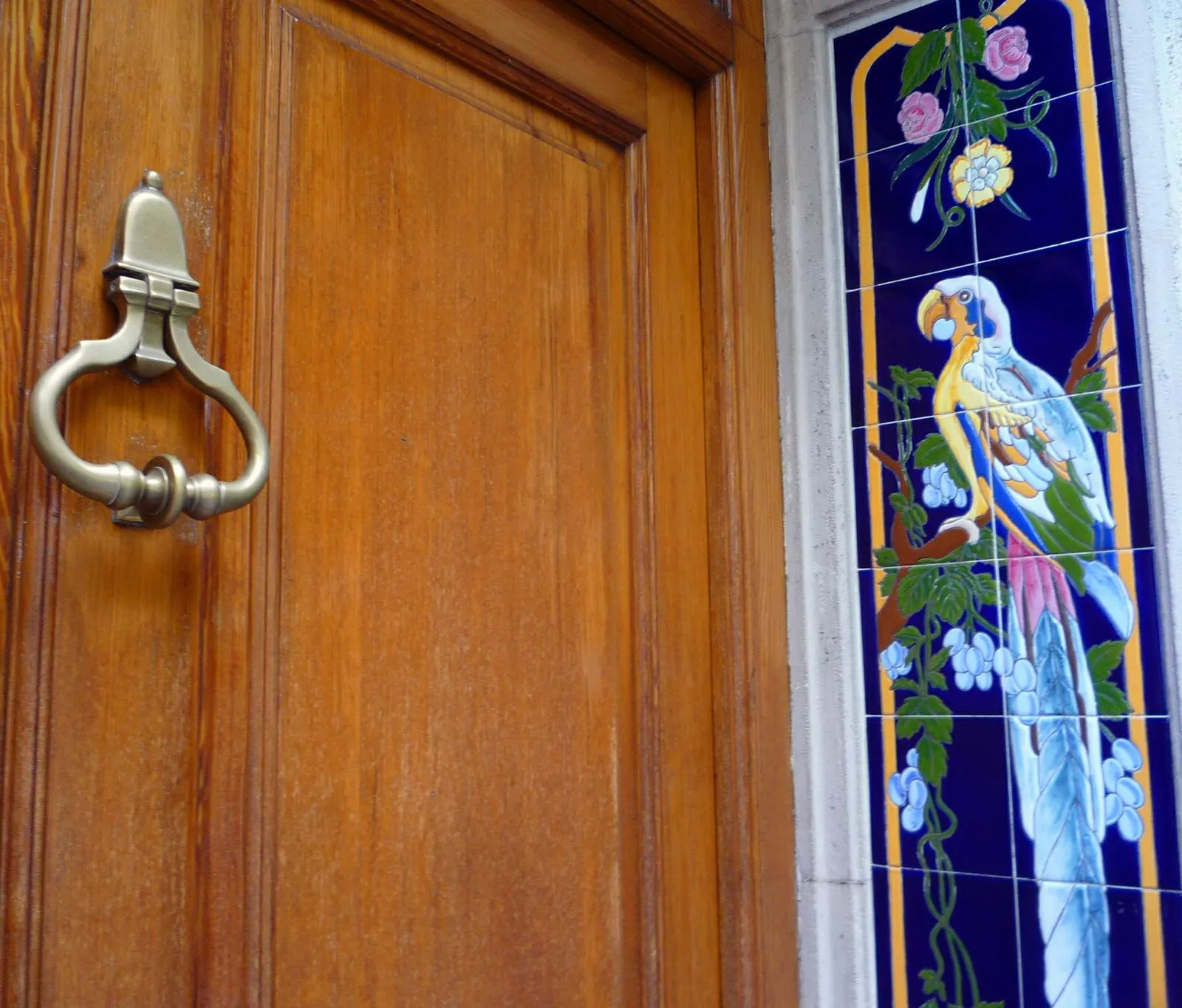
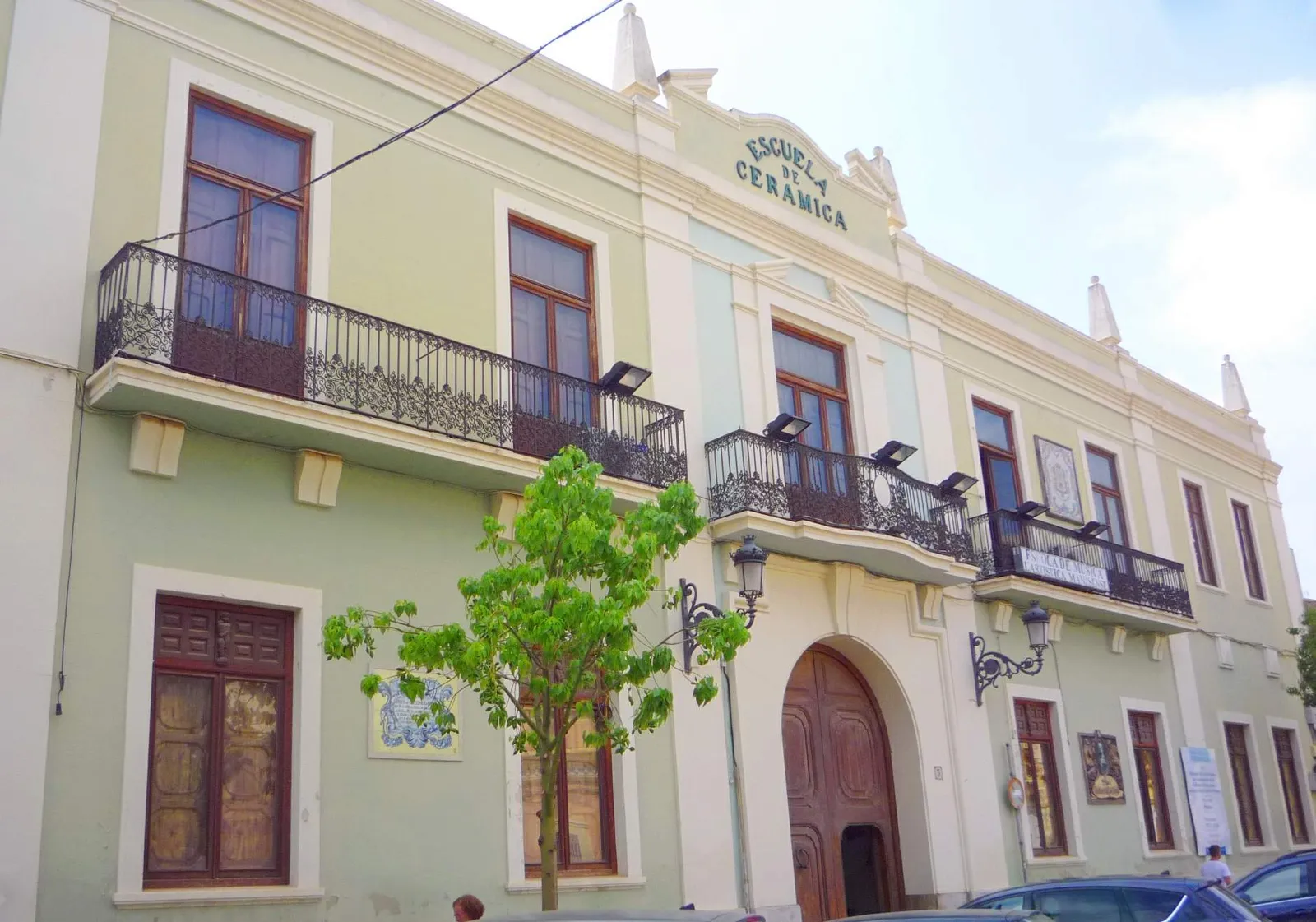
Ceramic shops and workshops run through the same streets, most of them selling what they fire. The town also opened a ceramics school in 1914, the first place in Spain to teach the craft at that level, and the old school building still has ESCUELA DE CERÁMICA lettered across the top of its facade.
The museum shuts between 1.30 and 4 in the afternoon
Tuesday to Saturday it opens 10am to 1.30pm and again from 4pm to 7pm, and it stays shut on Sundays and Mondays. That midday gap is the thing to plan around, because a connection that puts you in Manises at two o’clock gets the streets and the shops and a locked museum door. Since 1 August 2026 the whole museum has been closed for building works, with no reopening date announced, so check its own site before counting on the collection; the tiled doorways and the old ceramics school are on the street and unaffected.
If the gap runs past four hours, the same two lines carry on into the city, and the main Valencia walk starts about 25 minutes further on at Xàtiva, where the Mercado Central and the cathedral are a ten-minute walk apart. The other version of a longer wait is the City of Arts and Sciences at the far end of the riverbed, where a combined ticket for the buildings is worth buying ahead through a tours and activities platform, since the queue at the door is the slowest part of it.
No left-luggage counter at Valencia Airport
There is no left-luggage desk and there are no lockers anywhere in the terminal, so a checked bag you have already collected has to go somewhere before you get on the metro, or it comes with you around a town of narrow pavements and doorsteps.
Trains back to the terminal run every 15 minutes
On weekdays that is the headway on both lines, stretching to about 20 minutes at weekends and on public holidays, and the ride is two stops. The metro platform is on the ground floor of the terminal rather than a shuttle ride away, so the walk from train to check-in desk is short and there is no people mover to factor in. Collect the bag on the way through and you are at the desk within a few minutes of getting off.
Frequently asked questions
Is the ceramics museum open on a Monday?
No. It opens Tuesday to Saturday only, shut on Sundays as well as Mondays, and it also closes on 25 December, 1 January and 1 May. Since 1 August 2026 it has been closed altogether for building works, with no reopening date announced, so check the museum's own site before planning around it. On a Monday the streets, the tiled doorways and the pottery shops are all still there, which is most of the walk, but the collection itself is behind a locked door and there is no substitute for it in the town.
Does this still work on an evening connection?
Only as a walk. When it is open (it has been shut for building works since 1 August 2026), the museum's afternoon session ends at 7pm Tuesday to Saturday and there is no Sunday opening, so anything after that leaves you the streets, the shopfronts and the lit tile panels rather than the collection. The metro is the part that keeps going: line 3 runs back towards the terminal until roughly 11.30pm on weekdays, line 5 until about 10.30pm.
How short a connection does this actually fit?
Three hours between landing and check-in is comfortable, two is tight but possible if you have no checked bag to reclaim. The metro leg is trivial, two stops each way on lines 3 and 5 with trains every 15 minutes on weekdays, and the platform is on the ground floor of the terminal. What eats the time is passport control and the walk back to the departures level, so count those before counting the museum.
Is there anything in Manises besides ceramics?
Some, though the town is honest about what it is. The church of Sant Joan Baptista has a large tiled altarpiece of the Last Supper inside, which is still ceramics by another route. There is a photography museum in a former ceramics factory, and the Arquets aqueduct on the edge of town, whose foundations are thought to be Roman under later rebuilding. None of these is the reason to come; the museum and the streets are.