Nijo Castle Layover: Kyoto's Palace Blocks
Part of the full Kyoto Layover: Fushimi Inari Gates, KIX
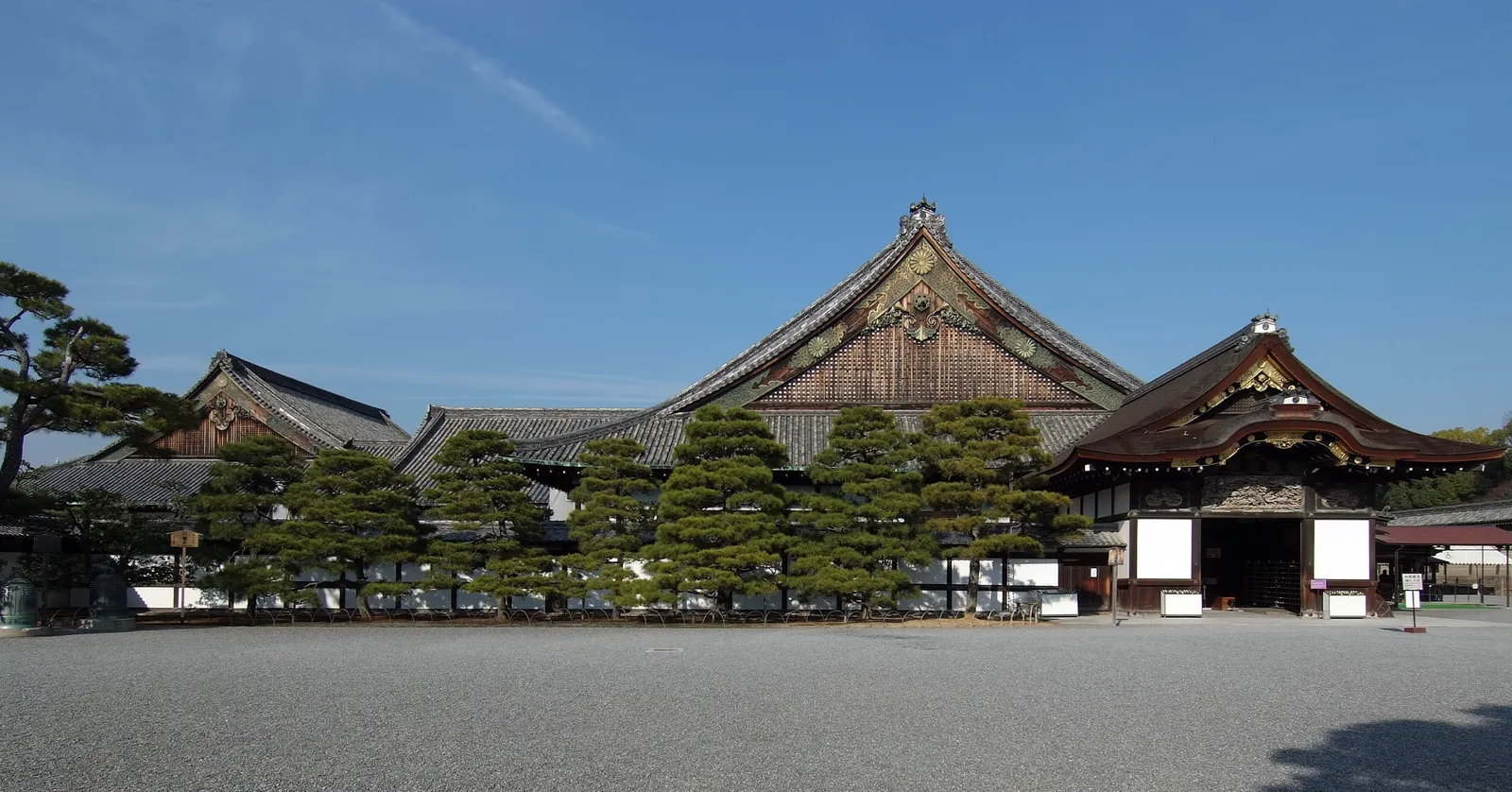
Nijo Castle sits inside two rings of moat and wall in central Kyoto, fifteen minutes from Kyoto Station on the subway, and its Ninomaru Palace is walked in socks with your shoes carried through it in a bag.
Ninomaru Palace’s corridors are entered in socks
The shoes come off at the step and go with you, either in your hands or in a bag the staff hand out, because the floors inside are the exhibit as much as the paintings are. Six connected buildings of hinoki cypress, 3,300 square metres in total and every one of them a National Treasure, are joined by corridors laid so that the floorboards’ nails rub against metal clamps underneath and chirp as they take weight. That is the alarm system, and you cannot get across it quietly.
Cameras are not allowed in either palace here, which is a conservation rule and also a crowd one: the corridors are narrow enough that one person stopping backs up everyone behind. Entry to the castle grounds is 800 yen, or 1,300 with Ninomaru; the combined ticket is sold in advance on a tours and activities platform.
Because the palace is a shoes-off building with no cloakroom on the route, whatever you are carrying goes round the corridors in your hands along with your shoes.
Nijo Castle shuts on Tuesdays in four months of the year
July, August, December and January are the ones to check, and if a closed Tuesday lands on a national holiday the castle opens that day and closes the Wednesday instead. It also shuts completely from 26 December to 3 January. On the days it is open, the gates run 8:45am to 5pm, but the last admission and Ninomaru Palace’s own closing are both at 4pm, so an afternoon arrival is a good deal tighter than the headline hours suggest. Two hours before the gate closes is the minimum worth turning up with.
The manga museum keeps 50,000 books on open shelves
Karasuma Oike, the subway junction between the castle and the Imperial Palace, has a converted primary school sitting on top of it, and since 2006 that school has been the Kyoto International Manga Museum. The corridors of the old building carry about 200 metres of shelving holding roughly 50,000 volumes, most of them published from the 1970s onwards, and the arrangement is that you take anything down and read it, indoors or out on the lawn.
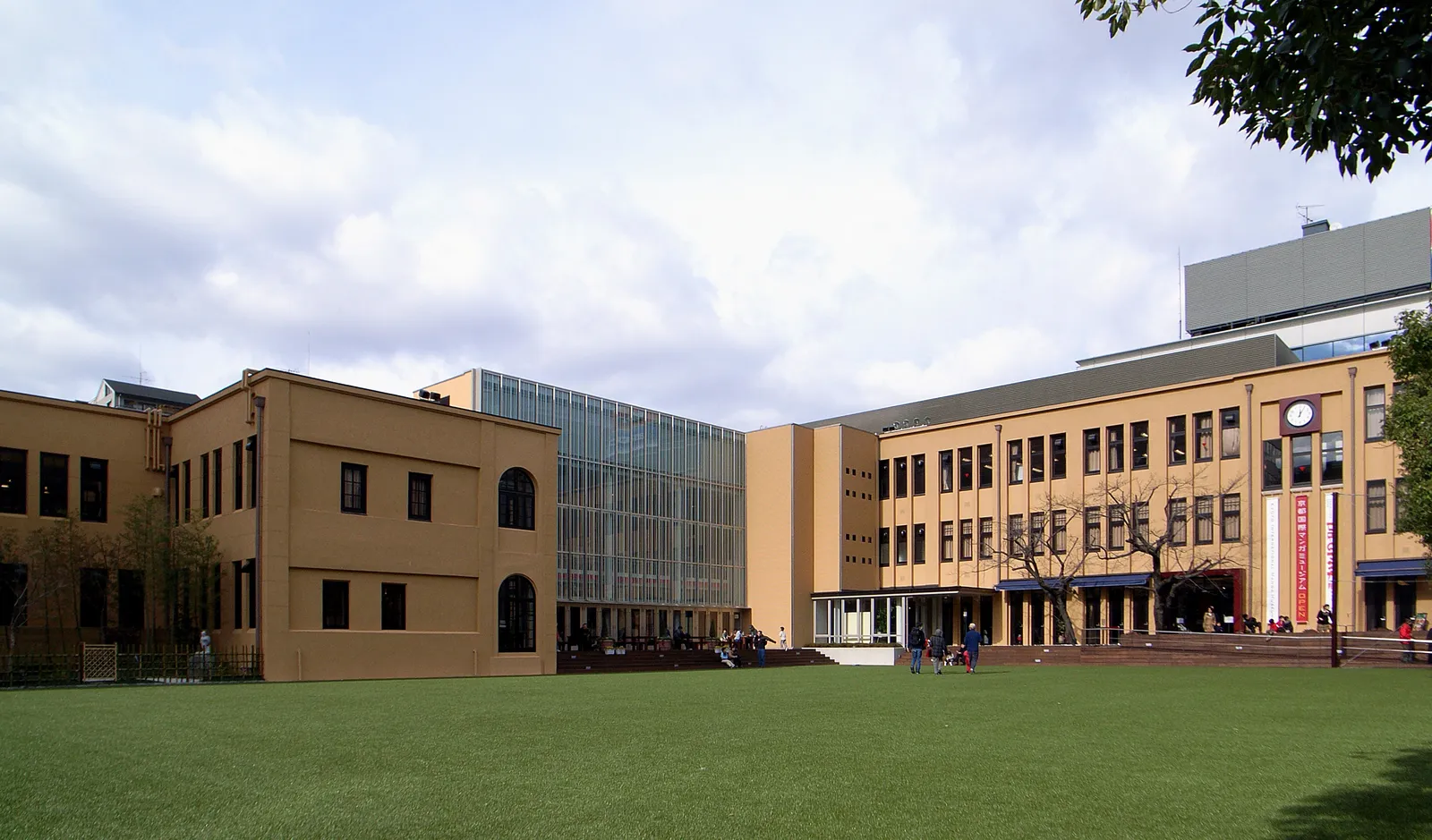
Most of the shelves are Japanese, though there is a room of translated titles from around the world, and the permanent gallery upstairs covers how the form developed. Admission is 1,200 yen for adults, 400 for teenagers and 200 for children, bookable in advance through a tours and activities platform, and the ticket lets you leave and come back the same day. It runs 10am to 5pm with last admission at 4:30pm and closes on Wednesdays.
The Imperial Palace stopped needing a reservation in 2016
Kyoto Gyoen is a walled park of gravel avenues and old pines in the middle of the city, and the Imperial Palace stands inside it. Until 2016 getting through its gate meant applying in advance; now it is open year-round to anyone who arrives, and there is no charge at any point.
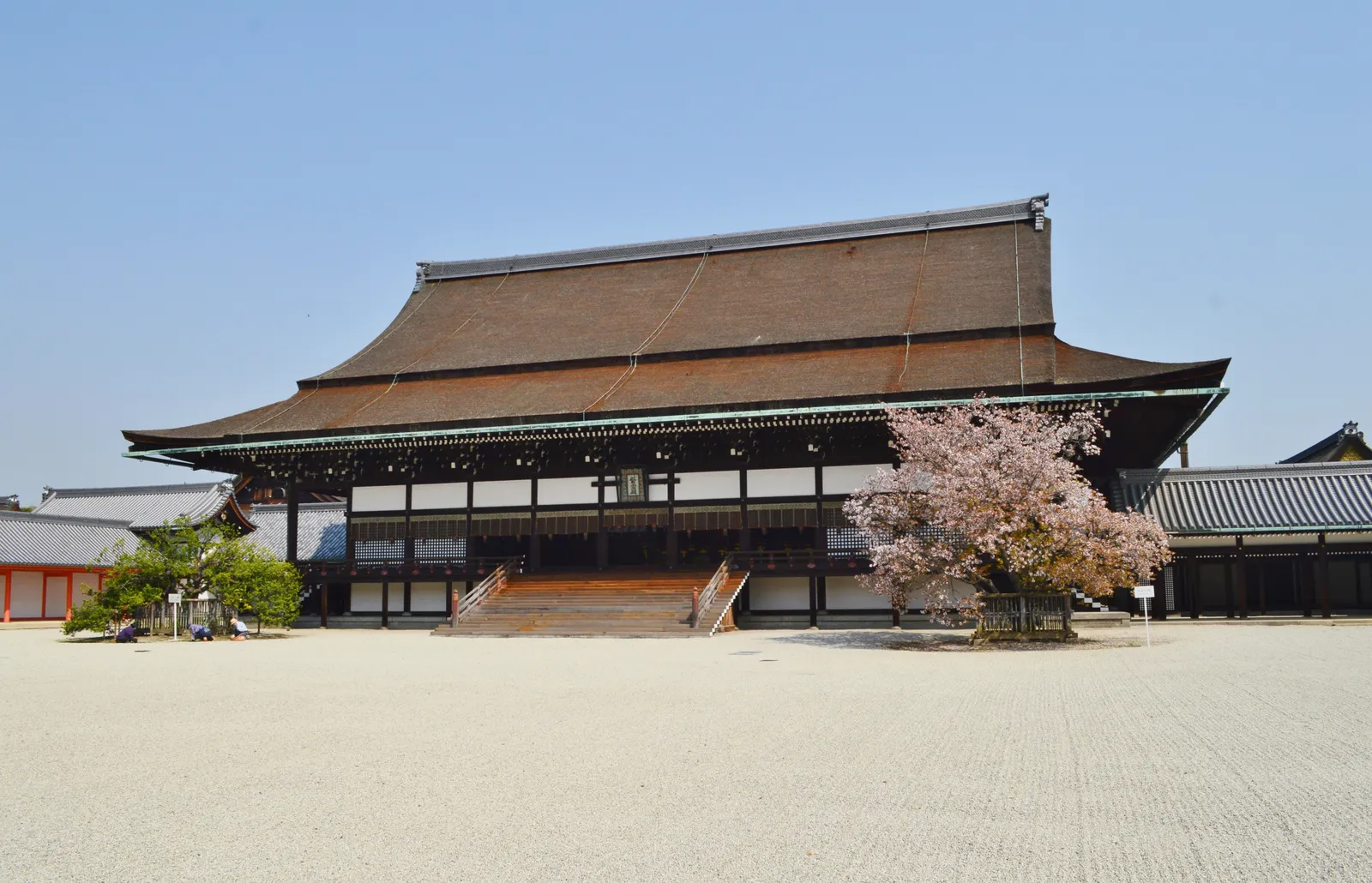
The marked route runs past the Shishinden, the ceremonial hall where emperors were enthroned, a long low building under a thick cypress-bark roof facing an empty gravel court, and on through the gardens behind it. Forty minutes covers it. The palace closes on Mondays and over the New Year, and its hours move with the season, 9am to 5pm between April and August and as early as 4pm from October to February. The park itself has no gate and no closing time, so even on a Monday the avenues, the plum grove and the benches are all still there.
Nothing on this route needs a bus
Nijo Castle, the manga museum and the Imperial Palace all sit within a few minutes of the same subway line, which makes this the one part of Kyoto you can cover without ever waiting at a bus stop. From the castle it is one stop east to the interchange, then two north for the palace, then back down the same line to Kyoto Station in about fifteen minutes for 260 yen.
From there the Kansai-Airport Express Haruka goes from platform 30 to Kansai International Airport (KIX) in about 75 minutes, roughly every half hour, at 3,060 yen non-reserved or 3,590 yen reserved, and the airport bus from the Hachijo exit is 2,800 yen and runs to 9:10pm. Because the whole of this route is underground and step-free, it is also the version that works when the weather has decided against you; if you would rather be outdoors, the main Kyoto guide and the Higashiyama slope both spend more time in the open.
Frequently asked questions
What should I do during a layover near Nijo Castle in Kyoto?
Nijo Castle first, because it is the only part of this with a ticket queue and a hard 4pm cut-off for entry, and Ninomaru Palace inside it is what the visit is actually for. That takes about an hour. The Kyoto Imperial Palace grounds are fifteen minutes east and free, with no booking needed, and the park around them stays open at any hour even when the palace itself does not. If you would rather sit down than keep walking, the manga museum sits on the subway interchange between the two.
Which days are Nijo Castle and the Kyoto Imperial Palace closed?
Different ones, which is the awkward part. Nijo Castle shuts on Tuesdays in July, August, December and January, and from 26 December to 3 January; if a Tuesday is a national holiday it closes the following day instead. The Imperial Palace closes on Mondays year-round, and over the New Year period, and shifts to Tuesday when a Monday is a holiday. The manga museum closes on Wednesdays. Between them there is no single day of the week that takes out all three, but the New Year holidays do, and Kyoto Gyoen, the park the palace stands in, stays open through all of it for nothing.
Do I need to book the Kyoto Imperial Palace?
No, not since 2016, when it stopped requiring an application in advance and opened year-round to anyone who turns up. Admission is free and there is no ticket. The route through the grounds takes in the Shishinden ceremonial hall and the gardens behind it, and takes about forty minutes. Opening hours move with the season: 9am to 5pm from April to August, 9am to 4:30pm in March and September, and 9am to 4pm from October to February, with last entry forty minutes before.
Can I take photographs inside Nijo Castle's palaces?
No, in either of them. Photography and video are prohibited inside both Ninomaru Palace and Honmaru Palace, partly to protect the painted screens and partly because the corridors are narrow enough that a stopped photographer blocks everyone behind them. The grounds, the gardens, the moats and the Karamon gate are all fine, and the gate is where most people take the picture anyway.
How do I get from Kyoto Station to Nijo Castle?
The subway, with one change, about fifteen minutes and 260 yen: north from Kyoto Station to the central interchange, then one stop west, and the castle moat is directly outside the exit. It is the rare Kyoto sight that needs no bus at all. The manga museum sits on top of that interchange station, so it is a natural stop on the way back rather than a detour, and the Imperial Palace grounds are two stops north of the same junction.