Ciampino Airport Layover: Rome's Aqueducts
Part of the full Rome Layover: Colosseum and Pantheon From FCO
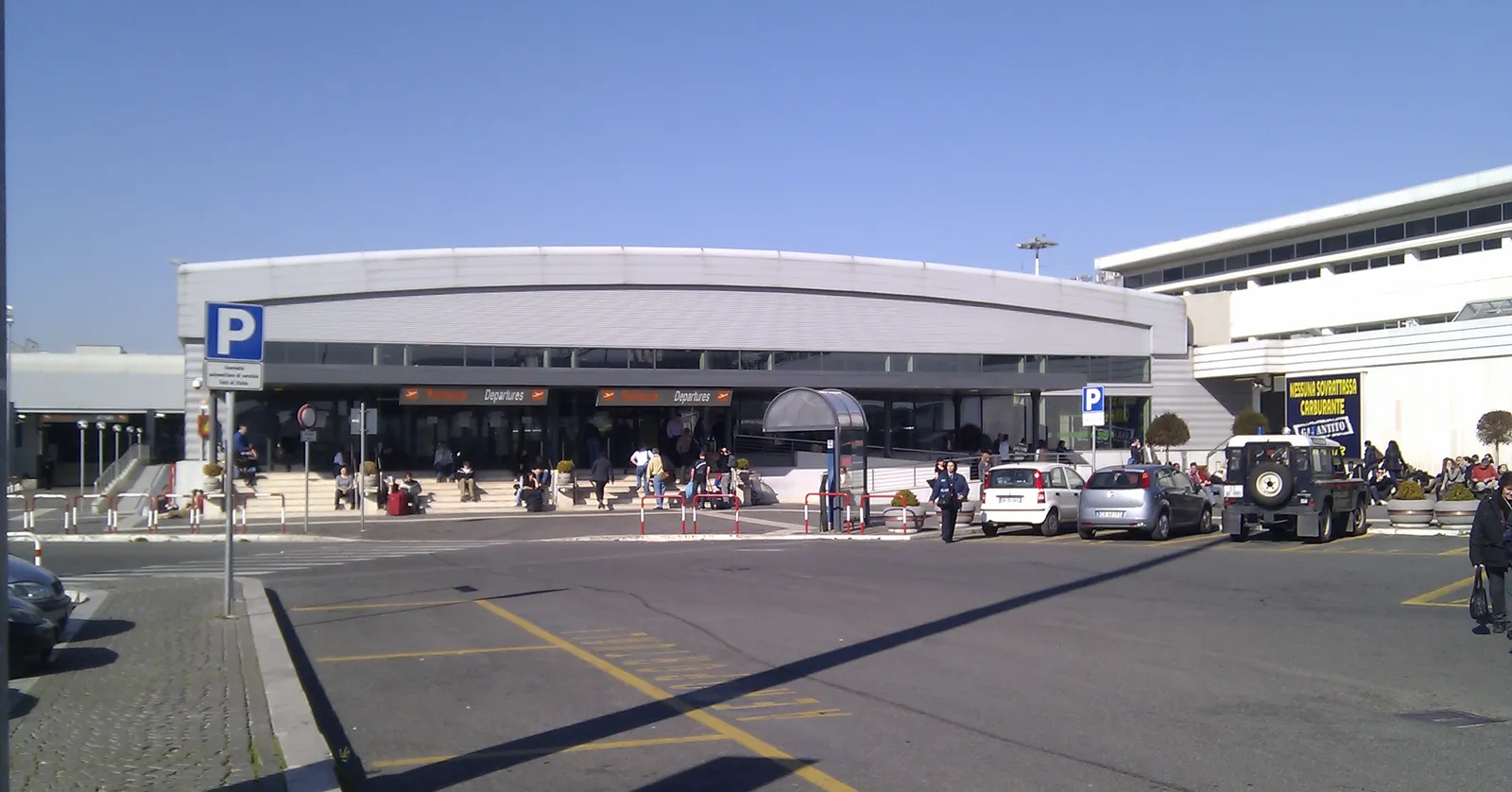
Rome’s Ciampino airport sits south-east of the city with no railway station of its own, but a 15-minute local bus reaches Anagnina at the end of metro line A, and the corridor that line runs up holds three things the historic centre does not: the arches of the Aqua Claudia standing free across a 240-hectare park, the standing film sets at Cinecitta, and Rome’s actual cathedral at San Giovanni in Laterano.
No train from Ciampino, only buses
Ciampino is Rome’s second airport and the one nearly every low-cost carrier uses. It has never had a rail station, so every route into the city starts on a bus, and there are two worth knowing.
The coaches run non-stop to Roma Termini, the city’s main station, in about 40 minutes, from around 6 euros if you book online rather than at the desk. Several companies work the route and they all charge much the same. The other option is the local bus to Anagnina, the southern terminus of metro line A, which takes about 15 minutes, costs 2 euros, and puts you on the metro for a further 1.50. It runs roughly hourly from 5.05am, with the last departure from the airport at 11.10pm.
The Anagnina bus adds 1.20 euros for each piece of luggage on top of the fare, which is the kind of detail that decides things when the bag in question is a cabin roller you already paid a low-cost carrier to bring.
Roman aqueduct arches at the Parco degli Acquedotti
The Parco degli Acquedotti is three stops up line A from Anagnina, a ten-minute walk from the Giulio Agricola stop, right at the point where the city stops. It is 240 hectares of flat grass and umbrella pines with two thousand years of plumbing running across the middle of it.
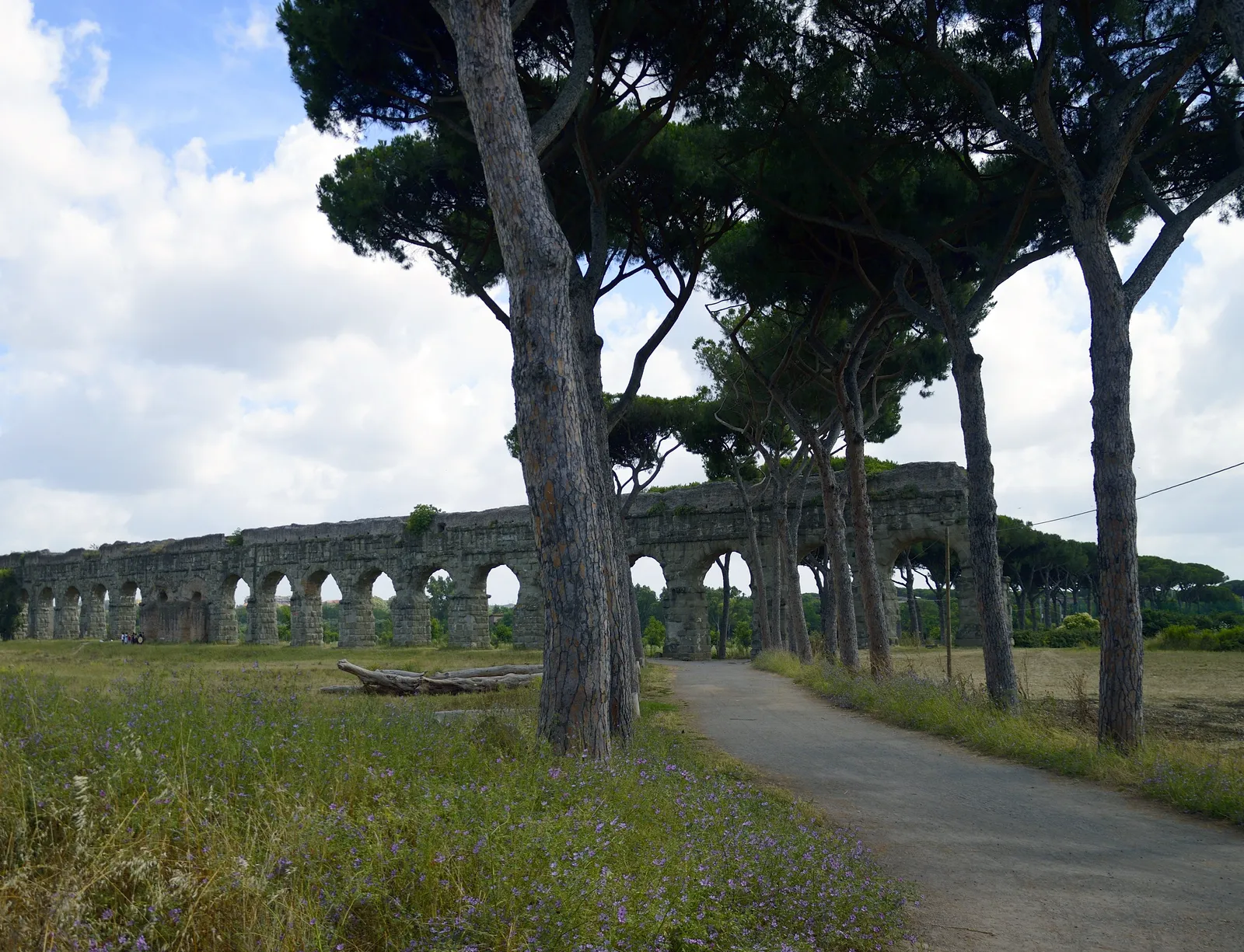
The tall arcade is the Aqua Claudia, begun under Caligula and finished in AD 52, which carried water into Rome from springs forty miles away. The Aqua Marcia, older by nearly two centuries at 144 BC, runs alongside it, and the Acqua Felice, a papal aqueduct of the 1580s, was built partly on top of the Roman work, which is why the arches change texture as you walk down them.
Fellini opened La Dolce Vita here: the helicopter carrying a statue of Christ over the city in the first shot flies along the line of the Aqua Claudia. Sorrentino used the same arches in La Grande Bellezza half a century later. Nothing is enclosed, nothing is ticketed and nothing closes, and on a weekday morning it is mostly dog walkers and runners.
The standing sets at Cinecitta
One stop from Anagnina, the metro station is called Cinecitta and the studios are directly across from the exit. Mussolini opened them in 1937, and the list of what was shot behind the wall runs from Fellini through Ben-Hur and Cleopatra to Gangs of New York and the Rome television series.
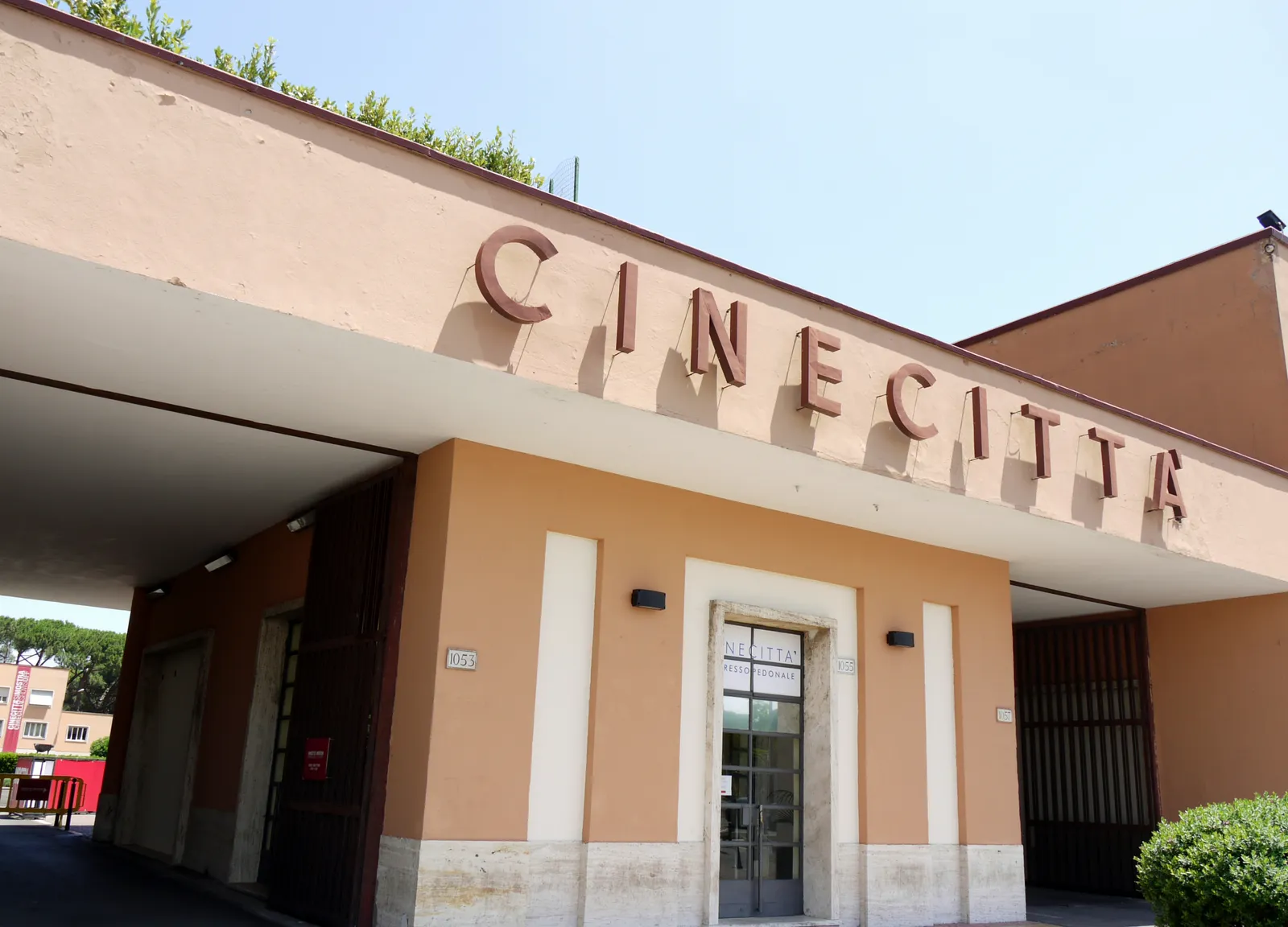
The public part keeps a semi-permanent Ancient Rome set you can walk into, a temple front and a basilica and a paved forum built for television and left standing, along with exhibition rooms on costume, set design, sound and visual effects, and the moving-image museum in the same complex. Entry is 15 euros and covers both. It opens 10am to 6pm with the ticket office shutting at 4.30pm, and it closes every Tuesday. You can buy entry ahead of the day through a tours and activities platform, which mostly saves the counter queue rather than a sell-out.
San Giovanni in Laterano, the cathedral of Rome
With four hours or more, San Giovanni is a few stops further up line A, past Cinecitta. The basilica above the station is the cathedral of the diocese of Rome and the seat of the pope as its bishop, which surprises people who assume that is St Peter’s. It is also the oldest of the four papal basilicas, founded in 324 and rebuilt on the same ground ever since, which makes it the oldest public church in Rome.
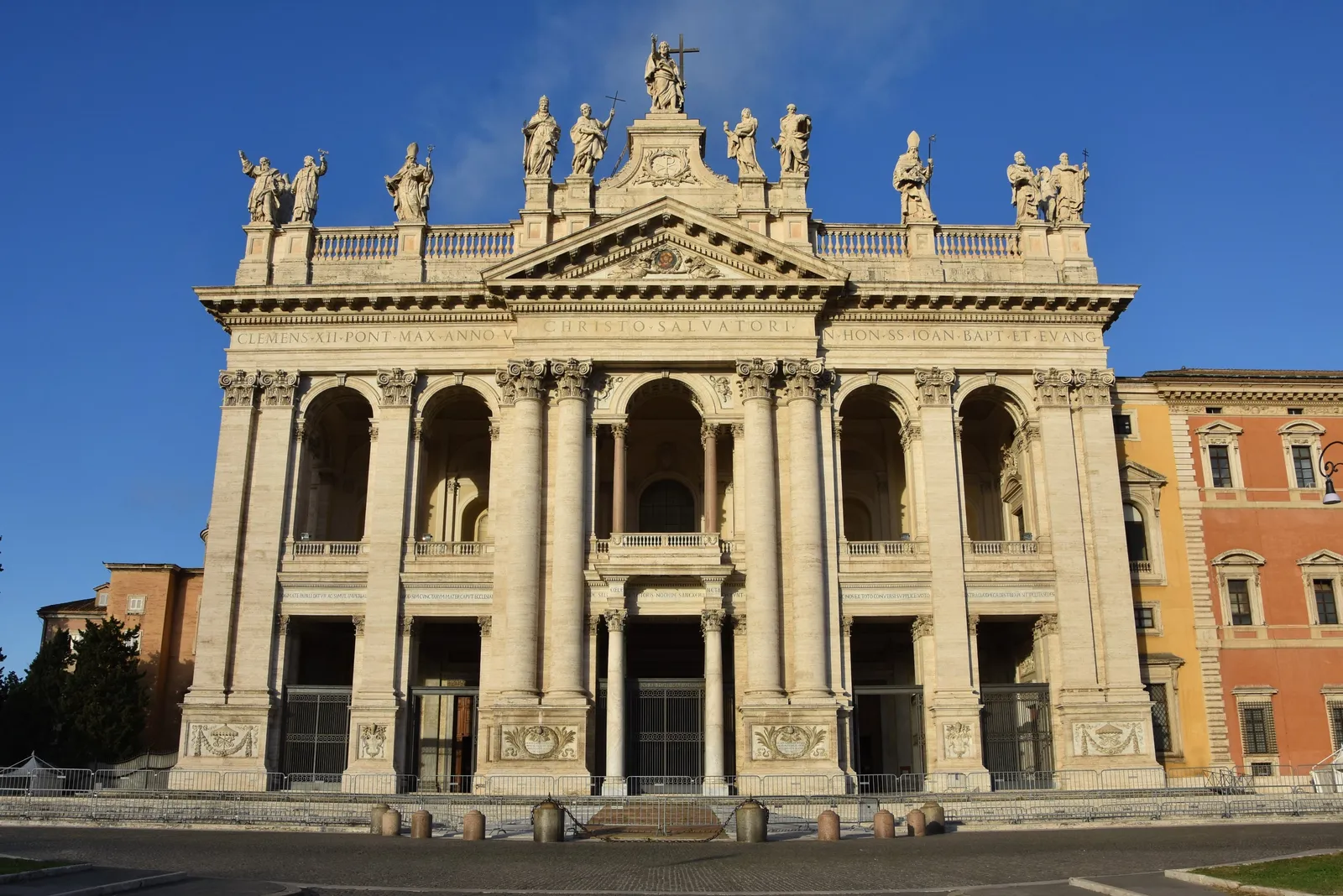
Alessandro Galilei gave it the front it has now in 1735, and a row of colossal statues stands along the top of it, Christ at the centre, reading from the square below as figures leaning out over the edge. The nave is free to walk into and runs 7am to 6.30pm daily. Borromini rebuilt the inside in the 1640s for the jubilee, casing the ancient columns in heavy piers and cutting twelve niches into them; the apostles that fill those niches were not installed until 1718.
Line A carries on north from here into the middle of the city, so if your stop turns out longer than you planned, the walk through the old centre starts three more stops up the same line at Termini. Coming back the other way, allow about two hours from anywhere on this route to the gate at Ciampino: the metro down to Anagnina, the wait for the next bus, fifteen minutes on it, then a small departures hall that fills up whenever several low-cost flights board together.
Frequently asked questions
Is the airport bus to Termini or the one to the metro better value?
It depends on where you are actually going. The coach companies run non-stop from Ciampino to Roma Termini in about 40 minutes for around 6 euros booked online, which is the right choice if the main station is your destination. The local bus to Anagnina, the southern end of metro line A, takes about 15 minutes and costs 2 euros plus 1.20 for each piece of luggage, and from there a 1.50-euro metro ticket reaches everything in this guide. For the aqueduct park or Cinecitta the metro route is both faster and cheaper; for the historic centre the coach usually wins on simplicity.
Is anything near Ciampino open on a Tuesday?
The park is, the studios are not. Cinecitta closes every Tuesday, along with 24 and 25 December and 1 January, so a Tuesday stop needs a different plan. The Parco degli Acquedotti is open public parkland with no gate, no ticket and no closing day, and the Basilica of San Giovanni in Laterano runs 7am to 6.30pm daily. If you land on a Tuesday, those two carry the whole itinerary between them.
Does this work with kids?
The park half does, more than most of Rome does. The Parco degli Acquedotti is 240 hectares of flat open grass with tarmac paths, no traffic and no queues, which is a rare combination in a city where most sights involve standing in a line and keeping quiet. Local families use it for exactly this. Cinecitta is more of a mixed proposition: the standing sets are genuinely fun to walk through, but a good part of the visit is exhibition rooms about screenwriting and sound editing that will not hold a small child for long.
How early should I head back to Ciampino?
Allow about two hours from anywhere on this route. That covers the metro back down line A to Anagnina, the wait for the next local bus, the 15-minute ride, and check-in and security at the far end. Ciampino is a small airport and its single departures hall gets tight when several low-cost flights board close together, so the time saved by cutting it fine tends to be spent standing in the security queue anyway.