Rome Layover Near Tiburtina Station
Part of the full Rome Layover: Colosseum and Pantheon From FCO
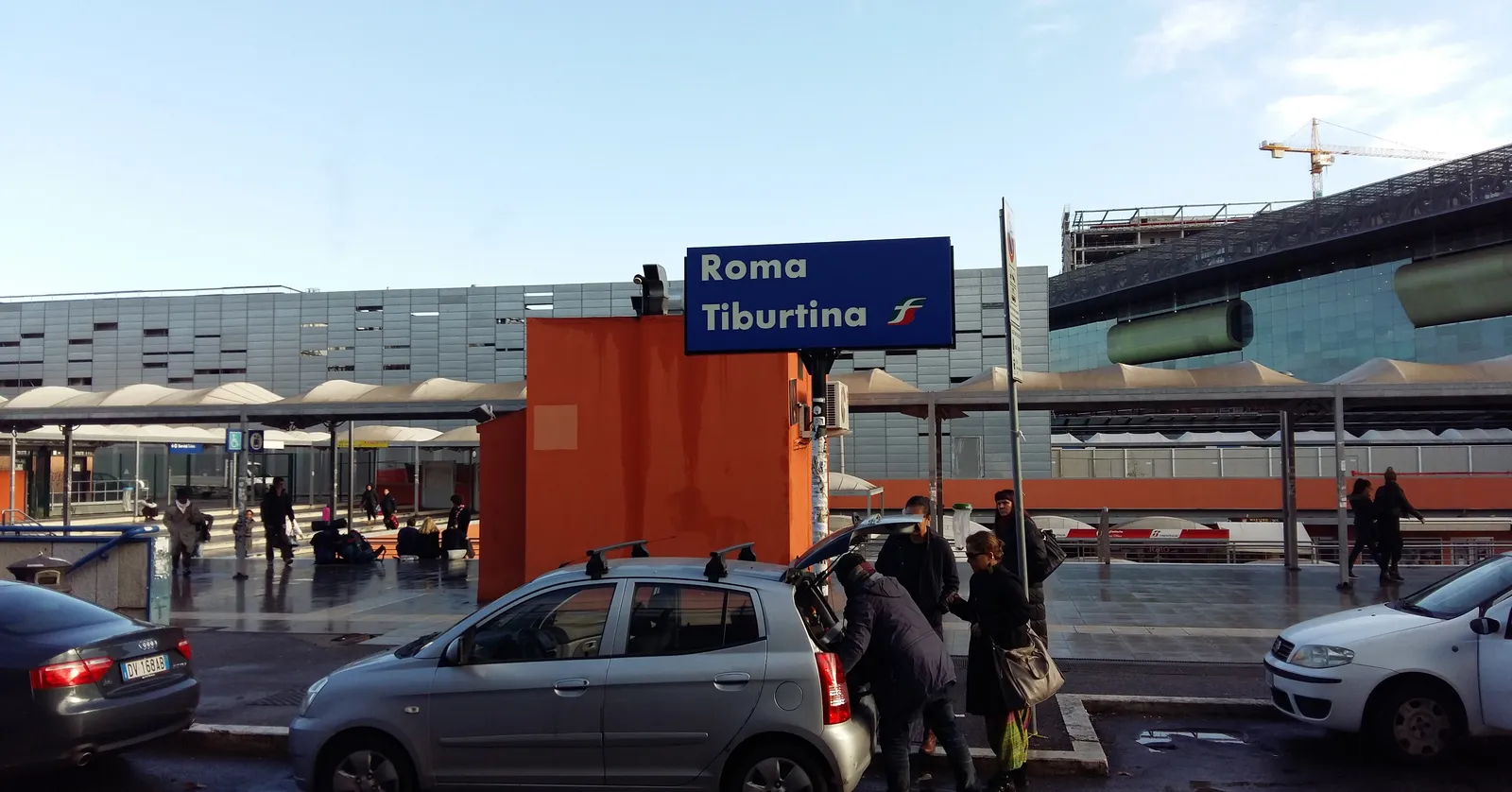
Rome’s Tiburtina station is where Italo’s high-speed trains and most long-distance coaches put you down, out in the north-east of the city rather than at Termini, and the two things worth walking to from it are twenty minutes south and both free: the basilica of San Lorenzo fuori le Mura, and the Campo Verano cemetery beside it.
A 350-metre glass bridge slung over the platforms
The station is worth thirty seconds of attention before you leave it. Tiburtina was rebuilt between 2007 and 2011 to a design by the ABDR studio, and instead of a hall beside the tracks the architects built a glazed gallery straight across them: 350 metres long, 60 wide, hung above twenty platforms. It does a second job as a public bridge, stitching together the Nomentano and Pietralata quarters that the freight lines had kept apart for a century.
That layout is also the one practical thing to know about arriving here. Everything is vertical: up from the platform, along the gallery, down the other side, and the 29 lifts and 52 escalators are spaced along a span longer than three football pitches, so the one you want may not be the one you are standing next to.
San Lorenzo fuori le Mura and the bombs of July 1943
Twenty minutes south down Via Tiburtina, past the university, a plain brick church sits behind a low columned porch. San Lorenzo fuori le Mura is one of Rome’s seven pilgrim churches and one of its stranger buildings: two separate basilicas, one raised by Constantine’s people in the fourth century and one built in the sixth, joined end to end in the thirteenth so that the nave of one runs into the sanctuary of the other.
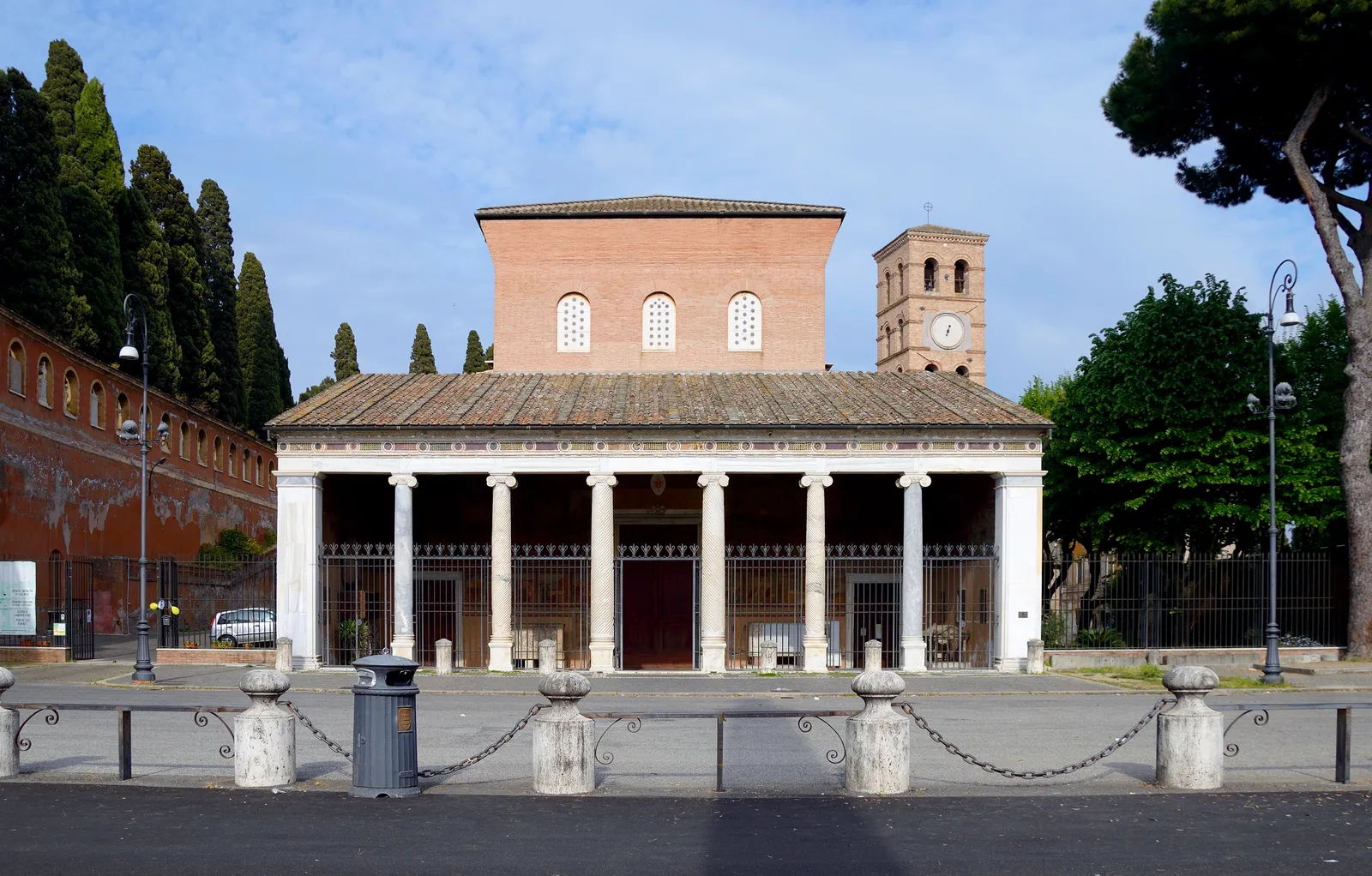
On 19 July 1943 the district around it was the target of the first Allied bombing of Rome. The freight yards were the objective; 717 people in San Lorenzo were killed and about four thousand injured. A bomb landed in the piazza and took the portico off the front of the basilica, another came through the roof and wrecked part of the Cosmatesque floor. Pius XII drove out the same afternoon, knelt in the rubble and stayed two and a half hours, and photographs of him in the ruins with blood on his white cassock became the image the city kept of that day.
The church was rebuilt to its earlier design, which is why the portico looks older than it is. Entry is free. The name means what it says, outside the walls, and being beyond the Aurelian circuit and off every central sightseeing route is the practical reason it stays quiet.
The arcaded tombs of Campo Verano
Campo Verano’s gate stands beside San Lorenzo fuori le Mura. It is Rome’s largest burial ground, around 83 hectares laid out over what was already a Roman necropolis, and Virginio Vespignani gave it the Quadriportico that frames the entrance between 1870 and 1880.
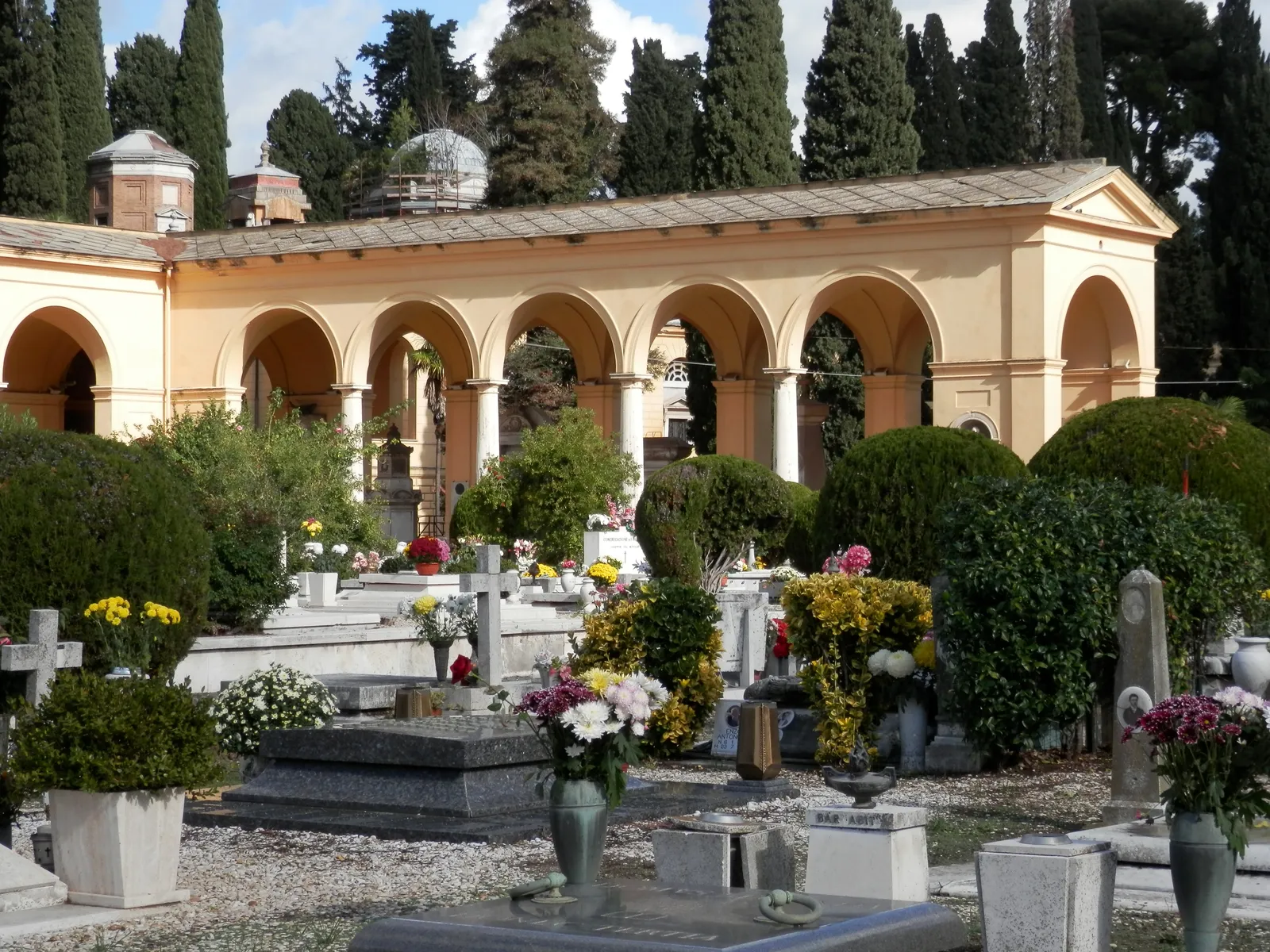
What it actually is, once you are inside, is an open-air museum of Italian funerary sculpture running from neoclassical through to futurist, terraced up the hillside in arcades. Giuseppe Ungaretti is buried here, so are Vittorio De Sica and Alberto Sordi. The detail worth looking for is smaller: Filippo Severati, who worked here in the nineteenth century, painted portraits of the dead in enamel fused onto lava stone, a technique he patented in 1857 so the faces would not fade outdoors. They are still legible on the tombs a century and a half later.
It opens at 7.30am and closes at 6pm from October to March, 7pm from April to September, with last entry an hour before. It is a working cemetery, so the usual restraint applies.
The Aurelian Walls at the edge of the student quarter
Between Campo Verano and the city proper lies the San Lorenzo quarter, a grid of streets built for railway workers in the 1880s, flattened in 1943, rebuilt, and now the quarter around Sapienza university. The ground floors are student bars, pizza by the slice and trattorie charging what Romans pay rather than what the centre charges.
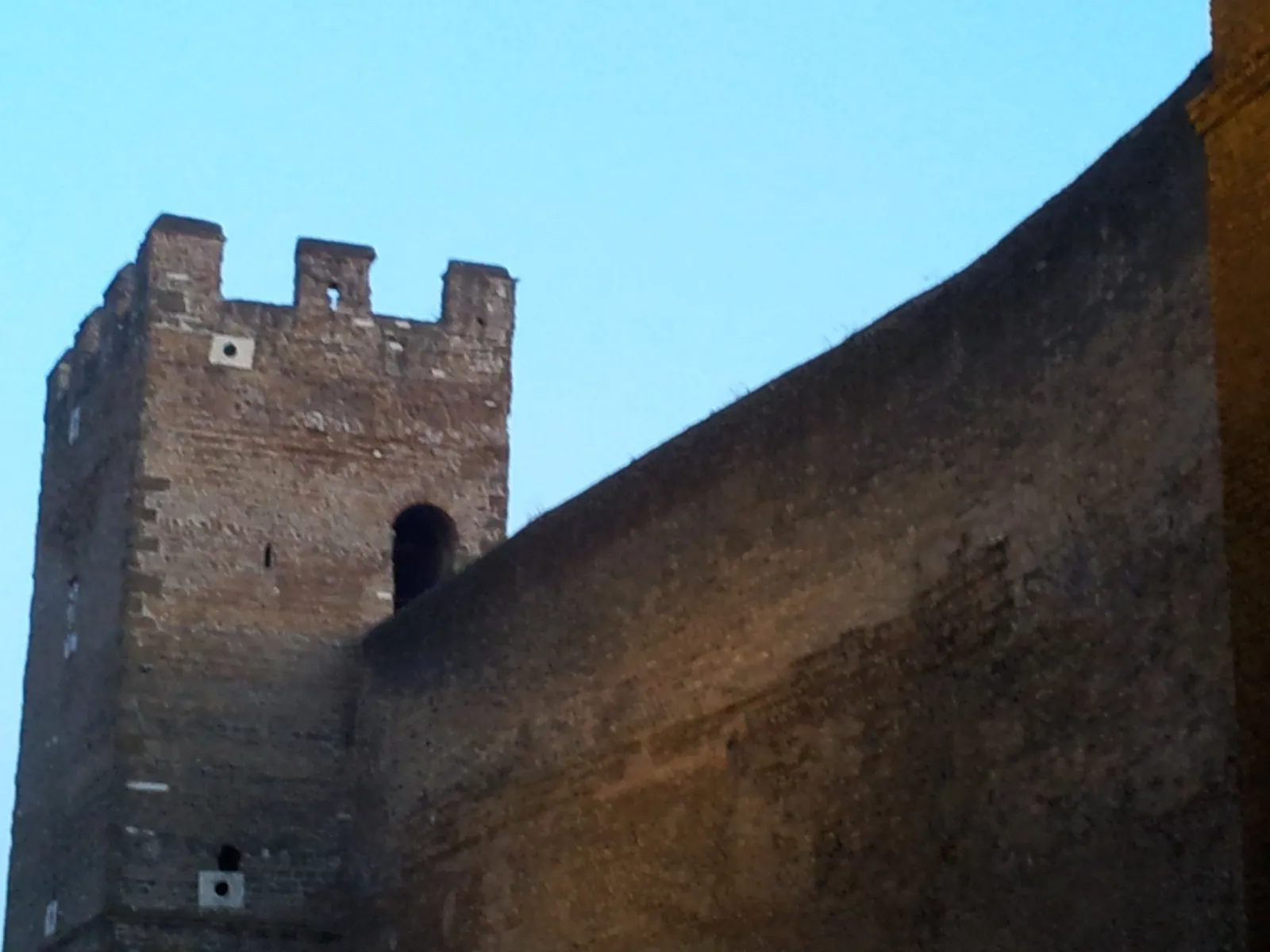
Its western edge is the Aurelian Walls, the third-century brick circuit that still runs for miles around Rome, and along Viale dello Scalo San Lorenzo you can walk beside an unbroken stretch of it with towers at intervals and nothing to pay or queue for.
Metro line B links Tiburtina to Roma Termini in about five minutes if you would rather pick up the airport train there, and if your stop stretches past four hours the walk through the old centre starts from those platforms and takes in the Colosseum, the Pantheon and the Trevi Fountain. But for a stop measured in two or three hours, going into the middle of Rome and back is mostly transit; this corner gives you two free, unqueued places within twenty minutes of the concourse you arrived on.
Frequently asked questions
Which trains and coaches actually use Tiburtina rather than Termini?
Italo runs most of its Rome services through Tiburtina, and Trenitalia sends some Frecciarossa and Frecciargento departures here too, particularly early and late ones. A regional line also calls here on its way between the airport and the northern suburbs. The other big user is road: the long-distance coach station sits alongside, and most international and southern Italian bus routes unload there rather than in the centre. Metro line B connects the whole thing to Termini in about five minutes.
How long does it take to walk from the platforms to the street?
Longer than the map suggests, because the route is vertical. The concourse is a glass bridge slung across the tracks rather than a hall beside them, so every arrival goes up from the platform, along the gallery, and back down on the far side. The station has 29 lifts and 52 escalators, but they sit at fixed points along a 350-metre span, so the walk to the right one can be several minutes on its own. Allow ten minutes from a platform to the taxi rank, not three.
Is there anything here worth seeing on a two-hour stop?
Yes, if you head south. The basilica of San Lorenzo fuori le Mura and the Campo Verano cemetery sit side by side about twenty minutes' walk from the station, or a few minutes on a tram or bus down Via Tiburtina. Both are free, both are open through the day, and neither has a queue. That is a genuinely unusual combination in Rome, and it is the reason to stay in this district rather than ride into the centre and back.
Is San Lorenzo a good place to eat before a flight?
It is a cheap one. San Lorenzo grew up as a workers' quarter next to the freight yards and is now the district around Sapienza university, which means the ground floors are student bars, pizzerie al taglio and cheap trattorie rather than tourist menus. Prices run noticeably below the centre for the same food. It is quiet through the middle of the day and busy from early evening, so a lunchtime stop and an eight o'clock stop are two different places.