Rome Layover Near Trastevere Station
Part of the full Rome Layover: Colosseum and Pantheon From FCO
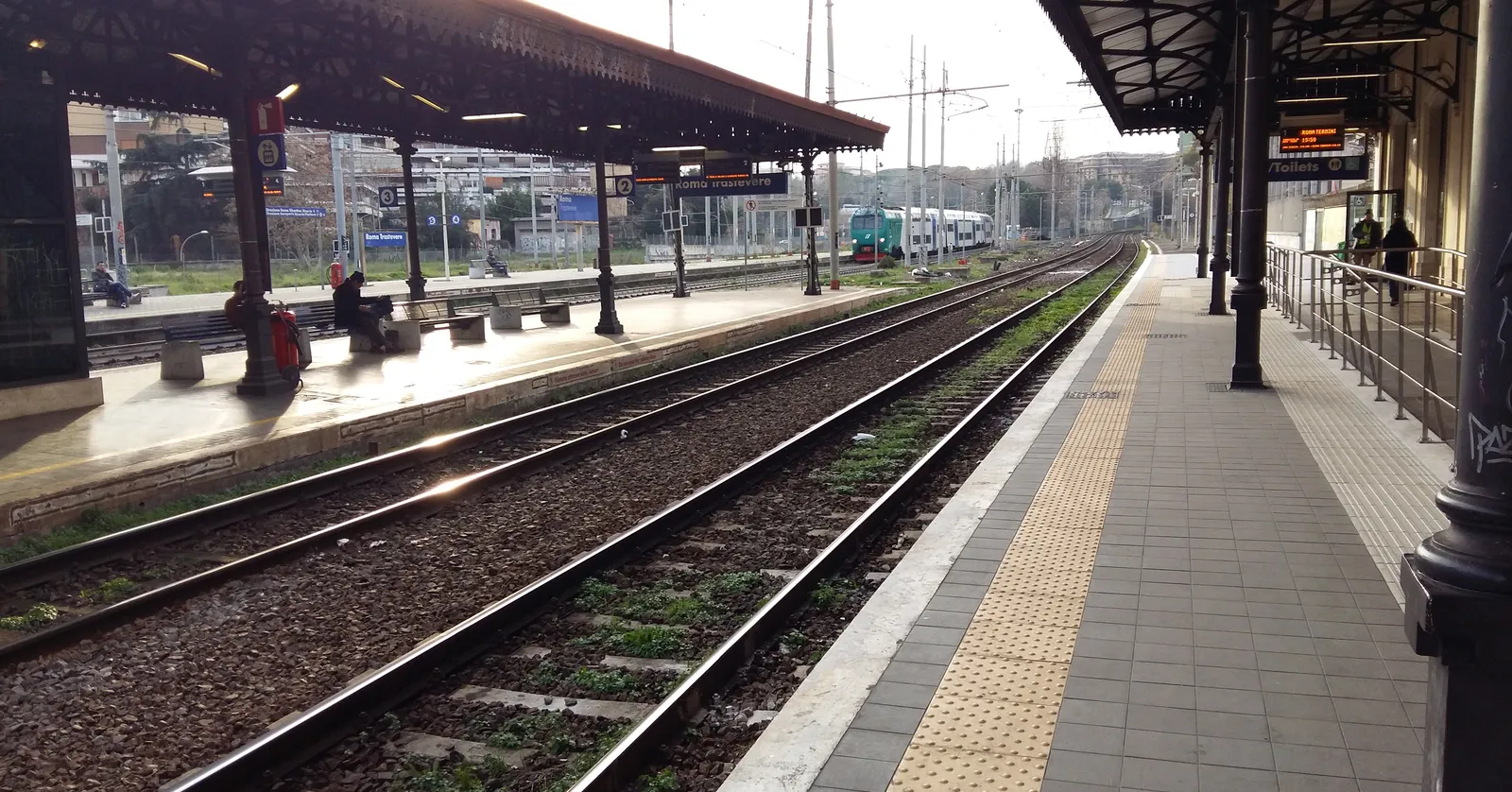
Rome’s Trastevere station puts a traveler down on the west bank of the Tiber, and tram 8 runs from outside it up Viale Trastevere to the district itself: a gold-mosaic basilica that costs nothing to enter, a Renaissance villa full of Raphael frescoes, and a hill above it all where a cannon goes off at noon.
The gold facade mosaic at Santa Maria in Trastevere
Piazza di Santa Maria in Trastevere is the district’s centre of gravity, and the thing to look at is on the outside of the church before you go in. A band of twelfth-century mosaic runs the width of the facade: the Virgin enthroned and nursing, with ten women in procession on either side, each carrying a lamp. Nobody has settled what they represent.
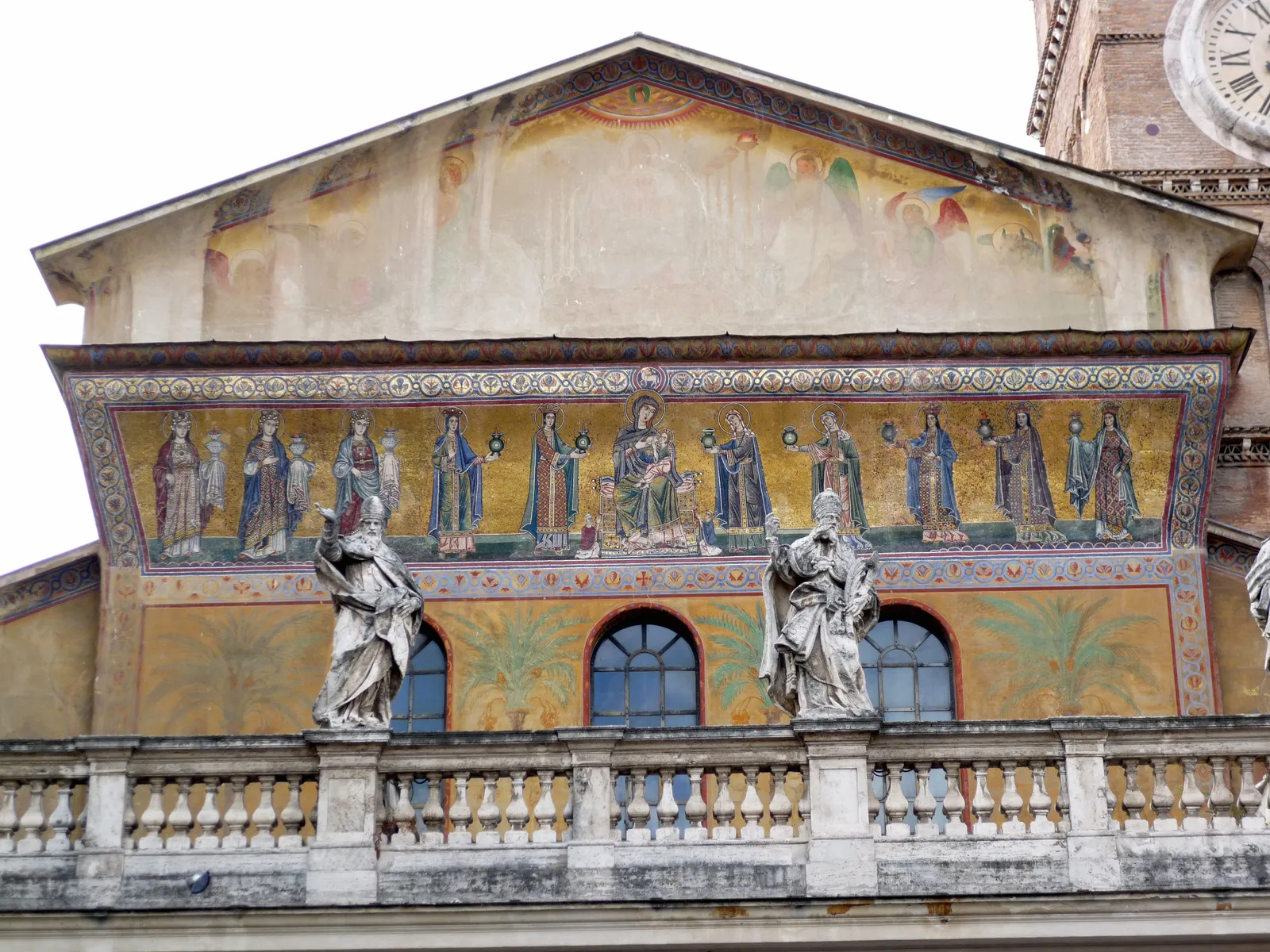
Inside, the apse carries more of the same work, and beneath it a strip of six panels by Pietro Cavallini from around 1291 telling the life of the Virgin. Those are the ones people miss, because they sit low on the wall and you have to walk right up to the altar to see them at all. The twenty-two granite columns down the nave were taken from Roman buildings, which is why no two capitals match.
It costs nothing and it opens at 7.30am, running through to the evening, with a shorter split schedule in August.
The cannon fired from the Janiculum at noon
Above Trastevere the ground rises to the Janiculum, and the terrace below the Garibaldi monument gives you the whole city laid out east: the Tiber bends, the domes, the Alban hills behind. It is free, it is open at all hours, and it is the one panorama of Rome that costs nothing and needs no queue.
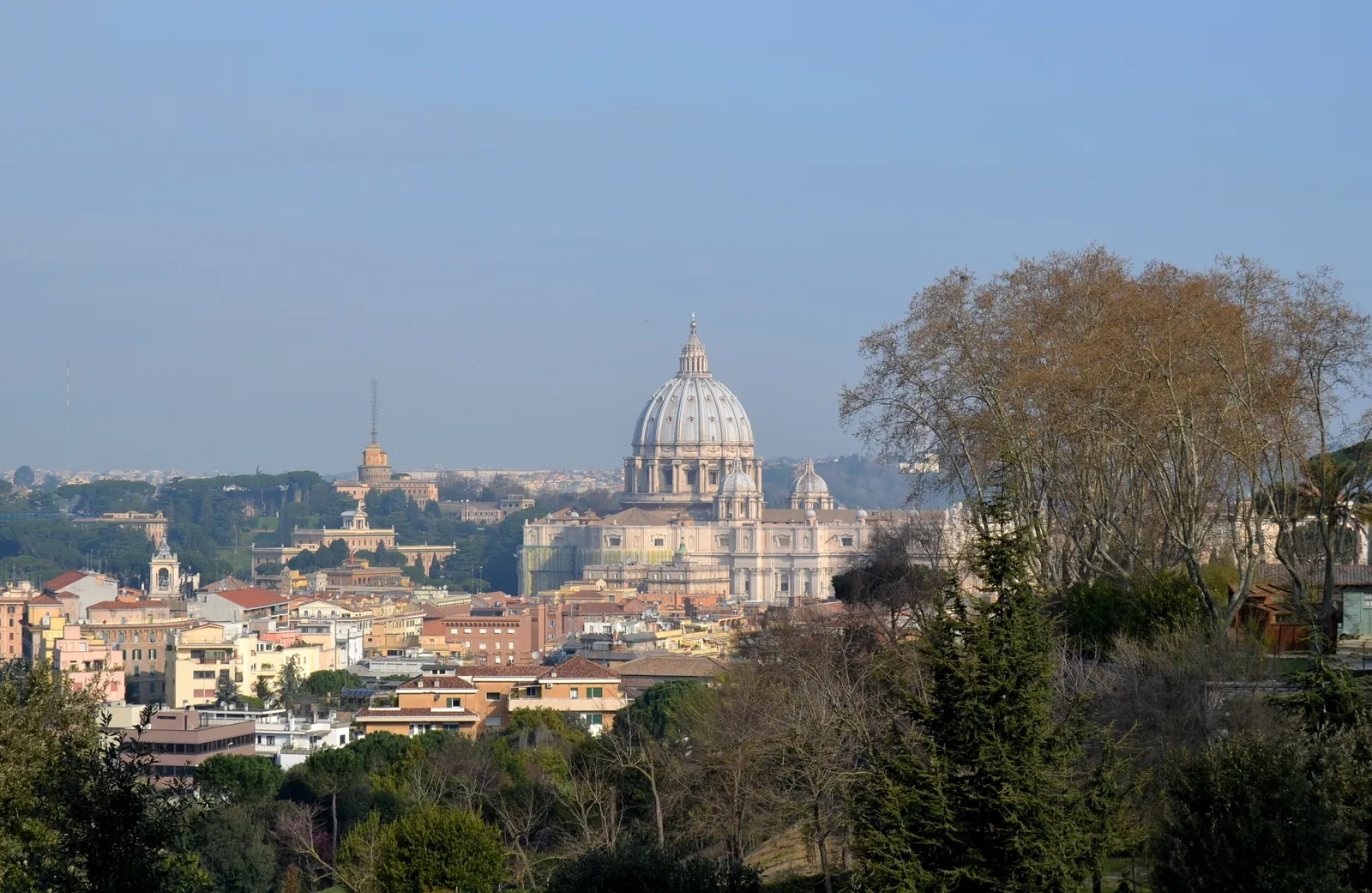
At midday, every day, a ceremonial cannon is fired from just below the monument. Pius IX started it in 1847 so that Rome’s churches would ring their bells off one signal instead of guessing; it was fired from Castel Sant’Angelo at first, moved about, and has been on this hill since 24 January 1904. A small crowd gathers a few minutes before twelve and disperses immediately afterwards.
Getting up there is the only strenuous part of this. Trastevere is paved end to end in sampietrini, the small squared basalt setts Rome has used since the sixteenth century, and its lanes drain down a camber in the middle instead of to a kerb, which is hard going for anything on wheels before you even reach the hill.
Raphael’s Galatea at Villa Farnesina
On Via della Lungara by the river, a low Renaissance villa sits behind a garden. Agostino Chigi, the banker who financed two popes, had it built between 1506 and 1512 and then hired the best painters in Rome to cover the inside.
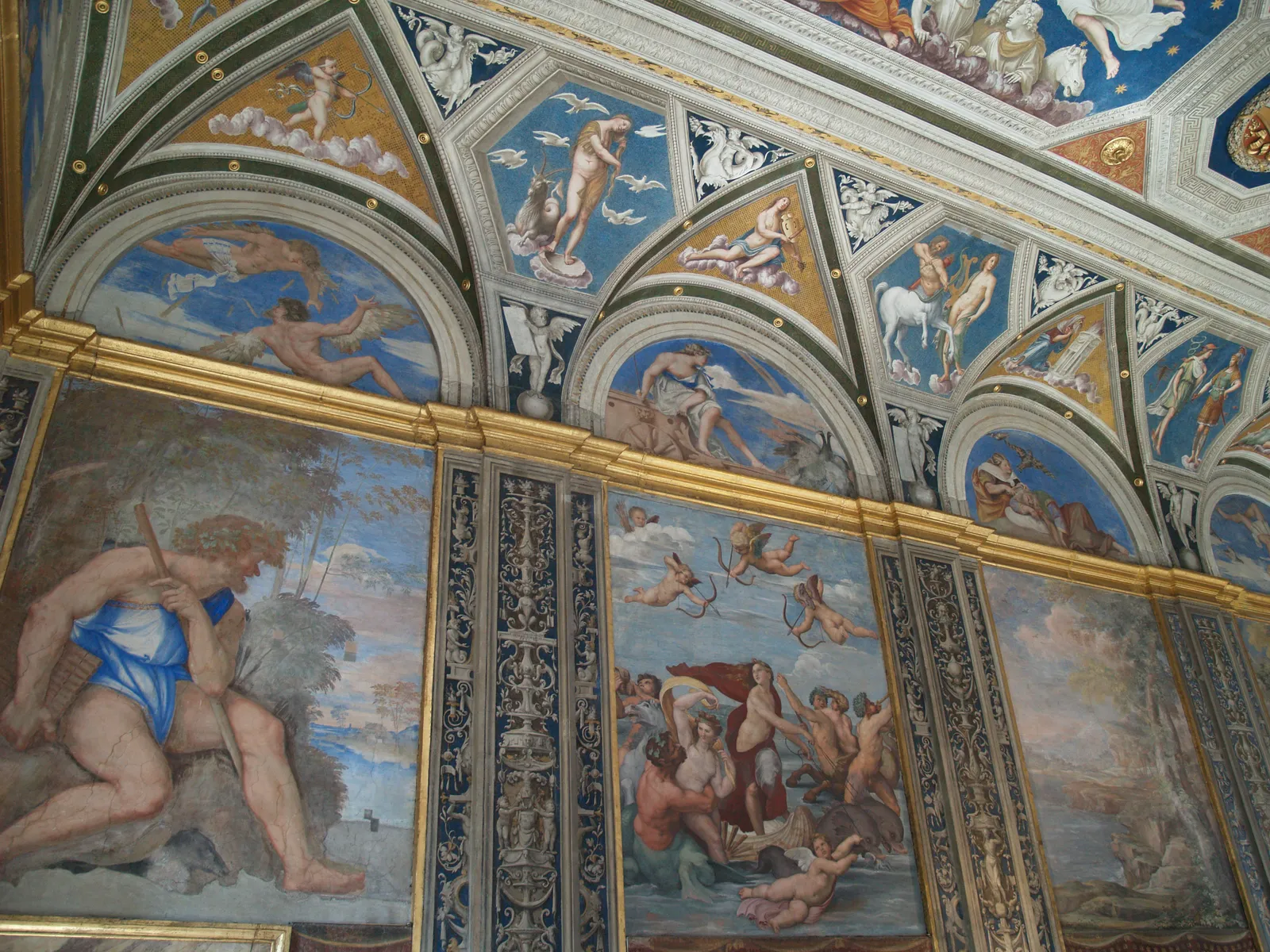
Raphael’s Triumph of Galatea is on the ground floor, the nymph standing on a shell drawn by dolphins, and Baldassare Peruzzi’s ceiling above it maps Chigi’s own horoscope in constellations. Upstairs, Peruzzi painted the Hall of Perspectives so that the walls appear to open onto a colonnade with views of Rome beyond, which is worth standing in the middle of the room for.
Entry is 12 euros. The catch is the clock: it opens Tuesday to Saturday from 9am and shuts at 2pm, last admission 1pm, with a limited opening on the second Sunday of each month. An afternoon stop will find the doors closed.
Piazza di Santa Maria in Trastevere after dark
Trastevere’s reputation is an evening one, and it is earned rather than invented: the lanes are too narrow for cars, the ground floors are almost all bars and trattorie, and the steps around the fountain in the main square fill up with people who have brought their own drinks and no plans.
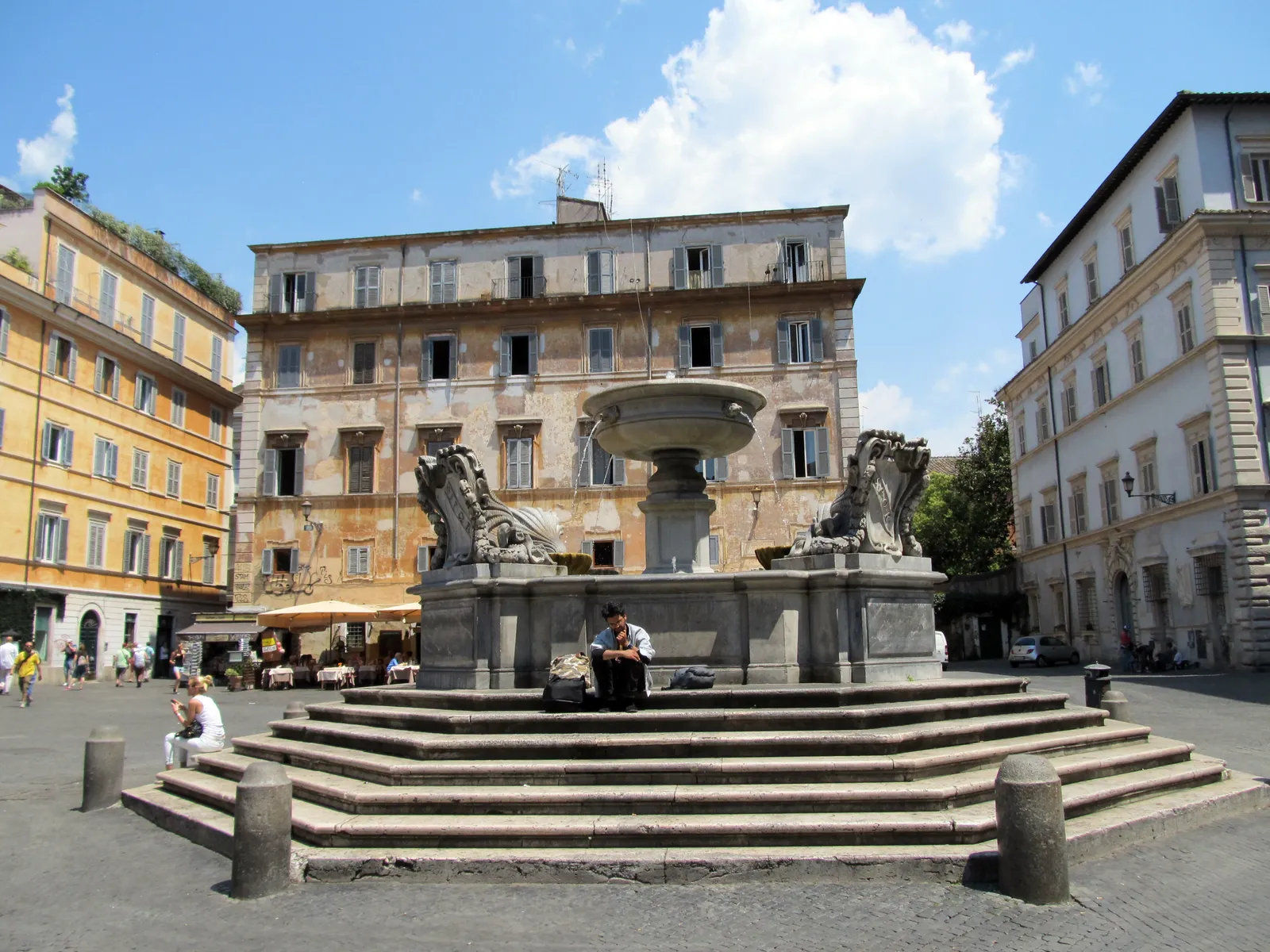
That fountain is thought to be one of the oldest in Rome, rebuilt repeatedly on a much older base, with Bernini among the architects who had a go at it. If you have a long stop and want the eating to be organised for you rather than guessed at, a guided food walk through these streets can be booked through a tours and activities platform, though they run two to three hours and want a firm start time, so they suit a five-hour stop rather than a three-hour one.
Piazza Flavio Biondo is two kilometres from the lanes
The station is at the southern end of the district on Piazza Flavio Biondo, which is a working corner of Rome rather than a scenic one, and everything above is roughly two kilometres north of it. Tram 8 closes that gap in a few minutes and runs frequently; the walk takes about half an hour and shows you nothing.
Coming back for a Fiumicino flight, the FL1 leaves from these platforms and reaches the airport in about 26 minutes, which makes this one of the shorter tails in the city, and it is the reason to start here rather than at Roma Termini if your inbound train allows it. If you would rather spend the time on the other bank among the ancient monuments, the walk through the old centre covers the Colosseum, the Pantheon and the Trevi Fountain instead, and none of it is on this side of the river.
Frequently asked questions
Is Trastevere station actually in Trastevere?
Not quite. Roma Trastevere sits on Piazza Flavio Biondo at the southern edge of the district, where it runs into the Portuense and Marconi quarters, so the lanes and the piazza everyone means by the name are about two kilometres further north. Trams 3 and 8 both stop outside the station; the 8 runs the length of Viale Trastevere and the Belli stop at its northern end drops you at the Tiber, in the middle of everything. Walking it takes roughly half an hour and passes very little worth stopping for.
Why is a cannon going off at midday?
It is deliberate, it happens every day, and it has since 1904. A ceremonial round is fired from the Janiculum just below the Garibaldi monument at exactly noon, a habit Pius IX started in 1847 so Rome's church bells would have something to set their clocks by. It was fired from Castel Sant'Angelo first and moved around before settling on this hill. There is no ticket and no seating: people drift up to the terrace a few minutes before and drift off again after.
How much of this is walkable on flat ground?
The district is flat; the Janiculum is not. Trastevere's lanes sit on the river plain and the walk between the piazza and Villa Farnesina barely rises, but the climb from Piazza Trilussa up to the Janiculum terrace is a genuine hill and much of it is stepped. The gentler way up is the road, Via Garibaldi, which switchbacks and takes about twenty minutes on foot; bus 115 runs up from Trastevere if you would rather not. The terrace itself is level once you are on it.
Does Villa Farnesina fit an afternoon stop?
Usually not. It closes at 2pm, with last admission at 1pm, and opens Tuesday to Saturday only, apart from a limited opening on the second Sunday of each month. That makes it a morning proposition or nothing, which is worth knowing before you build a few free hours around it. Entry is 12 euros. If your train gets in after lunch, the basilica and the Janiculum are the parts of this that are still open.