Parc de la Tête d'Or Layover: Lyon's Free Zoo
Part of the full Lyon Layover: Vieux Lyon, Fourvière From LYS
Parc de la Tête d’Or is a hundred hectares of public park on the northeast edge of central Lyon, and the zoo inside it, the botanical glasshouses and the rose garden are all free to walk into.
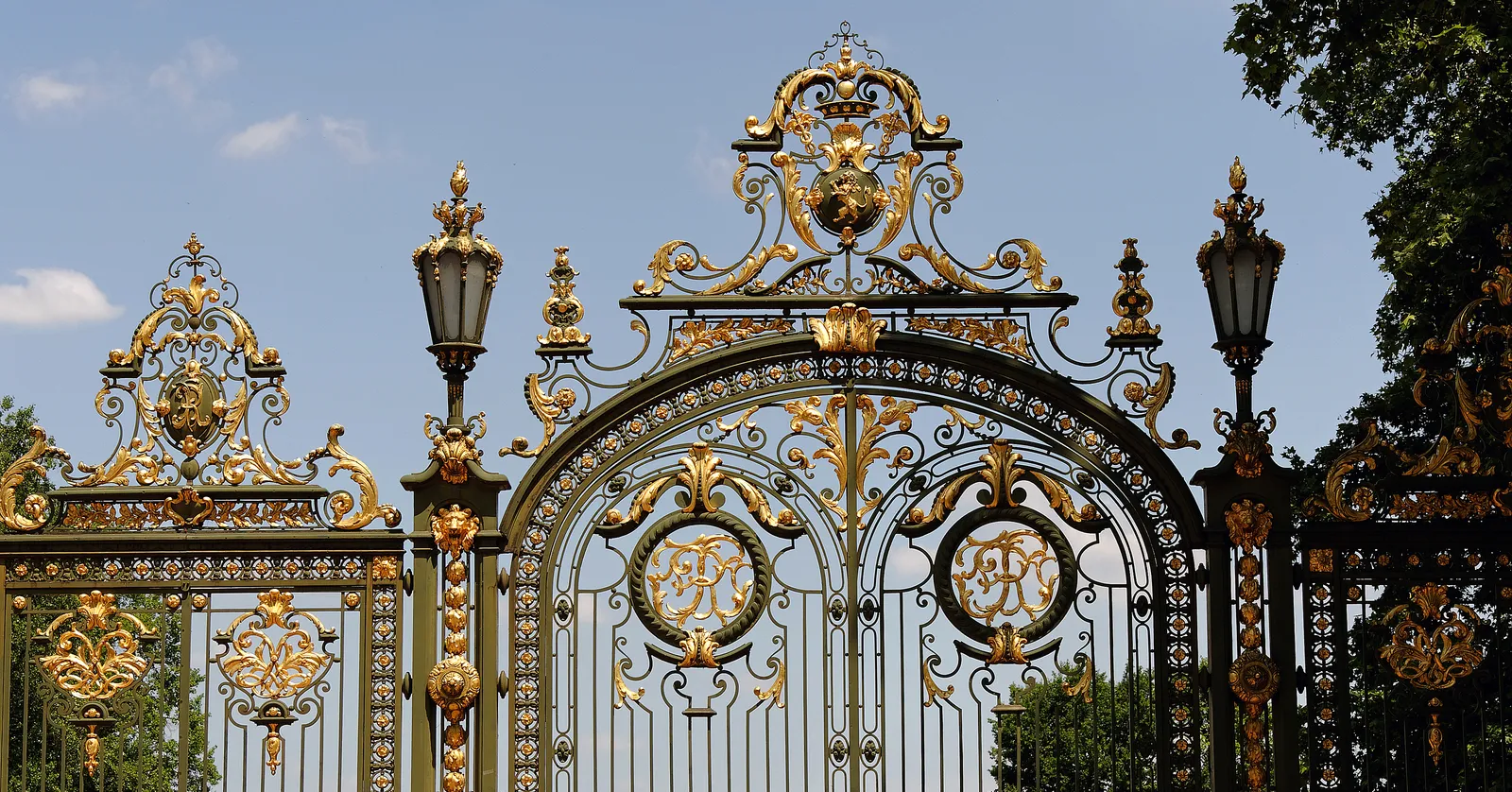
The Porte des Enfants du Rhône, the park’s gilded main gate
The gate on Boulevard des Belges went up in 1901 and is worth two minutes before you walk through it: a screen of wrought iron with the scrollwork, crests and finials picked out in gold leaf, flanked by lanterns, at a scale that makes clear this was meant as a civic statement rather than a garden entrance.
The park behind it opened in 1857, laid out over five years by the Swiss landscape designers Denis and Eugène Bühler on flat ground beside a bend in the Rhône. There is no admission charge to the park or to any of the collections inside it, which is worth knowing before you plan around a ticket you do not need.
A sixteen-hectare lake with two wooded islands
The lake fills the middle of the park and takes up sixteen hectares on its own, with the Île des Tamaris and the Île du Souvenir wooded in its northern half. Rowing boats go out from a pier on the south bank through the summer, which is the one thing here you pay for.
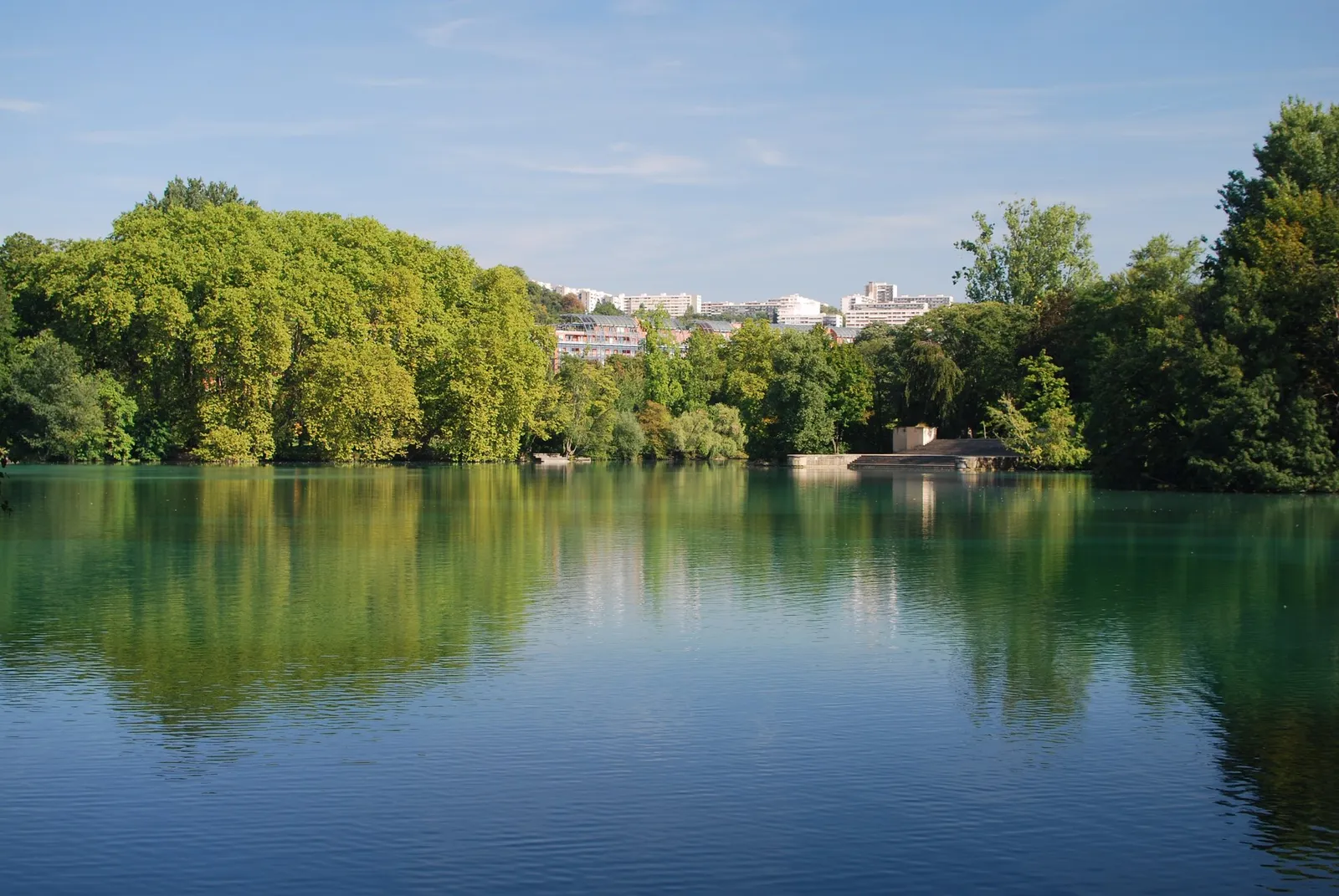
Walking the water’s edge is the natural circuit, and it is what most people here are doing: this is a working city park with runners and prams on it, not a set piece. The whole park is about a kilometre corner to corner, so coming in one gate and leaving by another is twenty minutes of walking before you stop for anything, and none of the collections inside will take a bag off your hands.
Giraffes and zebras on the zoo’s open savanna plain
The zoo occupies roughly six hectares in the northern half of the park and holds several hundred animals. The part that changed it was the African plain, opened in 2006: an open savanna enclosure where giraffes, zebras and antelope share ground rather than standing in separate pens, with wetland birds and crocodiles alongside.
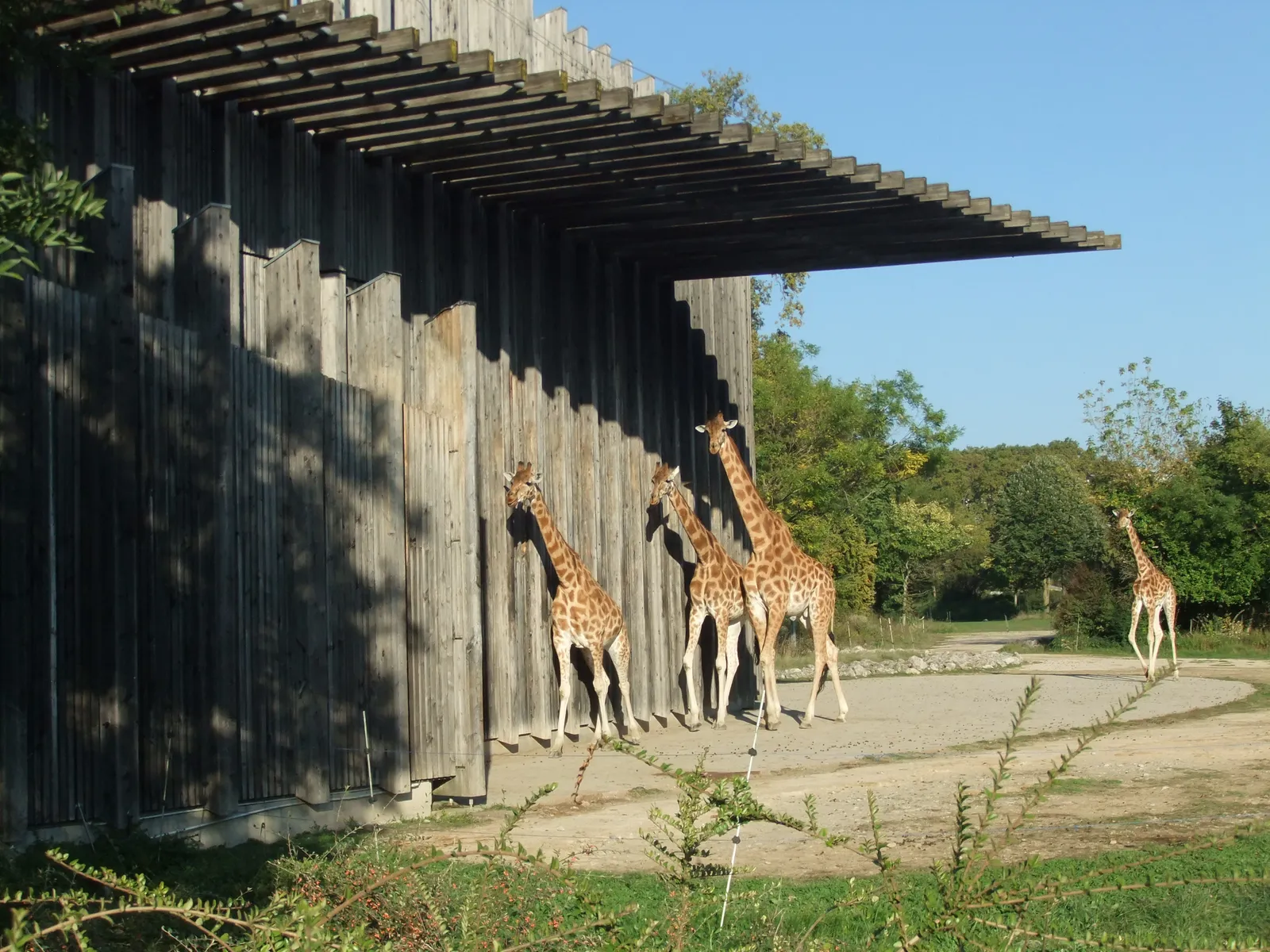
An Asian forest section of around 7,000 square metres followed in 2021. It closes earlier than the park does, so a late-afternoon arrival will find the gates to the enclosures shut while the paths outside are still open for hours.
Thirty thousand rose bushes and the botanical glasshouses
The Roseraie Internationale on the eastern side of the park runs to 30,000 rose bushes across some 350 varieties, and it doubles as a judging ground: new roses are grown here to be assessed, so what is planted changes from year to year rather than staying fixed.
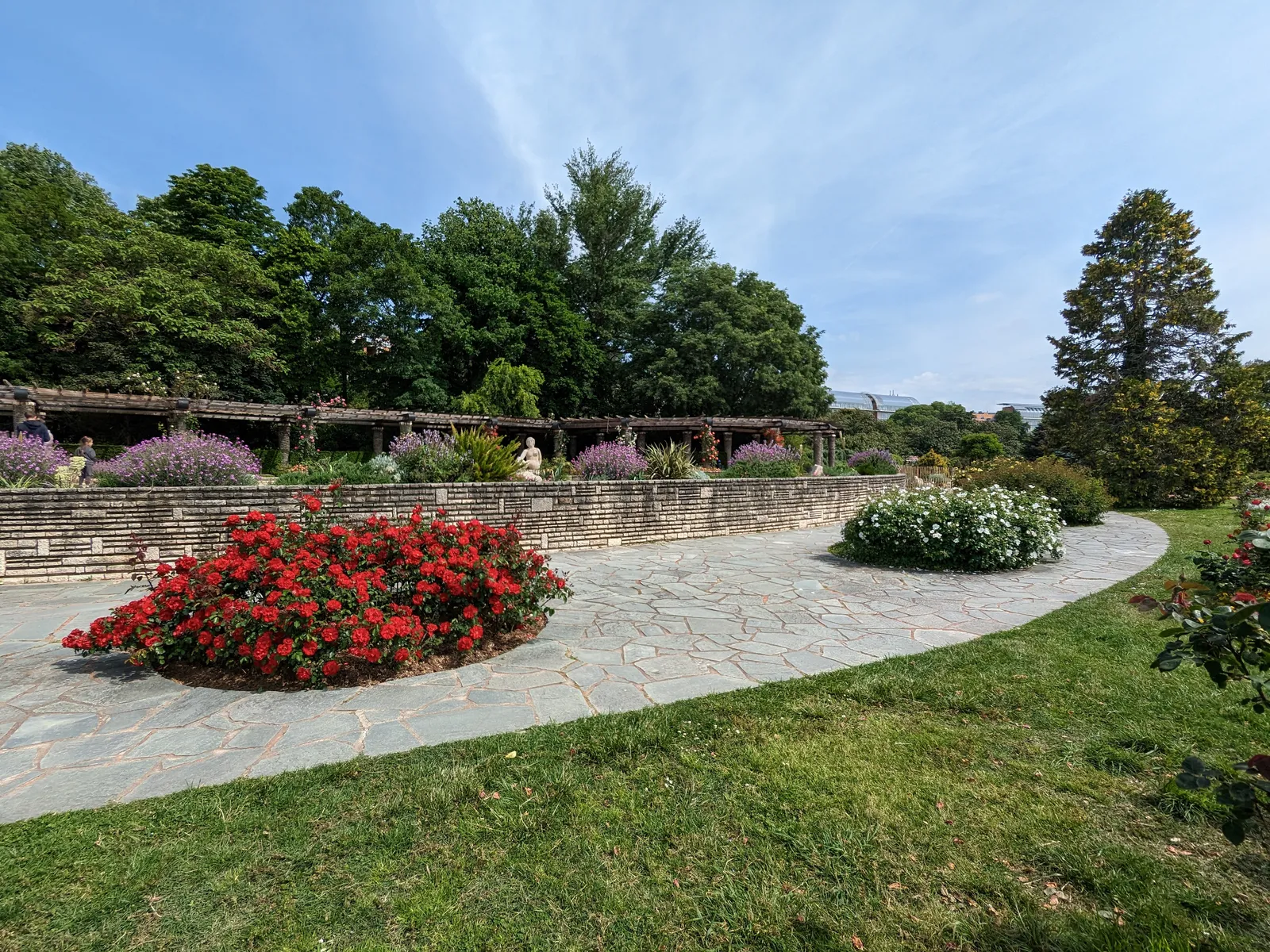
Next to it, the botanical garden covers seven hectares and holds around 20,000 plant species across its beds and hothouses.
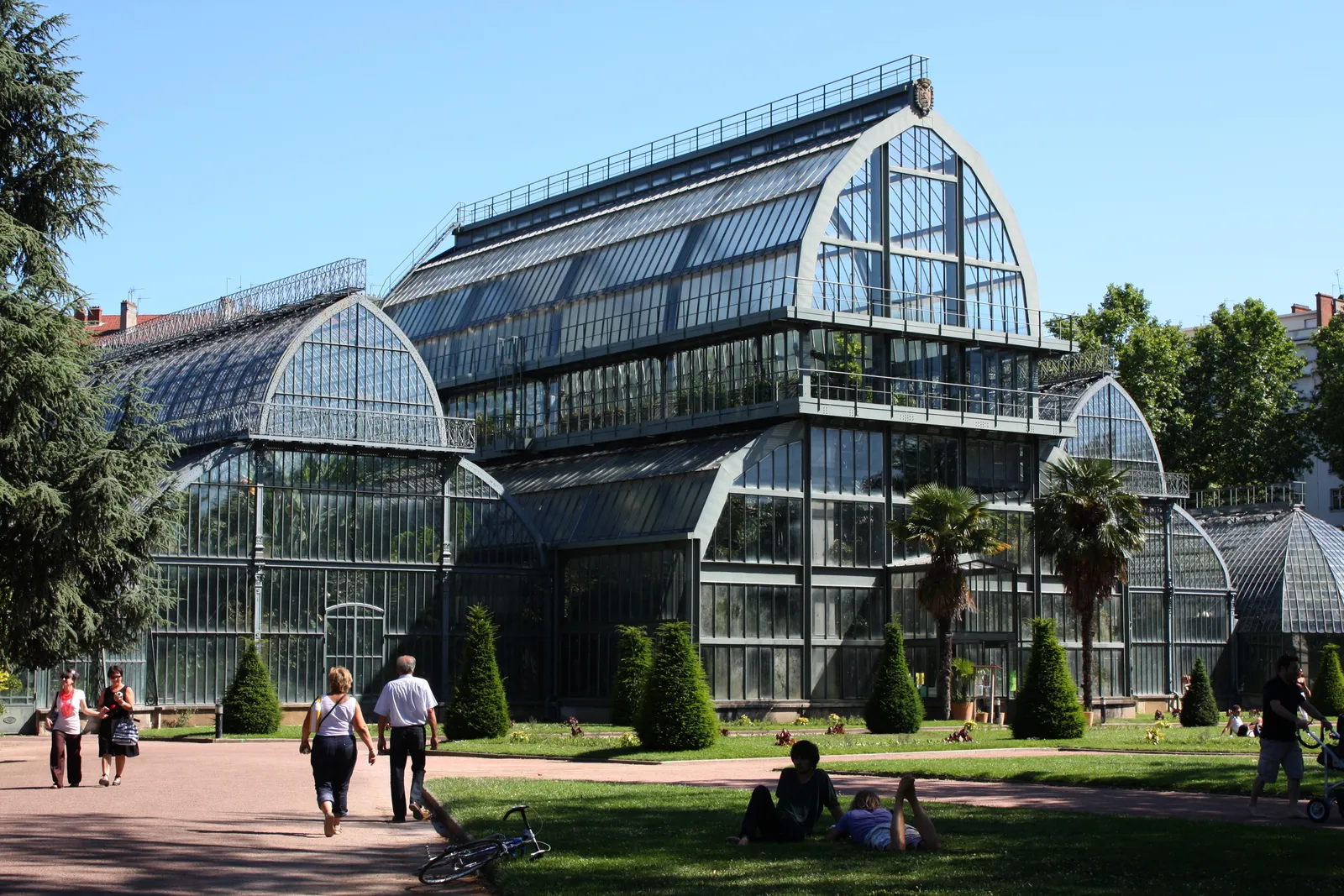
The glasshouses are the reason to come in bad weather. They are 19th-century iron and glass, tall enough for full-grown palms, and warm inside, which on a wet or cold day is the difference between a park visit and a walk in the rain. Like the zoo, they keep shorter hours than the park.
The park gates close before the last airport tram
The last airport tram of the day leaves Part-Dieu around midnight, and the park shuts at 10.30pm from mid-April to mid-October and 8.30pm through the winter, with entry stopped a quarter of an hour before either. On a late flight, in other words, the thing that ends your afternoon here is the gate, not the timetable, which is the opposite of how most of Lyon works.
Rhônexpress leaves from Part-Dieu, about fifteen minutes from the park’s southern gates by metro plus the walk at each end, and runs the 30 minutes out to Lyon-Saint Exupéry Airport every 15 minutes through the day, every 30 minutes before 6am and after 9pm, at 16 euros online or 17.10 from the machine.
Allow an hour and three quarters from inside the park to your gate, and add the walk out on top: if you came in at Boulevard des Belges and ended up at the far end by the glasshouses, getting back to a metro station is a real twenty minutes on its own.
The ground here is flat from one gate to the other, there is nothing to buy a ticket for and nothing to queue at, and there is enough of it that an afternoon disappears into the park without any planning at all.
Frequently asked questions
Does the zoo at Parc de la Tête d'Or charge admission?
No, and neither does the botanical garden or the rose garden. The zoo covers about six hectares inside the park with several hundred animals, including a savanna enclosure opened in 2006 for giraffes, zebras and antelope, and an Asian forest section added in 2021. Everything in the park is free; the only thing you pay for is a rowing boat on the lake in summer, and food.
What time does the park close?
It depends on the season. From 15 April to 14 October the gates are open 6.30am to 10.30pm, and from 15 October to 14 April they close at 8.30pm, with entry stopped a quarter of an hour before either. The zoo and the glasshouses keep shorter hours than the park itself and shut well before the gates do, so an evening visit gets you the lake and the paths rather than the animals.
How far is it to walk across the park?
About a kilometre corner to corner, so entering by one gate and leaving by another is a twenty-minute walk before you have stopped to look at anything. The ground is flat throughout and the main routes are surfaced and wide, which makes it one of the easier places in Lyon for anyone who does not want steps, but the distances are real and there is no transport inside the perimeter.
Is a park a reasonable way to spend a few hours in Lyon?
It is if the alternative would be rushing. The Renaissance quarter and the hill above it is the trip that shows you the city, and it needs five hours or more to do without hurrying. This is the version for a shorter window, for a hot afternoon, or for anyone travelling with children who would rather see giraffes than a basilica.