San Jose Layover: Alajuela, the Town at SJO
Part of the full San Jose Layover: The National Theatre, SJO
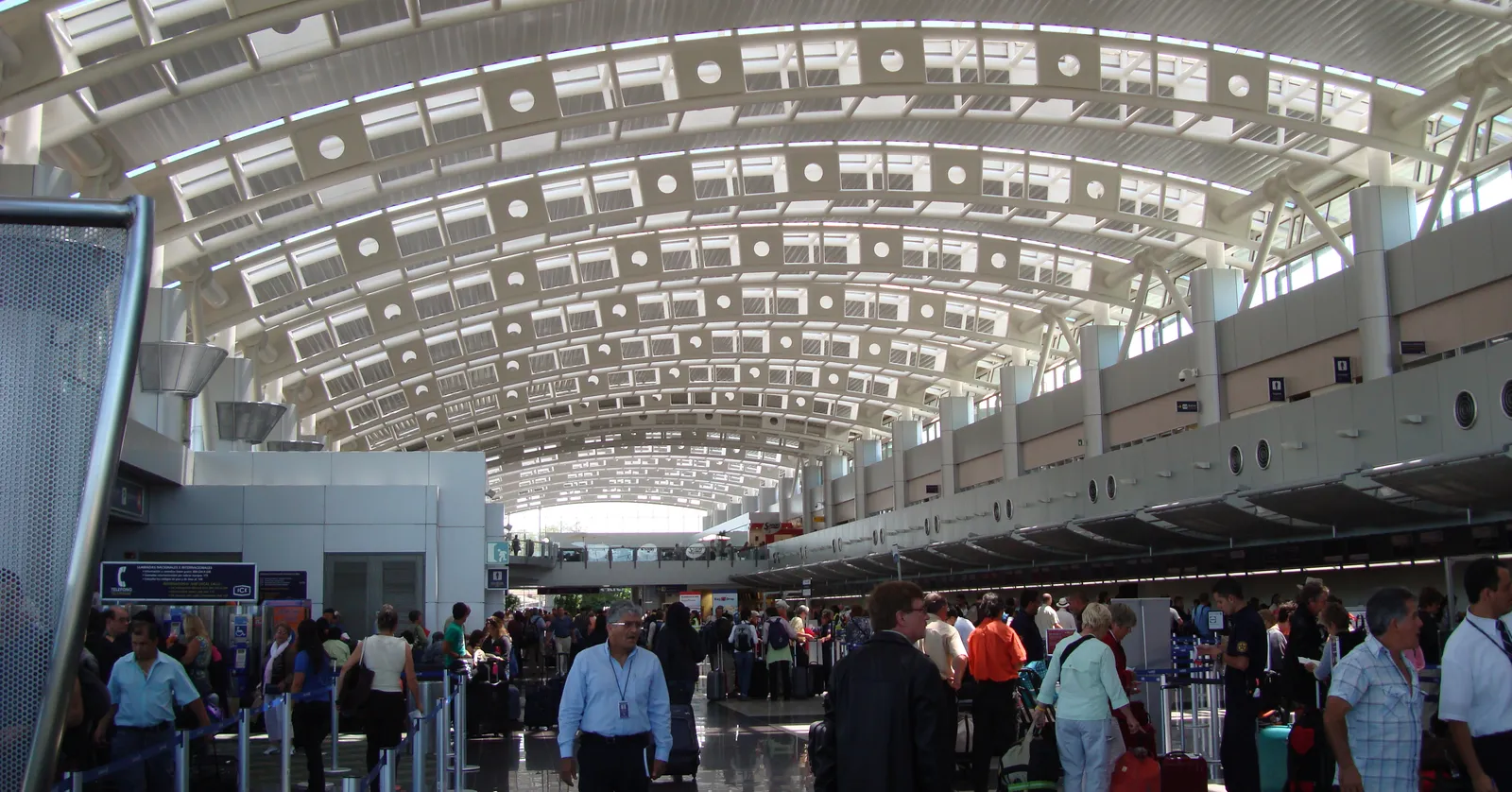
Three kilometres north of Juan Santamaría International Airport, the terminal that serves San Jose, Alajuela’s central square holds a free museum in an 1874 arms barracks, a cast-iron fountain shipped from Glasgow and a cathedral with a deep red dome.
The 1874 arms barracks that became the Juan Santamaría museum
Juan Santamaría was a drummer from Alajuela who volunteered, at the second battle of Rivas on 11 April 1856, to run at a building held by William Walker’s filibusters carrying a torch. He set it alight and was shot doing it, at 24. Costa Rica made the date a national holiday, put a hand gripping a torch on its coat of arms in 1908, and named the international airport three kilometres south of Alajuela after him.
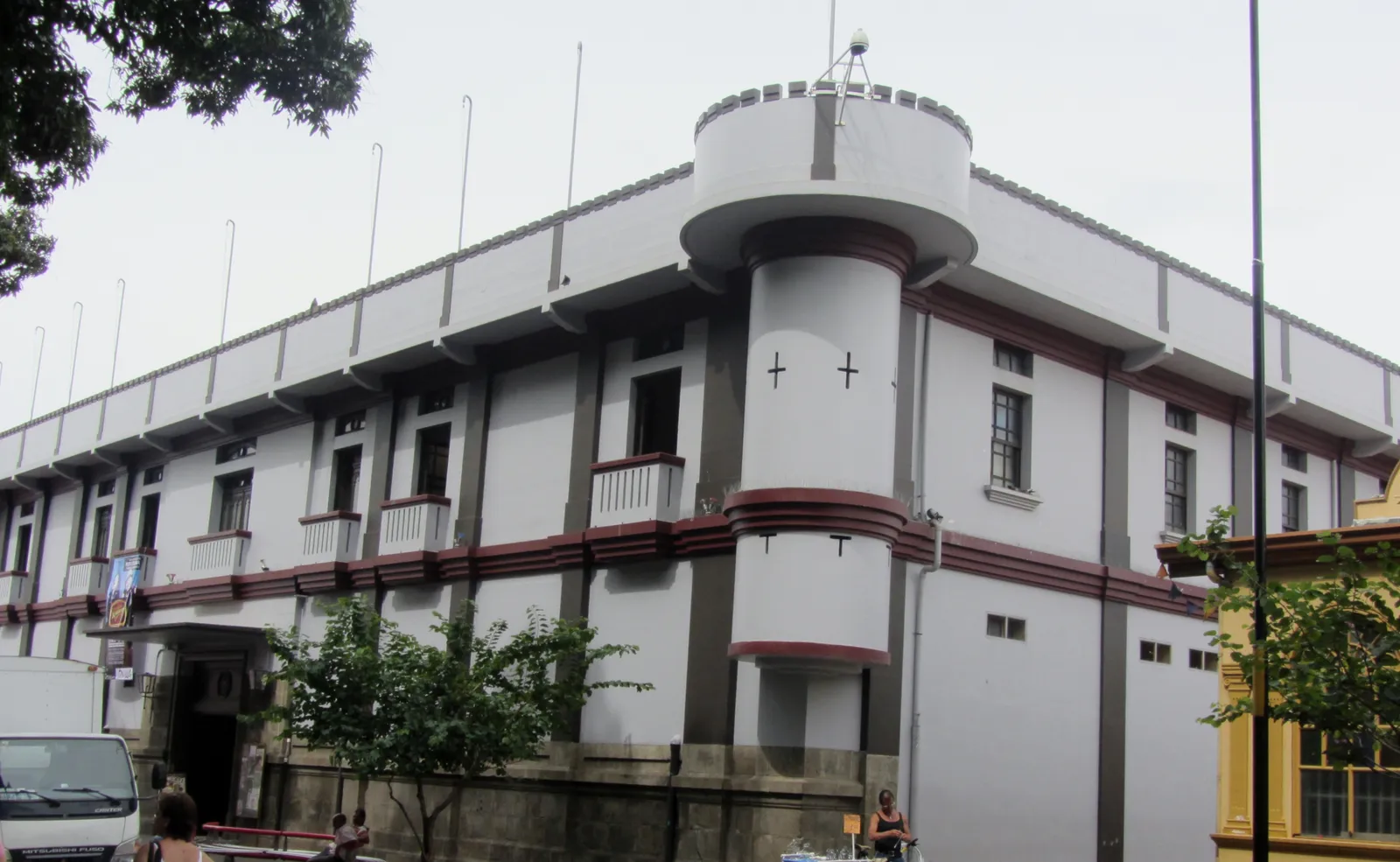
The museum built around his story took over the town’s old arms barracks and jail, put up in 1874, on the north side of the central park. Admission costs nothing for anyone: you give your name at the door, sign a ticket and walk in. The permanent rooms cover the making of the Costa Rican state from independence in 1821 through the Filibuster War of 1856 and 1857, which is the stretch of history the rest of this square keeps referring back to. Tuesday to Sunday, nine to five, closed Mondays.
Mango trees and a Glasgow fountain on Alajuela’s central park
Alajuela’s central park is officially Parque General Tomás Guardia. Nobody uses that name; it is the park of the mangos, after the trees planted across it around the turn of the twentieth century, and they are the reason the town gets called the city of mangos at all. On a hot afternoon the shade under them is the point of the place.
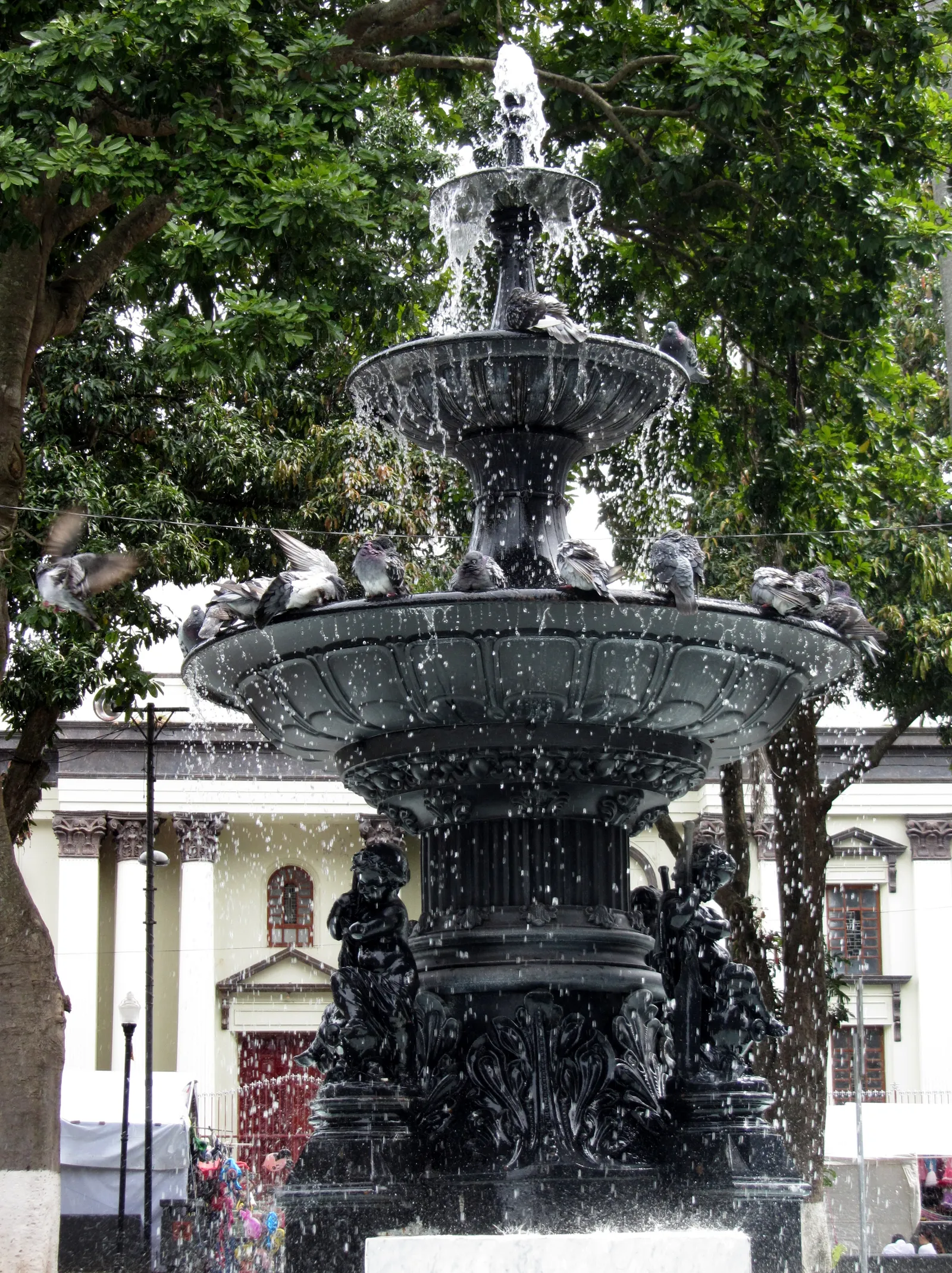
The three-tier cast-iron fountain in the middle came off an English frigate, the Herradura, at Puntarenas on 14 March 1880, in the same delivery as the last of the pipes for Alajuela’s new water system. Its pedestal carries R. Laidlaw & Son’s nameplate, but the Scottish Ironwork Foundation matched the pattern to a different Glasgow foundry, George Smith & Co., which Laidlaw had subcontracted the ornamental work to, so the plaque on it credits the wrong company. Two smaller fountains came in the same shipment and went to the Agonía and cemetery plazas. The terminal has no left-luggage counter and no lockers of its own, so a suitcase either does this walk with you or stays with the airline.
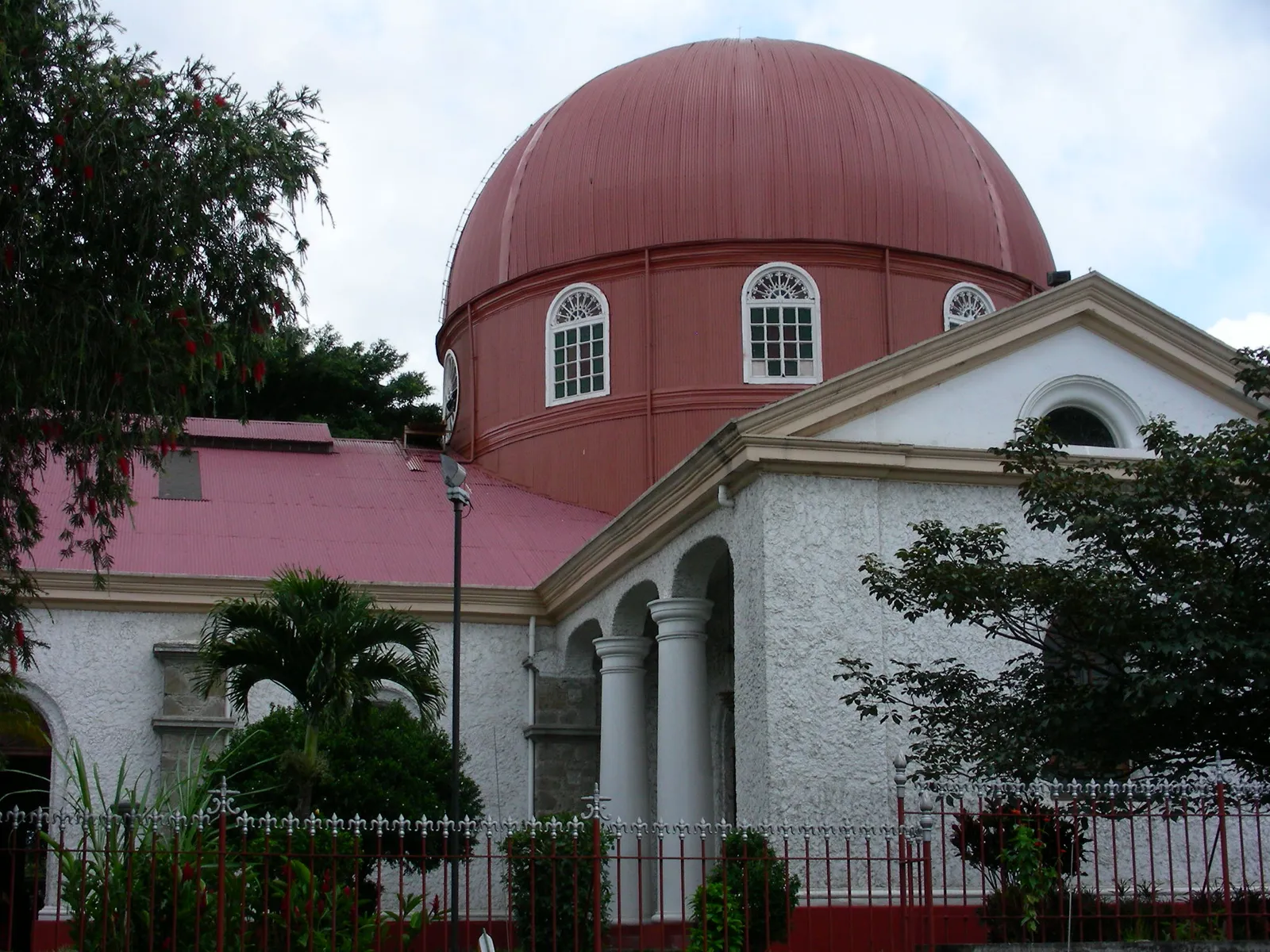
The red dome on Alajuela’s cathedral
Our Lady of the Pillar fills the east side of the central park, and the dome behind its portico is painted a deep terracotta that carries from several streets away. A chapel stood here from 1782; Gustavo Casallini’s replacement was begun in 1854, stopped by war, and not consecrated until 1863, then heavily remodelled between 1946 and 1967. The front is four Corinthian columns and very little else, which leaves the dome doing all the work.
The 1891 monument to Juan Santamaría
Parque Juan Santamaría is a paved square with cannons set out across it, and the figure in the middle is Santamaría himself in bronze, mid-stride, torch up in one hand and rifle in the other, on a tall stone pedestal. The French sculptor Aristide Croisy made it and it was unveiled on 15 September 1891, thirty-five years after Rivas. The reliefs around the pedestal show the two moments the story turns on: volunteering, and being hit.
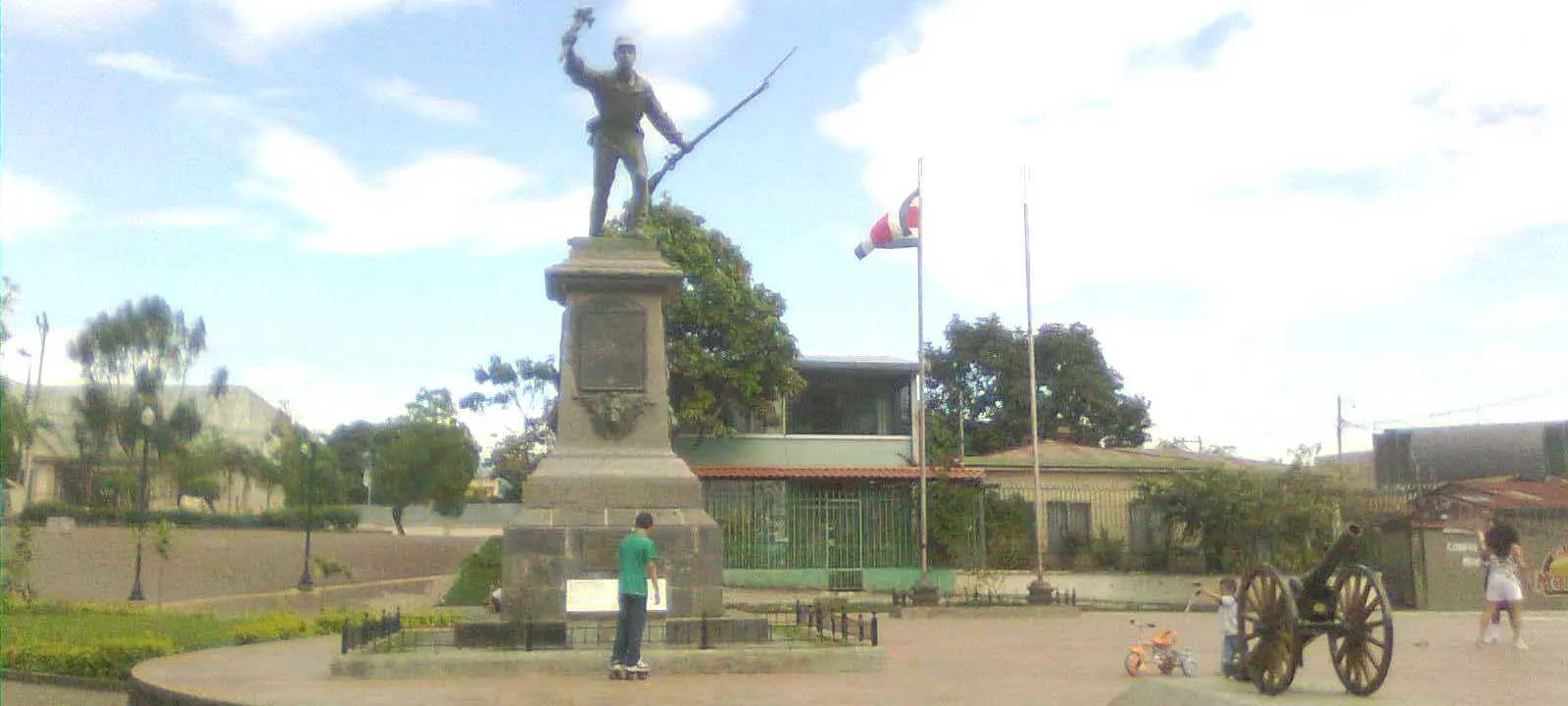
Two blocks off the central park makes this the stop to add when there are three hours rather than two, with a proper sit-down at one end of it or the other.
Twenty minutes on the bus between the terminal and Alajuela
TUASA’s red buses and Station Wagon’s yellow and orange ones both use the stop on the main road behind the airport parking garage, and they run in two directions from it: north into Alajuela, and southeast down to San Jose. The fare is under 700 colones, handed to the driver in cash, and drivers keep little change, so break a note in the terminal first. Departures go every 6 to 12 minutes from around 4am until about 10pm. Twenty minutes is the ride itself; budget half an hour door to door once the walk round the garage and the wait for a departure are in. A taxi covers the same three kilometres in a few minutes for roughly ten dollars, which is the better call if you land in the morning or evening peak and the road is backed up.
If the gap is long enough to justify crossing the valley instead, buses from that same stop reach San Jose’s own centre in 30 to 40 minutes, where the San Jose layover guide picks up the walk between the National Theatre and the old barracks on Avenida Central. Three kilometres is what makes this shorter version work, though: the museum, the fountain, the dome and the monument sit within a few blocks of each other and the ride back to the gate is one bus, so the only thing that slows any of it down is what you are pulling along behind you.
Frequently asked questions
What should I do during a layover near Juan Santamaría International Airport in San Jose?
Alajuela's centre is three kilometres north of the terminal and puts four things within a few blocks of each other: the Juan Santamaría museum in the town's 1874 arms barracks, which charges nothing; the cast-iron fountain that arrived from Glasgow in 1880, under the mango trees of the central park; the red dome on the cathedral facing that same square; and the 1891 monument to Santamaría in the park named after him. Two hours covers the museum and the square, three or four is comfortable with the monument and lunch added. The museum is the only stop that closes, on Mondays, and everything else here is outdoors and always open.
Can you leave a suitcase at Juan Santamaría airport?
No. The terminal has no left-luggage counter and no lockers, and the airport's own baggage information lists no storage service at all, so a bag either comes into Alajuela with you or stays with your airline or a hotel. That matters more here than at an airport with a bag drop, because nothing on this route is built to carry luggage for you: the Alajuela buses take whatever you bring into the aisle beside you, for twenty minutes in each direction.
How do you get from the SJO terminal into Alajuela?
Two companies serve the stop on the main road behind the airport parking garage, TUASA in red buses and Station Wagon in yellow and orange ones, and services leave it in two directions: north into Alajuela, and southeast to San Jose. The Alajuela ride is about twenty minutes, closer to half an hour once you add the walk round the garage and the wait, and the fare is under 700 colones handed to the driver. Departures go every 6 to 12 minutes from around 4am until about 10pm, and drivers carry little change, so break a note before you board. A taxi covers the same three kilometres in a few minutes for roughly ten dollars, which is the better call inside the morning or evening peak.
What is open in Alajuela when the afternoon rain starts?
The Central Valley's rainy season runs May to November and the usual pattern is a dry morning with showers building through the afternoon, so an early start does more for this itinerary than a late one. When it comes down, the cover is the Juan Santamaría museum, which is free and indoors, and the cathedral, which is open through the day. The central park has mango trees rather than a roof. September and October bring the heaviest rain of the year, and a Monday in either is the combination to avoid, since the museum is shut and the rest of this is open sky.