Lima Layover Near Estación Central
Part of the full Lima Layover: Catacombs and Fountains From LIM
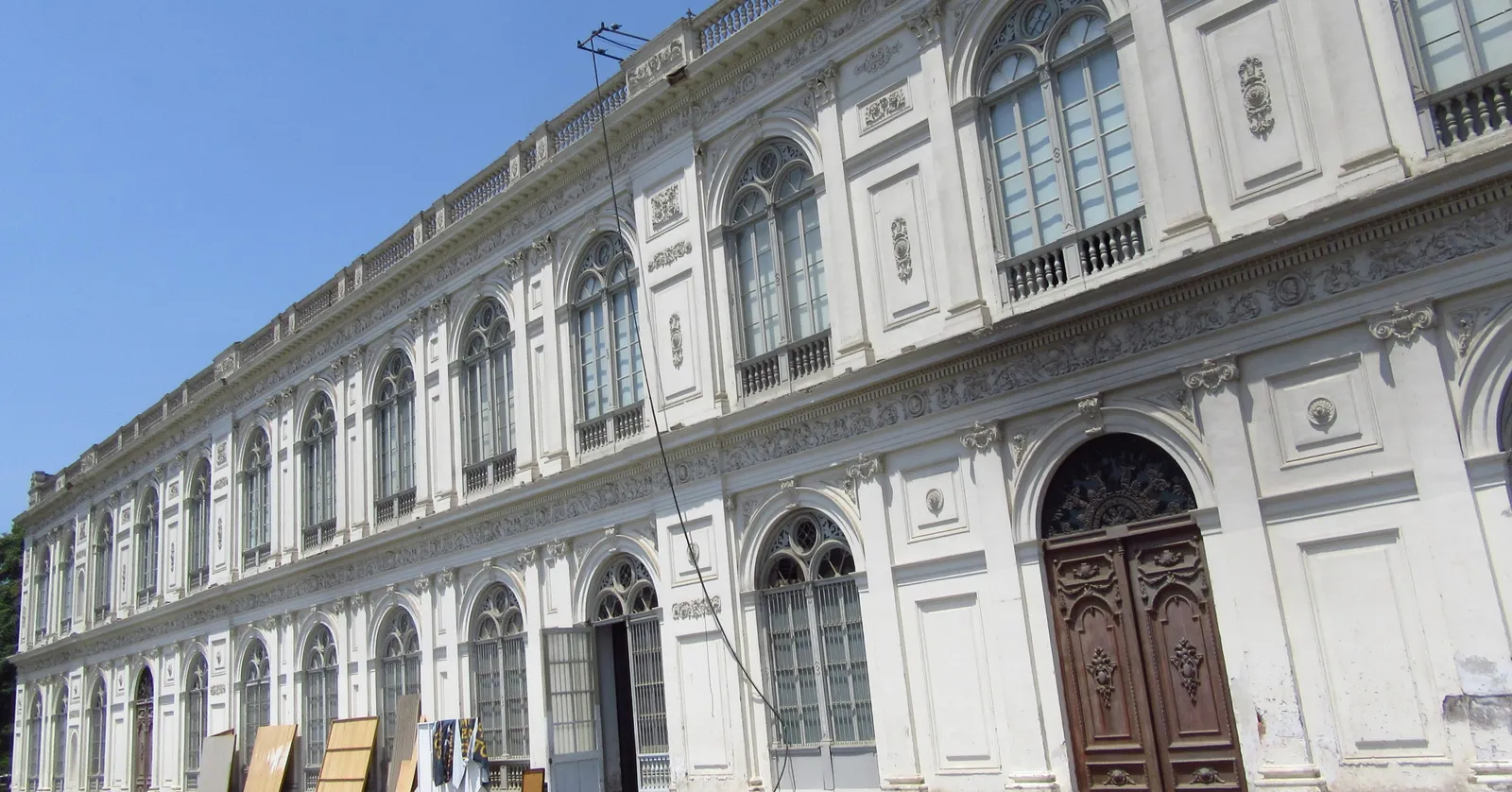
Estación Central, the underground hub of Lima’s busway beneath the Paseo de los Héroes Navales, comes up between the Parque de la Exposición, the Palacio de la Exposición holding the city’s art museum, and the mosaic-fronted Museo de Arte Italiano.
The Palacio de la Exposición and the art collection inside it
Lima put on a National Exposition in 1872 and built a palace for it: two long storeys of arched windows and moulded plasterwork, white the whole way along, set in what became the Parque de la Exposición on the southern edge of the old town. The Museo de Arte de Lima has it now, and the collection runs to more than fourteen thousand works, from pre-Columbian ceramics through colonial painting to twentieth-century Peruvian art, arranged in that order, so the galleries walk three thousand years of the country in one circuit.
It opens Tuesday to Sunday from ten until six, an hour earlier on Saturdays, and the galleries close their doors fifteen minutes before that. General admission is 40 soles for foreign visitors and 15 for Peruvians, halved for students, teachers and over-65s, and free for children under eight.
The Museo de Arte Italiano on Paseo de la República
Lima’s Italian community put up the Museo de Arte Italiano at Paseo de la República 250 and handed it to Peru for the centenary of independence in 1921, with the Milanese architect Gaetano Moretti designing it and the building finished the following year. The front is the part you notice from the street: two long mosaic panels set into the marble either side of the door, copies of Michelangelo’s Aurora and Night flanking the entrance portal, and dancing cherubs after Donatello at the base of the corner pillars.
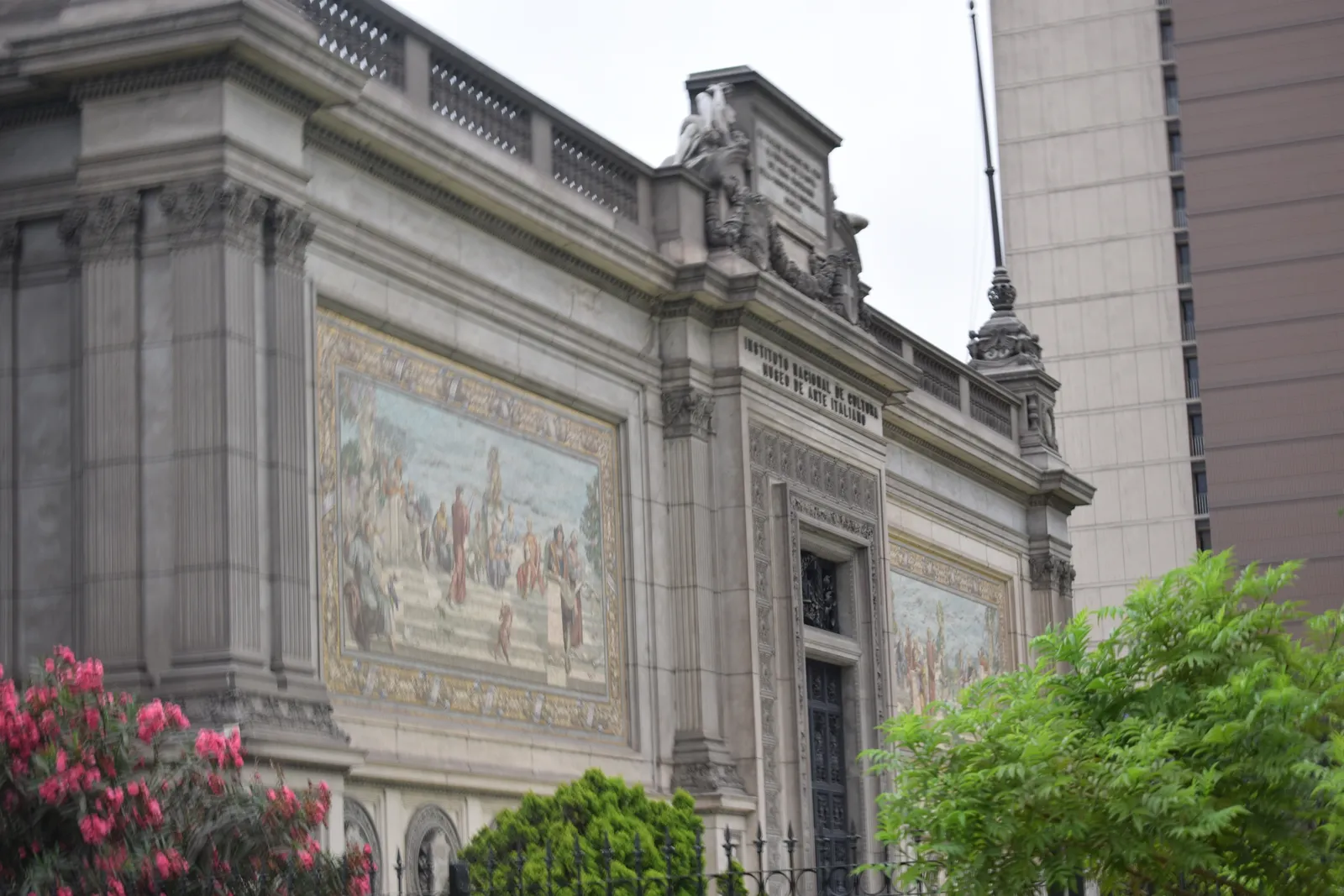
Inside is early twentieth-century Italian painting, sculpture, drawing and ceramics, hung since 1923 and small enough to do properly in an hour. Admission is 6 soles, 3 for students in higher education, a fraction of what the palace across the park charges. It runs Tuesday to Saturday, half past nine until five, with the last admission at half past four, so Sundays and Mondays rule it out entirely.
Estación Central sits two floors under the Paseo de los Héroes Navales
The busway’s main interchange was built downward rather than outward: the surface is the Alameda de los Héroes Navales and Plaza Grau, the first basement carries three bus lanes, a small commercial strip and ten boarding bays, and below that sit two more concourses, the Plaza Norte and the Plaza Sur. Nothing about the station is visible from the street except the entrances.
That shape is what costs time here. Getting in or out means an escalator run and a queue at the fare gates, which take a Lima Pass card and no cash at all, so a suitcase turns a two-minute passage into a slower one at both ends of the day.
The Moorish pavilion in the Parque de la Exposición
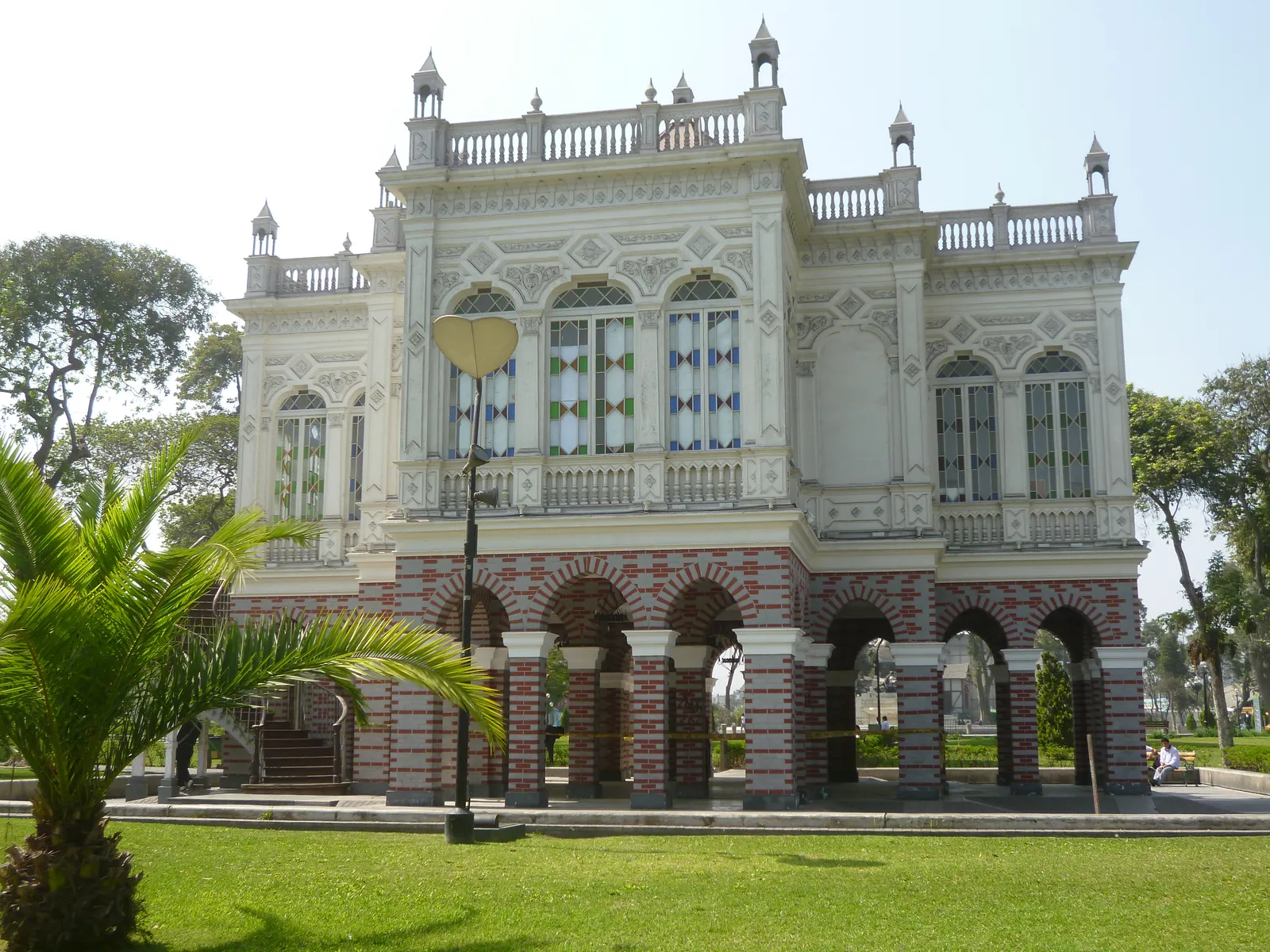
Two of the 1872 exposition’s pavilions are still standing in the park: a Byzantine one and, better known, the Moorish pavilion, an arcade of red-and-white striped horseshoe arches under a white upper floor of coloured glass. The Neptune fountain from the same period is still here too. All of it is open parkland, free at any hour, and about as flat as ground in Lima gets.
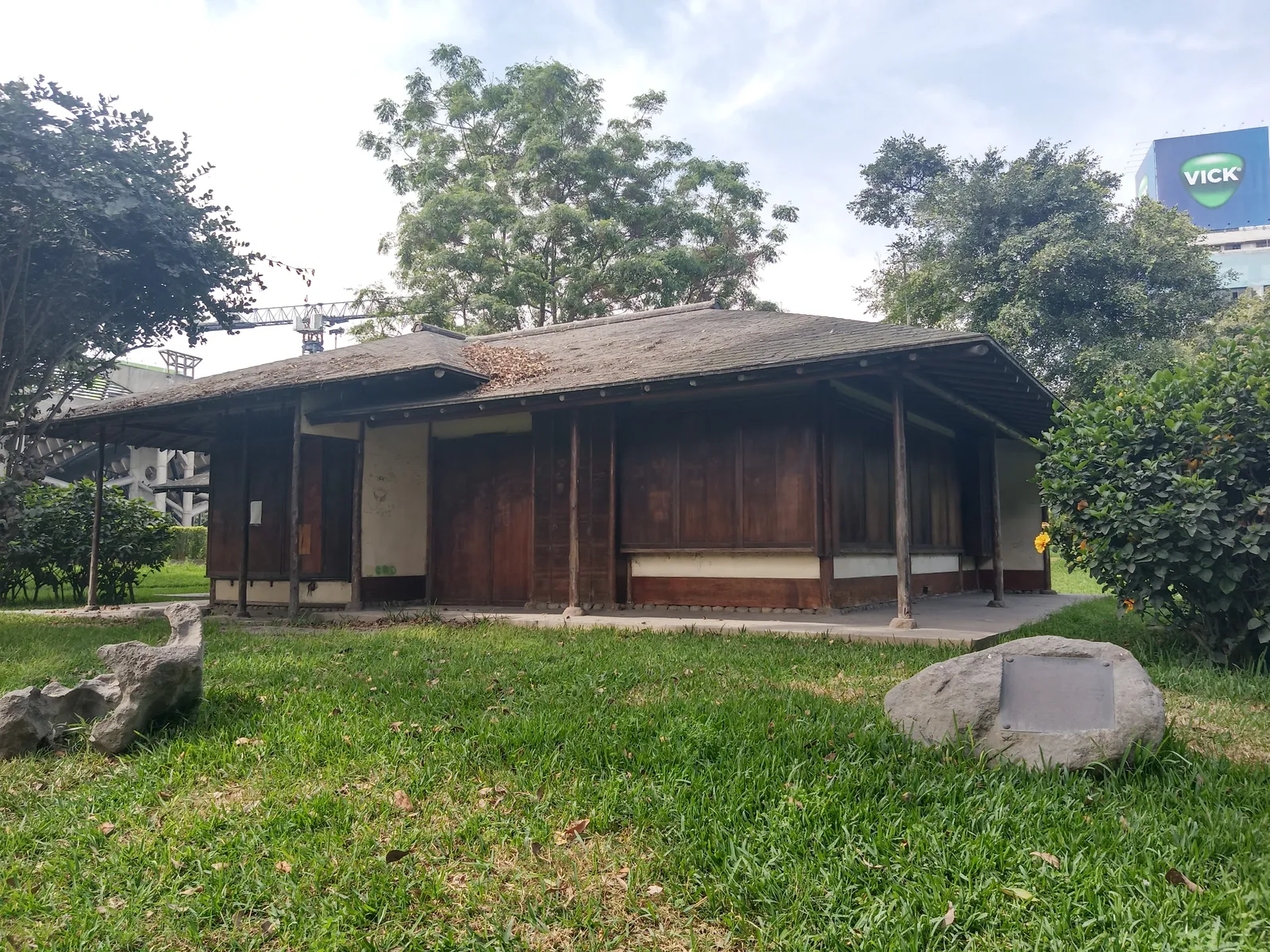
The quiet end of the park is the Japanese garden, given to the city in 1974 by what is now the Peruvian-Japanese Association to mark a century of relations between the two countries: a pond, stone lanterns, cherry trees that flower in the southern spring, and a low wooden pavilion on the lawn. It draws almost nobody on a weekday afternoon, which is the argument for it when the museums are between you and a flight.
No airport bus calls at Estación Central
Plaza San Martín, a kilometre north up Avenida Nicolás de Piérola, is where the AeroDirecto Centro service leaves for Jorge Chávez: 2 soles paid to the conductor on board in cash, by Visa card, by Yape or by Plin, running around the clock, every 15 to 25 minutes by day and every half hour to hour through the night, and taking about an hour to the terminal. That walk north is also where the colonial centre starts, so a guided walk through the old town is the sensible version if you would rather spend the hours up there than around the park.
Four stops inside two blocks is the shape of this one, which is worth knowing if you are weighing it against the longer route through Plaza Mayor, the catacombs and the fountain park that the main Lima layover guide covers. The bus back out leaves from the same few blocks either way.
Frequently asked questions
What should I do during a layover near Estación Central in Lima?
Almost everything worth the stop is in the two blocks above the station. The Palacio de la Exposición, built for Lima's 1872 National Exposition, holds the city's art museum and a collection of more than fourteen thousand works; the Museo de Arte Italiano on Paseo de la República is six soles and takes about an hour; and the Parque de la Exposición around them is free, with a Moorish pavilion left over from 1872 and a Japanese garden at one end. The Italian museum is the one to check the day for, since it shuts on Sundays and Mondays, and the park works whatever else is closed.
Do the fare gates at Estación Central take cash?
No. Every gate on the busway is card-only: you buy a Lima Pass at any station's recharge module, load it, and tap through, with the standard trunk fare at 3.20 soles and an integrated fare of 3.50 if you connect to a feeder route. Turning up with coins and no card is the single most common way people lose ten minutes here. The card also works on Lima's complementary corridor buses.
Which days are the museums near Estación Central closed?
Both take Mondays off, and the Italian one takes Sunday as well. The Museo de Arte de Lima in the Palacio de la Exposición runs Tuesday to Sunday from ten in the morning until six, closing an hour earlier on Saturdays, with the last entry fifteen minutes before. The Museo de Arte Italiano runs Tuesday to Saturday from half past nine until five, with last admission at half past four. The Parque de la Exposición itself has no closed day.
How do you get from Estación Central to Jorge Chávez airport?
There is no airport service from the station itself. Plaza San Martín, about a kilometre north, is where the AeroDirecto Centro bus leaves for Jorge Chávez: 2 soles paid on board in cash, by Visa card, by Yape or by Plin, around the clock, every 15 to 25 minutes through the day and every half hour to hour overnight, taking about an hour to the terminal. Allow for Avenida Faucett being slow at peak times on top of that.