Lima Layover in Barranco: Bridge and Museums
Part of the full Lima Layover: Catacombs and Fountains From LIM
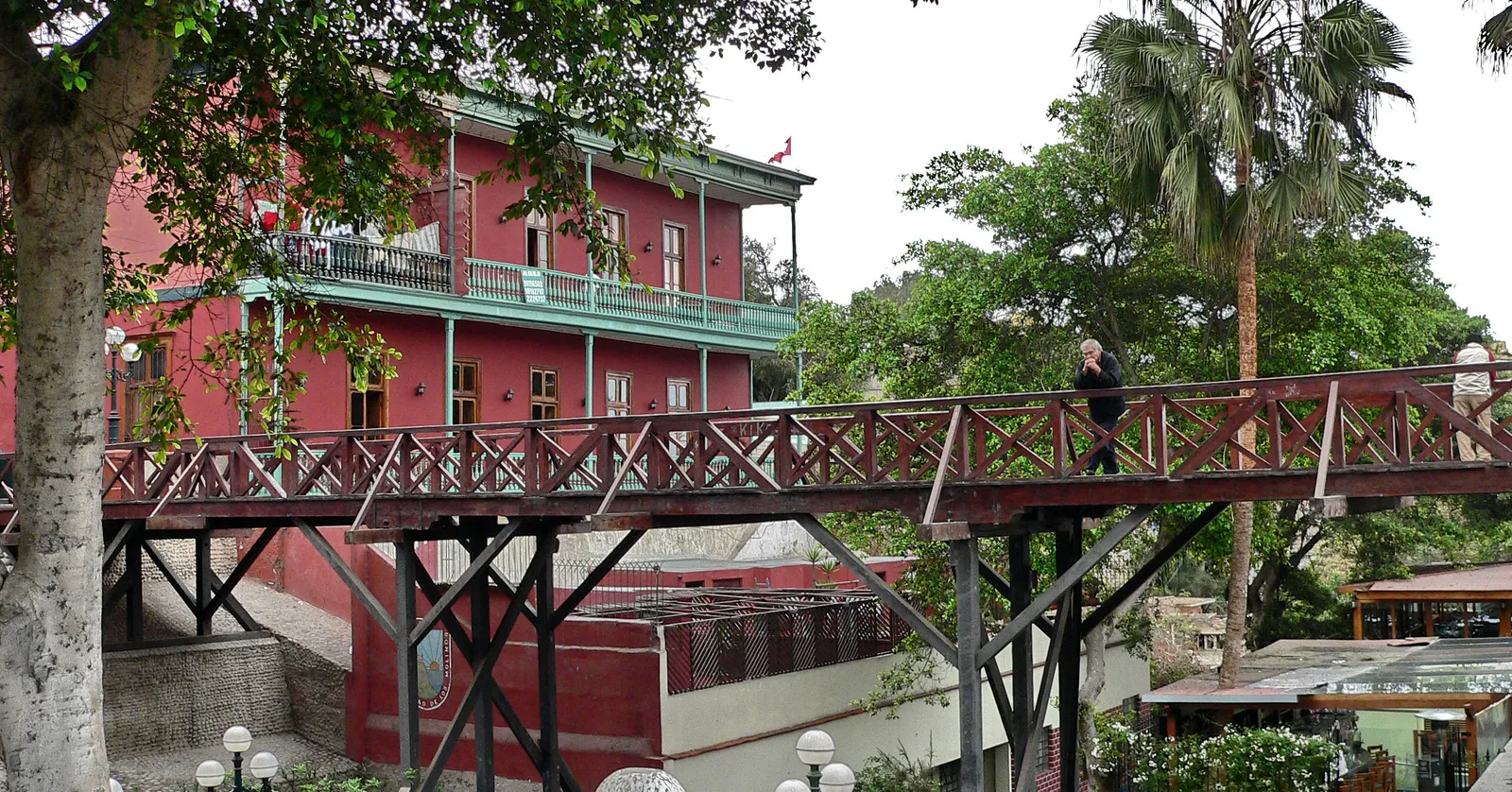
Barranco, the district at the south end of Lima’s coast road, fits a viceregal painting collection, a photography museum, the wooden Puente de los Suspiros and a cobbled ramp down to the shore into about six blocks.
Two collections on Avenida Pedro de Osma
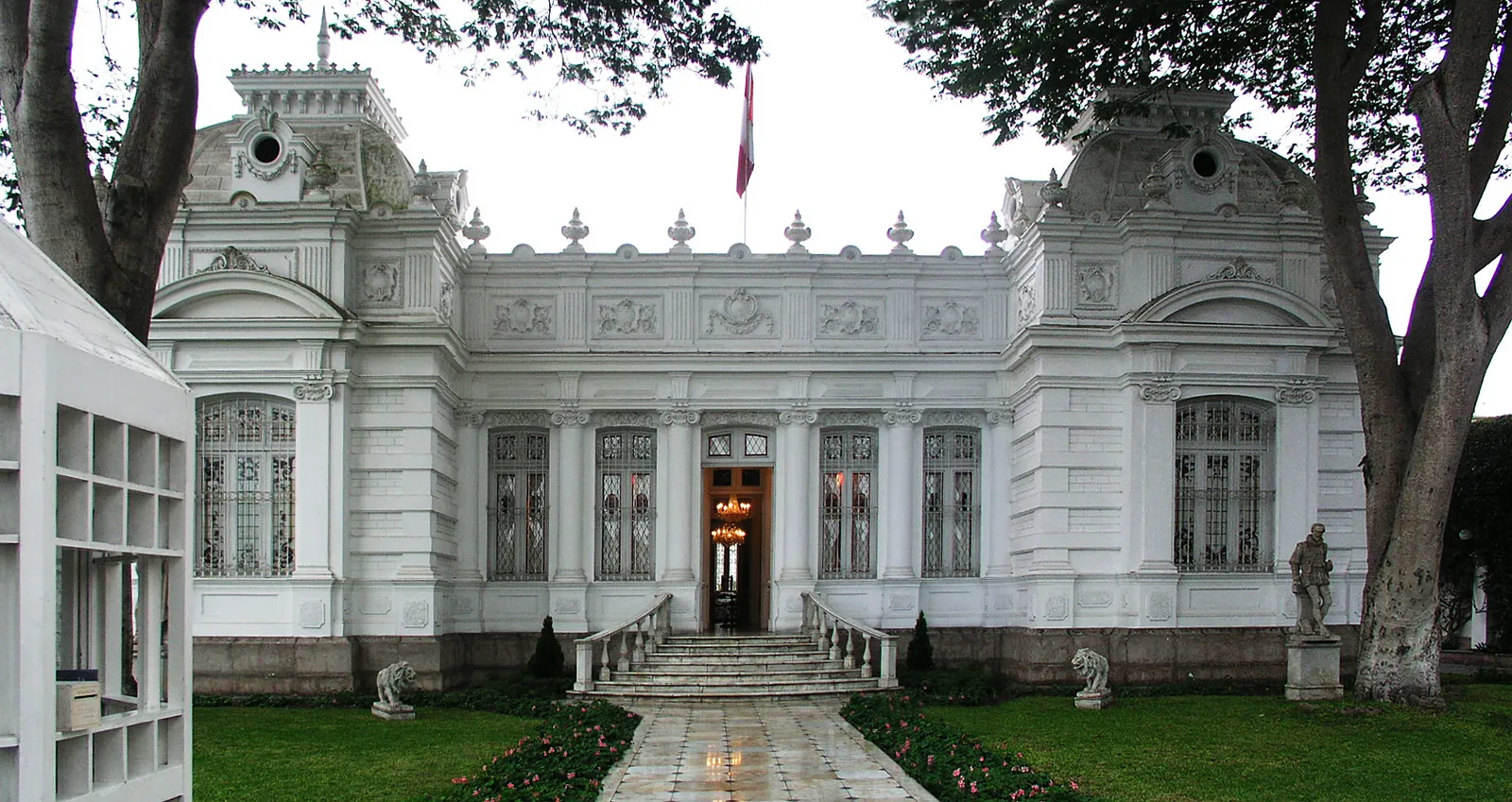
Avenida Pedro de Osma runs south out of Barranco’s Parque Municipal, and the museum the street is named after sits partway down it behind a garden and a set of stone lions. The Museo Pedro de Osma occupies a French-styled mansion finished in 1906 and holds what Pedro de Osma Gildemeister spent his life collecting: viceregal painting from the 16th to the 18th centuries, including work by the Jesuit Bernardo Bitti and by Luis de Riaño, hung alongside colonial silver and furniture. It runs Tuesday to Sunday from ten until six; admission is 35 soles for foreign visitors and 30 for Peruvian residents, and a bilingual guided tour costs 10 soles more, with departures at fixed times through the day.
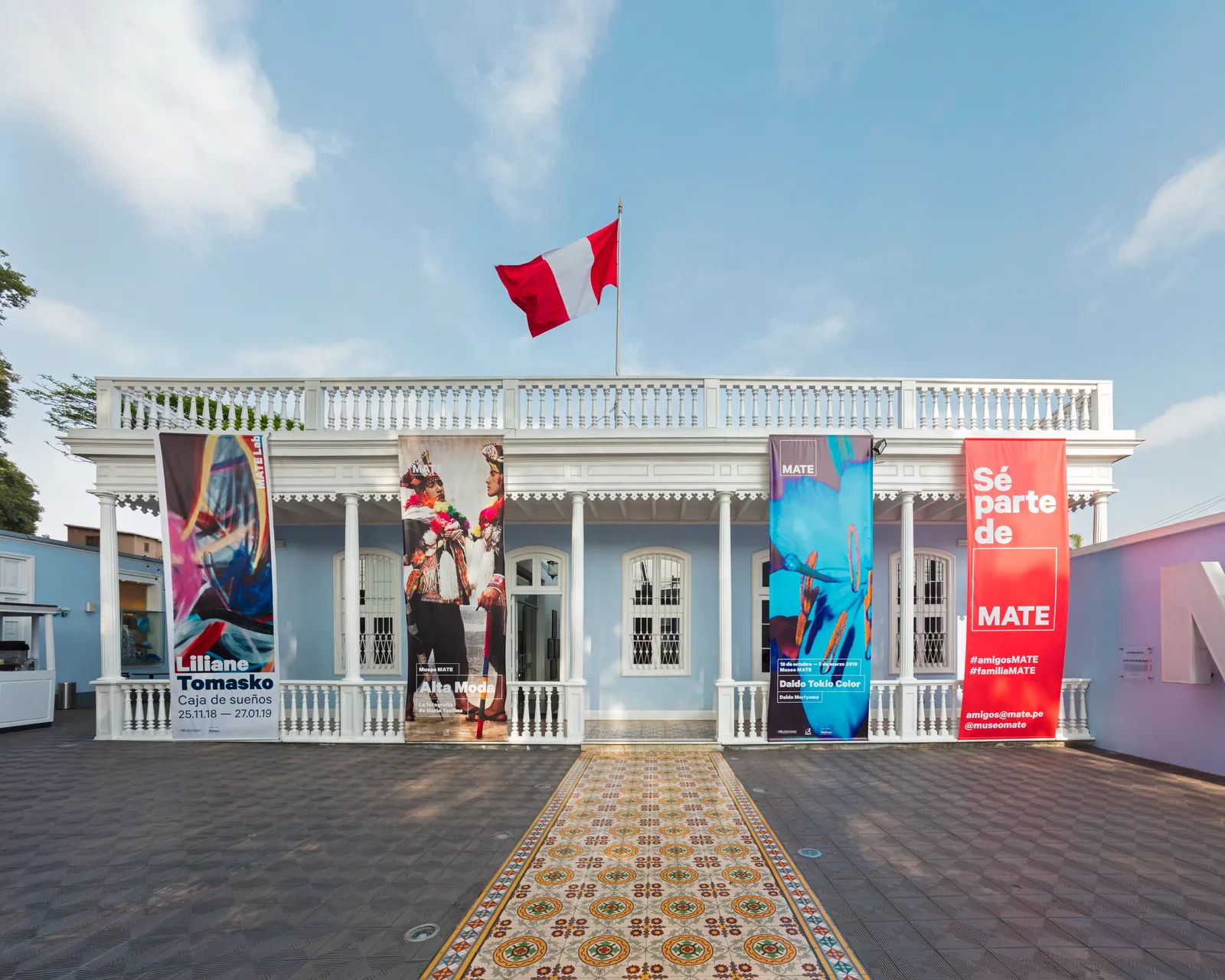
MATE fills a restored 19th-century republican house a block along the same avenue, behind a white balustraded front usually hung with banners for whatever is currently up. It opened in 2012 around Mario Testino’s own photography and gives most of its rooms over to temporary shows by other artists, which is why the place is worth a look even if fashion photography isn’t the draw. Admission runs about 10 soles, under-12s go free, and it stays open until seven, an hour later than its neighbour.
Crossing the Puente de los Suspiros in one breath
The Puente de los Suspiros is a wooden footbridge inaugurated on 14 February 1876 over the ravine that splits Barranco in two, and the custom attached to it is to cross the deck without breathing and make a wish at the far end. Chabuca Granda wrote a waltz named after it, which is most of the reason a short timber footbridge is one of the better-known structures in the country. It spent the first half of 2026 closed: the Barranco municipality shut it on 15 February for its first full restoration in about fourteen years, replaced the decking, reinforced the handrails, restored the lamps along it and fitted LED lighting above and below the span, then reopened it on 22 August. The lights come on at six in the evening, which is also when the plazuela underneath fills up with painters, artisans set out along the ramp below, and the Friday poetry readings start.
The bars, cevicherías and sandwich counters are spread across the streets either side of the bridge rather than gathered on one of them, so a small-group walk through several of them is the version that doesn’t involve choosing cold.
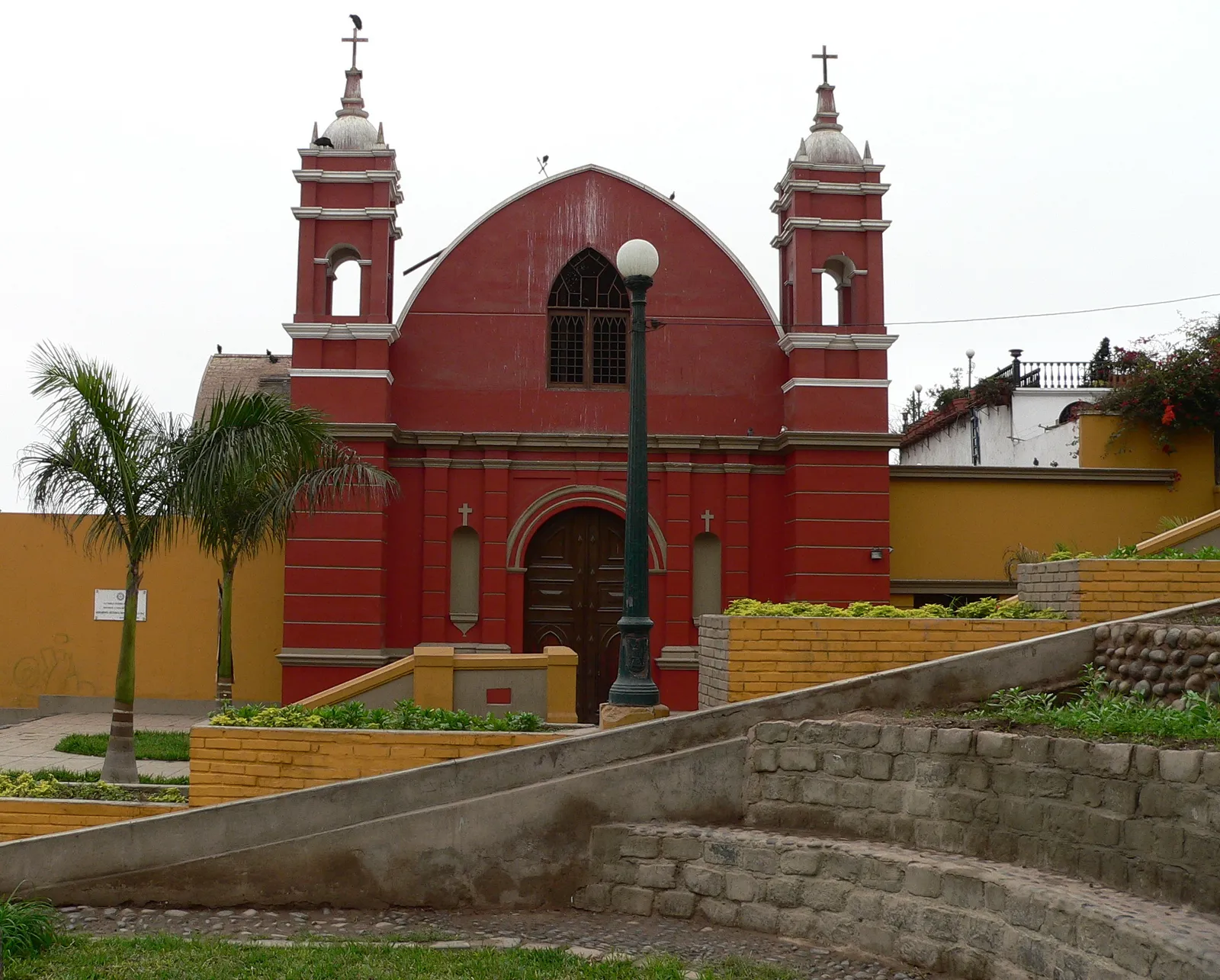
La Ermita, the red church at the inland end of the bridge, is the one thing here nobody gets inside. The neo-Gothic adobe building dates from 1901, the 1940 earthquake cracked it badly, and it has stayed shut through several attempts at a restoration since. What is left is a facade, two small bell towers and a boarded door, standing over the garden terraces at the top of the ravine.
The Bajada de Baños, Barranco’s old ramp to the sea
Fishermen coming down from Surco used the Bajada de Baños to reach the Barranco beaches, and the ravine road still runs from the clifftop to the Costa Verde shore. Nineteenth-century timber summer houses survive along both sides of it, painted and shuttered and mostly now bars, small galleries or workshops, with the bridge crossing overhead near the top.
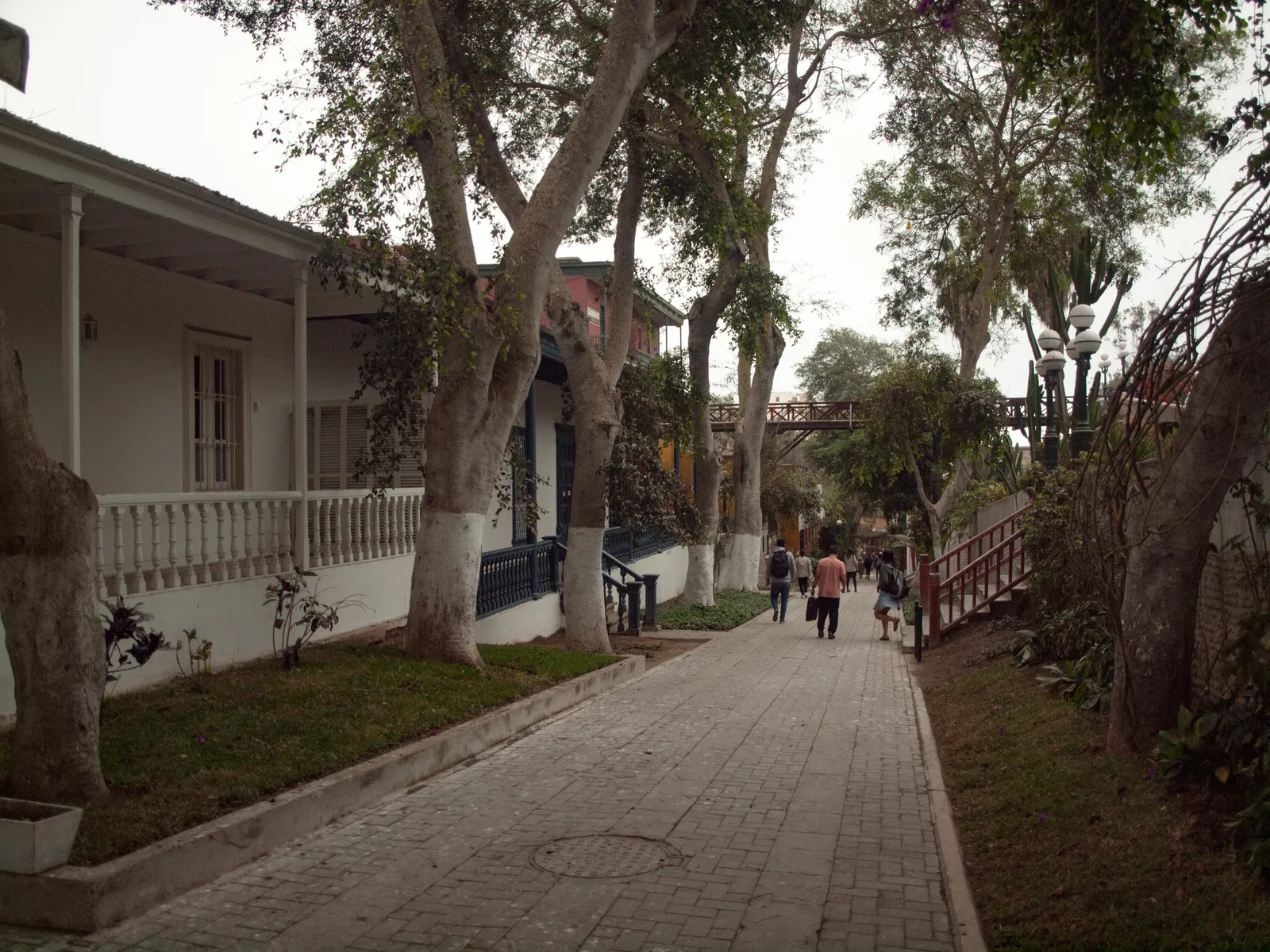
The surface is stone setts most of the way and the last stretch to the water is steps rather than slope, so the descent is a real one and the climb back is steeper than it reads from the top. A wheeled suitcase does not go down there.
Latin American art since the 1950s at MAC Lima
MAC Lima stands at Avenida Grau 1511, in the park on Barranco’s inland edge, a low glass-and-steel building with coloured stripes across its front and lawn on three sides. The permanent collection covers Latin American art from the 1950s onwards, and the temporary galleries take up most of the floor space, so what is actually hanging changes several times a year.
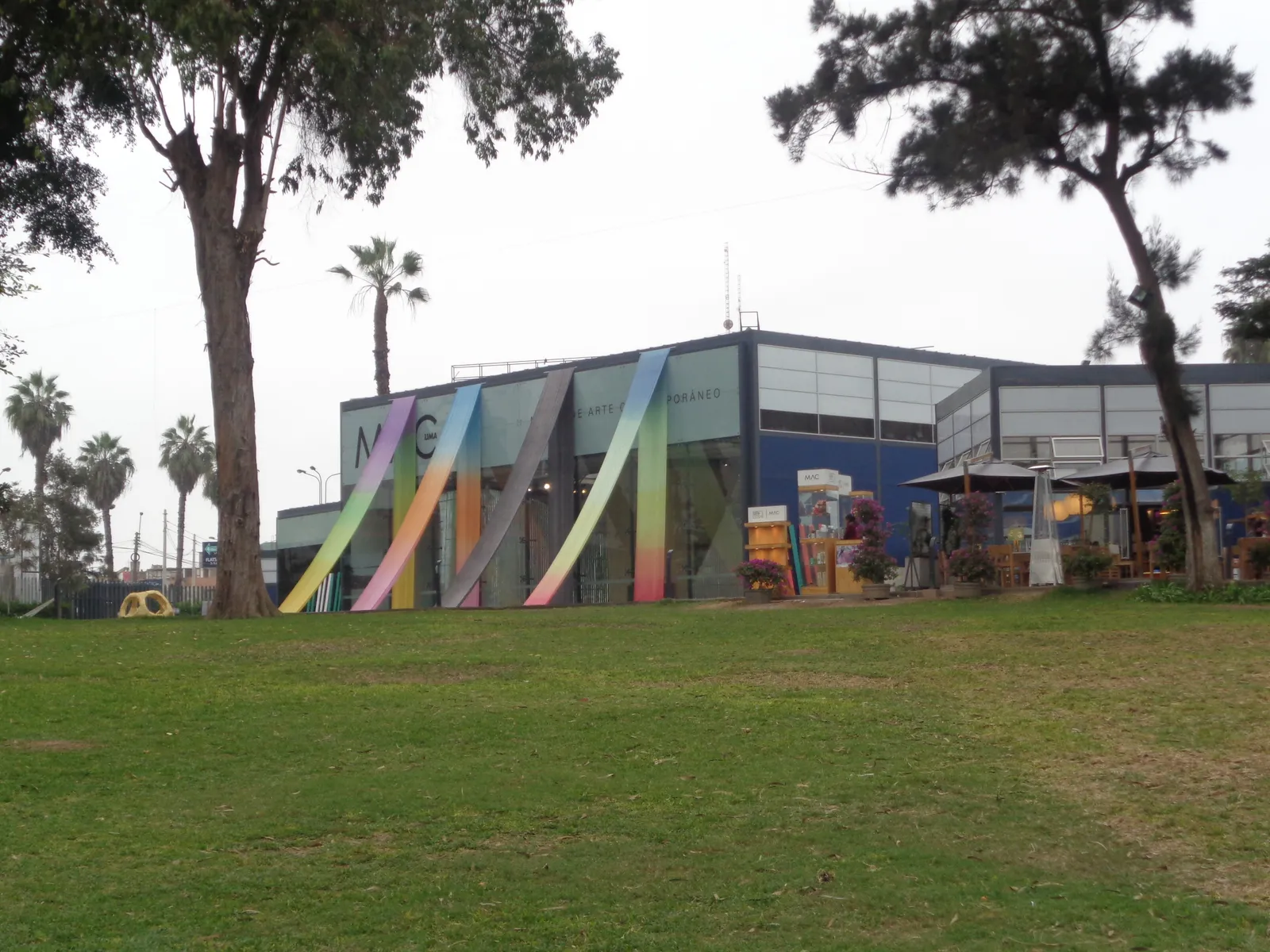
It opens Tuesday to Sunday from ten until seven with the last entry at half past six, and admission is 20 soles for non-residents and 12 for residents, halved on the first Sunday of every month. This is the stop to add when the day is long rather than the one to build it around, and if the whole afternoon is short, the colonial centre in the main Lima layover guide is the better use of it, since Barranco and Plaza Mayor do not combine comfortably.
No airport bus leaves from Barranco
AeroDirecto runs five routes to Jorge Chávez and none of them come this far south, so getting back from here is two legs rather than one. The cheaper leg is the Metropolitano busway: Estación Bulevar and Estación Balta both sit on Avenida Bolognesi within a few blocks of the bridge, and a northbound bus reaches Estación Central, a short walk from Plaza San Martín, where the AeroDirecto Centro service leaves for the terminal at 2 soles paid on board, around the clock, in about an hour. The busway fare is 3.20 soles and the turnstiles take no cash at all: you buy and top up a Lima Pass card at any station first, which is the step that strands people who arrive expecting to pay with coins.
Airport Express Lima’s coaches are the alternative, at 20 soles a head on an hourly timetable, but they board along Avenida Larco in Miraflores rather than anywhere in Barranco, and they stop for the night. A taxi the whole way costs 80 to 100 soles and shares the same slow run up Avenida Faucett as everything else. Barranco is compact enough that the museums, the bridge and the ramp make one loop of six or seven blocks, which means the bag can sit near the bus you are eventually leaving on instead of coming down the ravine and back up it.
Frequently asked questions
What should I do during a layover near the Puente de los Suspiros in Barranco, Lima?
Take the two collections on Avenida Pedro de Osma first, since they close earliest: viceregal painting and colonial silver in the 1906 mansion at the Museo Pedro de Osma, and Mario Testino's photography a block along at MATE. The bridge itself, the red shell of La Ermita beside it and the Bajada de Baños running down towards the shore cost nothing and stay open at any hour. MAC Lima, the contemporary art museum on Avenida Grau, is the one to add if the afternoon is long and the one to drop if it isn't. Nothing here needs booking ahead except a guided tour at the Osma mansion.
Which Barranco museums close on Mondays?
All three of them. The Museo Pedro de Osma, MATE and MAC Lima each run Tuesday to Sunday, so a Monday in Barranco is a walking day: the Puente de los Suspiros, La Ermita, the Bajada de Baños and the clifftop are all free and unaffected. Closing times differ on the other six days, with the Osma mansion shutting at six, MATE and MAC at seven, and MAC taking its last entry at half past six.
How steep is the Bajada de Baños down to the beach?
Steep enough to feel on the way back up. The ramp drops from the clifftop to the Costa Verde shore road on stone setts, narrows between the old timber houses partway down, and finishes as steps rather than a slope, so there is no step-free line from the bridge to the water. The upper stretch as far as the plazuela under the bridge is paved and manageable; the last section is the part to think about.
Is Barranco worth walking after dark?
The bridge is lit from six in the evening, above and below the deck, and the plazuela underneath it is where the painters and the Friday-night poetry readings set up. Every museum in the district has shut by seven, so an evening here is the bridge, the ramp and the bars along it rather than the collections. The Bajada de Baños is lit but uneven underfoot, and the last stretch down to the shore is best left for daylight.
How do you get from Barranco back to Jorge Chávez airport?
Not directly: AeroDirecto's routes to the terminal do not reach this far south. The cheap version is the Metropolitano busway from Estación Bulevar or Estación Balta on Avenida Bolognesi, 3.20 soles on a Lima Pass card bought at any station, north to Estación Central, then the AeroDirecto Centro bus from Plaza San Martín for 2 soles, which runs around the clock and takes about an hour. Airport Express Lima's 20-sol coach is the other option but leaves from Miraflores rather than Barranco and stops overnight. A taxi the whole way runs 80 to 100 soles.