Mexico City Layover Near the TAPO Bus Terminal
Part of the full Mexico City Layover: The Zócalo From MEX
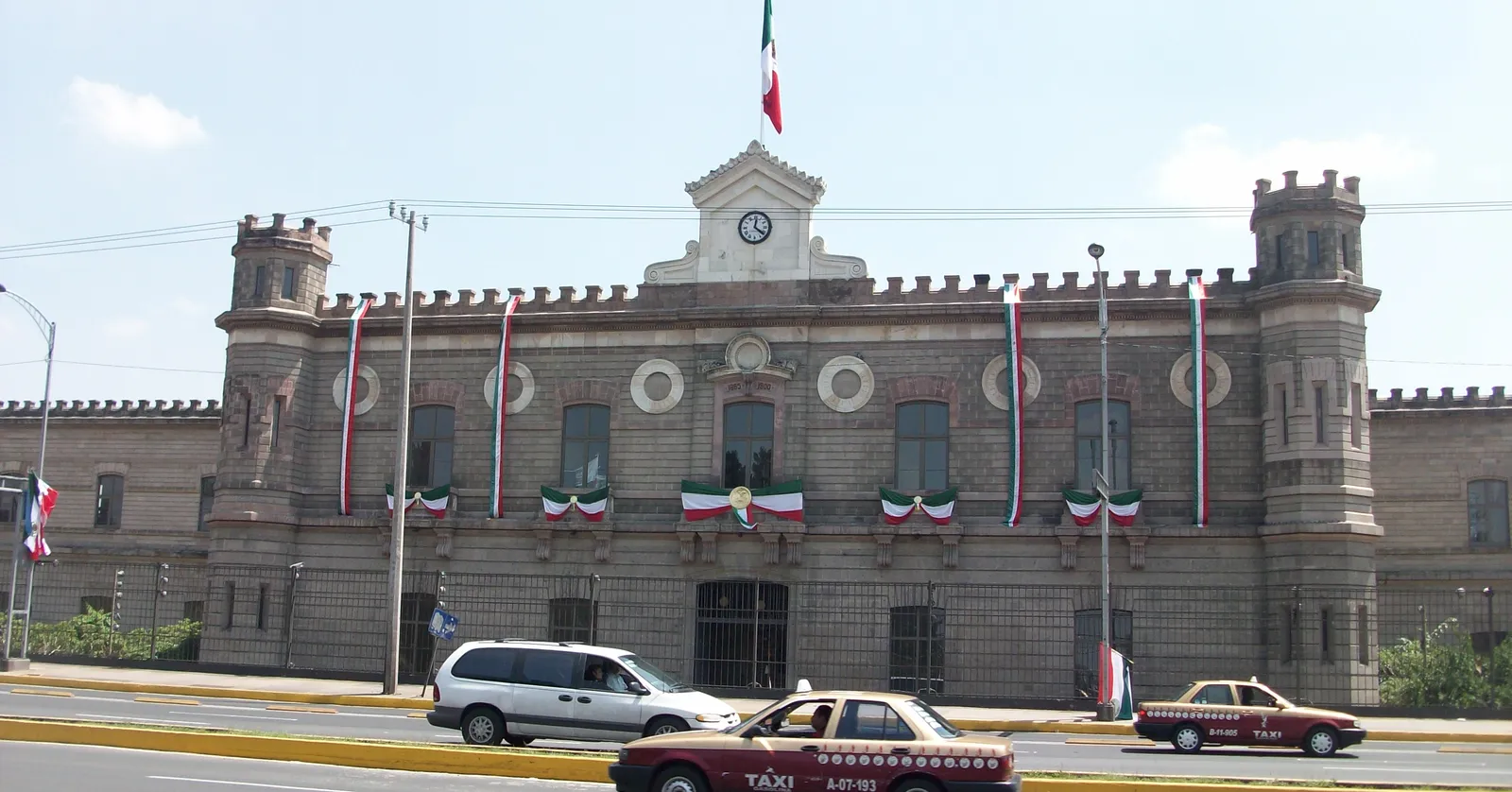
San Lázaro, on the eastern edge of Mexico City’s centre, puts a coach terminal, a metro interchange and the airport bus on the same block, with the old Lecumberri prison ten minutes north of it and the city’s biggest food market a couple of stops west.
The national archives occupy the Lecumberri prison
The building on Eduardo Molina looks like a fortress because it was one. Lecumberri opened in 1900 on a panopticon plan, seven cell wings radiating from a central watchtower so that one guard could see down all of them, and it ran as a prison until 1976 under the name the city gave it: the Black Palace. The Archivo General de la Nación moved in during 1982, and the cell blocks now hold the national records instead of prisoners.
Weekdays get you the exhibition halls and the reading rooms with photo ID, at no charge. The guided tour that goes into the wings and out onto the central tower’s floor is the reason to time a visit: it runs for the general public on Thursdays at midday, and other slots are arranged in advance through the archive itself.
The airport bus stops at San Lázaro on its way out
Of every stop on the Quetzalcóatl route on Metrobús Line 4, San Lázaro is the last one in the city before the buses turn for the terminals, which makes the run to Mexico City International Airport about 20 to 30 minutes rather than the hour it takes from the Zócalo end. The fare is a flat 30 pesos, there is no way to pay it in cash, and a contactless bank card, a phone or a Movilidad Integrada card opens the turnstile. Buses come every seven to ten minutes until midnight.
That short hop is the argument for basing a stopover here rather than moving into the centre first. If the gap between coach and flight is five hours or more, the route through the Centro Histórico is comfortably reachable and covers the cathedral, the Templo Mayor excavation and the Bellas Artes lobby, with the same bus bringing you back past this terminal on the way out.
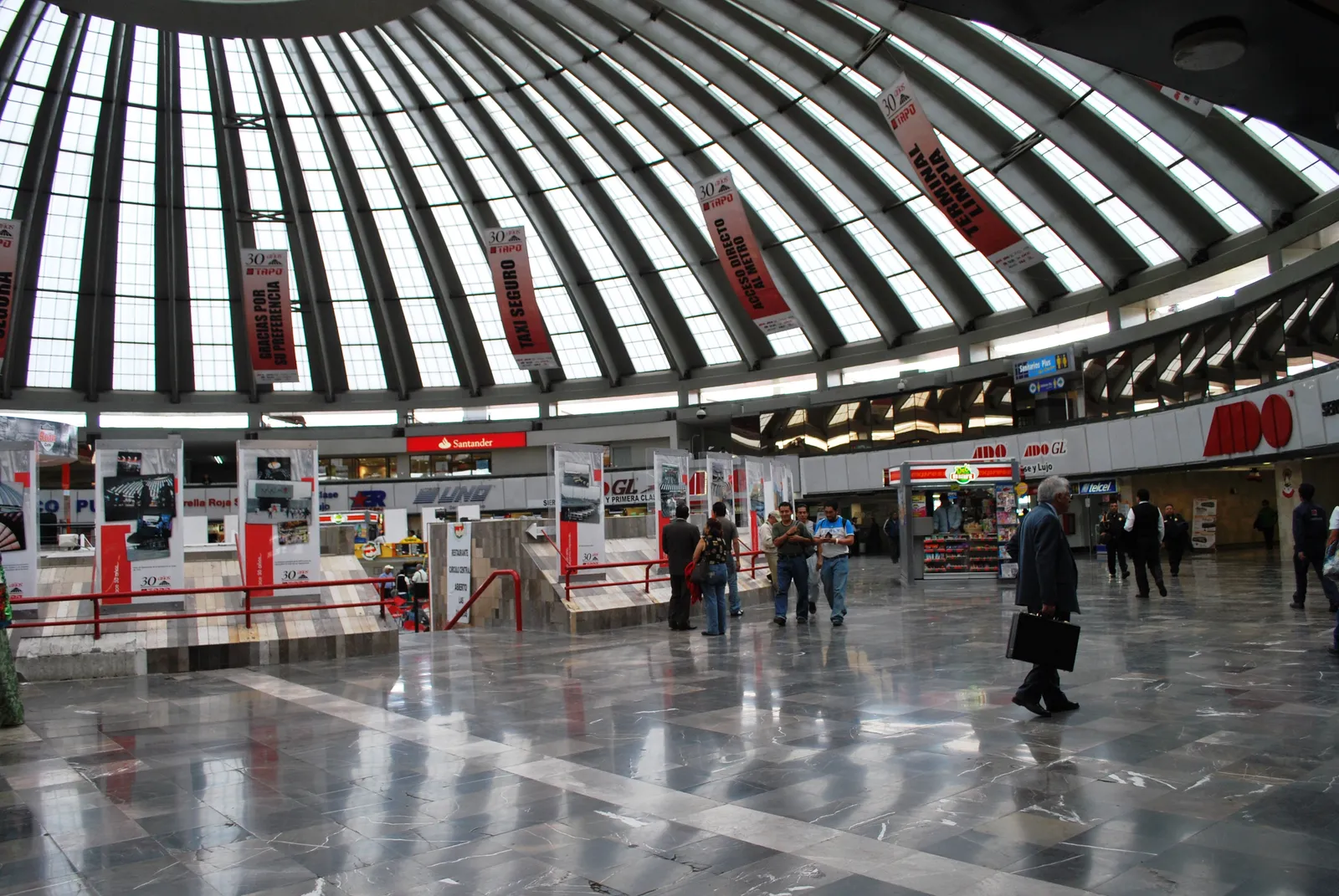
The eastern coach terminal boards in a ring under one dome
The Terminal de Autobuses de Pasajeros de Oriente opened in 1978 and handles everything heading east and south-east: Puebla in two hours, Veracruz, Oaxaca, and the long overnight runs down to the Yucatán. Rather than a linear hall, it is built as a ring, with the ticket offices of each coach company around the circumference and the boarding gates leading off it, all under one glazed dome.
If the coach you came in on was from Puebla and you wish you had seen more of it, a day trip covering Puebla and Cholula runs out of Mexico City and back in a single day, which is a different way to spend a long stopover than a few hours here.
Almost everyone arriving at this terminal has come off a long-distance coach with everything in the hold, which is a heavier load than a connecting flyer’s carry-on and the thing that decides what the next few hours can be.
Mercado de La Merced fills several halls west of the terminal
La Merced is the largest traditional food market in the city, spread over a run of connected halls along Circunvalación, and it works as a wholesale and retail market at the same time: pallets of chillies and limes going out the back while somebody weighs out a kilo of onions at the front. Cooked-food counters run through the middle of it, and the sweets hall is a separate building of its own.
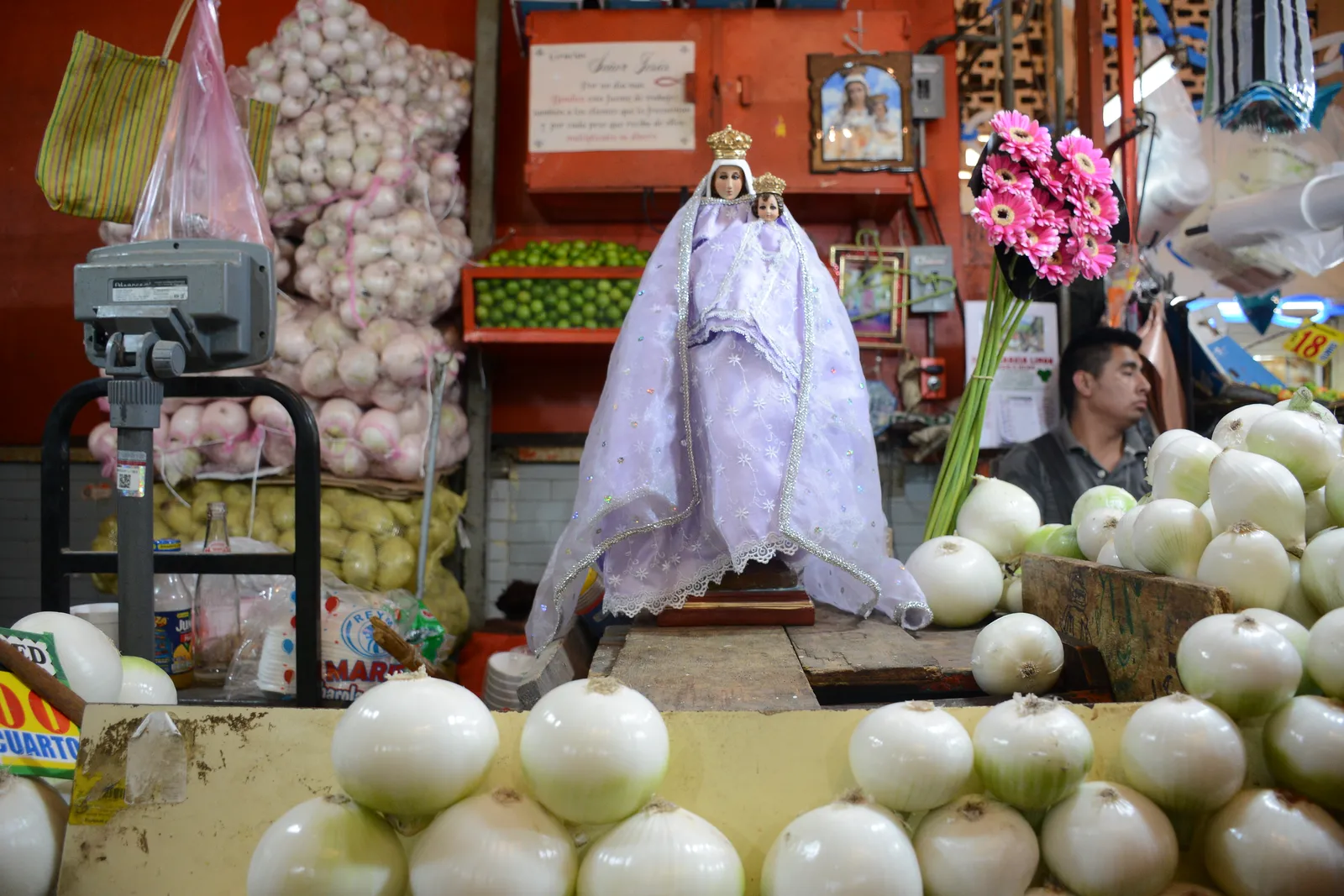
It is on the same bus line that runs through San Lázaro, a couple of stops west, so it costs one fare and no change of vehicle. It is busy, tight and loud, and the aisles are not built for anything wider than a person.
Three hours between a coach and a flight is enough for one of these and no more, and the short airport run is what buys you the third hour. Leave the bags at the interchange, pick one, and be back at the turnstile with an hour to spare.
Frequently asked questions
What should I do during a layover near the TAPO bus terminal in Mexico City?
Two things are within reach without a long ride. The Palacio de Lecumberri, a prison from 1900 to 1976 and the national archives since 1982, stands about ten minutes north on Eduardo Molina, and free guided tours for the public run on Thursdays at midday. La Merced, the city's largest traditional food market, is a couple of stops west on the same bus line that serves this terminal. The Zócalo is around twenty-five minutes away if you want the monumental version instead. Three hours is enough for one of these plus the trip out to the airport.
I have just come off a long-distance coach with checked bags. What are my options?
Coach passengers arrive with everything they own in the hold, which is a different situation from a connecting flyer with a carry-on, and it decides what the next few hours can be. Carrying them, the realistic plan is the terminal's own concourse and then the airport bus, since neither the market aisles nor the archive's security queue is built around luggage. Dropped at a storage point near the interchange, the archives, the market and the historic centre all open up, and the airport bus from here is short enough that collecting them costs you very little.
How long does the airport bus take from San Lázaro?
About 20 to 30 minutes to Terminal 1 depending on traffic, which is the shortest run into the airport of any stop on the line, because San Lázaro is the last city stop before the terminals. The Quetzalcóatl route on Metrobús Line 4 charges a flat 30 pesos, refuses cash, and takes a contactless bank card, a phone or a Movilidad Integrada card at the turnstile. Buses come every seven to ten minutes, from 4:30am to midnight Monday to Saturday and from 5am on Sundays and holidays.
Can I get into the national archives without arranging anything?
The reading rooms and exhibition areas are open to the public on weekdays with photo ID, and temporary exhibitions are free. The guided tour that takes you into the cell wings and around the panopticon layout is the thing worth planning for, and it runs on Thursdays at noon; other days and group visits are arranged in advance by phone or through the archive's own booking form. Turning up on a Tuesday gets you the building and the exhibitions but not the cells.