Tokyo Shinjuku Layover: A Free View, a Garden
Part of the full Tokyo in One Day: Ueno and Asakusa
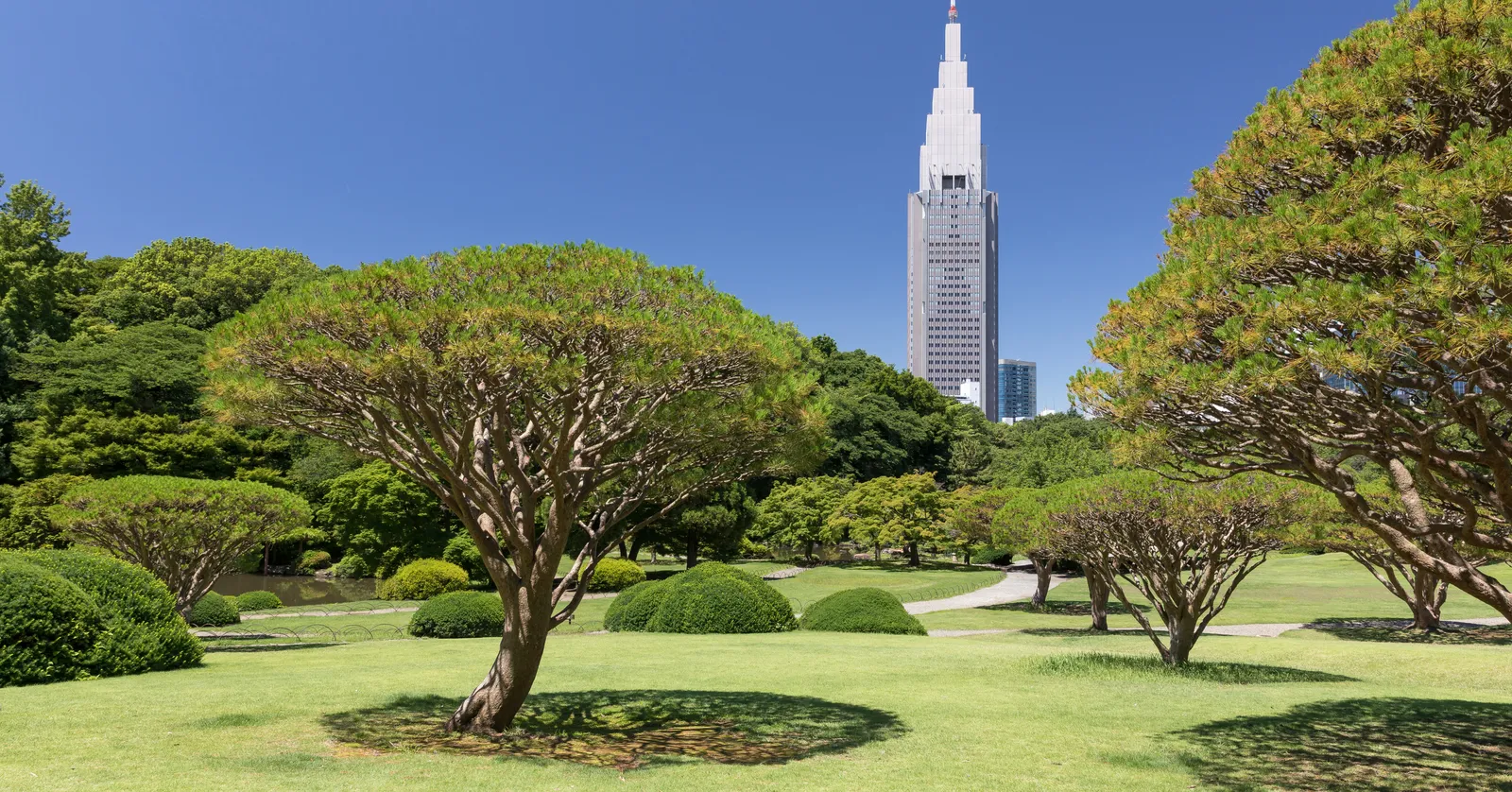
Shinjuku station, on Tokyo’s west side, sits between Shinjuku Gyoen, a former imperial garden laid out in French, English and Japanese styles, and the free observation decks 202 metres up the Tokyo Metropolitan Government Building, each about ten minutes’ walk from the station.
Shinjuku Gyoen, three national garden styles side by side
Shinjuku Gyoen’s Shinjuku Gate is about ten minutes on foot east of Shinjuku station, through the department-store blocks south of the main shopping street. The ground was a feudal lord’s estate in the Edo period, became an imperial botanical garden in the 1870s, and was redesigned around 1900 by the French landscape architect Henri Martinet, opening in its present form in 1906. The war wrecked it, and it reopened to the public in 1949. Its 58 hectares now hold three gardens in three different national styles: a French formal garden of plane-tree avenues and clipped beds on the north side, an English landscape garden of open lawns and big single trees in the middle, and a traditional Japanese garden of ponds, islands and teahouses to the south.
About 1,500 cherry trees bring the crowds in late March and early April, and the greenhouse holds over 1,700 tropical and subtropical species. Adult admission is ¥500, and an advance entry ticket sold through a tours and activities platform saves the queue at the gate machines. The garden closes on Mondays, except in cherry and chrysanthemum seasons, opens at 9am, and closes at 4pm from October to mid-March and later in the warmer months. Alcohol is banned and bags are checked at all three gates.
Omoide Yokocho, the yakitori alley beside the tracks
Omoide Yokocho runs along the railway on the west side of Shinjuku station, a few lanes barely wide enough for two people to pass, lined with sixty-odd counter bars and grill stalls, many with fewer than ten seats. It started as a black market in the first years after 1945, when people came off the trains looking for anything cheap to eat and drink, and the alley that stands now grew out of the stalls that survived the clearances of the late 1950s. Skewers of chicken and offal go over charcoal behind every counter, and the smoke hangs in the lanes all evening.
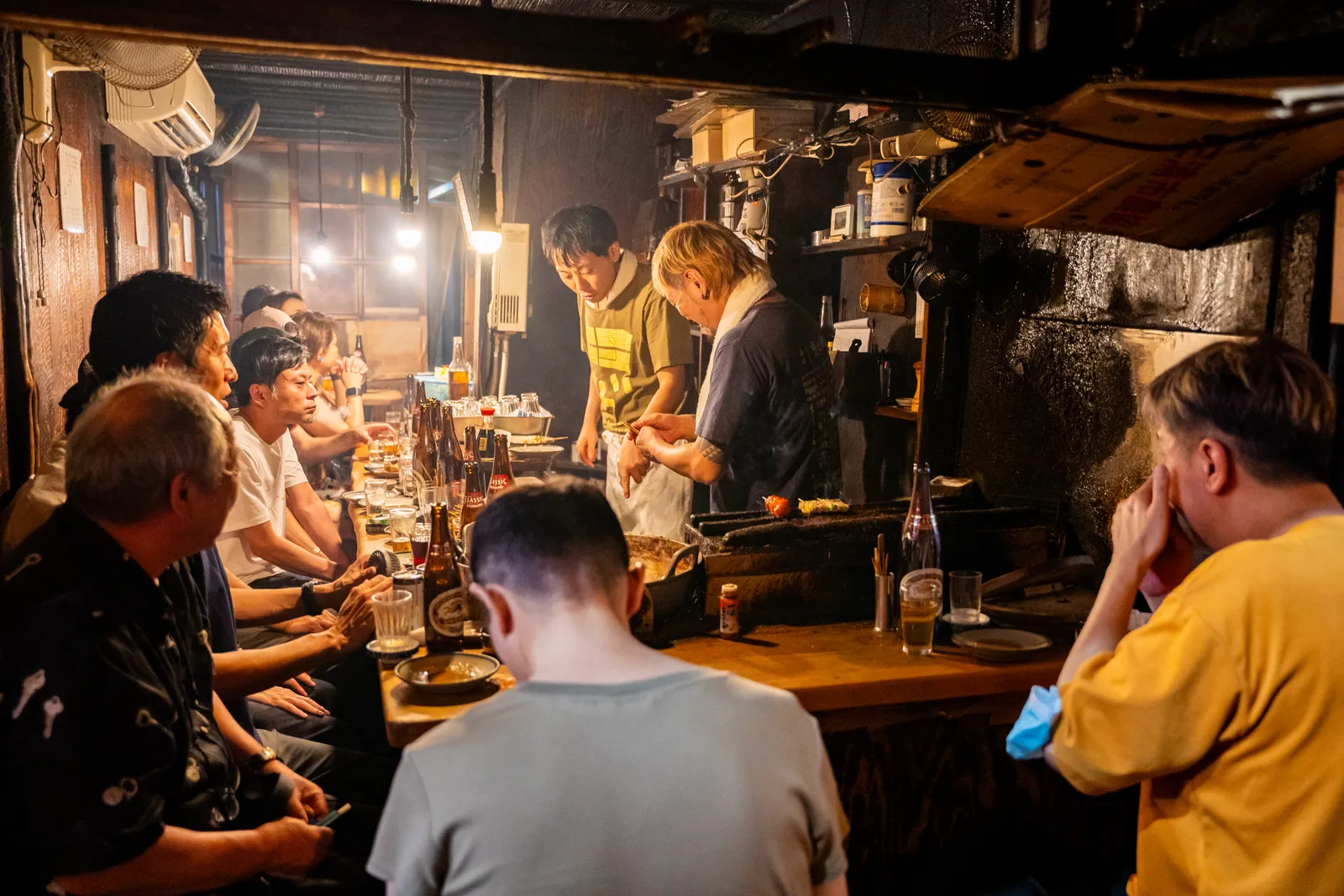
Most stalls open in the late afternoon and fill fast; some charge a small seat fee and few have English menus. A guided evening tour of Omoide Yokocho and Golden Gai, sold through a tours and activities platform, handles the ordering and the choosing.
Shinjuku station has more than 200 exits and handled about 2.7 million passengers a day in 2022, enough for the record as the world’s busiest. The concourses between the JR, private and subway lines are where a wheeled bag is slowest at rush hour, and the walk to the far exits can take ten minutes on its own.
The free observation decks at the Tokyo Metropolitan Government Building
The Tokyo Metropolitan Government Building stands among the office towers about ten minutes’ walk west of Shinjuku station’s west exit: two grey towers by Kenzo Tange, finished in 1991 at 243 metres, built as the seat of the city government and still used as one. Near the top of each tower, 202 metres up, an observation floor looks out over the whole of Tokyo, and both are free. Tokyo Skytree, Tokyo Tower and the green block of the Meiji Shrine woods show from them in most weather, and Mount Fuji on clear days, most reliably on winter mornings.
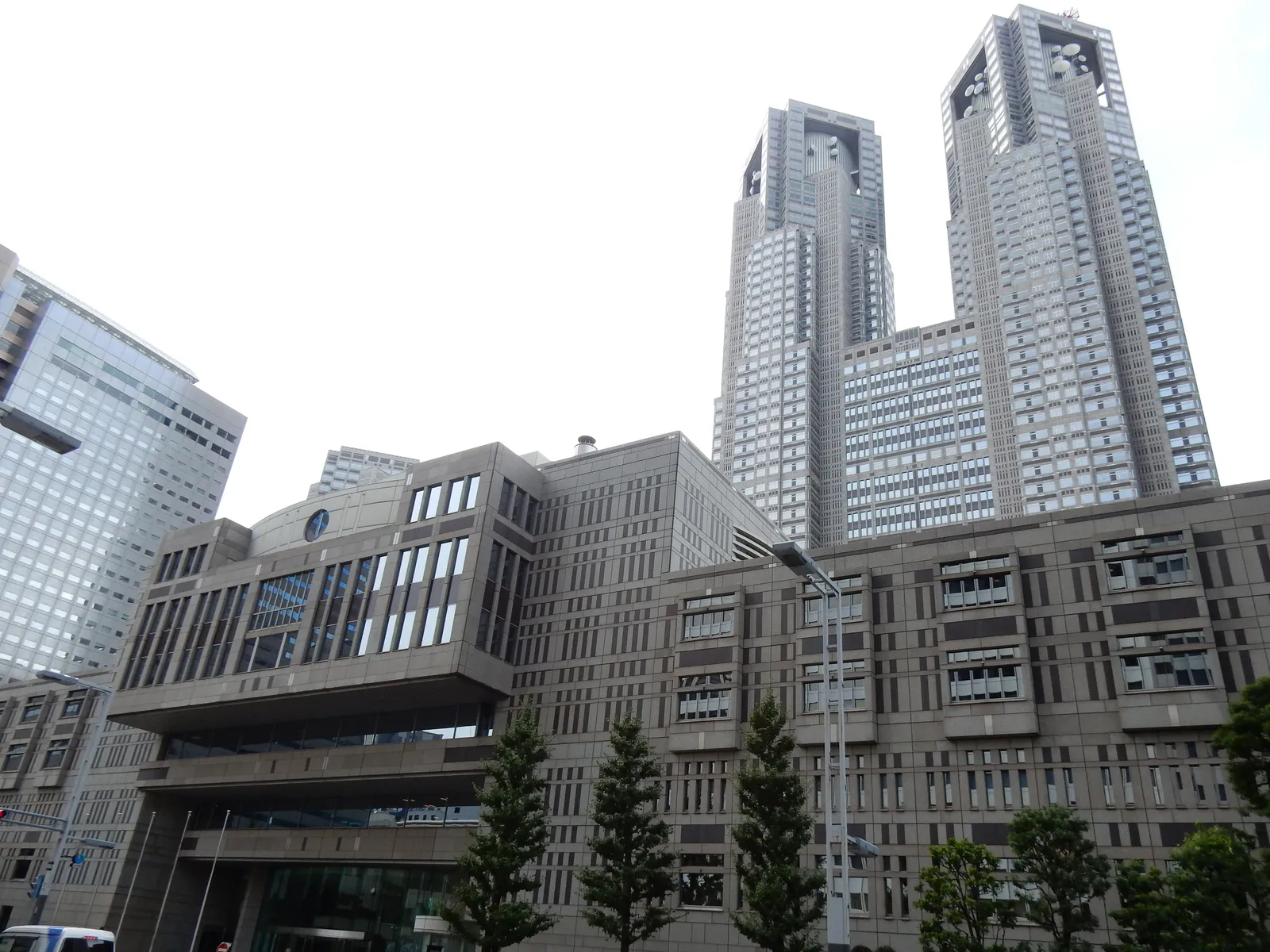
The South Observatory opens 9.30am to 10pm and the North 9.30am to 5.30pm, each closing on two set days a month, so one of the two is nearly always running. Bags are checked before the lifts. On evenings in good weather, a projection show plays across the face of the building every half hour and can be watched free from the plaza below.
For a gap of seven hours or more, the Ueno and Asakusa route on the other side of the city takes in Tokyo’s main museum and its oldest temple instead.
The Narita Express from Shinjuku takes 80 to 90 minutes
The Narita Express runs from Shinjuku to Narita International Airport (NRT) in about 80 to 90 minutes for around ¥3,300, every seat reserved; departures from Shinjuku are less frequent than from Tokyo Station, so fix the train before fixing the afternoon. The Airport Limousine Bus leaves from Busta Shinjuku, the bus terminal built over the station’s south exit, takes about 105 minutes to Narita for ¥3,600, and stows suitcases in the hold, which saves the platforms entirely.
Frequently asked questions
What should I do during a layover near Shinjuku Station in Tokyo?
Split it between a garden on the east side and a view on the west. Shinjuku Gyoen, ten minutes' walk from the station, is 58 hectares of French, English and Japanese gardens for ¥500, closed on Mondays. The Tokyo Metropolitan Government Building, ten minutes' walk west, has free observation decks 202 metres up, the south one open until 10pm. Omoide Yokocho, the yakitori alley beside the tracks, fills the evening. Only the garden has fixed hours worth planning around; the deck and the alley absorb whatever is left.
Is the free observation deck at the Tokyo Metropolitan Government Building open every day?
Nearly, because the two towers take turns. The South Observatory opens 9.30am to 10pm, last entry 9.30pm, and closes on the first and third Tuesday of each month. The North Observatory opens 9.30am to 5.30pm and closes on the second and fourth Monday. Both shut over the New Year apart from 1 January. Bags go through a check before the lifts, so a large suitcase is a nuisance there even though it is technically allowed.
Can I see Mount Fuji from Shinjuku?
On a clear day, from the free decks at the Tokyo Metropolitan Government Building, which look west across the city towards it. The odds are best on dry winter mornings between December and February, when the air is clearest; on a hazy summer afternoon it is usually invisible. Tokyo Skytree and Tokyo Tower show from the same decks in most weather.
Is Shinjuku Gyoen open on Mondays?
Usually not. The garden closes every Monday, and when a Monday is a public holiday it opens that day and closes the following weekday instead. The exceptions are the two busiest seasons, roughly late March to late April for the cherry blossom and the first half of November for the chrysanthemum display, when it opens every day. On a Monday outside those weeks, the free observation decks at the Tokyo Metropolitan Government Building and Omoide Yokocho are the Shinjuku options left.
How do I get from Haneda Airport to Shinjuku?
The cheapest way is the Keikyu train from Haneda to Shinagawa, then the JR Yamanote loop line to Shinjuku, about 45 minutes with the change, for around ¥500 to ¥600. The airport limousine bus runs direct to Shinjuku Station and the big Shinjuku hotels in 45 to 60 minutes, about ¥1,400, depending on traffic.