Ueno and Asakusa on a Tokyo Layover, NRT
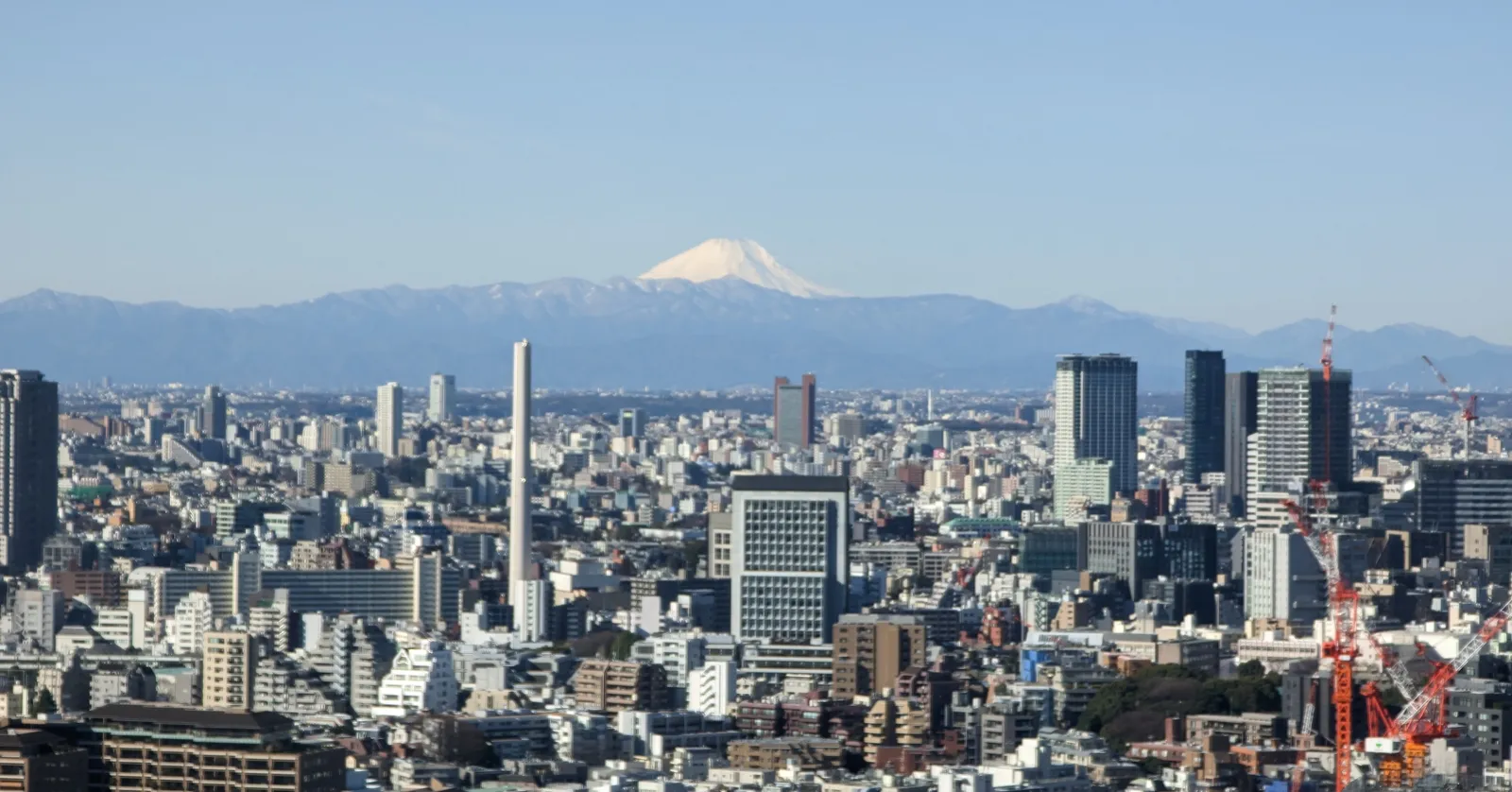
Tokyo’s Taito ward puts a national museum and the city’s oldest temple three subway stops apart: Tokyo National Museum in Ueno Park charges ¥1,000 and closes on Mondays, and Senso-ji in Asakusa costs nothing and has no closing time at all.
Tokyo National Museum holds 89 of Japan’s national treasures
Ueno Park covers the low plateau north of Ueno station, and the museum closing off its northern end has been collecting since 1872, which makes it the oldest national museum in the country. The holding is around 120,000 objects, of which 89 carry the national treasure designation and another 649 are registered as important cultural properties. It is split across six buildings rather than one: the Honkan for Japanese art, the Toyokan for the rest of Asia, the Heiseikan for special exhibitions, and a separate gallery for the Horyu-ji treasures, which are seventh and eighth century pieces handed to the imperial household by the temple in 1878.
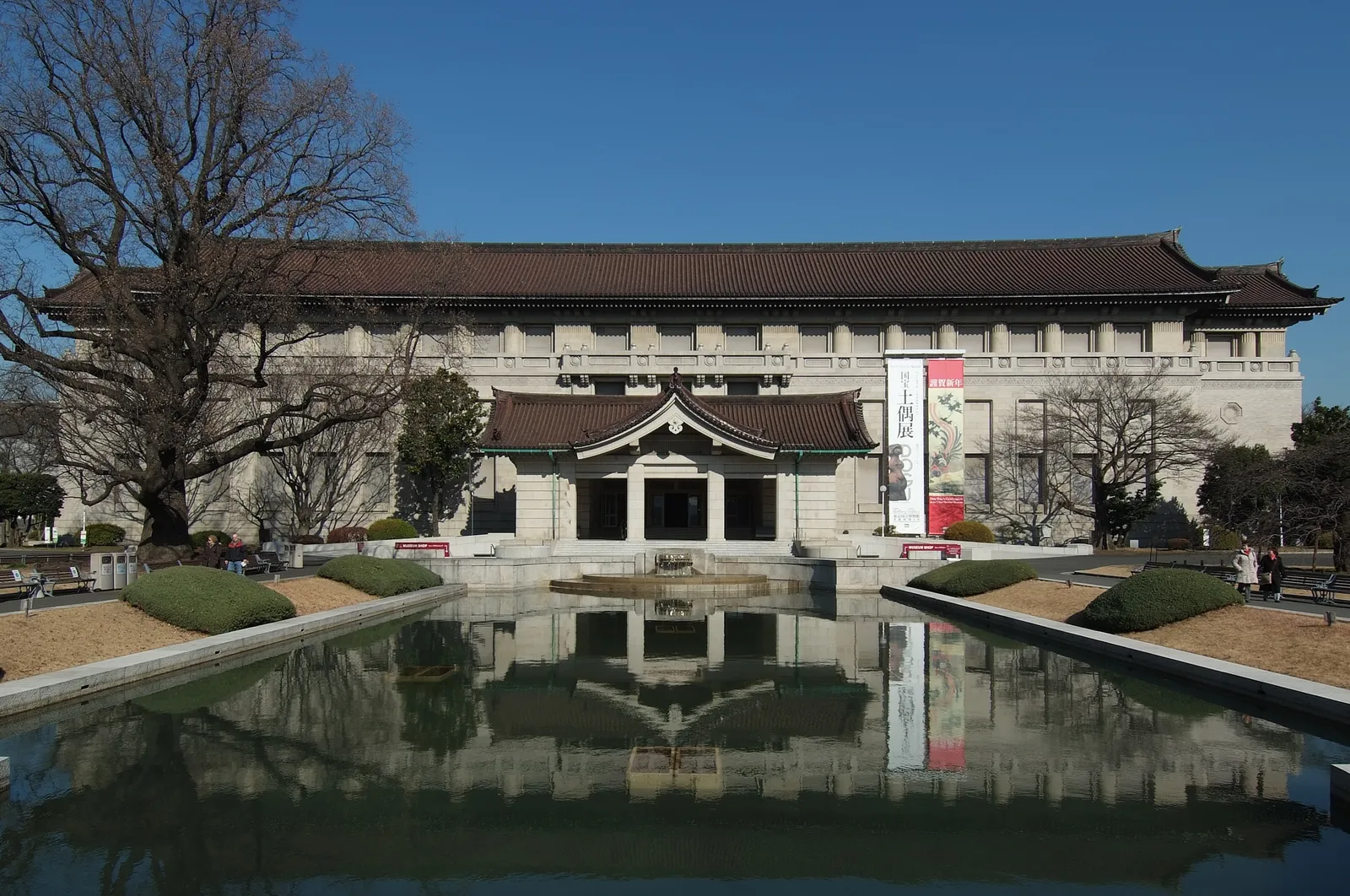
Swords, armour, lacquer, woodblock prints and early Buddhist sculpture are the reason most people come, and two hours covers the Honkan without hurrying. Adult admission to the permanent galleries is ¥1,000, university students pay ¥500, and anyone under 18 or over 70 gets in free. Doors are 9.30am to 5pm, pushed to 9pm on Fridays and Saturdays, with last admission half an hour before close, and the whole site takes Mondays off. Advance admission is sold through a tours and activities platform, which saves the ticket window at the gate. The Kuroda Memorial Hall at the northwest corner is a separate 1928 building holding the work of the painter Kuroda Seiki, and it costs nothing to walk into on the same hours.
The view from Tokyo Skytree reaches Mount Fuji
Tokyo Skytree rises from Oshiage on the east bank of the Sumida, 634 metres to the tip of its mast, and it has two observation levels: the Tembo Deck at 350 metres and the Tembo Galleria, a spiral ramp, at 450. The deck is where the view actually is. Tokyo from up there has no edges, just roofs running out past the horizon in every direction, and on a clear winter day Mount Fuji sits on the southwestern skyline about 100 kilometres off. A section of the deck’s lowest floor is glazed underfoot so you can stand on the drop.
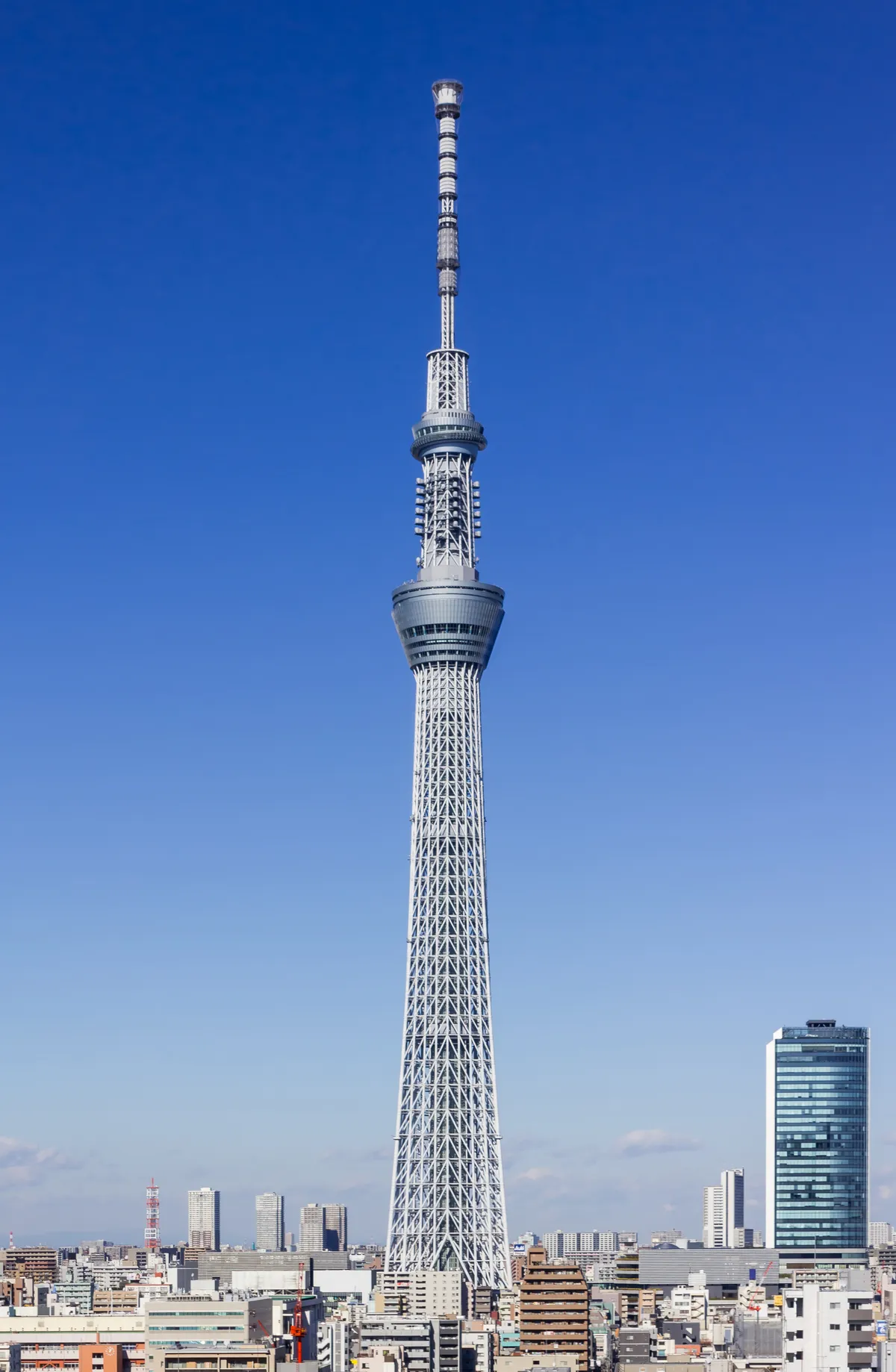
An adult ticket for the Tembo Deck sits in a band of roughly ¥2,100 to ¥2,400, with the Galleria on top of that if you want the upper level; pricing now moves day by day with how busy the date is, so treat those as a range rather than a fare. Deck tickets are sold in timed slots through a tours and activities platform. The tower is one stop and three minutes from Asakusa on the local railway, or about twenty minutes on foot across the river. Ueno’s coin lockers are the usual fallback for a bag on an afternoon like this, and they fill up fast, with the doors big enough for a full-size suitcase making up a small share of any bank of them.
Senso-ji’s grounds have no closing time
Senso-ji stands at the top of Nakamise-dori in Asakusa, founded in 628 according to the temple’s own account and first documented in 1181, which makes it the oldest temple in Tokyo. The Kaminarimon, the outer gate on the main road, carries a red paper lantern about four metres tall with the gods of wind and thunder standing on either side of it. Behind the gate, Nakamise is a couple of hundred metres of stalls selling rice crackers, fans, folding umbrellas and grilled sweets, running up to a second gate and then the main hall.
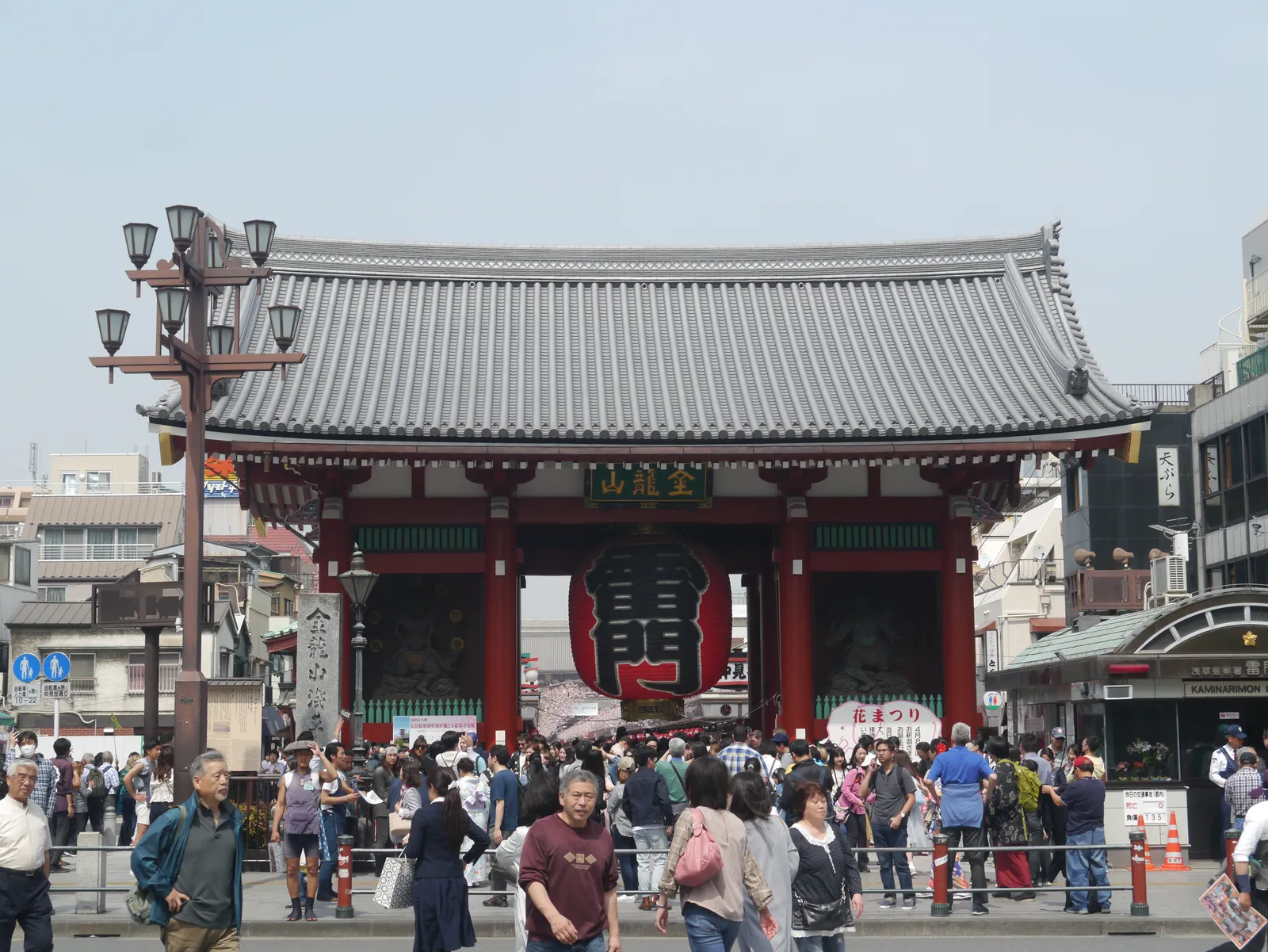
The hall you walk into dates from 1958. Its seventeenth-century predecessor burned in the firebombing of March 1945 along with most of the surrounding district, which is why the temple reads younger than its founding date; Kyoto came through the war largely intact, and its halls are old in a way Tokyo’s mostly are not. Nothing here charges admission. The main hall opens at 6am, or 6.30am between October and March, and closes at 5pm, but the grounds have no gate and no closing time, so the complex is walkable at any hour, which is the reason it survives a departure at an awkward time when the museums do not.
Directly across the road from the Kaminarimon, the ward’s tourist information centre keeps an outdoor terrace on its eighth floor. It is free, there is rarely a line, and it looks straight down the length of Nakamise to the temple roofs at the end, with Tokyo Skytree standing over the rooftops in the other direction. The desk downstairs works 9am to 8pm and the terrace stays open later than that.
Ameyoko, the market under the Ueno railway viaduct
Ameya-Yokocho occupies the strip of ground running south from Ueno station beside the elevated railway, part of it tucked under the viaduct itself, and it holds over 250 shops in a lane a few metres wide. It started as a post-war trading ground: one account traces the name to the candy sellers who set up when sugar was scarce, another to the stores selling off surplus American army kit. What is sold now is seafood on ice, fruit by the bag, spices, dried goods, trainers, watches and luggage, with the stallholders calling prices across the lane at each other.
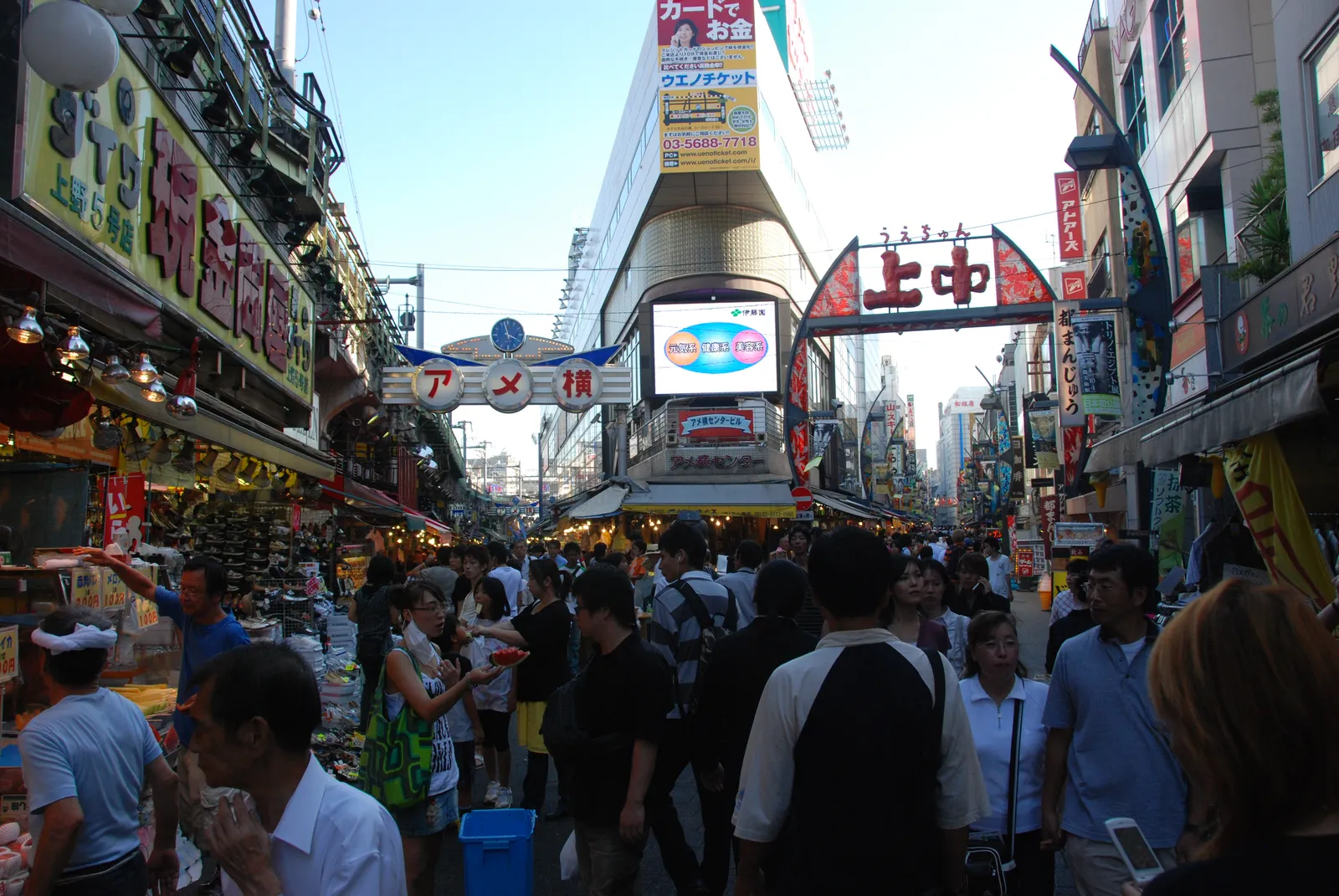
It is the easiest thing to add when an hour turns up spare, because it needs no ticket, no slot and no plan, and it keeps trading into the evening after the galleries have shut. The lane narrows where the viaduct pillars come down into it, and on a weekday evening the crowd there moves at the speed of the slowest person in it.
The last airport express out of Ueno leaves at 18:20
The Keisei Skyliner covers Keisei Ueno to Narita International Airport (NRT) in a little over 40 minutes of riding, reaching Terminal 2·3 first and Terminal 1 a few minutes later, at ¥2,580 one way with every seat reserved. Departures run about every 20 minutes through the day, the first at 5.40am, and Nippori one stop down the line shaves a few minutes off. The awkward part is the evening: the last Skyliner leaves Keisei Ueno at 18:20, and from then until around 11pm the airport service is the Evening Liner on the slower Keisei Main Line, which costs a ¥410 seat supplement over the ordinary fare.
For a genuinely late departure the better answer is to finish in Asakusa rather than Ueno. The Keisei Access Express runs from Asakusa station straight through to both Narita terminals with no change at all, a little over an hour for about ¥1,276 on a contactless card, and no reserved seat to buy. One thing to plan for at the far end: Terminal 3 has no station, so a low-cost departure means covering the 500 metres from Terminal 2 on foot or by shuttle bus once you are off the train.
Budget from the door, not from the timetable. Those 40-odd minutes of riding come out closer to an hour door to door once the walk down to the Keisei platforms and the wait for the next departure are counted, and the Access Express from Asakusa runs about an hour and a quarter on the same basis. Add international check-in at the far end and a seven to nine hour gap leaves four or five hours on the ground. It also settles where the suitcase spends the afternoon: take a storage point beside whichever of the two stations you mean to leave from, Ueno or Asakusa, rather than wheeling it down Nakamise and back.
Frequently asked questions
What should I do during a layover in Tokyo?
Stay in one corridor rather than crossing the city. Ueno Park and Asakusa are three subway stops apart, and between them they hold Tokyo National Museum, the Senso-ji temple complex and the Ameyoko market, which is most of what an afternoon can absorb. Tokyo National Museum is the one that needs planning, because it shuts on Mondays and takes two hours to do properly at ¥1,000 a head; Senso-ji and Ameyoko need neither a ticket nor a time slot, so they absorb whatever is left over. Tokyo Skytree is worth adding if you want a view and have booked a slot, and is the first thing to drop if you have not.
What is open in Ueno and Asakusa on a Monday?
Senso-ji and Ameyoko, which is enough for an afternoon. The temple grounds in Asakusa have no gate and no closing time, the main hall works 6am to 5pm (from 6.30am between October and March), and the Nakamise stalls in front of it run roughly 9am to 7pm. Ameyoko's shops mostly trade on a Monday too. Tokyo National Museum is the problem: it closes every Monday, and so does the free Kuroda Memorial Hall at the northwest corner of the same grounds. When a Monday falls on a national holiday the museum opens and takes the Tuesday off instead. Tokyo Skytree opens daily.
Does this route work with kids?
Better than most Tokyo itineraries, mainly on price. Tokyo National Museum lets anyone under 18 in free, so a family pays only for the adults, and the same applies to visitors over 70. Tokyo Skytree charges reduced rates for 12 to 17 and 6 to 11 year olds and nothing under 6. Ueno Park is flat and open, Senso-ji's forecourt is paved and level, and the Nakamise stalls sell food the whole way along. Ameyoko is the one stretch to think about: the lane is narrow and shoulder to shoulder in the late afternoon, which is hard going with a pushchair.
Is the Skyliner or a slower train better for getting to Narita Airport?
It depends entirely on what time your flight leaves. The Keisei Skyliner is the fast option, about 40 minutes from Keisei Ueno to Narita International Airport (NRT) for ¥2,580, every 20 minutes or so, every seat reserved. Its catch is the timetable: the last Skyliner out of Keisei Ueno goes at 18:20, and after that the Evening Liner takes over on the slower Keisei Main Line, running to about 11pm with a ¥410 seat supplement on top of the base fare. From Asakusa there is a third option that runs later and needs no reservation at all: the Keisei Access Express goes straight through to both Narita terminals without a change, a little over an hour, about ¥1,276 on a contactless card.
Is Tokyo Skytree worth booking ahead?
Yes, for two reasons that have nothing to do with queues at the top. Buying at the fourth-floor counter or its machines adds a ¥500 service fee per ticket that an online purchase does not carry, and the deck now runs on demand-based pricing, so the same weekday slot can cost noticeably less booked early than walked up to. A timed entry ticket through a tours and activities platform locks the slot in advance, which matters more than usual when the rest of the day is built backwards from a departure time.