Layover Near St Stephen's Green, Dublin
Part of the full Dublin Layover: The Book of Kells From DUB
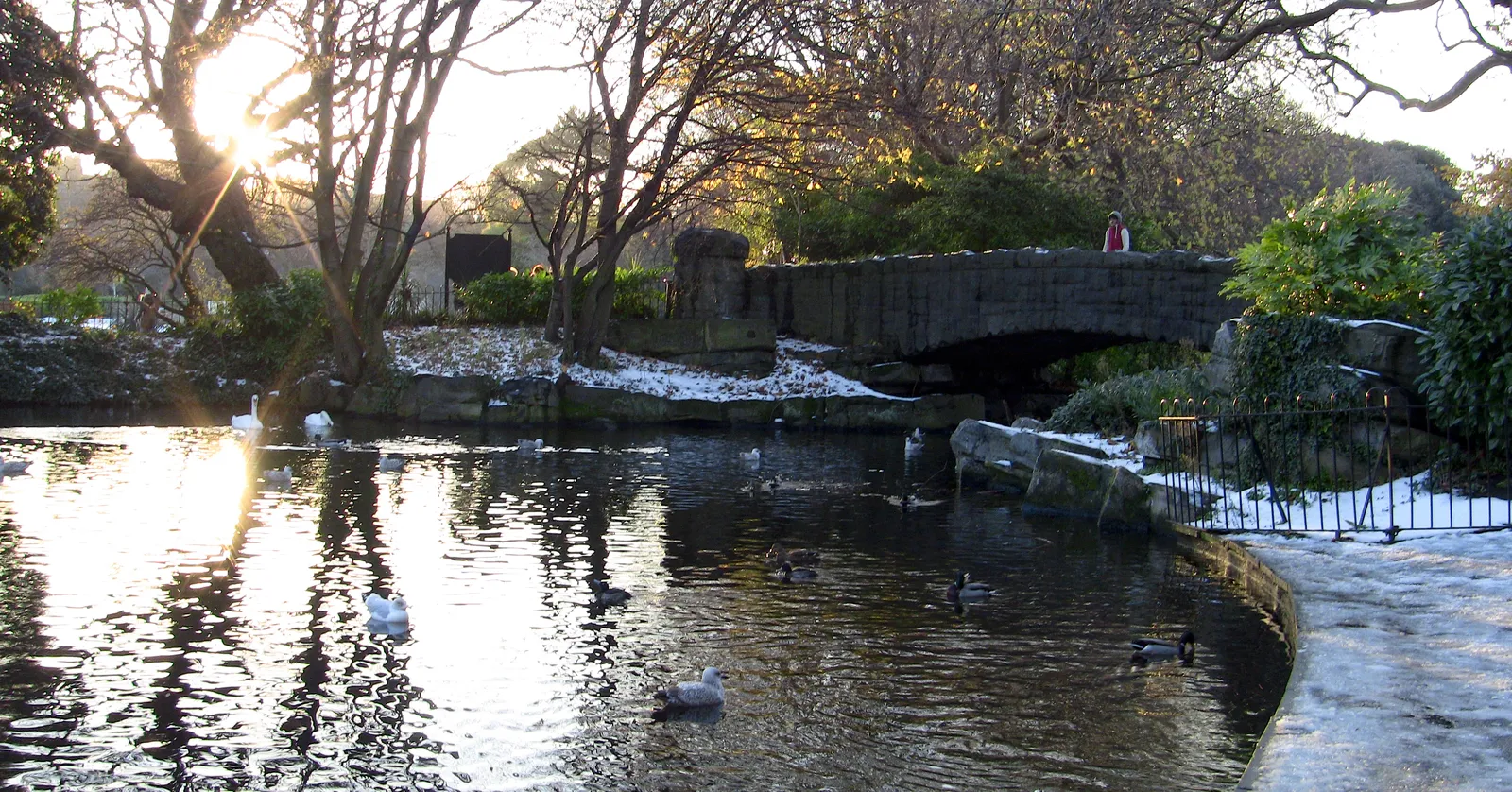
St Stephen’s Green sits at the top of Grafton Street in Dublin, nine hectares of Victorian park with a lake and a waterfall in it, and the free National Gallery is ten minutes east on the other side of Merrion Square.
The 1916 trenches dug in St Stephen’s Green
Lord Ardilaun paid to lay the Green out in its present form and opened it to the public in 1880, and the Victorian plan is still what you walk through: an ornamental lake with a humpback bridge, a waterfall over Pulham rockwork on the west side, herbaceous borders, and more than three and a half kilometres of level path. It has never charged admission.
On Easter Monday 1916 the Irish Citizen Army under Michael Mallin and Constance Markievicz occupied it and dug trenches in the lawns, which turned out to be a poor choice: the British took the upper floors of the Shelbourne Hotel on the north side and fired down into them. The detail everyone remembers is what happened in between. Both sides stopped shooting once a day so that James Kearney, the park keeper, could come in and feed the ducks on the lake. He did it every day of the week the fighting lasted.
Gates open at 7.30am from Monday to Saturday, 9.30am on Sundays and bank holidays, and close at dusk, so a winter evening here is shorter than it sounds.
Copy Number One of Ulysses at the Museum of Literature Ireland
The Museum of Literature Ireland occupies 85 and 86 St Stephen’s Green, two Georgian townhouses on the south side of the park that were University College Dublin’s original home, and its single most valuable object is Copy Number One of Ulysses: the first copy off Sylvia Beach’s press in Paris in 1922.
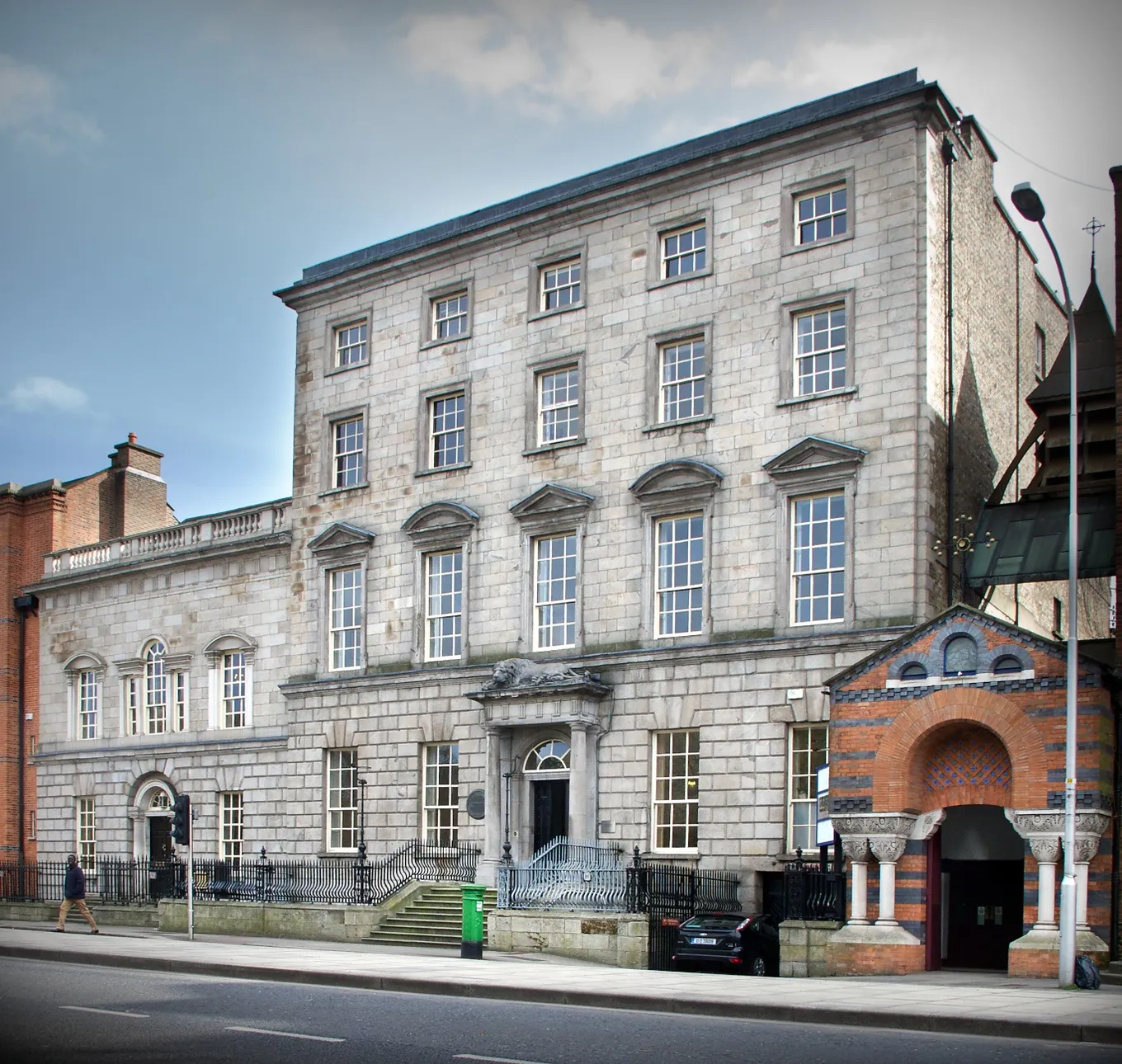
Joyce read for his degree in these rooms and graduated in 1902, and the ash tree he was photographed against on graduation day is still standing in the garden behind. A self-guided ticket starts at €16.50 and a guided tour is €18; it opens Tuesday to Sunday, 10.30am to 5.30pm, with last admission at 4.30pm, and an hour and a half covers it comfortably. Capacity is limited and the afternoon slots go first, so booking a time before you arrive is worth the two minutes. Newman University Church stands immediately next door at number 87, free to walk into, and its interior is Byzantine Revival rather than Gothic because John Henry Newman, who founded it in 1856, could not stand Gothic; nothing about the plain Georgian frontage warns you.
Caravaggio’s Taking of Christ at the National Gallery
The National Gallery of Ireland runs along Merrion Square West and costs nothing to enter, permanent collection and most temporary shows alike. Its most famous painting spent about two centuries lost: The Taking of Christ hung misattributed in a Jesuit house of studies on Leeson Street, ten minutes from this building, until a cleaning in 1990 established it as Caravaggio’s, and it has been here on indefinite loan since.
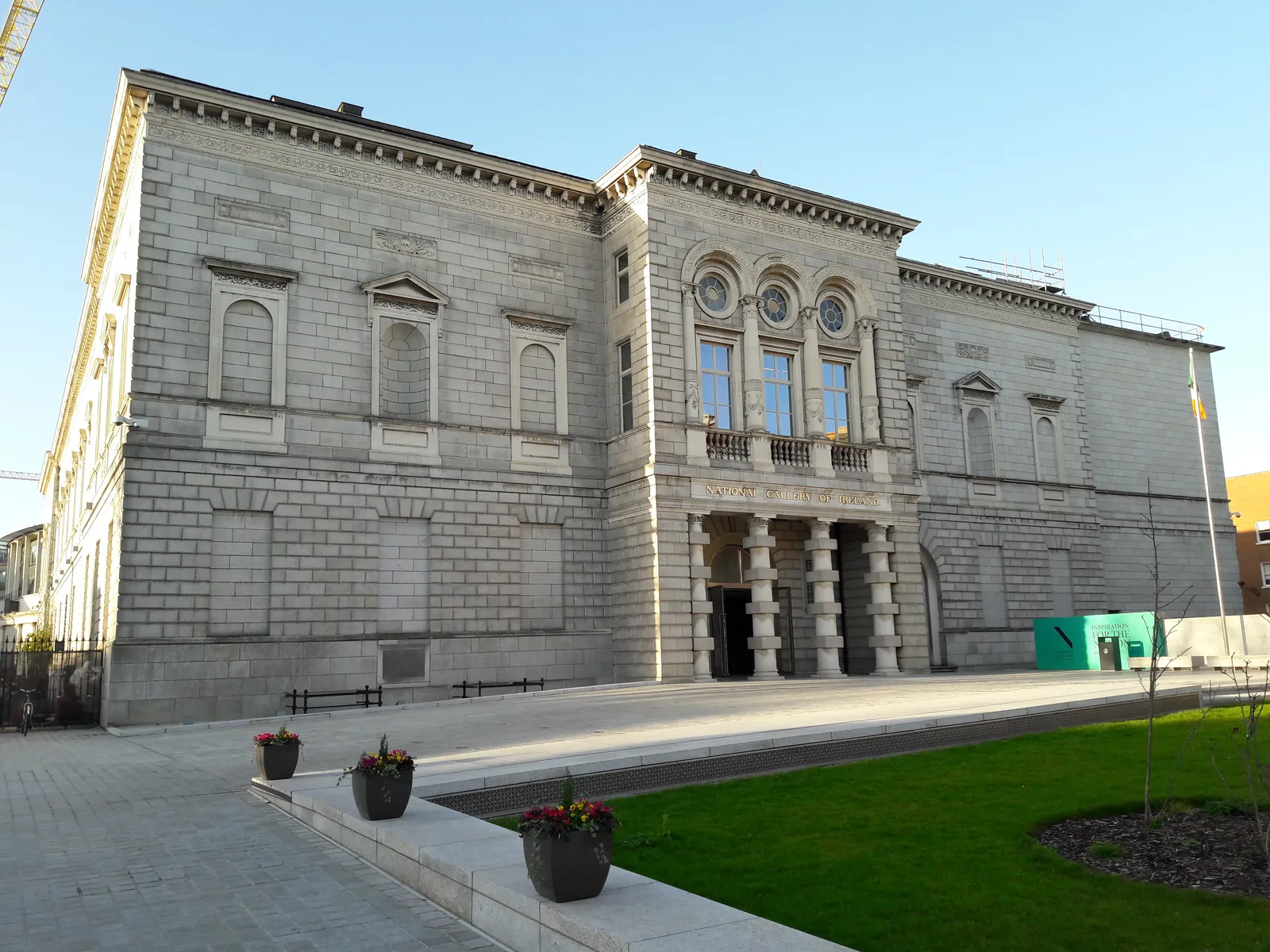
The Irish rooms are the other reason to come, and the Yeats Archive there was built around the paintings and working notebooks of Jack B. Yeats. Hours are 9.30am to 5.30pm Monday to Saturday, with a late Thursday to 8.30pm and a noon start on Sundays, so a Sunday morning arrival has to fill an hour elsewhere first.
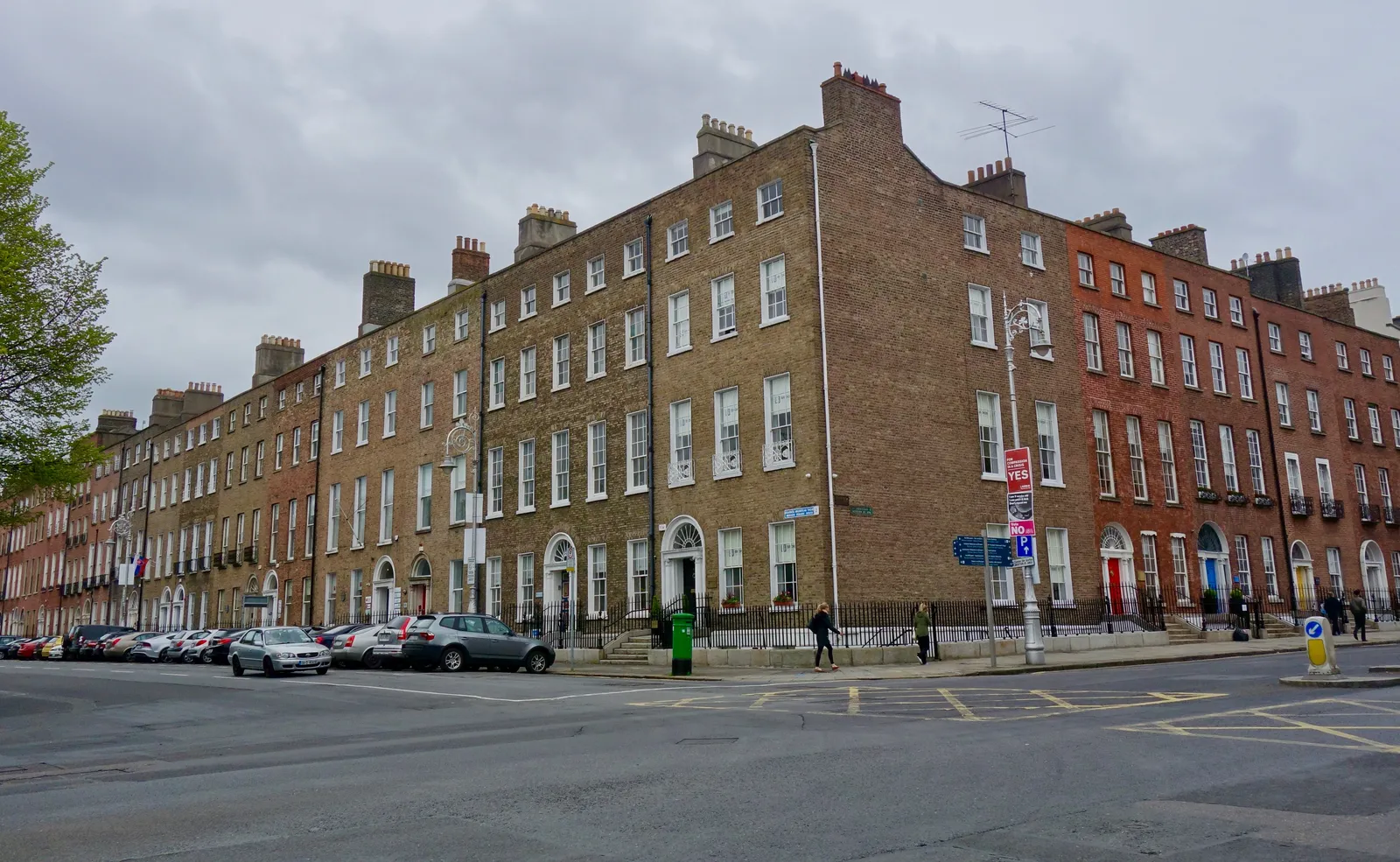
Merrion Square itself was laid out from 1762 and three of its four sides survive more or less whole, which is why the fanlit doorways here are the ones that end up on postcards of the city. The park in the middle is free and open through the day. Read the plaques as you go: W. B. Yeats lived at number 82, Daniel O’Connell at 58, and Oscar Wilde grew up at number 1 on the north-west corner, opposite the gallery.
This whole route is park, pedestrian street and open square, with the two museums the only roof on it and both shut by half past five, so an afternoon of Dublin rain with a suitcase in tow has nowhere to wait it out.
St Stephen’s Green has no airport stop of its own
Fifteen minutes down Grafton Street and over the river gets you to the quayside stops, and that walk is part of the journey rather than a detour from it. Dublin Express routes 782, 783 and 784 run 102 coaches a day from there, €9 one-way booked online, first out of Terminal 1 at 03:05 and last at 00:35, taking 14 minutes through the Dublin Port Tunnel at best and 25 to 45 minutes in normal traffic.
There is no train and no metro to the airport from anywhere in Dublin, and there will not be until the 2030s. Dublin Airport asks for two hours before short-haul and three before long-haul, the longer figure mattering most for United States flights, which clear American immigration in Terminal 2 before boarding. If you have more time than this corner of the city needs, the main Dublin route picks up Trinity College, the National Museum on Kildare Street and St Patrick’s Cathedral on the way west.
Frequently asked questions
What time does St Stephen's Green open and close?
The gates open at 7.30am Monday to Saturday and 9.30am on Sundays and bank holidays, and they close at dusk, which in a Dublin December means shortly after four in the afternoon and in June means after nine. The park is locked overnight, so it is not a place to kill an hour before a very early or very late flight. Admission has never been charged, and there are more than 3.5 kilometres of paths inside, all of them surfaced and level.
Is the National Gallery of Ireland free?
Yes, for the permanent collection and for most temporary exhibitions. It runs 9.30am to 5.30pm Monday to Saturday, stays open to 8.30pm on Thursdays, and opens at noon on Sundays. The picture worth walking in for is Caravaggio's The Taking of Christ, which hung misattributed and unrecognised in a Jesuit house elsewhere in Dublin until a cleaning in 1990 identified it; it has been on indefinite loan to the gallery ever since.
What is worth booking ahead near St Stephen's Green?
The Museum of Literature Ireland is the one with a gate price and limited daily capacity: it runs Tuesday to Sunday, 10.30am to 5.30pm with last admission at 4.30pm, from €16.50 for a self-guided visit and €18 for a guided tour, and a slot can be held online. Everything else on this side of the city, the Green itself, the National Gallery and Merrion Square, takes walk-ups and charges nothing.
Is there anywhere to shelter from rain around St Stephen's Green?
Very little, which is the honest weakness of this route. The Green, Grafton Street and Merrion Square are all open ground or open street, and the bandstand is the only roof inside the park. The two indoor stops are the museum on the Green's south side and the National Gallery ten minutes east, and both shut in the late afternoon, the museum at 5.30pm with last admission an hour earlier. Newman University Church next door to the museum is free to step into and open through the day, which makes it the useful bolthole nobody plans for.