Dublin Layover: The Book of Kells From DUB
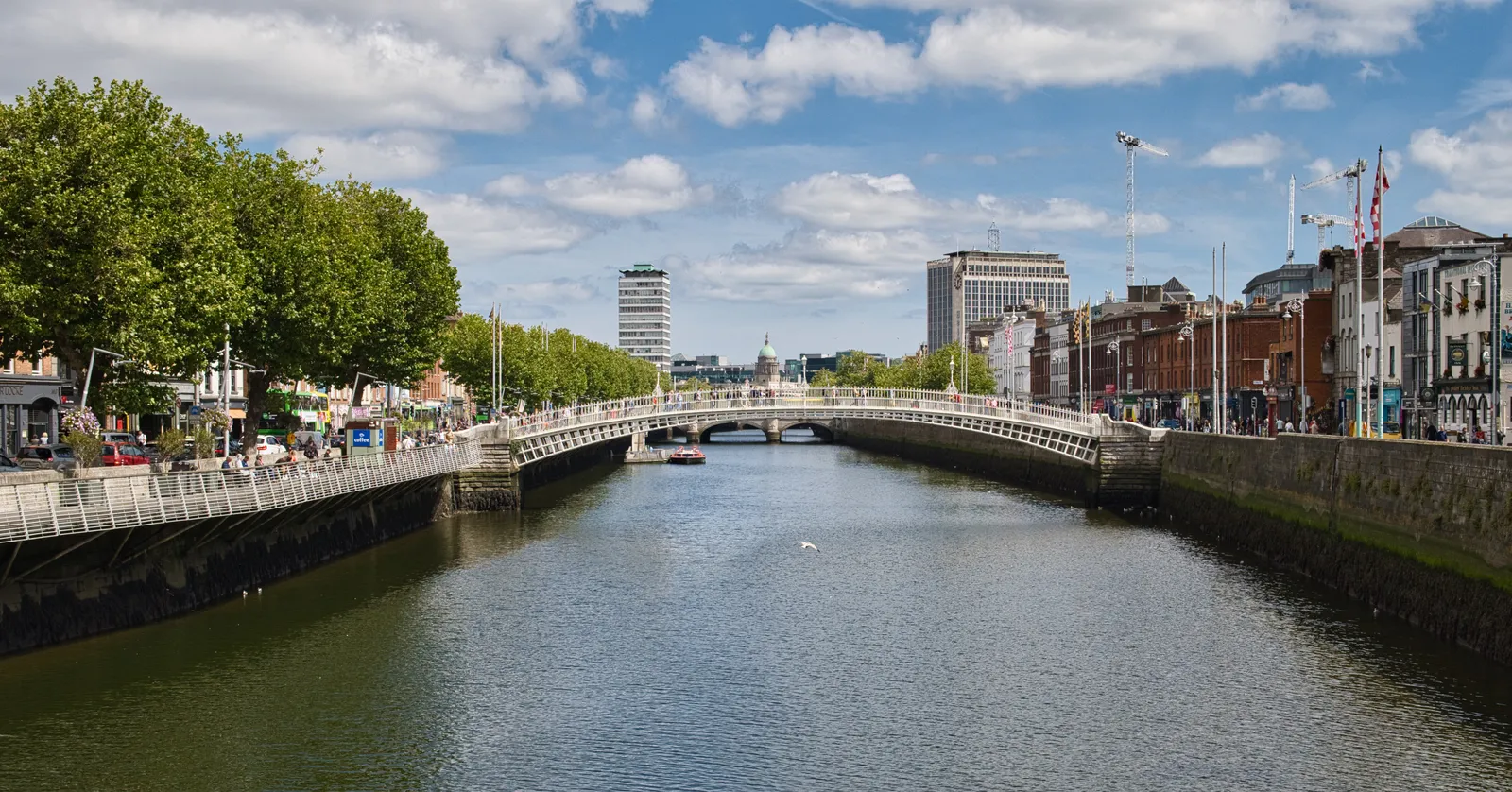
Central Dublin puts the Book of Kells, a room of Iron Age bog bodies and Jonathan Swift’s cathedral inside one mile of flat walking south of the Liffey.
The Book of Kells and the Long Room at Trinity College
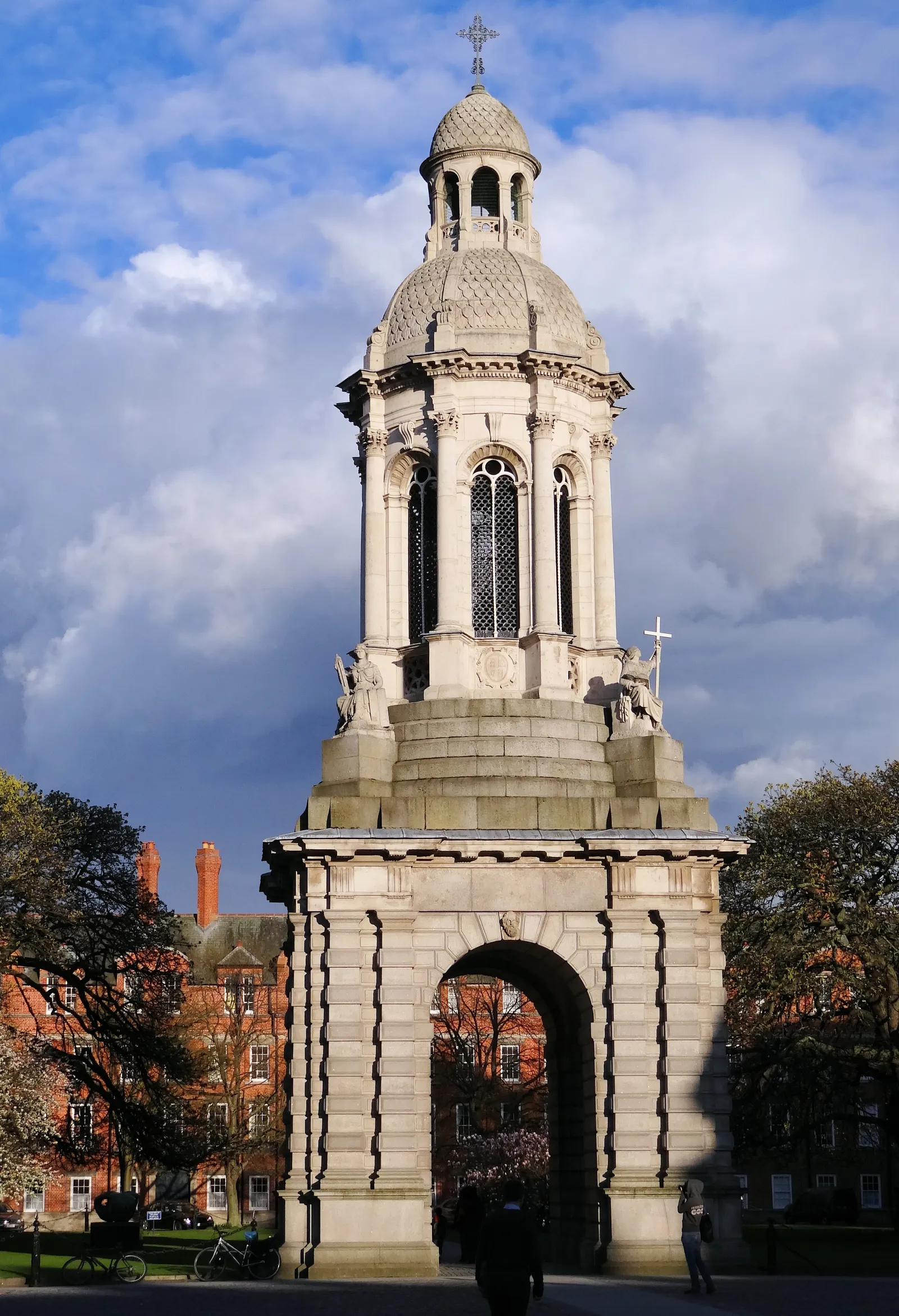
Trinity College sits behind a long grey classical front on College Green, in the middle of Dublin, and the Old Library on the far side of its cobbled squares holds the Book of Kells: four gospels in Latin, written and illuminated by monks around 800 AD, and turned to a different page every few weeks. Admission runs on timed slots from €26, and the summer ones go weeks in advance.
The same ticket takes you up into the Long Room, the 65-metre barrel-vaulted hall above it, and this is where a visit in 2026 differs from the photograph you have probably seen. The Old Library Redevelopment Project has taken the books off the shelves, all but the first four bays inside the door, and they stay off until the conservation work is done. What remains is the oak vault, the marble busts down both sides and the Gaia globe hanging in the middle of the room, which is a stranger and emptier space than the one on the postcards, and worth ninety minutes of a flight day either way.
Getting into the college grounds costs nothing, incidentally, and the squares are open long after the library has shut.
The Gravity Bar on top of the Guinness Storehouse
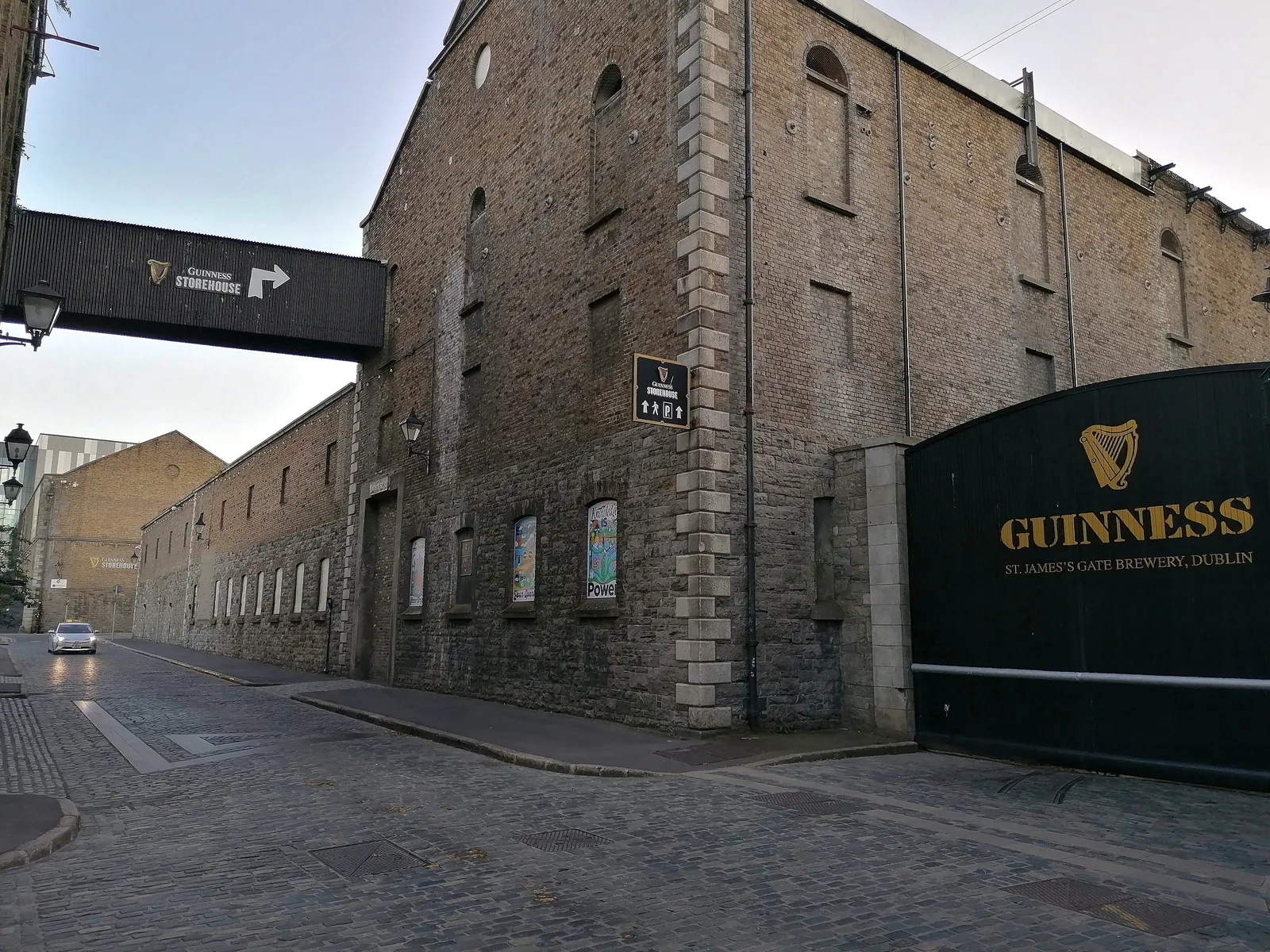
Guinness has been brewed at St James’s Gate since 1759, on a lease Arthur Guinness signed for nine thousand years, and the Storehouse is the seven-floor visitor building in the middle of the working brewery. It is about a twenty-five minute walk west of Trinity along Dame Street and Thomas Street, or a few stops on the tram.
The climb through the floors covers the ingredients, the cooperage and a century of the advertising, and it ends in the Gravity Bar under the roof, a glass ring with the whole city laid out below it and the Wicklow Mountains behind that on a clear day. The pint at the top is included. Admission is priced dynamically and starts around €26, which means the same slot is cheaper booked ahead than bought at the door, so it is worth holding a ticket in advance. Budget about ninety minutes inside, plus the walk each way; with only three or four hours in hand this is the stop that eats the others.
Iron Age bog bodies in the National Museum on Kildare Street
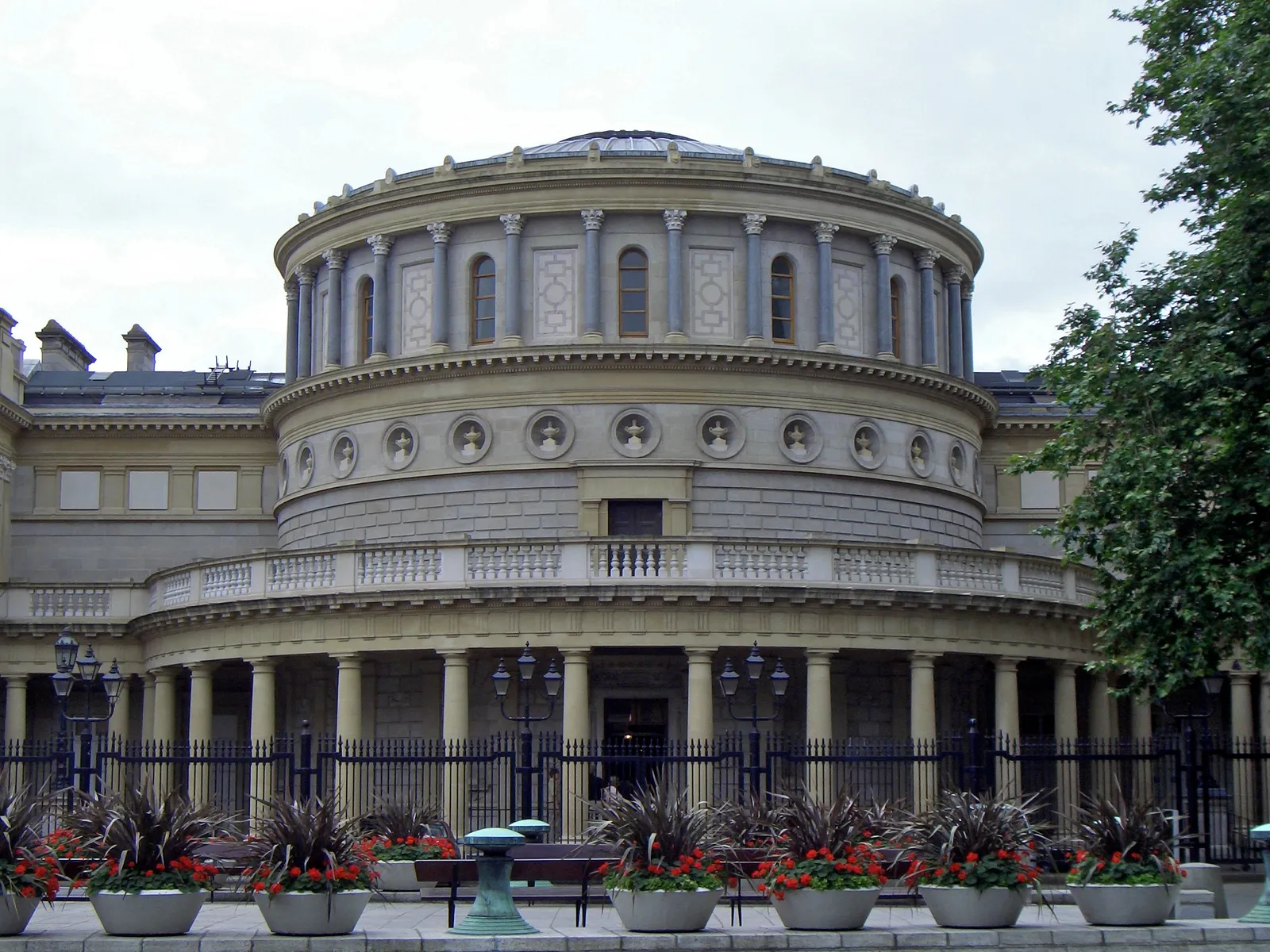
Kildare Street runs south from Trinity’s back gate past Leinster House, and the National Museum of Ireland’s archaeology building stands on it: a domed Victorian rotunda with a mosaic floor, opened in 1890, and free to walk into.
The Kingship and Sacrifice gallery is the reason to come. Old Croghan Man and the other bodies in it were cut out of Irish peat bogs two thousand years after they were put there, and the peat kept skin, fingernails and the last meal in the stomach. It is a quiet, dim room and it is not a soft half hour. Upstairs and along the corridors are the Tara Brooch, the Ardagh Chalice and enough prehistoric gold to fill a bank vault, none of which costs anything either. Hours are Tuesday to Saturday 10am to 5pm, and 1pm to 5pm on Sundays and Mondays, with last entry recommended at 4.30pm.
One practical thing: the museum’s cloakroom is out of service, and its own visitor notes ask you not to bring suitcases or large bags into the galleries at all.
Jonathan Swift’s grave in St Patrick’s Cathedral
Jonathan Swift was dean of St Patrick’s from 1713 until he died in 1745, wrote Gulliver’s Travels while he held the job, and is buried in the nave beside Esther Johnson, with his own furious Latin epitaph on the wall above. Most of the building went up between 1191 and 1270, it is the largest church in Ireland, and it stands on St Patrick’s Close about fifteen minutes’ walk west of Kildare Street.
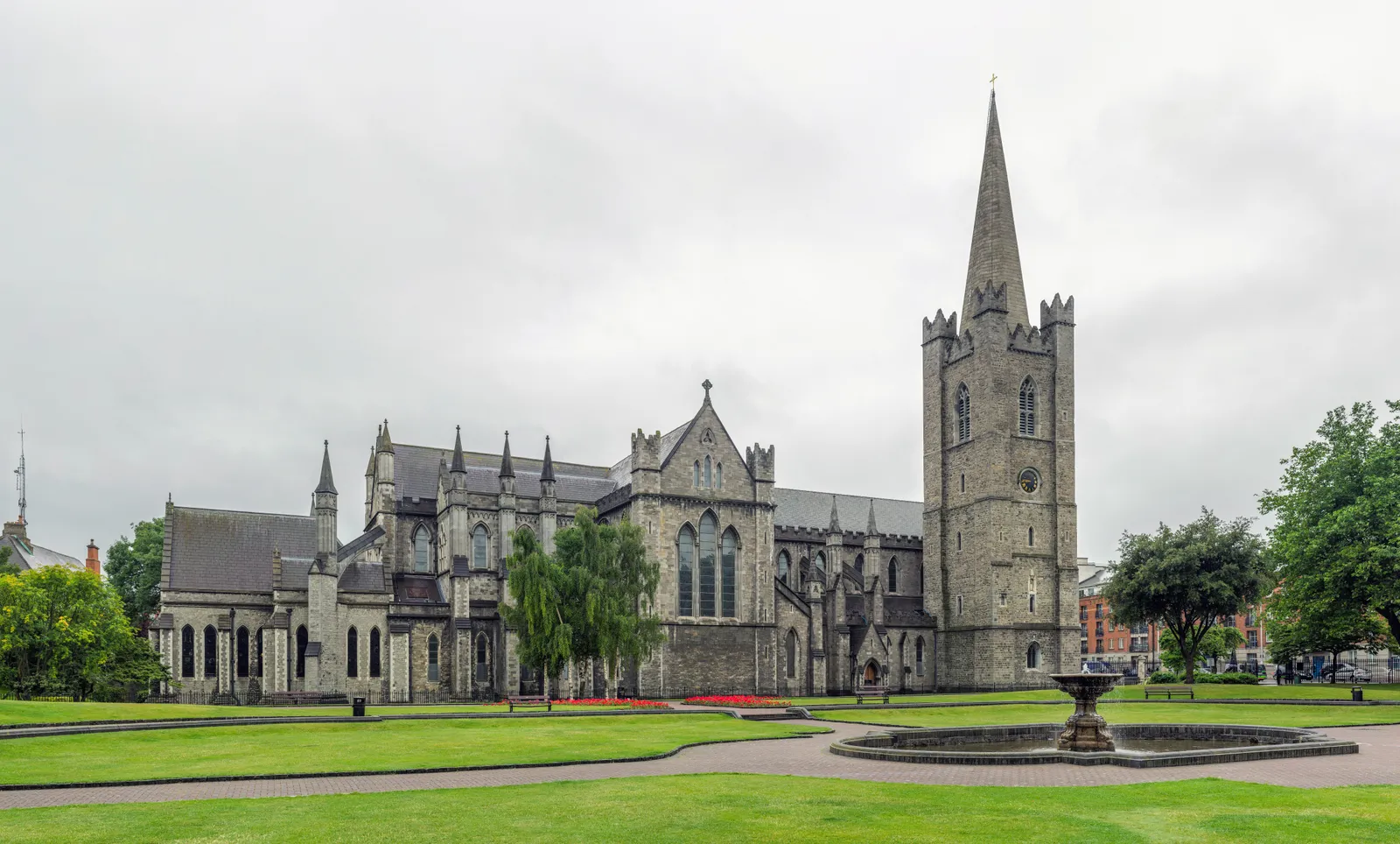
An adult ticket is €11.50. The useful thing to know is the free guided tours, which run at 10.30am and 2.30pm from Monday to Saturday and are included once you are in. Sunday is the day to avoid if you are working to a flight: the cathedral opens to visitors only between services, in three short windows, rather than straight through.
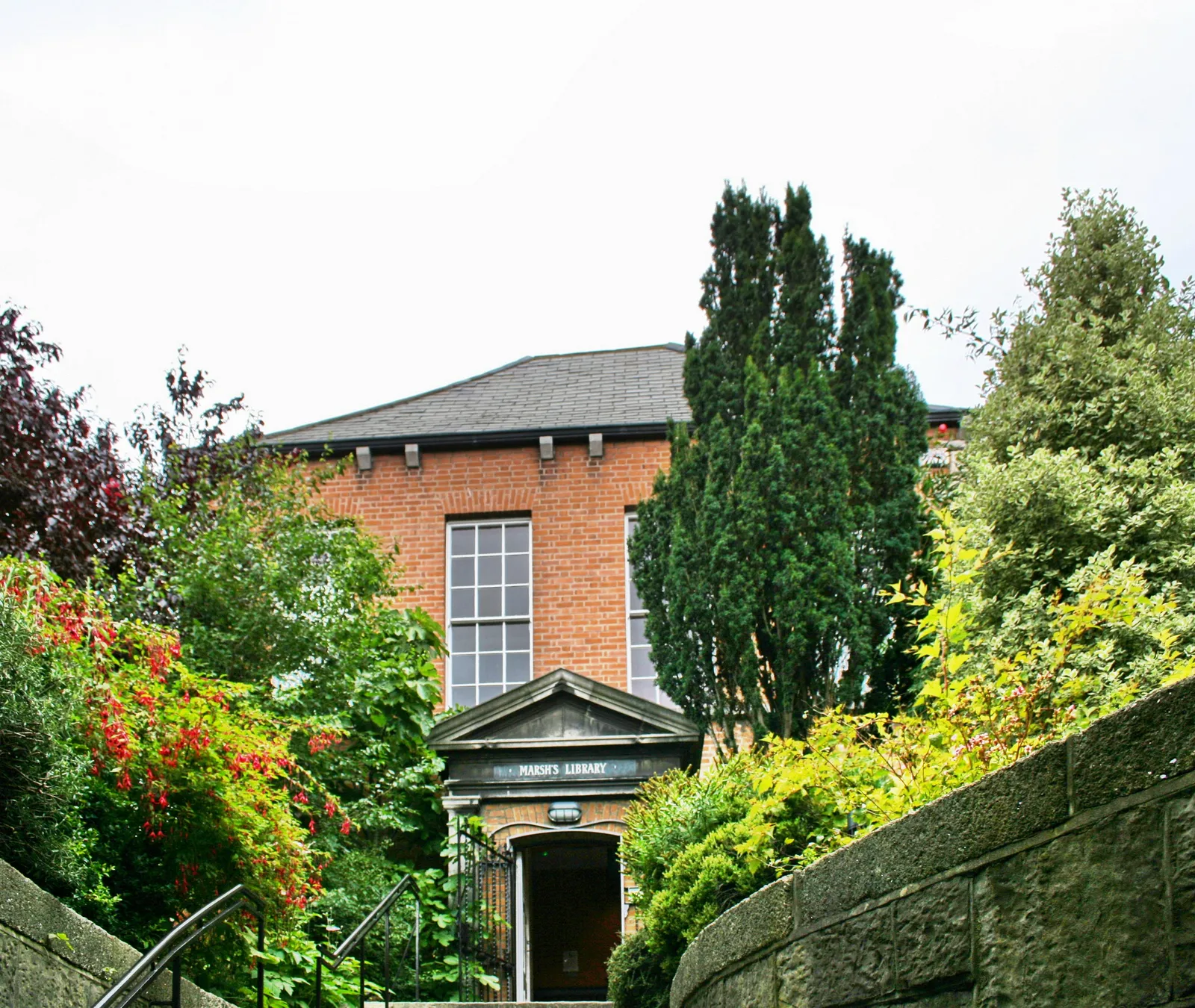
Marsh’s Library shares the lane at the back of the cathedral and almost nobody walks the extra fifty metres to it, which is the argument for going. It opened in 1707, the first public library in Ireland, and the books have sat in the same order on the same dark oak shelves ever since. At the end of the second gallery are three alcoves with wired doors, known as the cages, which the library put in during the 1770s to lock readers in with the rare books rather than trust them out of sight. Swift, Bram Stoker and James Joyce all read here. It is €8 on its own, or €17 on a joint ticket with the cathedral, and it runs Tuesday to Friday 9.30am to 5pm and Saturday 10am to 5pm, closed Sundays and bank holidays.
A rock from every Irish county in the Iveagh Gardens cascade
With more than four hours to spend, the Iveagh Gardens are the part of central Dublin most people never find. The entrance is a gap on Clonmel Street off Harcourt Street, with two more off Hatch Street and behind the National Concert Hall on Earlsfort Terrace, and there is no charge at any of them.
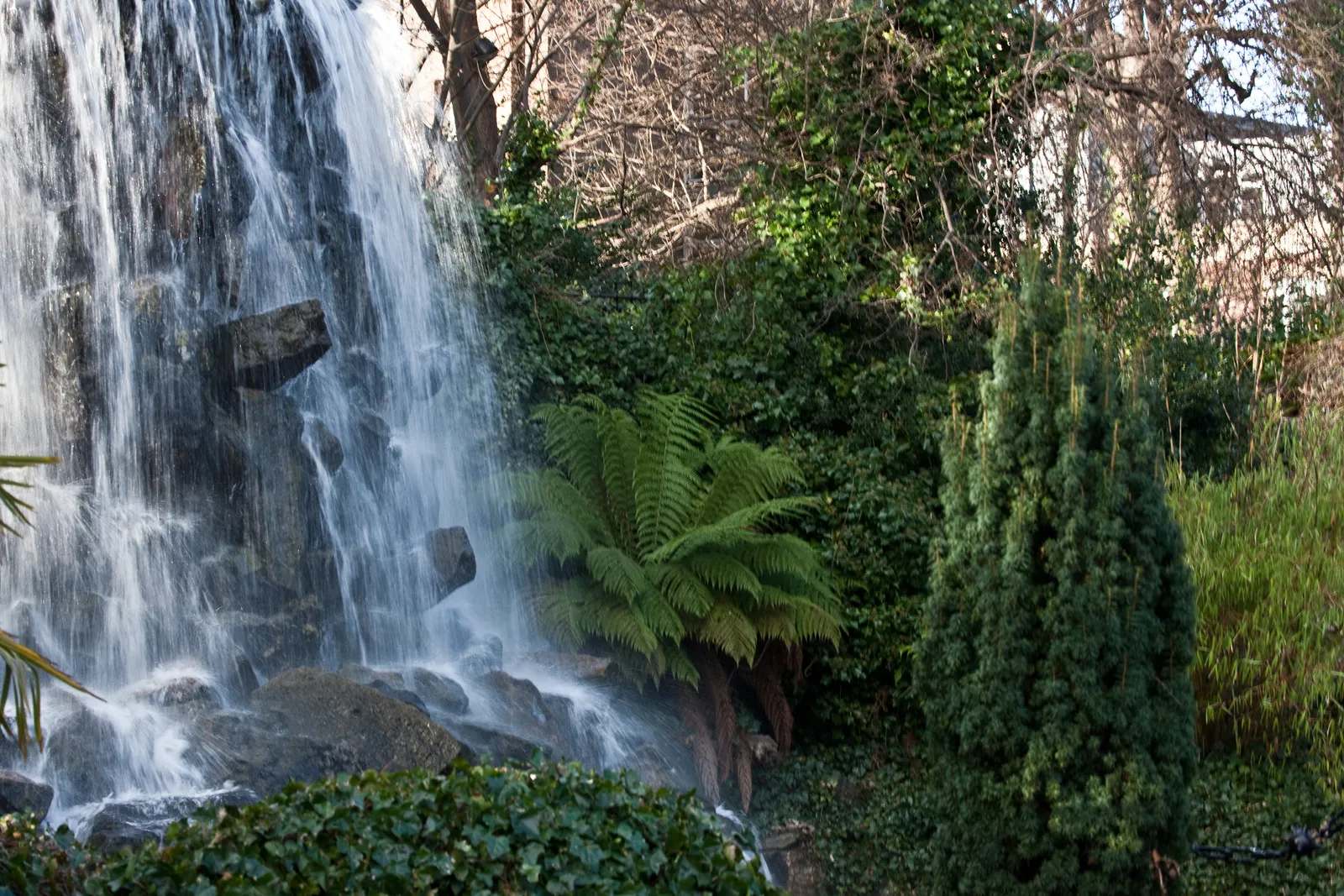
Ninian Niven laid the gardens out in 1865 as the grounds of the Dublin Exhibition Palace, and most of what he built is still in place: sunken lawns, a yew maze, rustic grottoes, an American garden, and the cascade, whose rockwork uses one sample from each of Ireland’s 32 counties. The gates open at 8am on weekdays and 10am on Sundays, but the closing time slides with the season, from 7.30pm at midsummer down to 4pm in the depth of winter, so an evening flight in January means the gardens have shut before you get there.
Everything above is walking, and most of it is walking into buildings that will not take a suitcase past the door. Leaving the bag somewhere in the centre first is what turns four separate stops into one continuous afternoon.
No train runs from Dublin Airport, only coaches
Dublin Airport has no rail link and no metro. MetroLink, the line that would connect it to the city in about twenty minutes, is in procurement, and tunnelling is not expected to start until 2028 with services in the 2030s, so the honest planning assumption for now is a road journey.
Dublin Express is the fastest of them. Routes 782, 783 and 784 run 102 coaches a day, from €9 one-way booked online, with the first out of Terminal 1 at 03:05 and the last at 00:35. The quickest run through the Dublin Port Tunnel takes 14 minutes; 25 to 45 minutes is what to actually budget once traffic is involved. The 784 calls at Trinity College and the docklands, and the 782 works along the quays and out to Heuston Station. Dublin Bus routes 16 and 41 also stop at the airport at the ordinary city fare rather than a coach fare, but they are stopping services through the northside suburbs and take around an hour.
Dublin Airport asks for two hours before a short-haul departure and three before a long-haul one. That three-hour figure is not padding if you are flying to the United States: Terminal 2 has full US preclearance, so you clear American immigration, customs and agriculture checks in Dublin and land as a domestic arrival, and the queue for it is heaviest between 5am and noon. Heathrow is the airport’s single busiest route, which makes London the most likely other end of a trip that starts here.
Frequently asked questions
What should I do during a layover in Dublin?
Start at Trinity College on College Green, where the Old Library holds the Book of Kells, then cut through to Kildare Street for the National Museum of Ireland, which is free and holds the Iron Age bog bodies and the Tara Brooch. St Patrick's Cathedral is about fifteen minutes further west, with Marsh's Library and its locked reading cages next door on the same lane. With four hours or more, the Guinness Storehouse at St James's Gate is the one stop that needs a real chunk of the day, roughly ninety minutes inside plus the walk out and back. The Book of Kells sells timed slots that go early in summer, so book that one before you land; everything else here you can decide on the day.
Is Trinity's Long Room worth seeing with the books taken out?
That depends what you came for. The Old Library Redevelopment Project has emptied the shelves of everything except the first four bays as you walk in, so the wall of 200,000 volumes people remember from photographs is not what is standing there now. The room itself, the barrel-vaulted oak ceiling and the marble busts along the floor, is intact, and the Gaia globe installation hangs in the middle of it. The Book of Kells and the digital exhibition in the Red Pavilion are unaffected, and the books return to the shelves once the conservation work finishes.
Is the walk between Dublin's museums step-free?
Nearly all of it. Central Dublin is flat, the pavements from Trinity down Kildare Street and west to St Patrick's are wide, and the National Museum, the cathedral and St Stephen's Green all have level or ramped access. Marsh's Library is the exception, and a real one: its galleries are up a staircase in a 1707 building with no lift, so the reading room, shop and garden on the ground floor are as far as a wheelchair goes. The cobbles around Dublin Castle and through Temple Bar are the other thing to plan around if you are pushing a chair or a pram.
What is worth booking ahead in Dublin?
The Book of Kells, first: it runs on timed entry and the summer slots go well in advance. The Guinness Storehouse uses dynamic pricing, so the same ticket costs less booked online days ahead than bought at the door. If you are tight on time and would rather stay near the river than walk west, EPIC The Irish Emigration Museum sits in the vaults of the old Custom House Stores on the north quays, about ten minutes on foot from O'Connell Bridge, and asks for ninety minutes; entry can be booked in advance. The cathedrals, the National Museum and the parks all take walk-ups.
Is the airport coach or the city bus better from Dublin Airport?
The coach, unless you are counting every euro. Dublin Express routes 782, 783 and 784 run 102 coaches a day between Dublin Airport and the city, from €9 one-way booked online, with the fastest run through the Dublin Port Tunnel taking 14 minutes and a more realistic 25 to 45 minutes at busy times. The 784 stops at Trinity College and the 782 works along the quays to Heuston Station. Dublin Bus routes 16 and 41 also serve the airport at the ordinary city fare rather than a coach fare, but they are stopping services through the northside suburbs and take about an hour. There is no train and no metro: MetroLink is still in procurement and will not carry passengers until the 2030s.