Santiago Layover Near Plaza de Armas
Part of the full Santiago Layover: San Cristóbal Hill From SCL
Estación Mapocho’s 1912 glazed train shed and La Vega Central’s produce aisles both sit a short walk north of Santiago’s Plaza de Armas, and with the colonial court building on the square itself and the pedestrian run down Paseo Ahumada, none of the four asks for a ticket.
Estación Mapocho ran the trains north until 1987
Emilio Jecquier, a Chilean architect trained in France, designed this station as one of the public works Chile commissioned for its independence centenary, alongside the Santa Lucía park and the fine arts museum. It was inaugurated on 12 May 1912 and opened to passengers the following year, sending trains to Valparaíso, the north of the country and across to Argentina. The hall is 280 metres long and 17 high, a masonry base carrying a steel vault glazed from end to end.
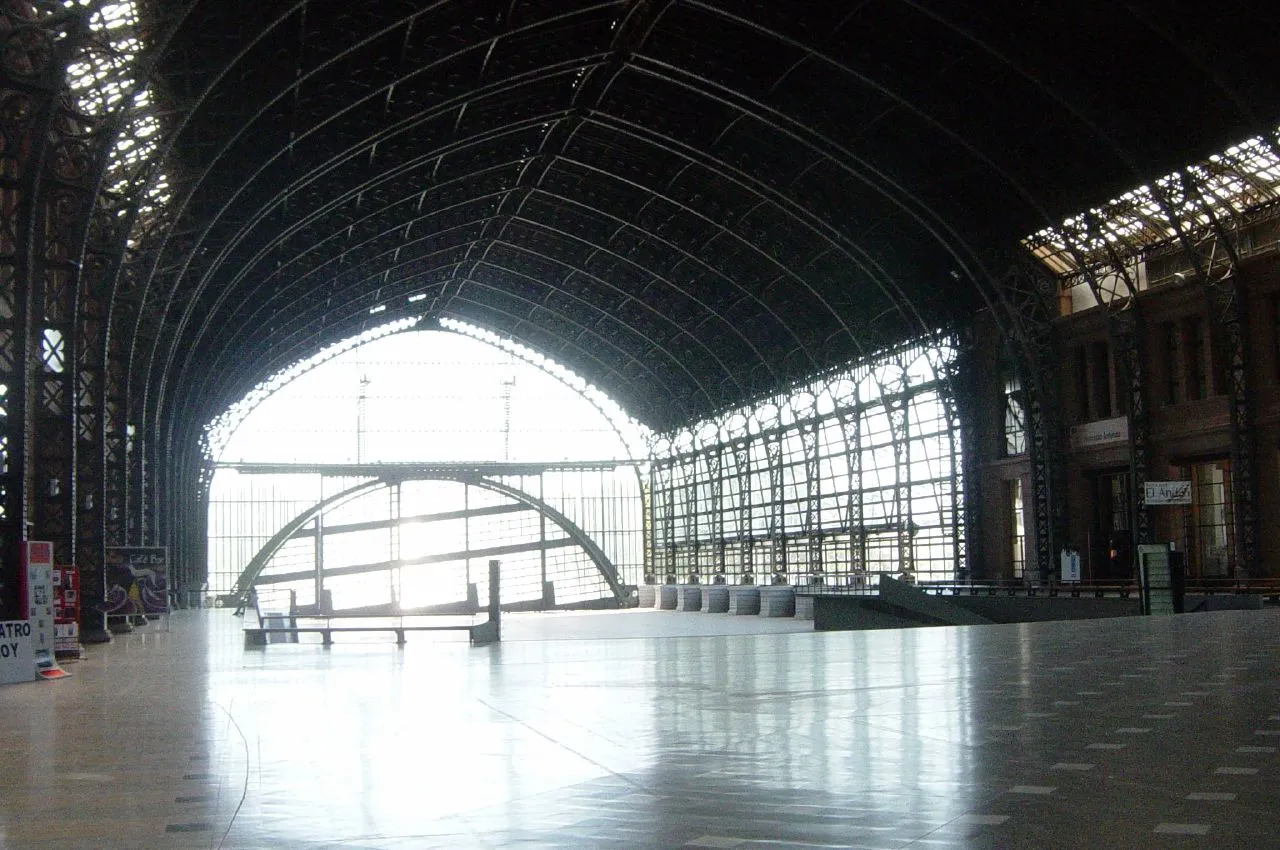
The last train left in 1987 and the building sat unused until a restoration finished in 1994, since when it has been a cultural centre: exhibitions, concerts, book fairs and conventions, in a space still obviously shaped around platforms. On a day with nothing ticketed on, walking into the empty hall and looking up is the whole visit and takes ten minutes.
La Vega Central is where the city buys its food
Antonia López de Bello, on the Recoleta side of the river, is the address for Santiago’s real market: several covered blocks of fruit, vegetables, cheese, olives, dried fruit and nuts sold at wholesale-adjacent prices, open every day of the year from about six in the morning until seven at night. The building has none of the wrought-iron ceremony of the restaurant market on the other bank, and that is rather the point of coming.
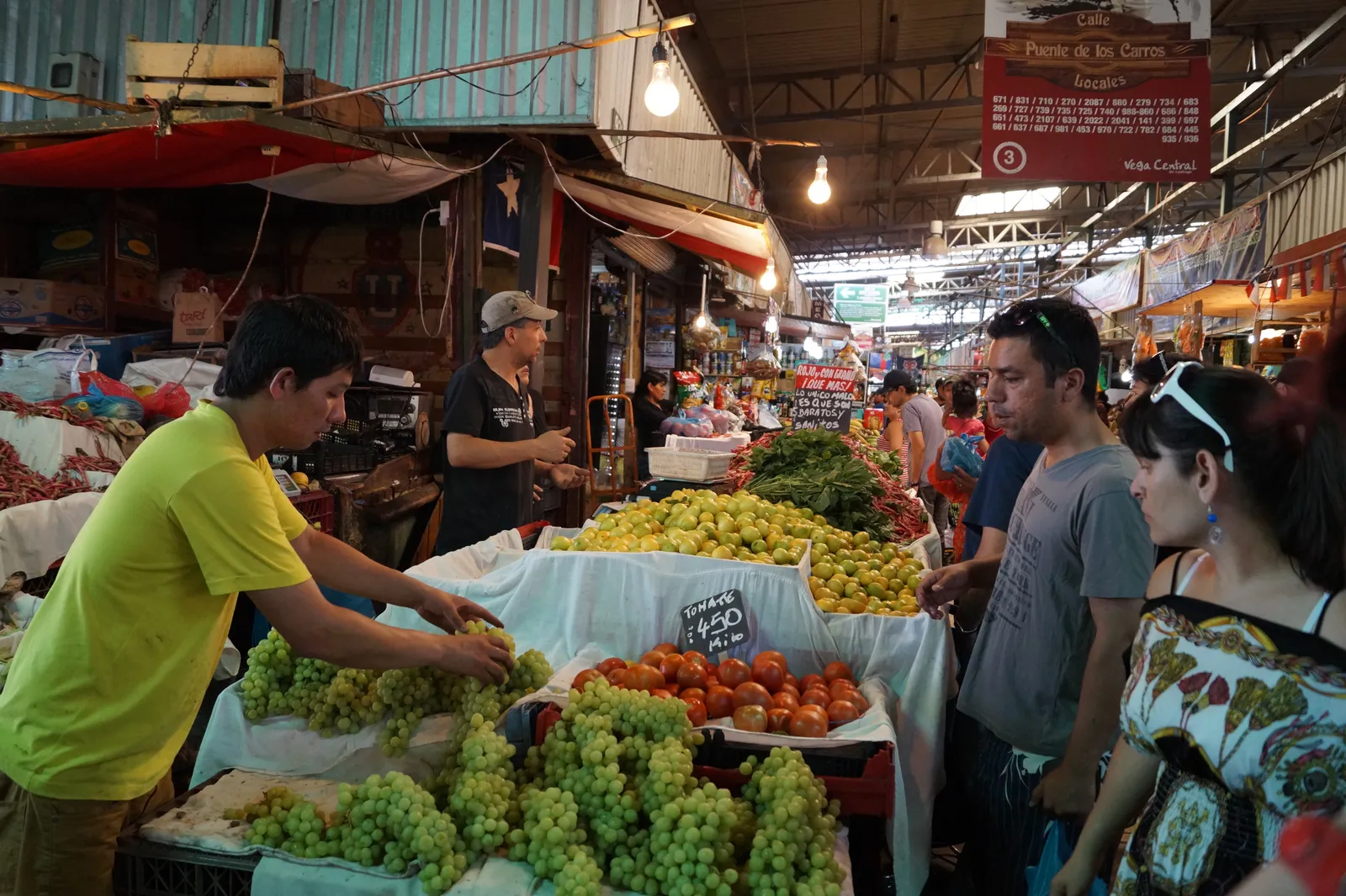
Mornings are when it is fully itself; by late afternoon the good stalls are packing up. The cooked-food counters around the edges are where the market’s own workers eat, priced accordingly, and they are the reason to come with an appetite rather than a shopping list you cannot carry onto a plane.
The history museum on the Plaza de Armas shut in August 2026
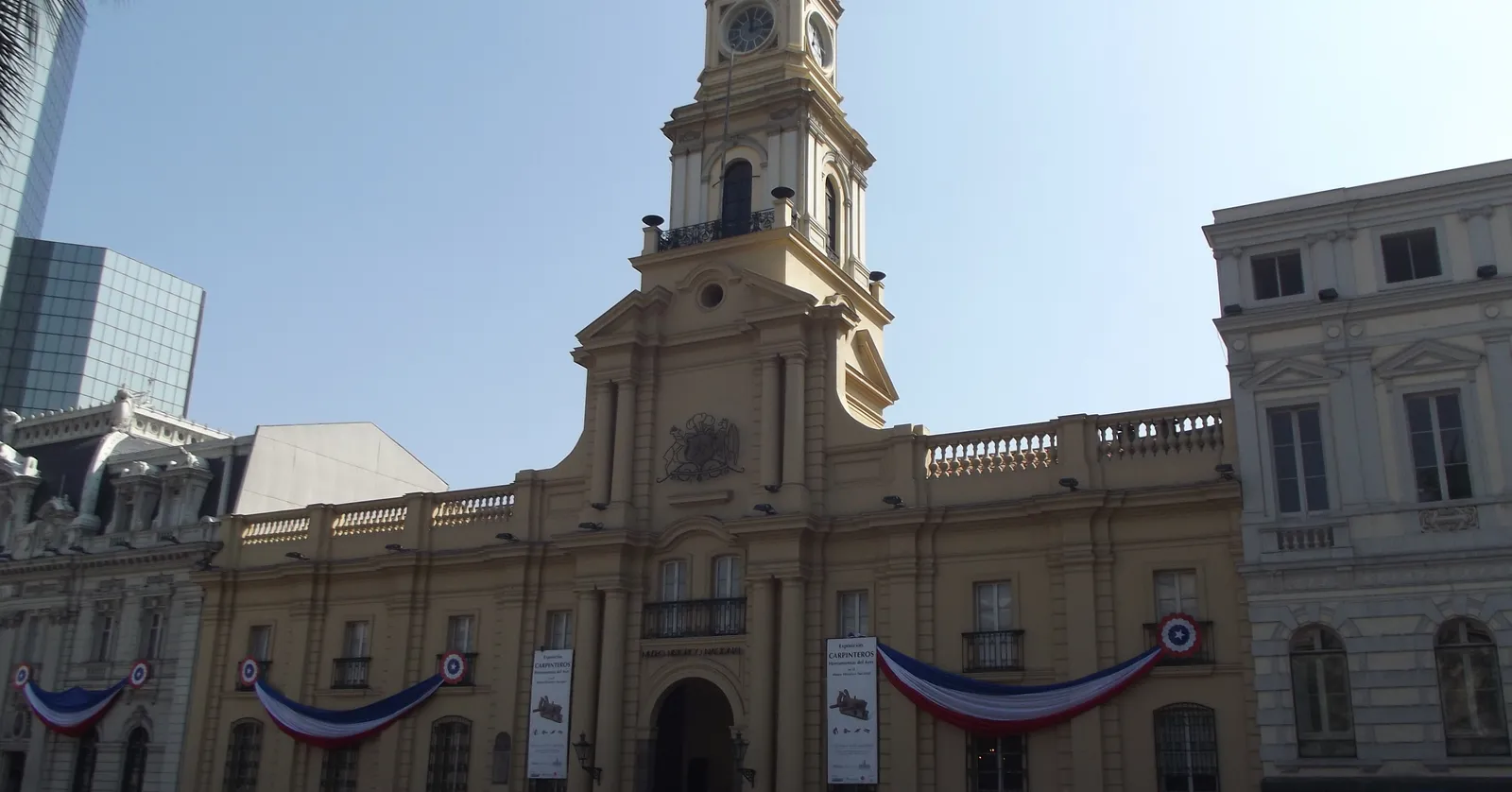
The Palacio de la Real Audiencia fills the north side of the square: a pale colonial front with a clock tower over the central arch, built for the Spanish crown’s high court and later handed to the national history museum. That museum closed its doors on 2 August 2026 for an expansion and restoration reckoned at about three years, adding a 2,600-square-metre annex so the collection can show more than the roughly one per cent of 685,000 objects it managed before. Nothing about the facade changed; it is the interior that is off the list until the work finishes.
Paseo Ahumada is closed to traffic end to end
The shopping street running south from the square to the Alameda has been pedestrian-only for decades, shaded by plane trees, and at lunchtime it fills wall to wall with office workers, shoppers and people passing through.
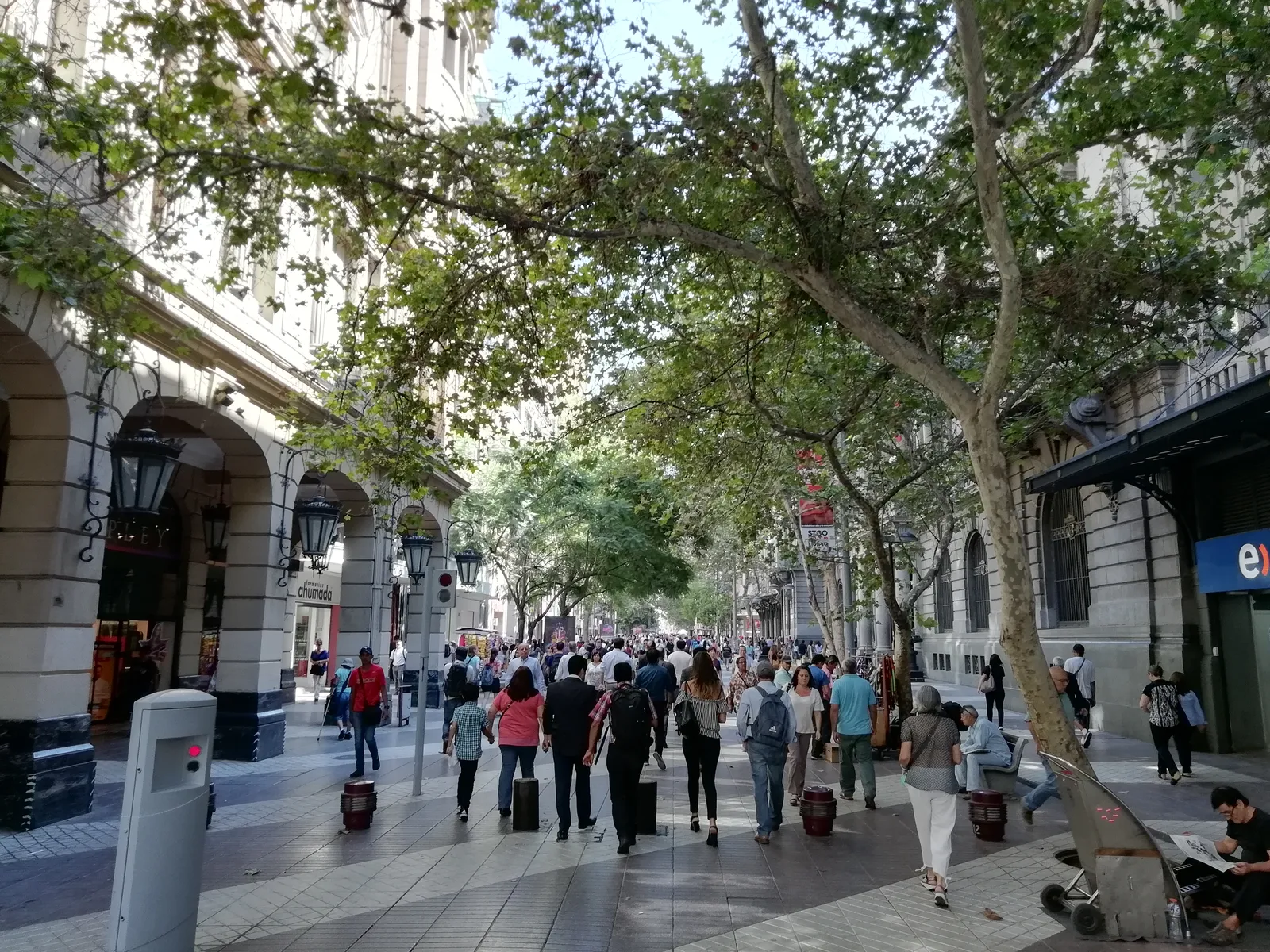
Street musicians, evangelists, chess tables and people selling phone accessories work the middle of it, which is entertaining to walk through and slow to walk through with a suitcase; the same is true of La Vega’s aisles, which are narrow and busy with hand trucks. Both are considerably easier with your hands empty.
Both airport buses leave from a line this square is not on
Centropuerto goes from Avenida España beside República station for 2,400 pesos, Turbus from Terminal Alameda next to Estación Central for 1,900, and the road journey out to Arturo Merino Benítez International Airport is roughly forty minutes outside the evening peak. Both of those stops sit on metro Line 1; the Plaza de Armas does not. Getting to either means a metro change, 735 to 895 pesos depending on the hour, or about twenty-five minutes of walking southwest down Paseo Ahumada and along the Alameda, which is often the simpler answer.
This route deliberately leaves out the two hills that the main Santiago layover guide is built around, because both of them need daylight, energy and a decent gap, and none of the four stops here need any of the three. What it costs you is the view; what you get back is a walk that works in three hours and in almost any weather.
Frequently asked questions
What should I do during a layover near Plaza de Armas Metro Station in Santiago?
Cross the river to Estación Mapocho first, a 1912 railway terminus with a 280-metre glazed steel vault that stopped running trains in 1987 and now works as an exhibition hall. La Vega Central is a few minutes east of it and is the produce market the city actually shops at, open from around six in the morning. Back on the plaza itself, the colonial Palacio de la Real Audiencia is worth a look from outside even with the museum inside it shut. Three hours covers all of that at a walking pace; the market is the piece to drop if you arrive late in the day, since it winds down through the afternoon.
Is the national history museum on the Plaza de Armas open?
Not at the moment. The Museo Histórico Nacional closed on 2 August 2026 for an expansion and restoration expected to take around three years, adding a 2,600-square-metre annex so more than about one per cent of its 685,000 objects can be shown at once. The Palacio de la Real Audiencia that houses it still fronts the square, clock tower and all, so the building is not off the itinerary, only its interior. The museum has said it will keep running touring exhibitions and activities elsewhere while the works go on.
When is La Vega Central worth going to?
Early. The market runs roughly six in the morning to seven at night, every day of the year, but it is a wholesale-and-household market rather than a visitor attraction, so the selection, the noise and the point of the place are all at their strongest before midday and fade steadily through the afternoon. Fruit, vegetables, cheese, olives and nuts are priced for households doing a weekly shop rather than for visitors, and the cooked-food counters along the edges are where people eat rather than in the middle.
What is there to do near the Plaza de Armas without spending money?
Most of this walk, as it happens. The square itself, the cathedral on its west side, the exterior of the Palacio de la Real Audiencia, the pedestrian run down Paseo Ahumada and browsing La Vega all cost nothing, and Estación Mapocho's hall can normally be walked into without a ticket when no paid event is using it. The only reliable spend on this route is lunch, and the market's own counters are the version of that priced for the people who work there.