Santiago Layover Near Estación Central
Part of the full Santiago Layover: San Cristóbal Hill From SCL
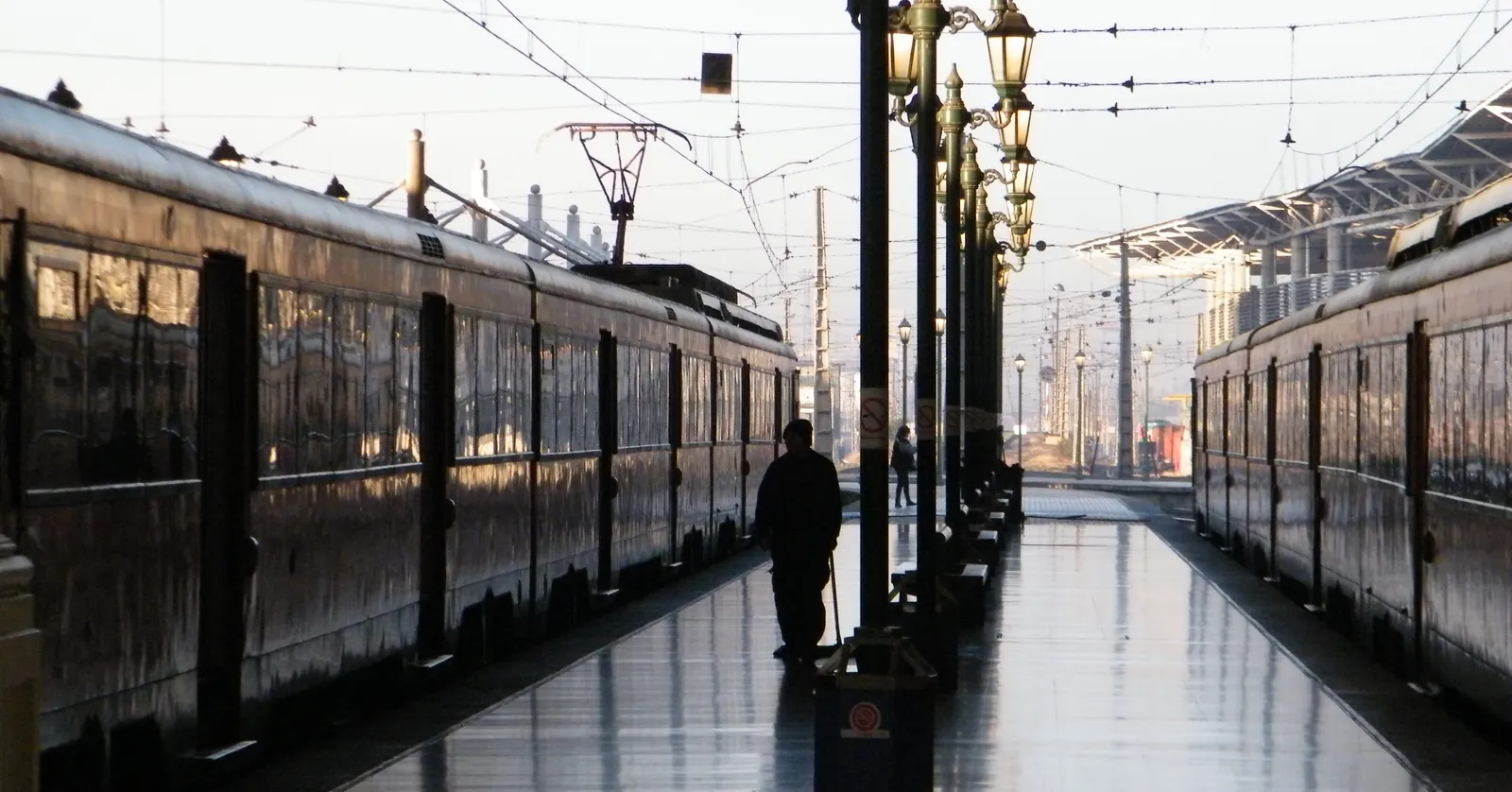
Santiago’s Estación Central is the last working railway terminus in the city, and fifteen minutes north up Matucana are a park holding sixteen preserved steam locomotives and the Museum of Memory and Human Rights, which charges nothing.
Estación Central is the last station in Santiago still running trains
Trains started using this site in 1885, the iron shed over the platforms is credited to Gustave Eiffel with its metalwork built by Schneider of Le Creusot, and the whole thing was made a national monument in 1983, which rules out demolishing or remodelling it. That protection is why a working station in a city this size still has a 19th-century roof over its platforms and cast-iron lamp standards down the middle of them.
What leaves is all southbound now: the TerraSur to Chillán, commuter services to Rancagua and Nos, an occasional overnight to Concepción. Northern Chile’s passenger trains went years ago. Five minutes on the concourse, looking up, is worth doing before you set off anywhere else, and it is free by definition.
Quinta Normal has been growing imported plants since 1841
Thirty-five and a half hectares north of the Alameda started life as a nursery for acclimatising foreign species to Chilean soil, and the mature araucarias, palms and planes standing in it now are the result. It is a working city park rather than a botanical showpiece, with paved paths, a boating lake and a run of museums along its edges.
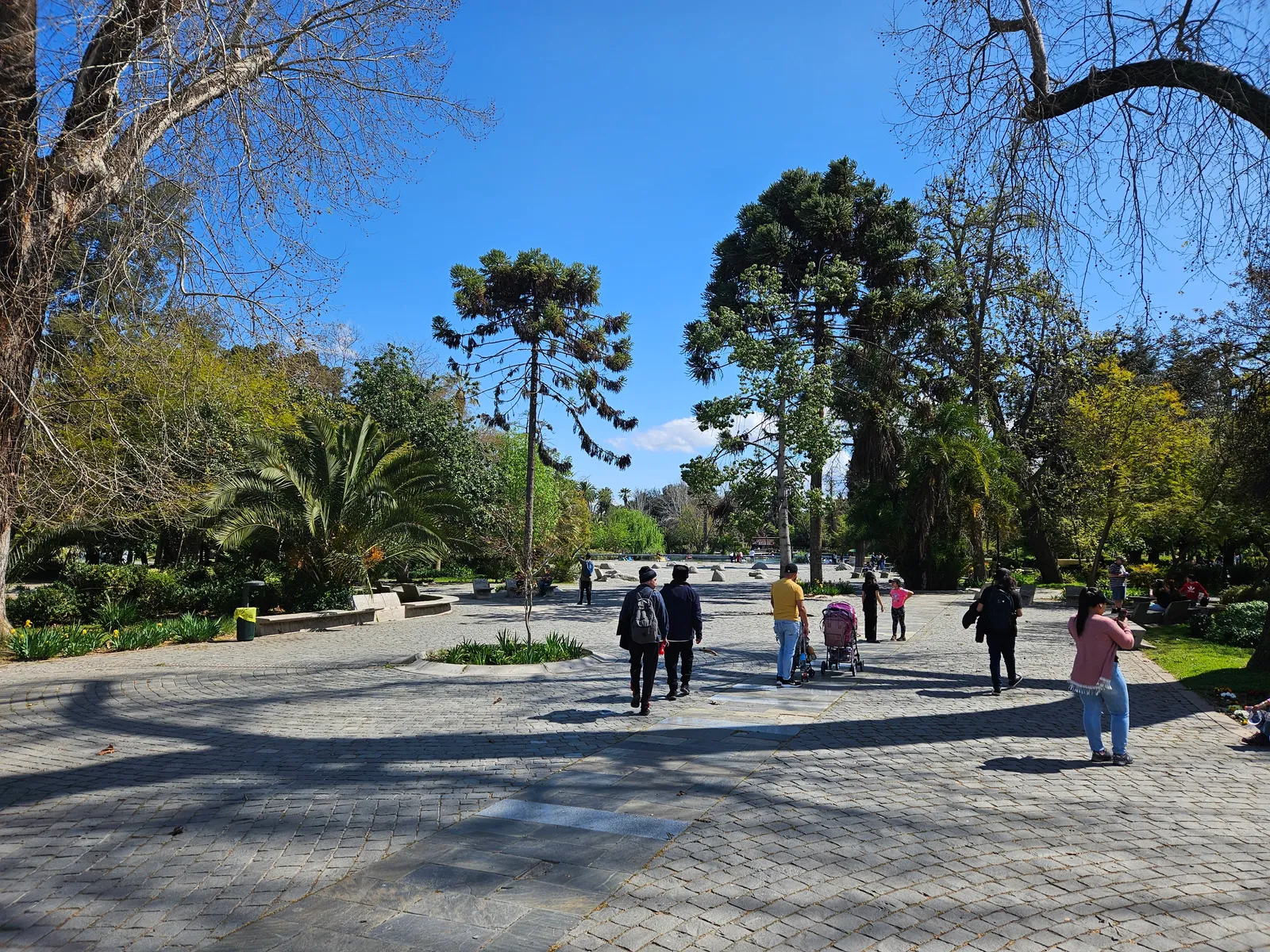
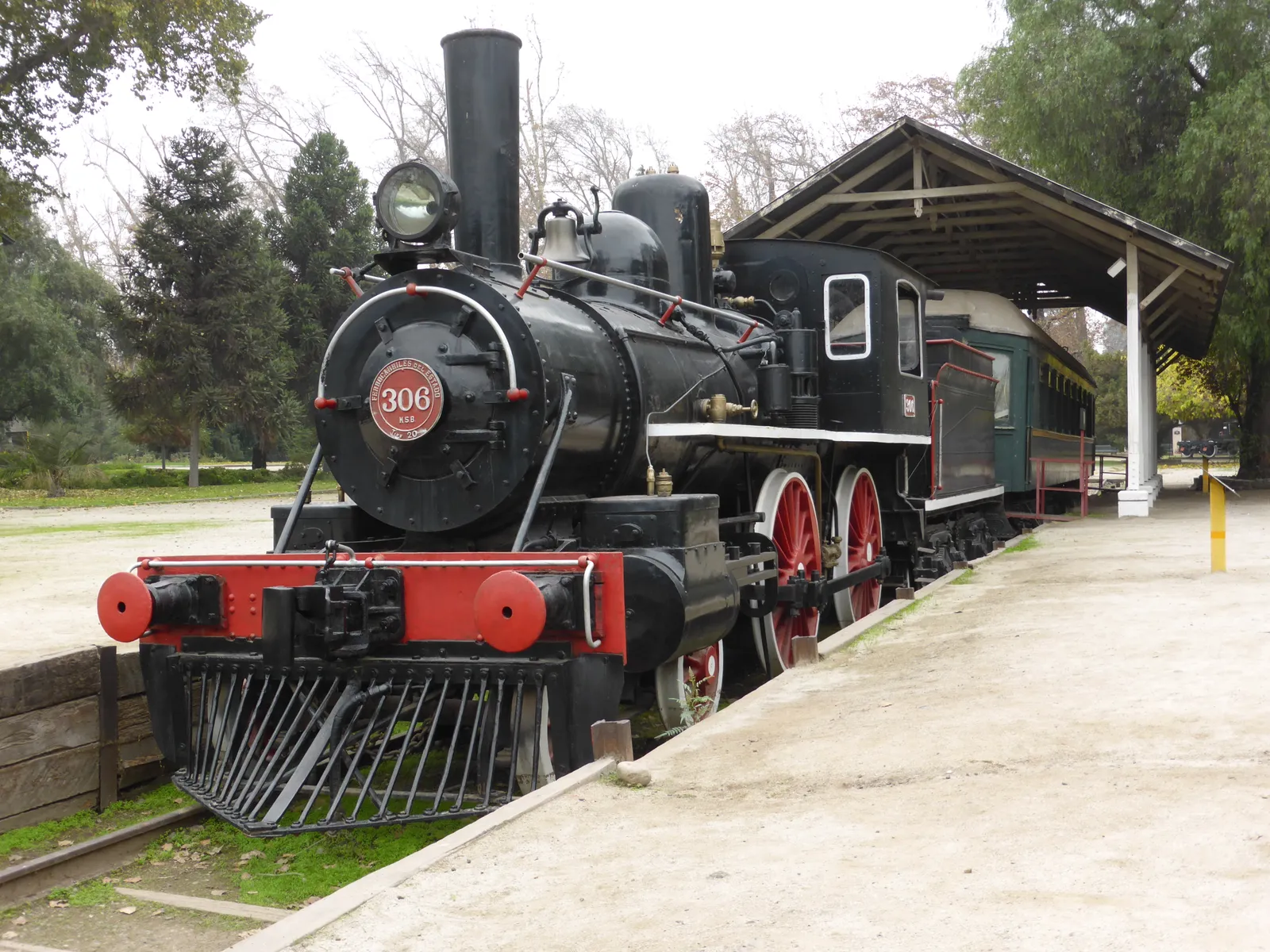
The one to walk into, if you have just arrived off a train, is the railway museum inside the park, open to the public since 1984. Sixteen steam locomotives and four passenger carriages sit on preserved track in the open air, Chilean-built and imported, including a broad-gauge 306 from 1911 with a cowcatcher on the front, plus a Santiago tram under long-term restoration.
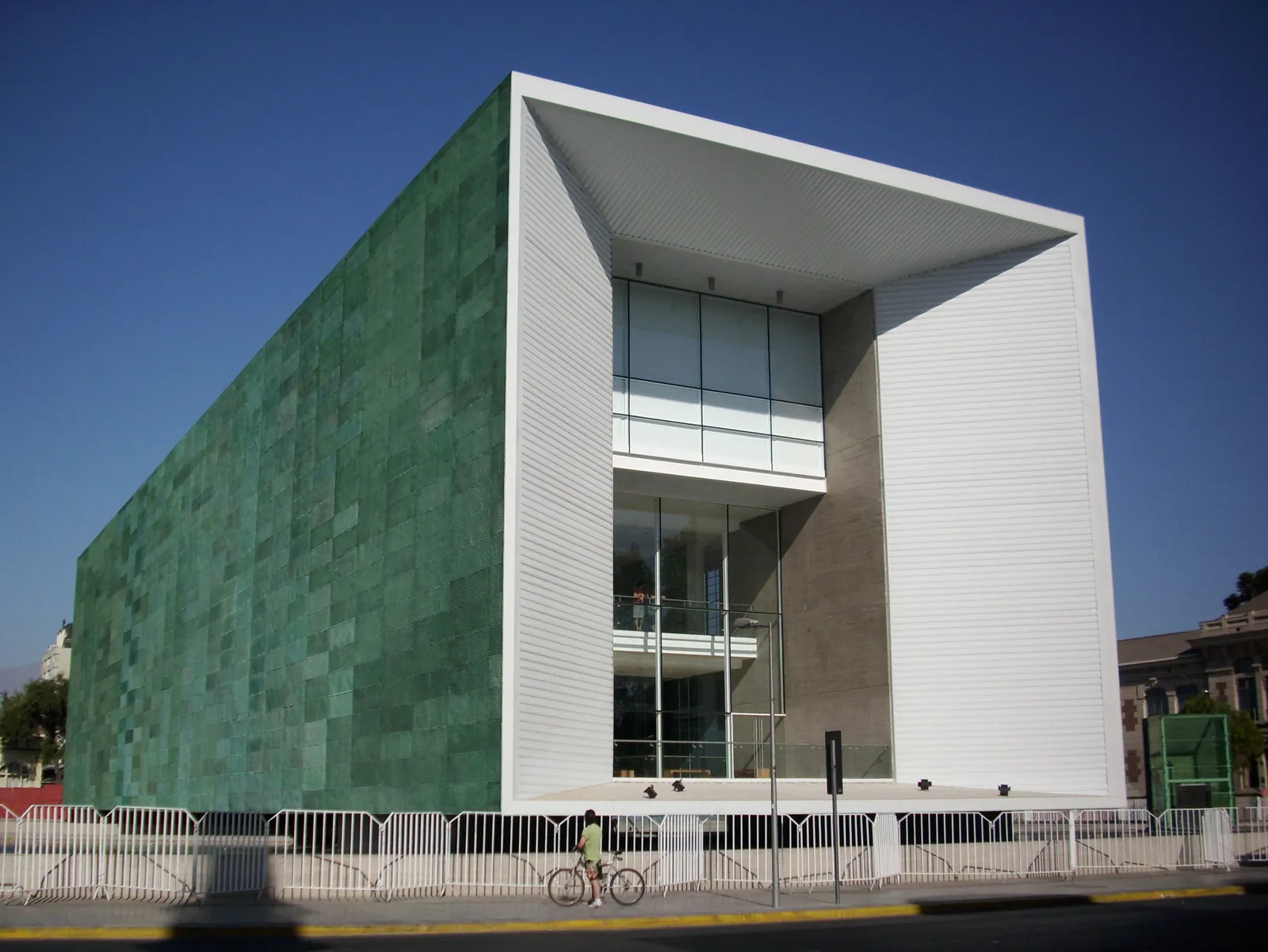
The Museum of Memory and Human Rights charges nothing
Matucana 501 holds a long box clad in oxidised green copper, slotted inside a white concrete frame and raised over a sunken plaza, which opened in 2010 to document what happened in Chile between the coup of 11 September 1973 and 1990. Entry is free, Tuesday to Sunday, 10am to 6pm, and there is no ticket to book.
Give it ninety minutes rather than forty. The permanent exhibition works through the coup, the detention centres, the international response and the return to civilian rule, and a lot of the documentary material is in Spanish only, so the 2,000-peso audio guide earns its cost. The wall of portraits of the dead and disappeared is the part people remember.
Turbus runs to the airport from the terminal next door
Terminal Alameda sits immediately alongside the station, and Turbus leaves from platforms 22 and 23 there for Arturo Merino Benítez International Airport at 1,900 pesos one way, 3,400 return, roughly every ten minutes through the day. That is the cheaper of the two airport bus fares in Santiago and it leaves from the building next door, which is the main practical argument for basing a layover on this side rather than the middle. Centropuerto’s 2,400-peso service from Avenida España is one metro stop east on Line 1 if the queues here are long.
Almost everyone standing on this concourse arrived on an intercity train or a coach rather than a plane, which means larger luggage than a layover usually involves, and the kilometre up Matucana has a kerb and a crossing at every block.
The trade this route makes against the main Santiago layover guide is scale for depth: no Plaza de Armas, no market hall, no hills, but two substantial museums and a park, all within a kilometre of the platform you arrived on, and the airport bus leaving from the building next door at the end of it.
Frequently asked questions
What should I do during a layover near Estación Central in Santiago?
Walk north up Matucana rather than east into the old centre. Fifteen minutes gets you to the Museum of Memory and Human Rights at Matucana 501, which costs nothing and covers Chile between 1973 and 1990, and to Quinta Normal park just beyond it, a plant nursery laid out in 1841 that now holds the railway museum's sixteen steam locomotives. Four hours covers the pair with the walk at both ends and time to sit down. The museum closes on Mondays, and it is the heavier of the two, so the park is the fallback rather than the other way round.
Do trains still run from Estación Central?
Yes, and it is the last station in Santiago that they run from. The TerraSur service to Chillán leaves from here, along with commuter trains to Rancagua and Nos, an occasional overnight run to Concepción and seasonal tourist trains. Northern Chile lost its passenger services years ago, so everything departing is southbound. The building was declared a national monument in 1983, which legally rules out both demolition and remodelling, and is why the shed still looks the way it does.
Do you need the audio guide at the Museum of Memory?
If you do not read Spanish, yes. Entry itself costs nothing and needs no booking, Tuesday to Sunday, 10am to 6pm, but a good deal of the permanent exhibition is documentary material, transcripts, broadcasts, court papers, presented untranslated, so without the 2,000-peso guide in English or Portuguese a lot of the display is wall text you cannot use. Set aside an hour and a half rather than forty minutes: the exhibition covers the 1973 coup and the seventeen years after it in detail, and it is not a museum people walk through quickly.
How long is the walk from Estación Central to Quinta Normal?
About fifteen minutes, a little over a kilometre straight north on Matucana, and flat the whole way. There is no useful metro shortcut: the two points sit on different lines that only meet back in the centre, so anyone who takes the train ends up going the long way round for no gain. The pavement is continuous but interrupted by kerbs and crossings at every block, which is worth knowing if you are pushing or pulling anything.