Santiago Layover: Bellavista and the Funicular
Part of the full Santiago Layover: San Cristóbal Hill From SCL
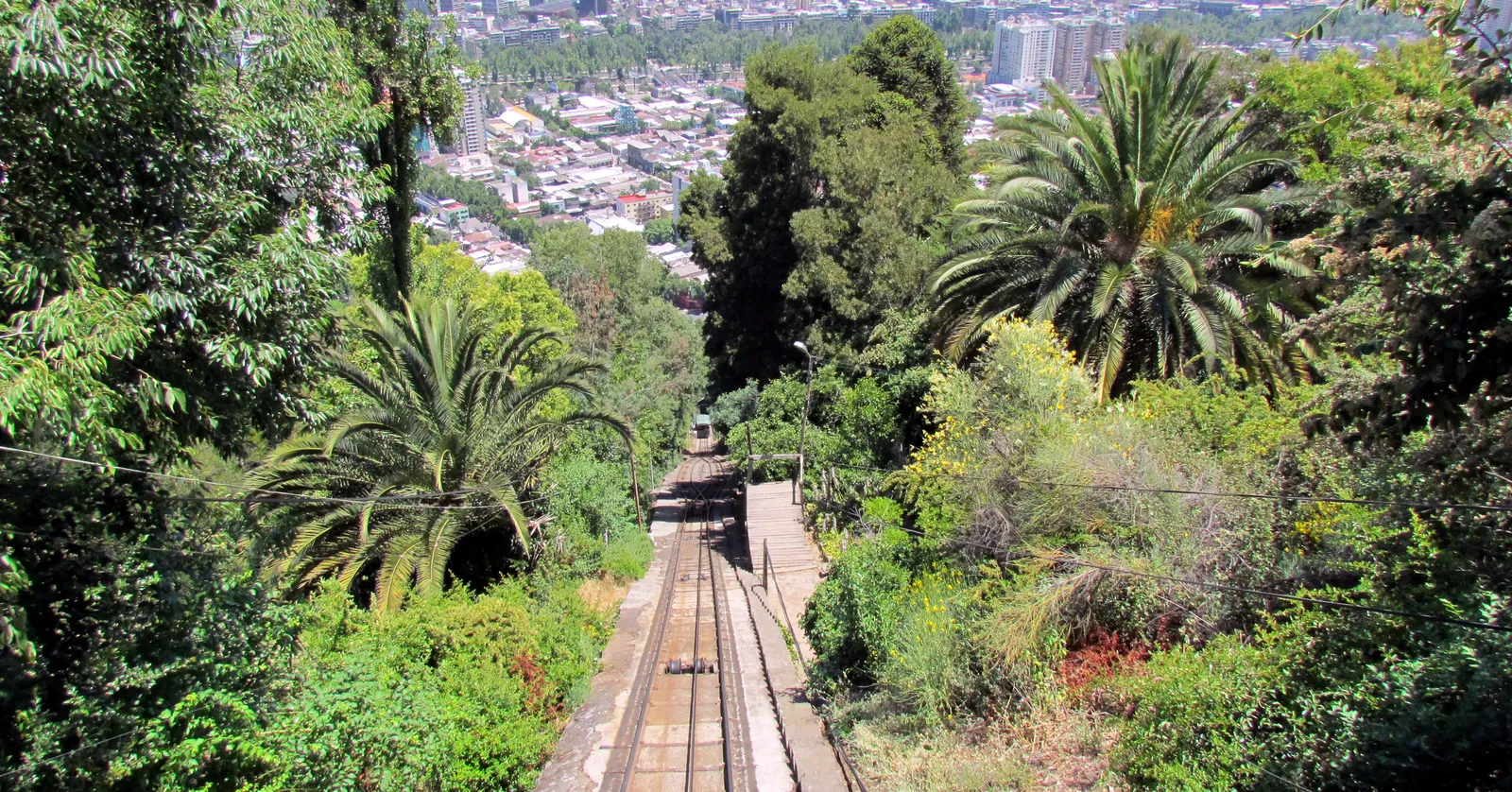
Pío Nono 450 in Santiago’s Bellavista is the bottom station of a funicular that has been climbing San Cristóbal hill since 1925, and Neruda’s blue house La Chascona and a free Japanese garden sit within a few minutes of either end of the ride.
The funicular from Pío Nono is a national monument in its own right
Two counterweighted wooden cars work 485 metres of track up the slope, with an intermediate halt at the zoo and a summit station that opens straight onto the sanctuary terrace. They have been doing it since April 1925, at much the same pace, which is why Chile listed the railway itself as a monument in 2000.
Queues build at the base station on weekend afternoons and through January and February, and the wait rather than the ride is what eats the time. A cable car runs down the far side of the hill into Providencia, and combined tickets covering the funicular, the cable car and the park’s shuttle buses exist if you want the hill both ways rather than out and back. The park around all of it is free and open from 6am to 7pm.
Neruda built La Chascona to hide a love affair
Fernando Márquez de la Plata 0192, five minutes from the funicular’s base station, is where Pablo Neruda started building a house in 1953 for Matilde Urrutia, who was not yet publicly his. The name is Chilean Spanish from Quechua for tangled hair, which was hers. He moved in properly in 1955 after separating from his second wife and lived there with her until he died.
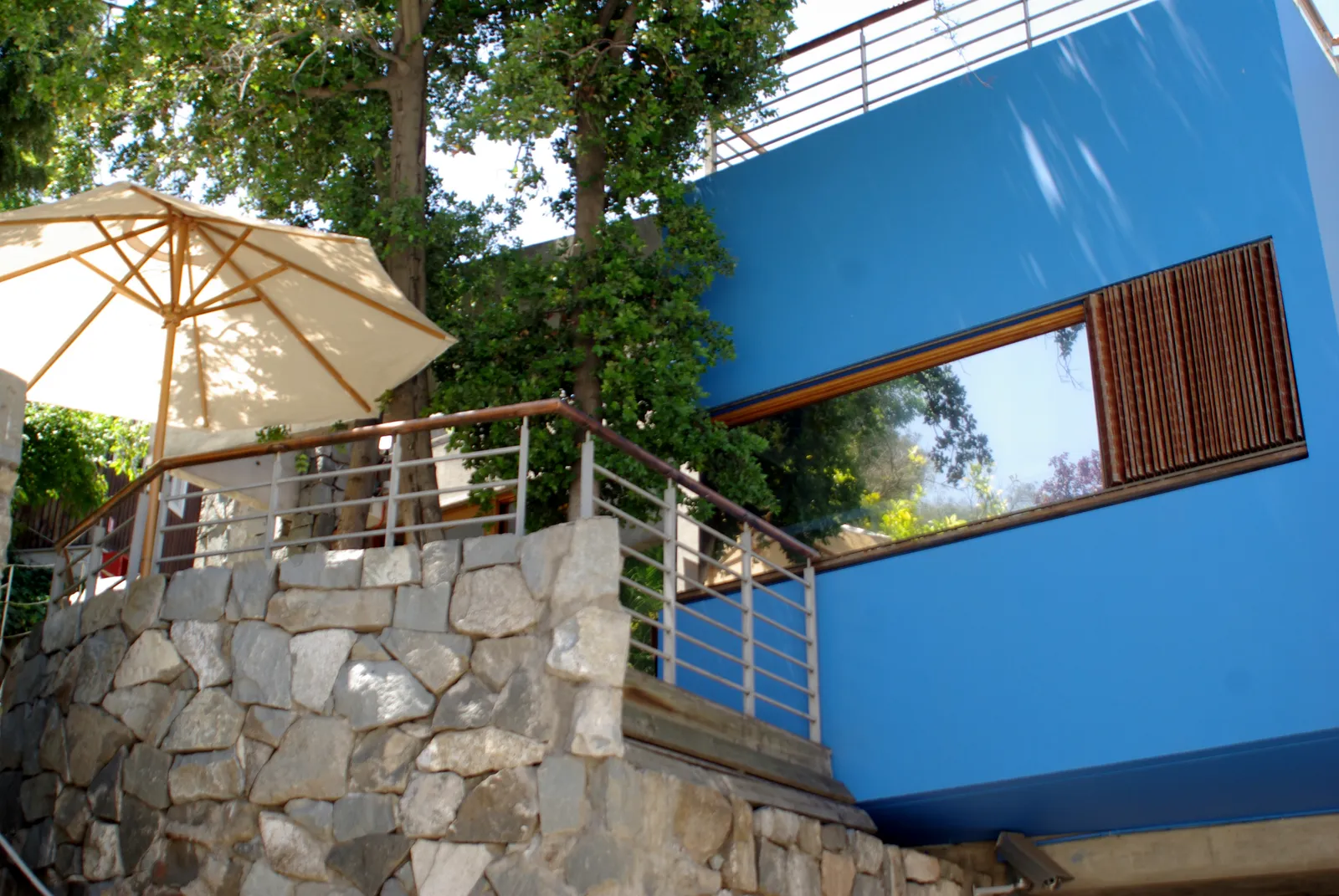
What happened next is why the house is worth an hour rather than twenty minutes. Neruda died on 23 September 1973, twelve days after the coup. The house had already been broken into and the water channel he had built through it blocked, so it flooded; planks were laid over the mud to carry his coffin out, and Urrutia and a few friends sat up that night in a living room with the windows smashed. She rebuilt it, lived in it until 1985, and left it as it is now. Admission is 11,000 pesos, Tuesday to Sunday, no booking, with an audio guide in five languages included.
The Japanese Garden on the hill costs nothing
Partway up the San Cristóbal slope, reached from the Pedro de Valdivia Norte side, is a walled garden of ponds, clipped shrubs, stone lanterns and a water wheel, laid out by the architects Tadashi Asahi and Carmen Leissen. Chile’s Japanese community gave it to the city to mark a hundred years of trade between the two countries, and it was inaugurated in November 1980; Prince and Princess Hitachi reopened it after a renovation in September 1997.
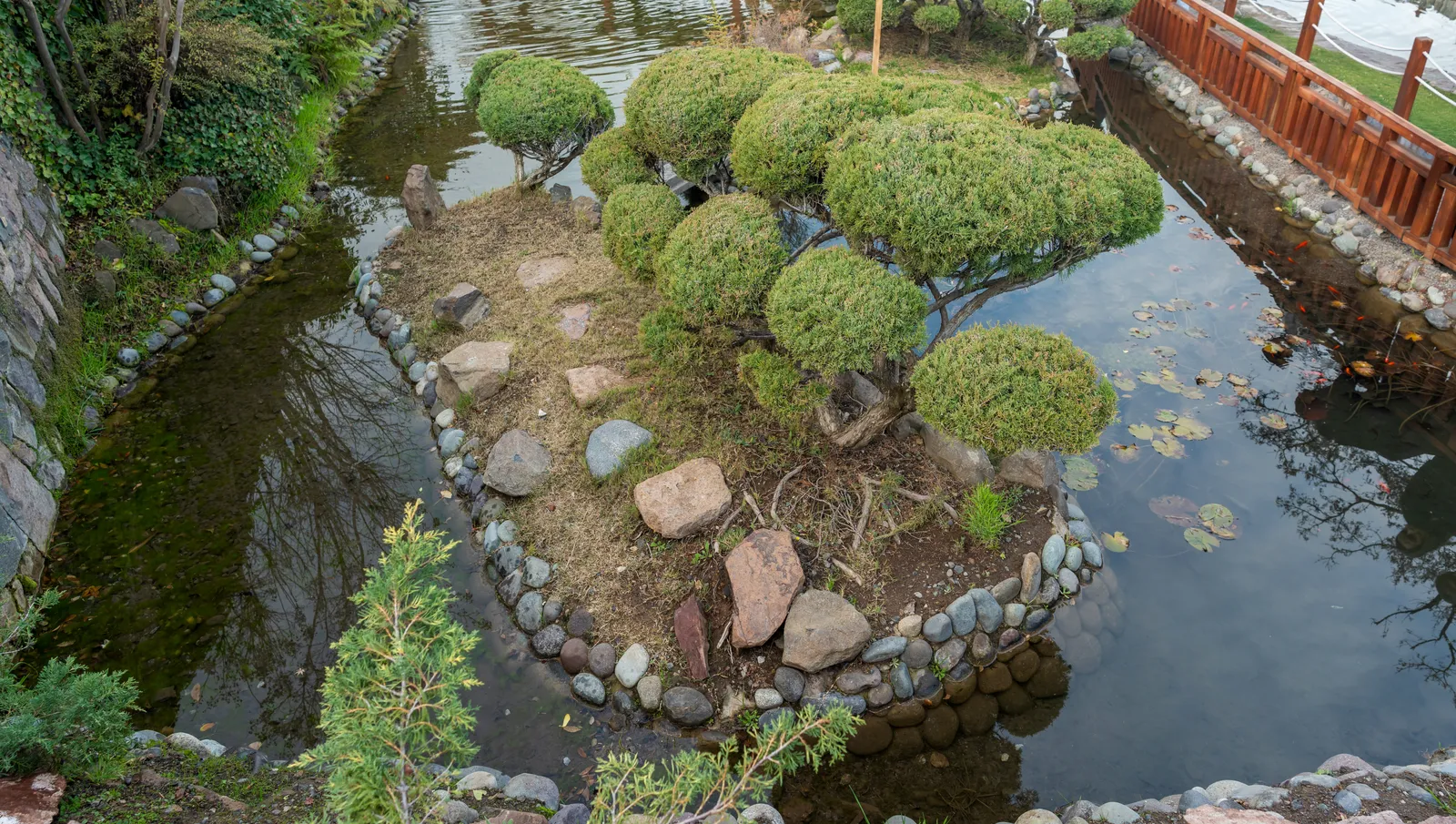
Entry is free and it is quiet in a way almost nothing else on this hill is, which makes it the right stop for the tail end of a visit rather than the start. The funicular cars and the cable car cabins are both small and shared, so anything larger than a daypack is a nuisance to everyone in there with you, which is the argument for arriving on the hill carrying nothing.
The cable car lands you in Providencia, not back in Bellavista
The cabins cross the whole width of Parquemet with the city underneath them, which is the better of the two rides, and they set down near Pedro de Valdivia Norte on the Providencia side. That is the opposite side of San Cristóbal from Bellavista, so anything left near Pío Nono becomes a metro trip away. Plan the direction before you buy, not after.
Neither airport bus crosses to the north side of the Mapocho
Centropuerto leaves from Avenida España beside República station for 2,400 pesos, Turbus from Terminal Alameda at Estación Central for 1,900, and both stops are south of the river. Getting to either from Bellavista means starting at Baquedano, five minutes’ walk south of Pío Nono, and running west along Line 1 for about fifteen minutes at a fare between 735 and 895 pesos depending on the hour. The bus to Arturo Merino Benítez International Airport is then roughly forty minutes outside the evening peak.
Two of the three stops here are the same ones the main Santiago layover guide reaches from the other direction, and the difference is what you give up: no Plaza de Armas, no market hall, no colonial centre at all. What you get instead is a single hill, a poet’s house at the foot of it, and a walk that never once crosses the Alameda.
Frequently asked questions
What should I do during a layover near the Pío Nono funicular in Bellavista, Santiago?
Take the funicular up first, because it is the only part of this that runs to a timetable and it stops in the early evening. The summit gives you the sanctuary, the terrace and the view east to the Andes, and the Japanese Garden is on the way back down for nothing. Neruda's house La Chascona is five minutes from the funicular's base station and takes about an hour with the audio guide. Four hours covers all three comfortably. The house is the one to skip on a Monday, when it and the garden's parent park both keep reduced hours.
How much is La Chascona and do you need to book?
General admission is 11,000 pesos and there is no reservation system: tickets are sold at the door on a first-come, first-served basis, subject to how many are left for the day. It opens Tuesday to Sunday, 10am to 6pm, and closes on Mondays. The price includes an audio guide, available in Spanish, English, French, German and Portuguese, which is genuinely the point here, since the house is a sequence of small rooms full of objects that mean nothing without the commentary.
Can you swim on Cerro San Cristóbal?
Yes, at the Tupahue pool, which is 82 metres long and 25 wide and cut into the hillside partway up. It runs a summer season only, Wednesday to Sunday and on public holidays, roughly 10.30am to 6pm, at 4,000 pesos for adults and 2,500 for children up to 13 and anyone over 60. It is not a lap pool with a view so much as a large municipal pool that happens to be halfway up a hill, and on hot weekends it fills.
What can you do in Bellavista if the funicular queue is long?
La Chascona is the obvious answer, five minutes from the base station and rarely queued in the same way, and an hour there often outlasts the wait. Failing that, the park is open from 6am to 7pm and the walk to the summit takes about 45 minutes on foot for 300 metres of climb, which on a mild morning beats standing in line. The cable car up the Providencia side is a third option, though reaching it means crossing the river and coming at the hill from the other direction.