Lisbon Santa Apolónia Station: The Pantheon
Part of the full Lisbon Layover: Baixa and Alfama From LIS
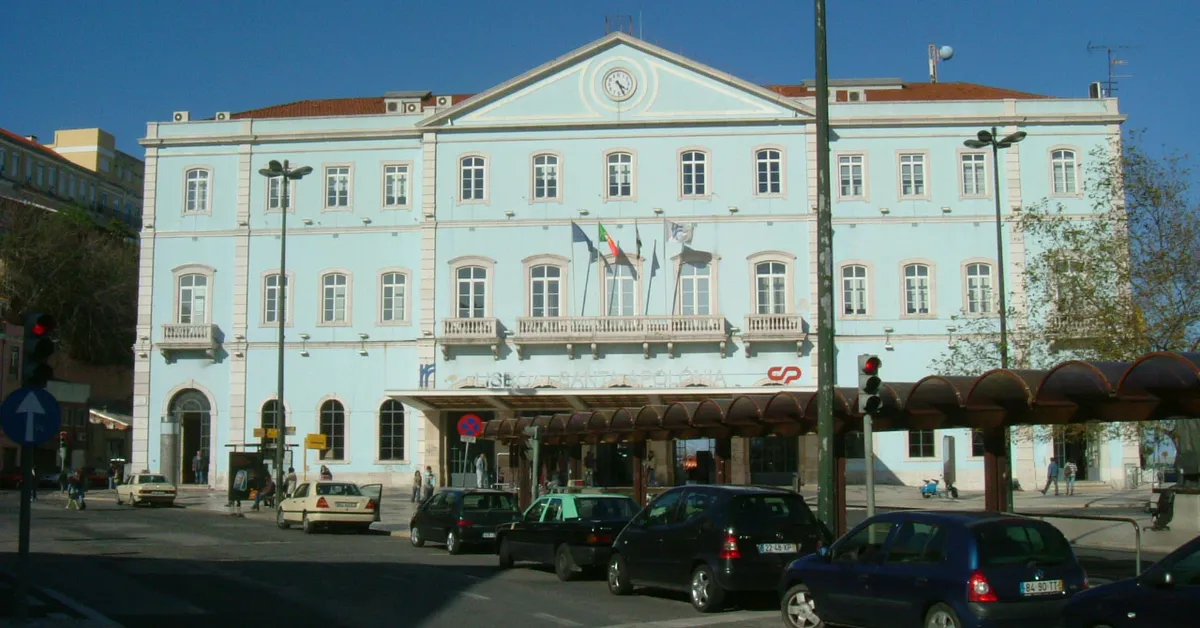
Lisbon’s Santa Apolónia station, the riverside terminus where trains from Porto, Coimbra and the Spanish border finish their run, sits about ten uphill minutes below Campo de Santa Clara, where the National Pantheon’s dome terrace, the Feira da Ladra flea market and the São Vicente de Fora monastery are within three minutes of each other.
No direct metro from here to the airport
Santa Apolónia is the eastern end of the blue metro line and the airport is the eastern end of the red one, and the two do not meet anywhere convenient: the change is at São Sebastião, right across on the other side of the city, and the whole trip runs around 35 minutes. It is one fare, 1.90 euros, and the trains are frequent, but it is not the quick hop the map makes it look like. Budget accordingly, and note that the station itself opened on 1 May 1865 and is Portugal’s oldest railway terminus, which is why it sits where the river used to matter rather than where the metro wanted it.
The National Pantheon’s dome and its terrace
Work on Santa Engrácia started in 1681 and the dome was not finished until 1966, which is 285 years and the reason “obras de Santa Engrácia” is still the Portuguese phrase for a project that will never end. The inside is one enormous marble room with almost nothing in it, which is unusual enough to be worth the ticket on its own. The tombs are real for Amália Rodrigues, the fado singer, for the footballer Eusébio and for several presidents; the monuments to Vasco da Gama, Camões and Henry the Navigator are cenotaphs with nobody inside them.
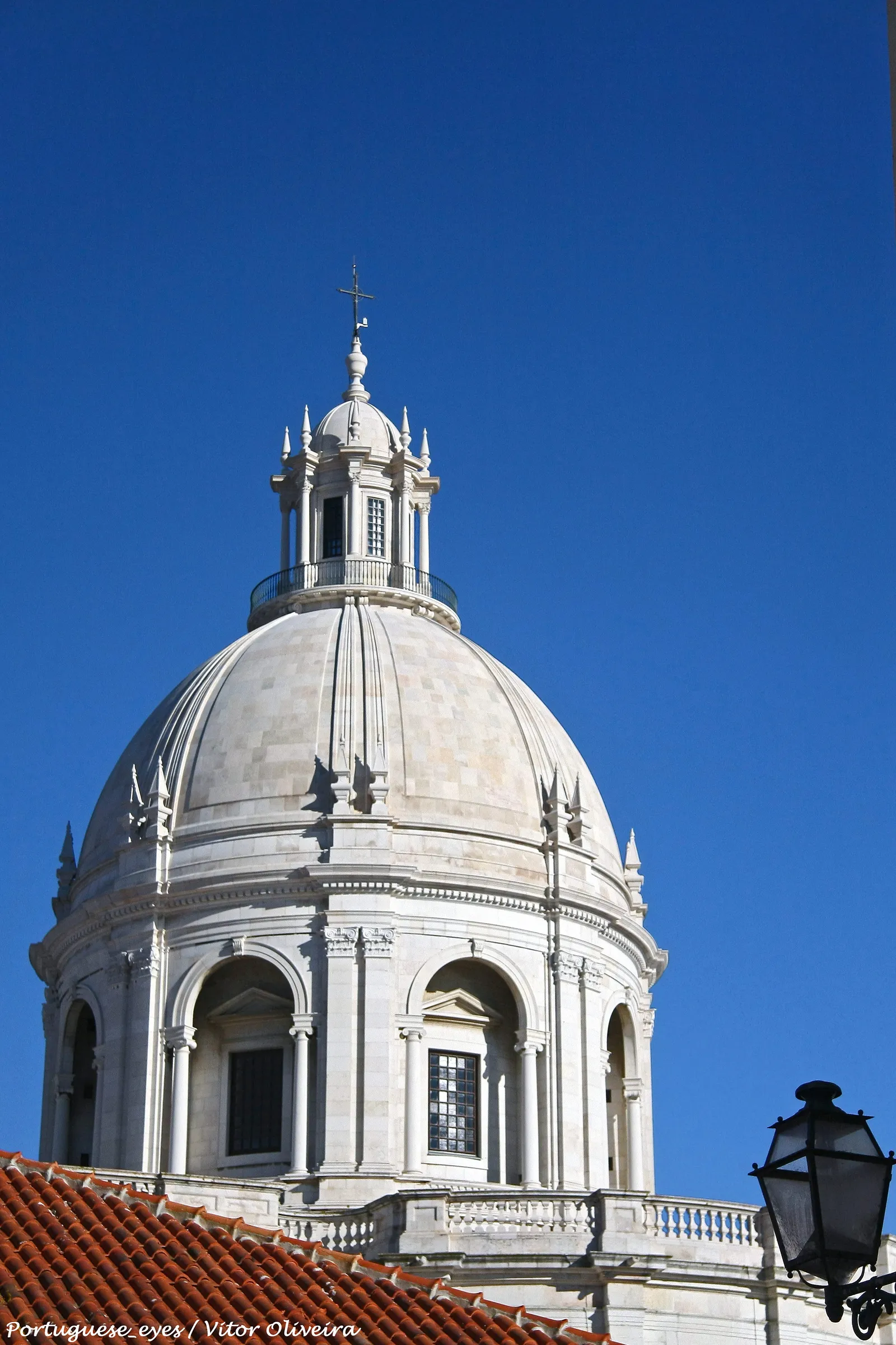
Admission is 10 euros and a ticket bought ahead saves the desk queue; it opens Tuesday to Sunday, 10:00 to 18:00 from April to September and 10:00 to 17:00 the rest of the year, with last entry half an hour before. The terrace runs right round the outside of the dome.
The Feira da Ladra flea market at Campo de Santa Clara
Twice a week, on Tuesdays and Saturdays, the long sloping square beside the Pantheon fills with sheets laid on the ground and trestle tables: old tiles, brass fittings, records, army surplus, cameras, a great deal of genuine junk. The market has been running under one name or another since 1272. It starts around nine and thins out from the early afternoon, Tuesdays fastest, so a morning arrival sees a different market than a two o’clock one.
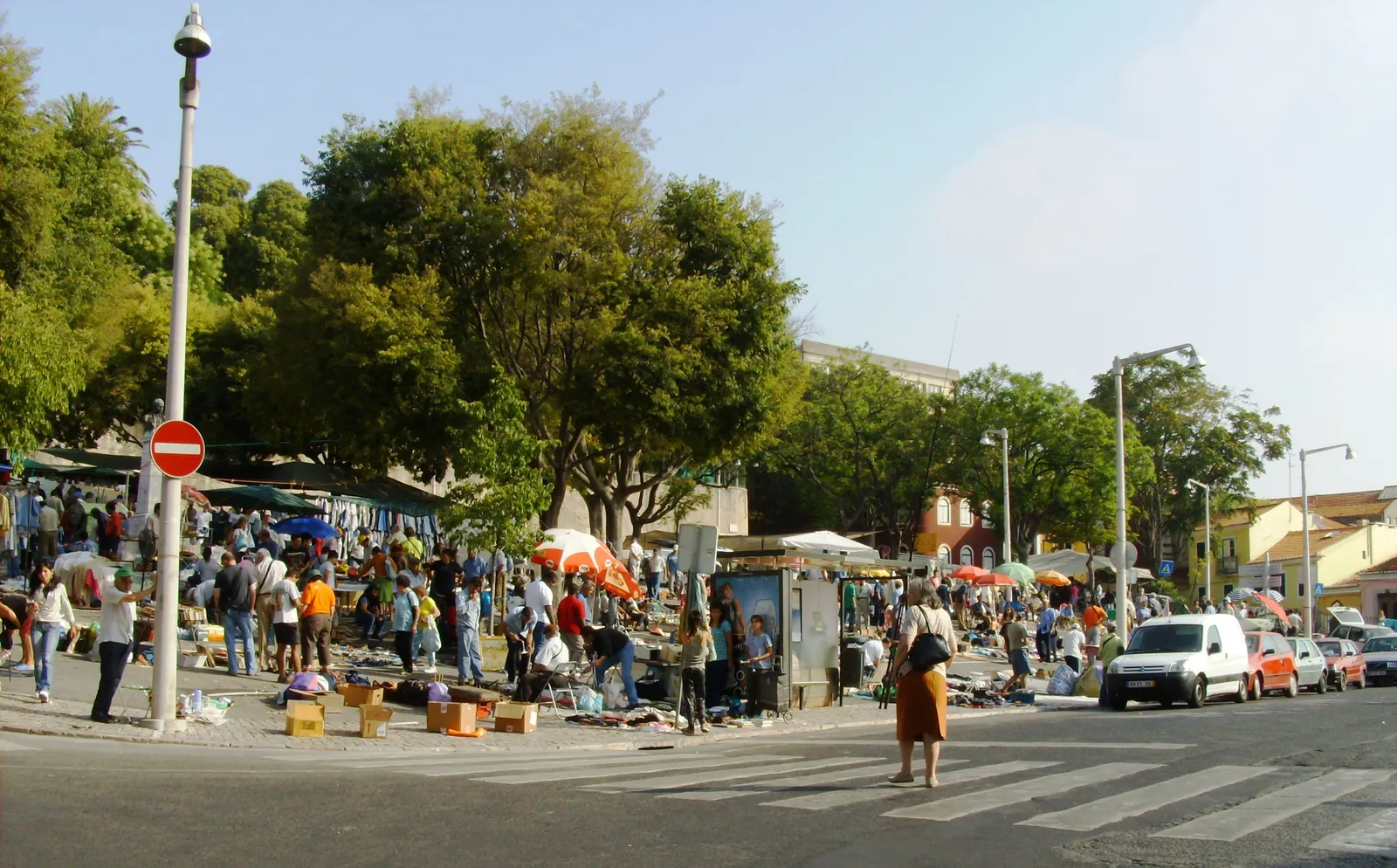
This is the arrival point for the overnight and long-distance services, so the bag most people are carrying here is a full-size suitcase after six hours sitting upright, not a cabin roller, and the market aisles are laid out on the ground rather than on stands.
Baroque tile panels inside São Vicente de Fora
Three minutes from the Pantheon, the monastery presents a flat white twin-towered front to a small square, and it is the church you can see from every viewpoint in Alfama. The reason to go in is the tile: the cloisters are lined with 18th-century blue-and-white panels, including a long sequence illustrating La Fontaine’s fables, which is a strange thing to find on a monastery wall and worth the walk on its own.
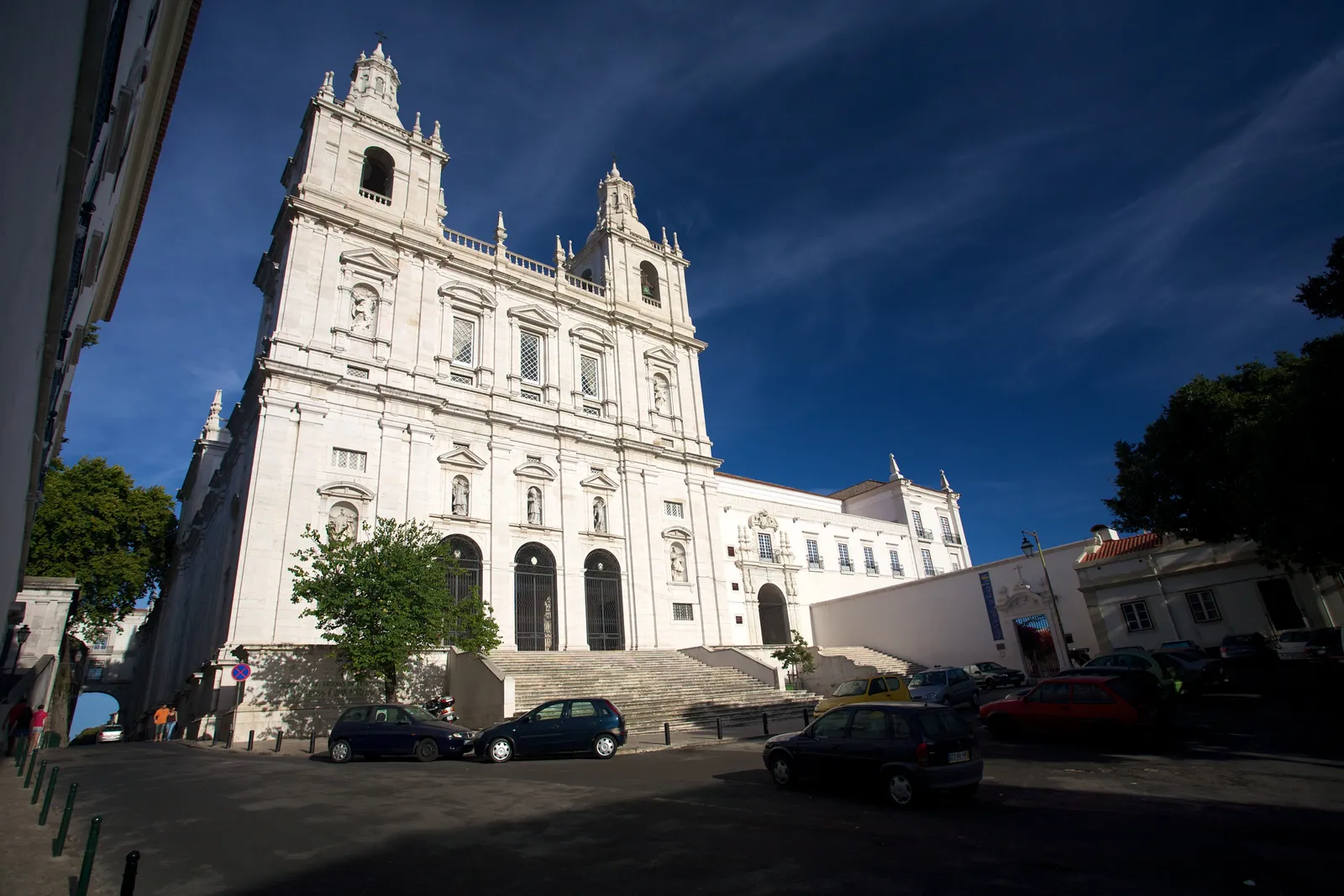
Eight euros, 10:00 to 19:00 from June through October and to 18:00 in winter, last entry an hour before closing. The roof terrace comes with the ticket and looks straight back at the castle.
An ornate 16th-century arsenal facing the station
The last stop is the one you walk past on the way in without noticing. Directly opposite the station entrance, in a former cannon foundry and arsenal, the Military Museum keeps rooms of artillery and armour under 18th-century painted ceilings, gilded woodwork and coloured marble, with tiled battle scenes running along the walls. Three euros, Tuesday to Sunday, 10:00 to 17:00.
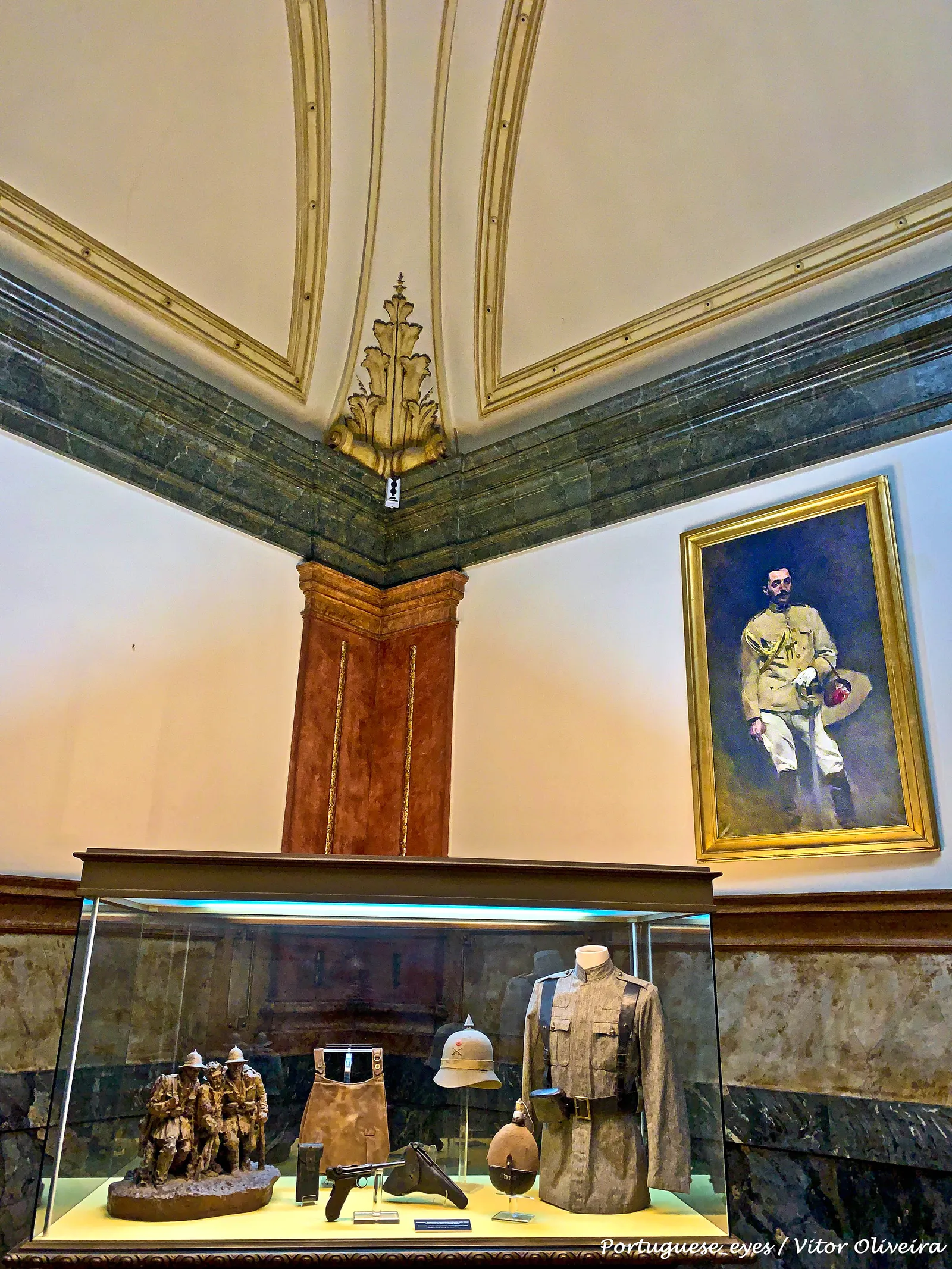
It is the natural last thing to do here because it is thirty seconds from the platforms, so it fits into whatever is left after you come back down the hill, and it is the one stop on this route you can leave at short notice without feeling you cut something short.
Frequently asked questions
Which day of the week is worst for this walk?
Monday, and it isn't close. The National Pantheon shuts all day, the Military Museum opposite the station shuts all day, and the flea market only runs on Tuesdays and Saturdays, so a Monday leaves you with the São Vicente de Fora monastery and the streets. Tuesday and Saturday are the two days everything on this page is open at once.
Is the National Tile Museum open?
Check before you set out. It closed in November 2025 for a full refurbishment and the reopening was announced for the second half of 2026 without a fixed date, so depending on when you read this it may or may not be taking visitors. It is also a 20-minute walk east of the station rather than part of the uphill cluster, or one stop on the 794 bus from outside the station door, so it is a decision to make before you start walking, not a detour you can add on.
What is there to do near Santa Apolónia when it rains?
More than most corners of Lisbon, because three of the four stops here are indoors. The Military Museum is directly opposite the station and costs 3 euros, São Vicente de Fora's tiled cloisters are under cover apart from the roof terrace, and the Pantheon's interior is a vast empty marble room whether or not you climb to the terrace. Only the flea market genuinely suffers: stallholders start packing up early when the weather turns.
Is the Pantheon terrace worth it if you have already seen Alfama from above?
It looks the other way, which is the point. The Portas do Sol and Santa Luzia terraces on the walk up from Baixa look down over Alfama toward the river; the Pantheon dome is higher and further east, so it turns you back over the same rooftops with the castle in the frame and the estuary opening up behind. If you have only seen Lisbon from ground level, do the terrace. If you did the miradouros this morning, spend the 10 euros on the interior instead and skip the stairs.