Hamburg Layover Near the Reeperbahn
Part of the full Hamburg Layover: Speicherstadt From HAM
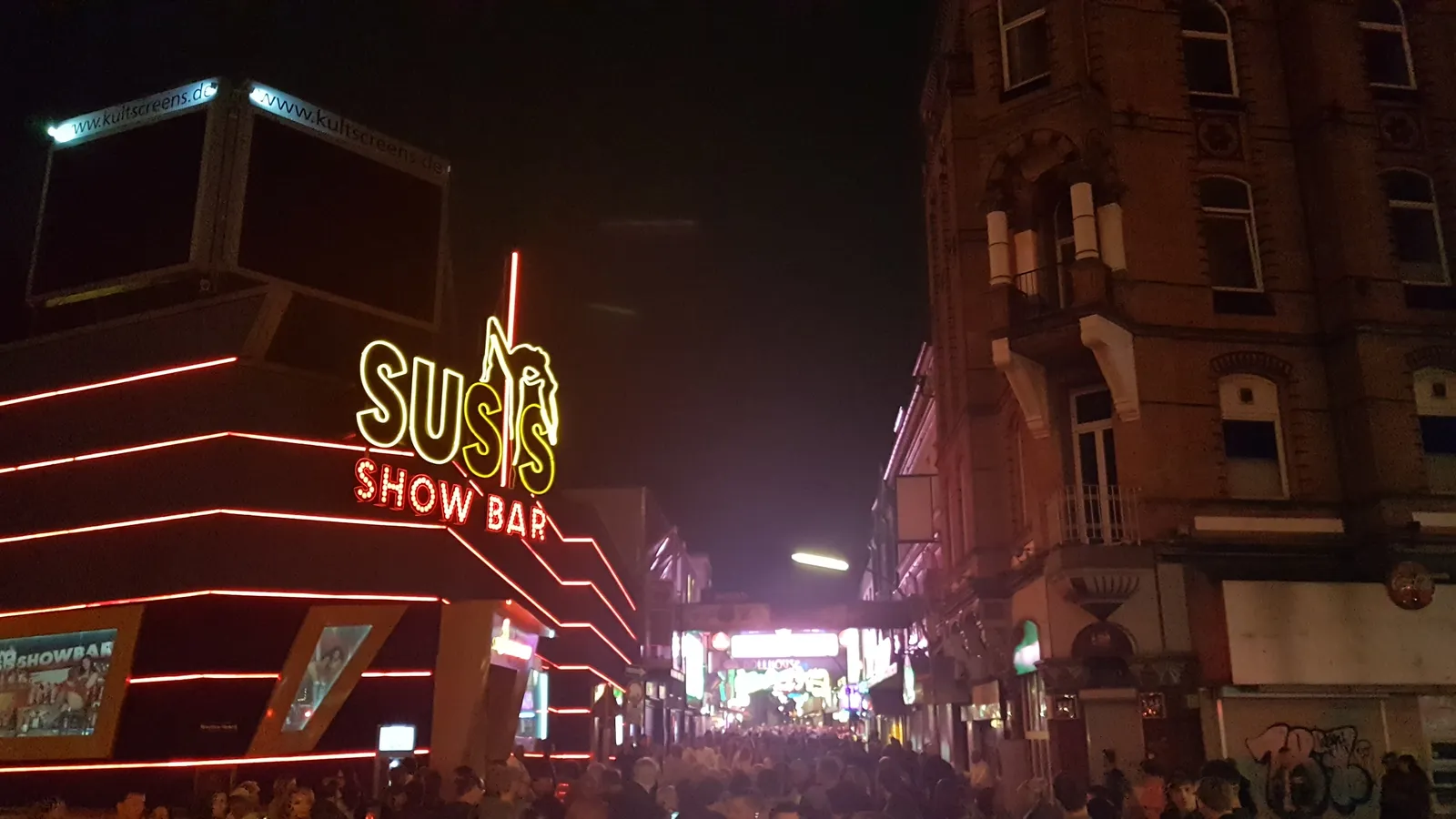
Hamburg’s Reeperbahn runs 930 metres through St. Pauli on the line of an old rope-making track, with Germany’s oldest waxworks halfway along it, a famous small police station at one end and a free public bar view over the port from ninety metres up.
The Panoptikum has kept a waxworks on Spielbudenplatz since 1879
The Panoptikum was opened by Friedrich Hermann Faerber in 1879 and is still run by his family, five generations on, which makes it the oldest waxworks in Germany. More than 120 figures fill about 700 square metres, politicians and footballers and film actors mixed together with no particular reverence.
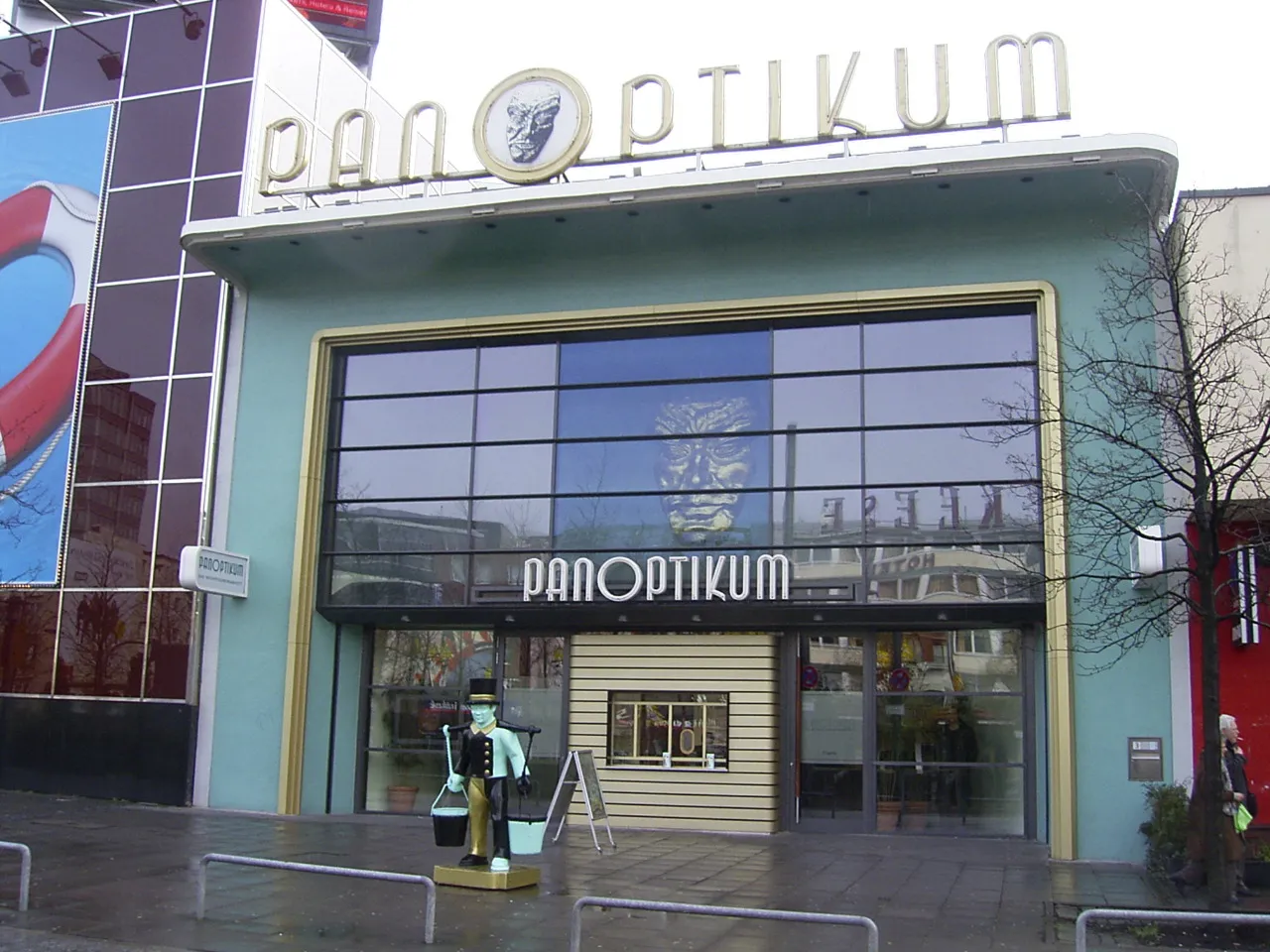
Entry is 9 euros and the doors stay open to 8pm on weekdays and Sundays, 10pm on Saturdays. A ticket bought ahead through a tours and activities platform is worth it on a Saturday evening, when the door is busiest and the last admission is the one people miss.
Fritz Schumacher built the Davidwache in 1914
The Davidwache stands on the corner of Davidstraße, a red-brick building with a steep gable and glazed ceramic work by the sculptor Richard Kuöhl set into its face. Fritz Schumacher, Hamburg’s chief building director, designed it between 1913 and 1914 and it opened on 10 December that year, deliberately in the style of the old Hamburg brick houses rather than as a piece of civic architecture.
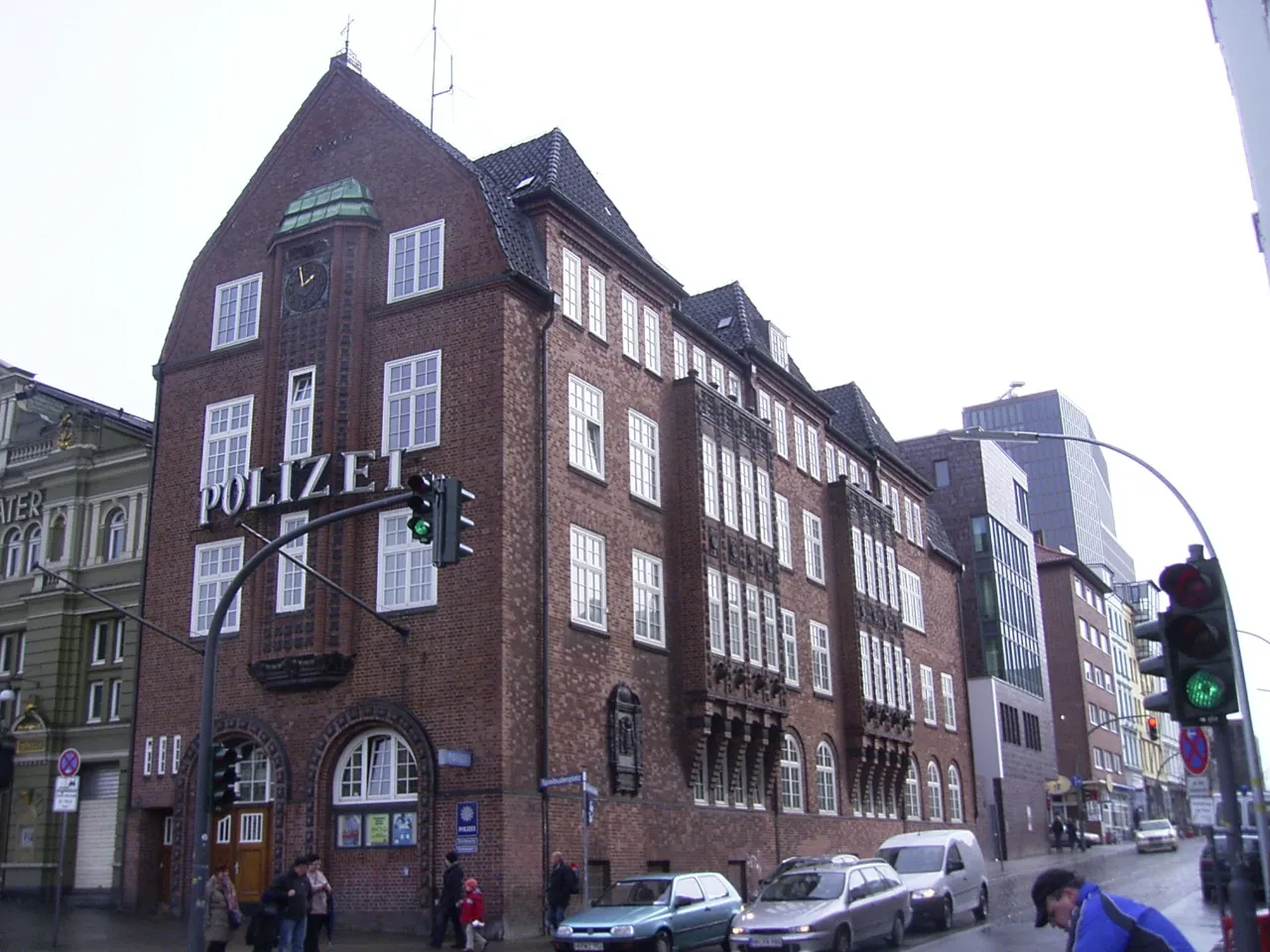
It is still a working police station, responsible for just under a square kilometre and about 14,000 residents, which makes it the smallest precinct in the country and, thanks to decades of German film and television, easily the best known. There is nothing to go inside for; it is a two-minute stop for the building itself.
The Reeperbahn is 930 metres of an old rope-laying track
A Reep is a rope in Low German and a Bahn is a track, and that is literally what this street was: the long straight run where rope for the port was laid out and twisted. The ropewalks sat in the Neustadt quarter until the 1620s, when the area got too densely built and the trade was pushed outside the city walls onto the country road running toward Altona. The road stayed; the name stayed with it.
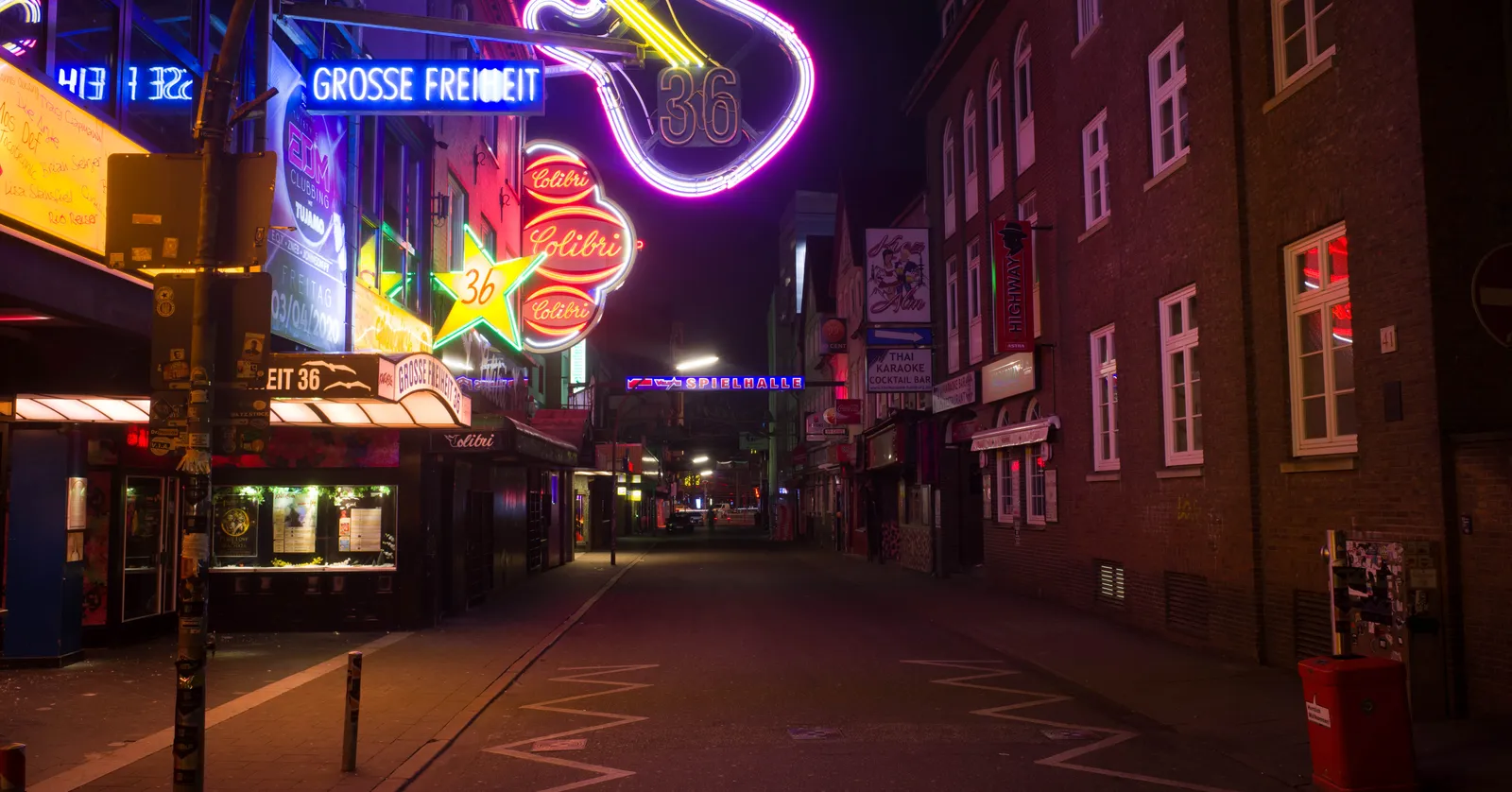
Große Freiheit turns off it about halfway down, and it is the reason a lot of people come at all: the Indra Club at the quiet end is where the Beatles played their first Hamburg residency from August 1960, before moving to the Kaiserkeller further along the same street. Both are still music venues. The street lights its neon at dusk and is worth seeing then rather than in daylight, when it reads as a fairly plain row of shopfronts.
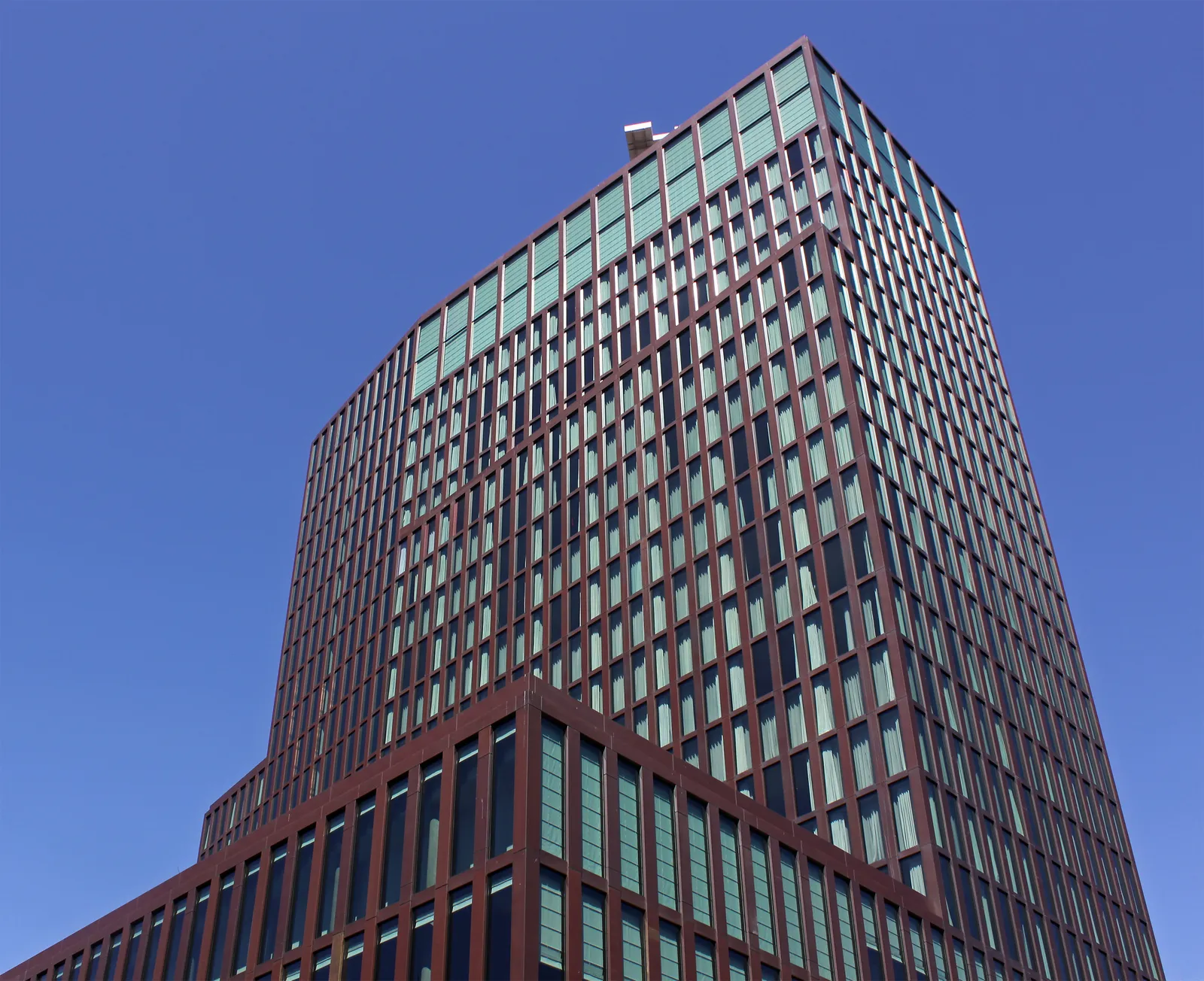
Three streets south, on Bernhard-Nocht-Straße, the twentieth floor of the Empire Riverside Hotel holds a bar that anyone can walk into: seven-metre windows, ninety metres up, the whole port laid out below, open daily from 6pm and no charge to come in, though the dress code is asked to be smart casual and the drinks are priced for the view. Getting there is the catch, because St. Pauli sits on a bluff and the ground climbs the whole way from the water to the Reeperbahn, with public staircases taking the steepest parts.
Trains run through the night here on Fridays and Saturdays
The Reeperbahn has its own station on the line that runs under the city centre, and the S1 from it reaches Hamburg Airport Helmut Schmidt without a change in a little over half an hour, front three carriages only past Ohlsdorf. What makes this corner of Hamburg different from the rest of it is the night timetable: on Friday and Saturday nights and the nights before public holidays, the suburban and underground trains run continuously rather than stopping, so a 3am departure from St. Pauli is a normal thing to plan around. Midweek they thin to about every 20 minutes late on and stop overnight, with night buses filling in. A single ticket for the city area is 4.10 euros at a machine, 3.81 euros in the transit app. Anyone here in daylight rather than after dark would get more from the warehouses and the harbour on the main Hamburg route, which is the better use of an afternoon.
Everything above happens on foot, on a street that climbs, in an evening crowd. Leaving the suitcase at a storage point first is what makes the difference between walking the Reeperbahn and negotiating it.
Frequently asked questions
What should I do during a layover near the Reeperbahn in Hamburg?
This is the one part of Hamburg that improves after the museums shut. The Panoptikum on Spielbudenplatz, Germany's oldest waxworks, runs to 8pm on weekdays and 10pm on Saturdays at 9 euros. The Davidwache, a 1914 brick police station on Davidstraße, is worth two minutes from the pavement and costs nothing. Große Freiheit turns its neon on at dusk, and the skyline bar 90 metres up on Bernhard-Nocht-Straße opens at 6pm with no cover charge. Three hours after dark covers all of it; the waxworks is the only part with a ticket.
What does the name Reeperbahn actually mean?
Ropewalk. In Low German a Reep is a rope and a Bahn is a track, and this straight 930-metre street was exactly that: the place ropes for the port were laid out and twisted. Hamburg's ropewalks sat in the Neustadt until the 1620s, when the quarter got too built up and the trade was pushed outside the city walls onto the country road toward Altona, which is the street standing here now.
How late do the trains run from the Reeperbahn?
On Friday and Saturday nights and before public holidays, the S-Bahn and U-Bahn run right through the night in Hamburg, so there is no last train to catch from St. Pauli on a weekend. The rest of the week the suburban trains drop to roughly every 20 minutes late in the evening and stop overnight, with night buses covering the gap, so a Tuesday departure needs more planning than a Saturday one.
Is the Reeperbahn worth walking for solo travellers?
The main stretch is a wide, brightly lit, heavily policed street with the smallest police district in Germany sitting on it, and it is busy rather than empty most evenings. The side streets are a different proposition, and Herbertstraße is screened at both ends by barriers put up in 1933 and signposted as closed to women and to under-18s. Sticking to the Reeperbahn itself, Spielbudenplatz and Große Freiheit keeps you in the lit, populated part of the district.