Charleroi Airport Layover, Brussels South
Part of the full Brussels Layover: Grand-Place and Sablon, BRU
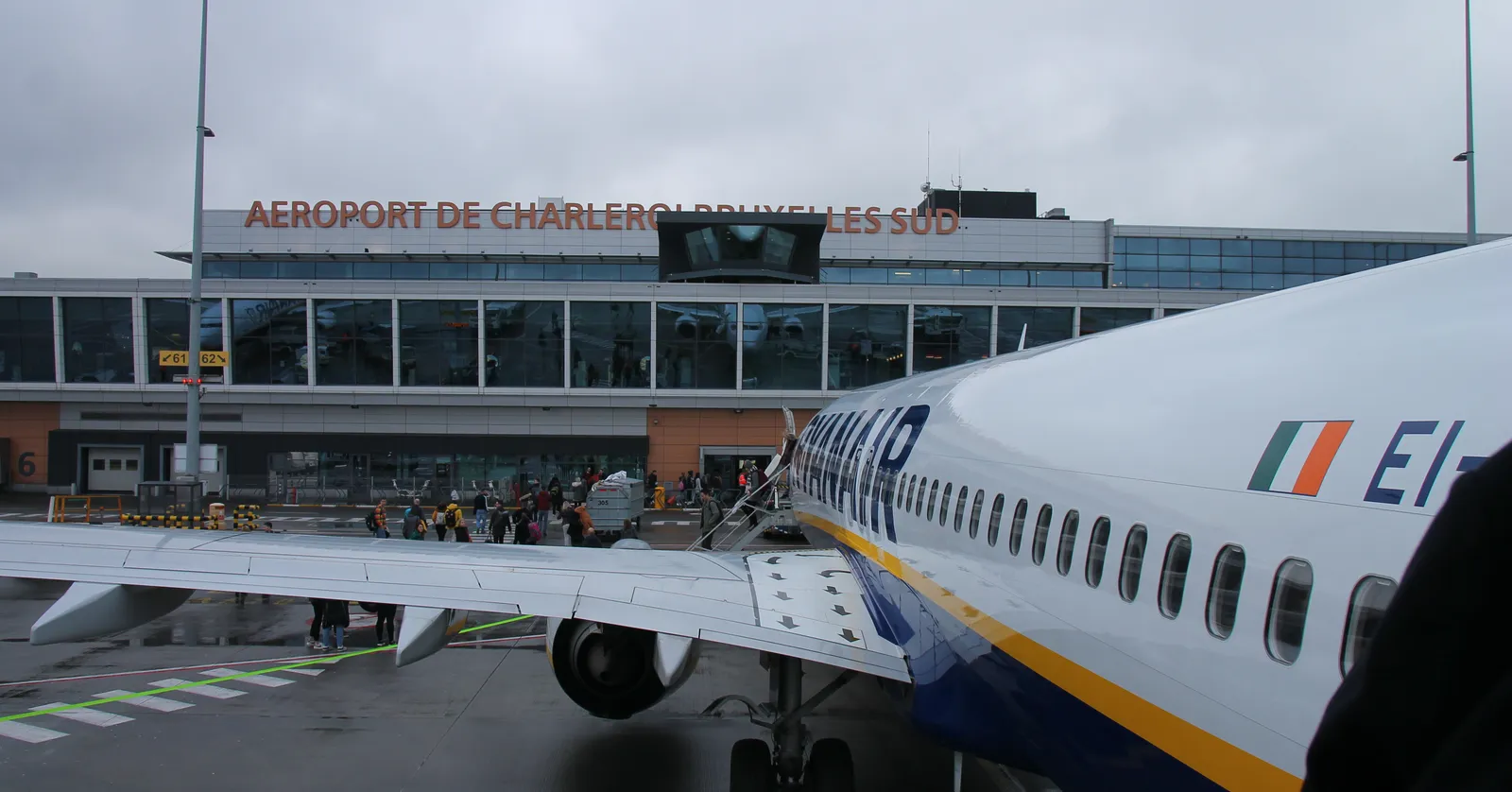
Brussels South Charleroi Airport sits 46 kilometres from Brussels and five from Charleroi, which puts the UNESCO-listed Bois du Cazier pithead, a photography museum holding 100,000 prints and an art deco belfry far closer than anything in the capital.
The shuttle to Brussels-Midi runs about 55 minutes each way
Nothing about this airport connects to Brussels the way Zaventem does. There is no train from the terminal; the link is a coach to Brussels-Midi, roughly 55 minutes when the ring road behaves, running from before four in the morning until around ten at night, with more than fifty departures a day and fares starting around six euros. Booking the seat in advance is worth doing at peak times, when the queue at the stand outgrows the bus.
Two hours of that, round trip, is the arithmetic that decides your afternoon. The bus takes up to three pieces per passenger in the hold and one in the cabin, and it draws the line at value rather than size: anything over 300 euros has to ride with you rather than under the floor, so a bag you would rather not have out of sight for an hour is a bag worth leaving behind before you set out.
The Bois du Cazier is a pithead kept as a memorial
On 8 August 1956 a coal wagon was pushed into the cage at Marcinelle before it was properly loaded, two high-voltage cables tore, and the fire that started killed 262 men underground. Twelve nationalities were among the dead and 136 of them were Italians, brought to Belgium under a labour agreement that traded miners for coal.
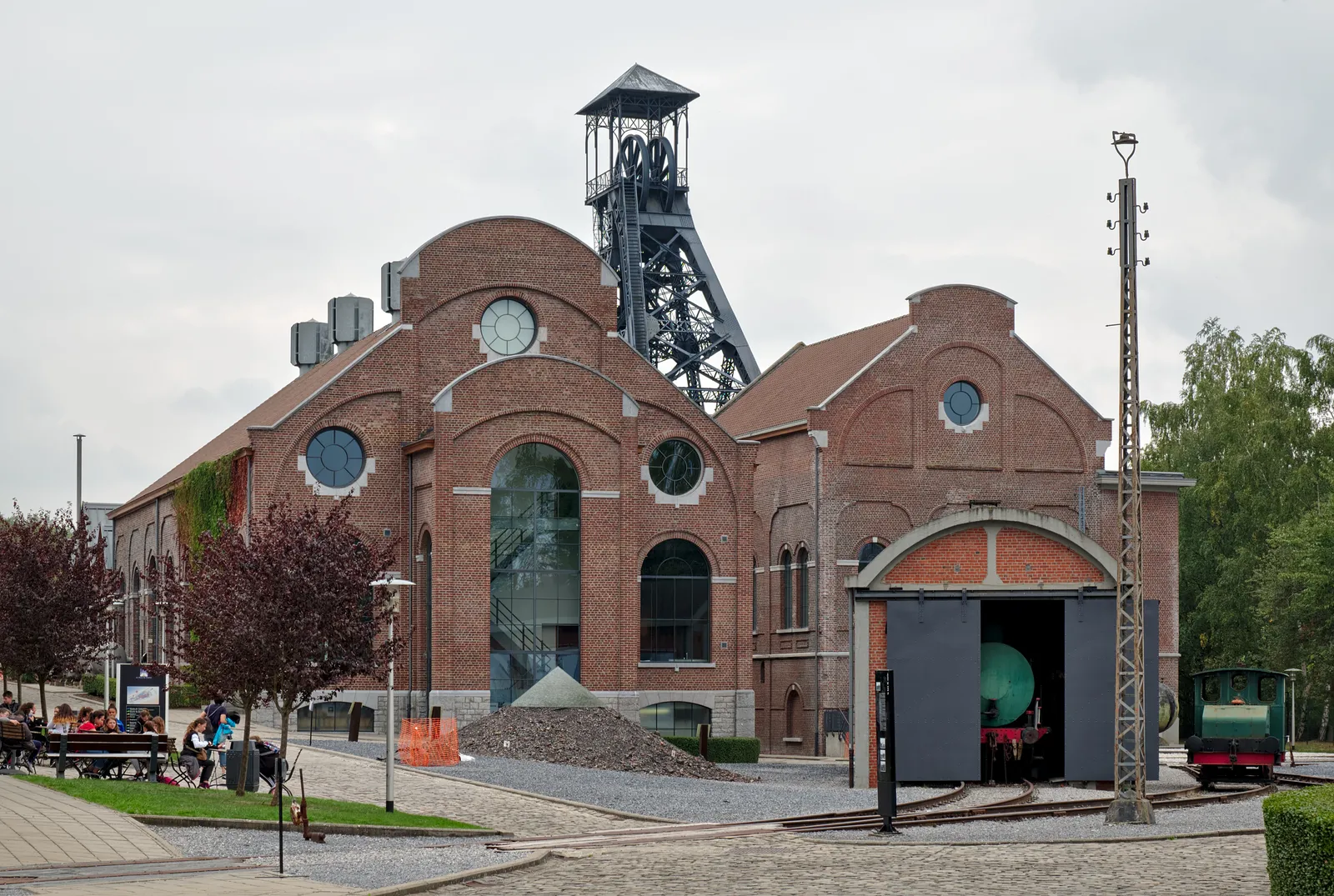
The colliery closed in 1967 and the site was kept rather than cleared: the brick halls, the two steel winding towers, the yard, and museums of industry and glass inside them. UNESCO listed it in 2012 as one of Wallonia’s four major mining sites. Adult entry is 8 euros, and it takes a couple of hours to do properly. It is about fifteen minutes by bus from Charleroi’s central station and roughly half an hour from the terminal.
The photography museum fills a convent at Mont-sur-Marchienne
A neo-Gothic Carmelite convent on the southern edge of the city holds 100,000 prints, one and a half million negatives and about 6,000 square metres of floor, with a modern wing bolted on at the back and a sculpture garden between them. Around 800 prints hang in the permanent display at any time and the rest of the space runs temporary shows.
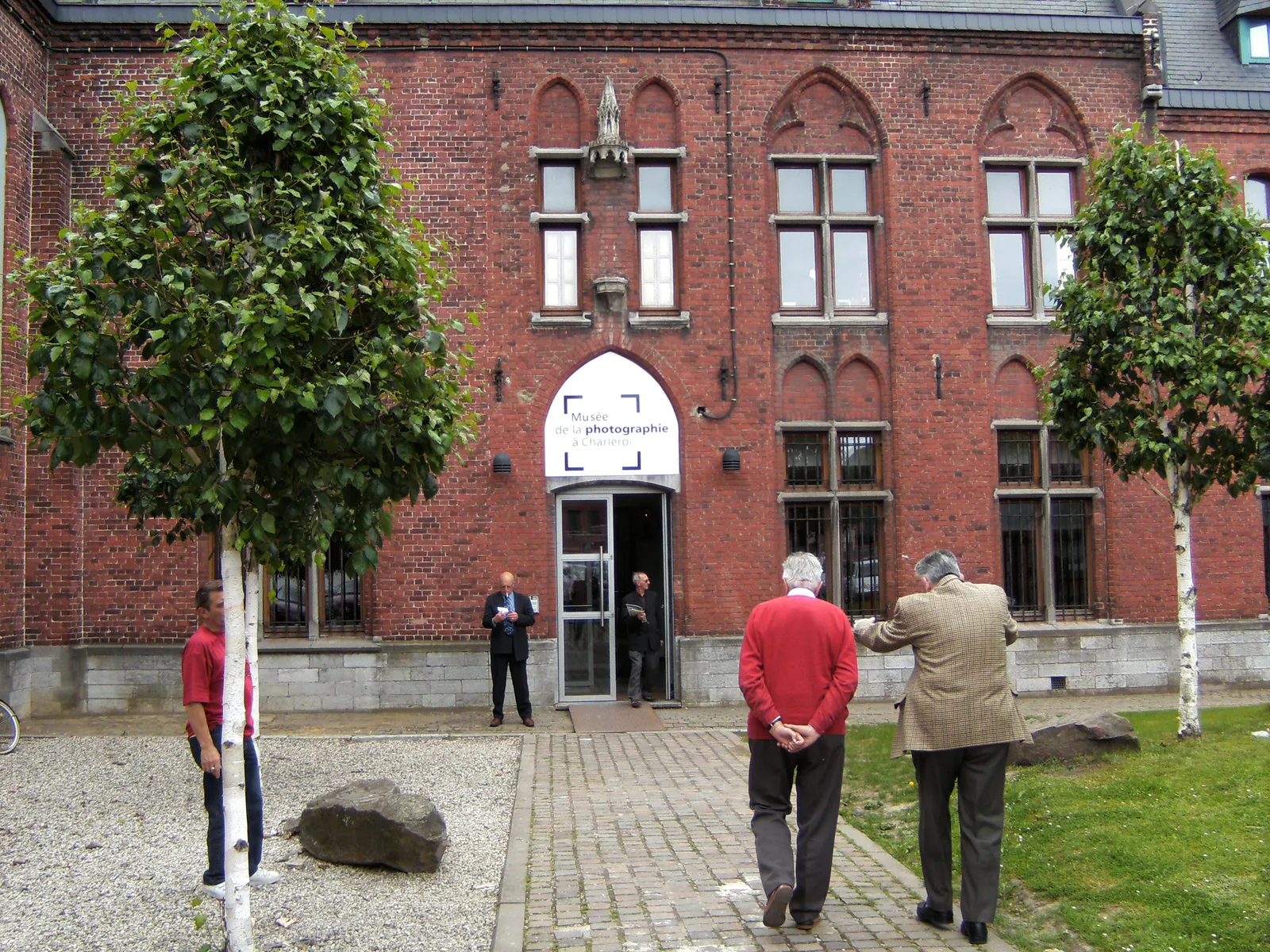
Entry is 7 euros for an adult, 4 for students, free under 12. Buses from Charleroi’s central station reach Mont-sur-Marchienne in under a quarter of an hour. It is the sort of collection that would draw a queue in a capital city and does not here, which is most of the appeal on a day you are working against a departure time.
Charleroi’s town hall carries the newest belfry on the UNESCO list
Belgium and France have 56 belfries between them on the World Heritage list, most of them medieval. Charleroi’s went up in 1936. Joseph André built it into the new town hall on the Place Charles II, 70 metres of blue and white stone in a style that starts as classicism and turns art deco on the way up, with a carillon of 47 bells filling the top three levels and playing a Jacques Bertrand song.
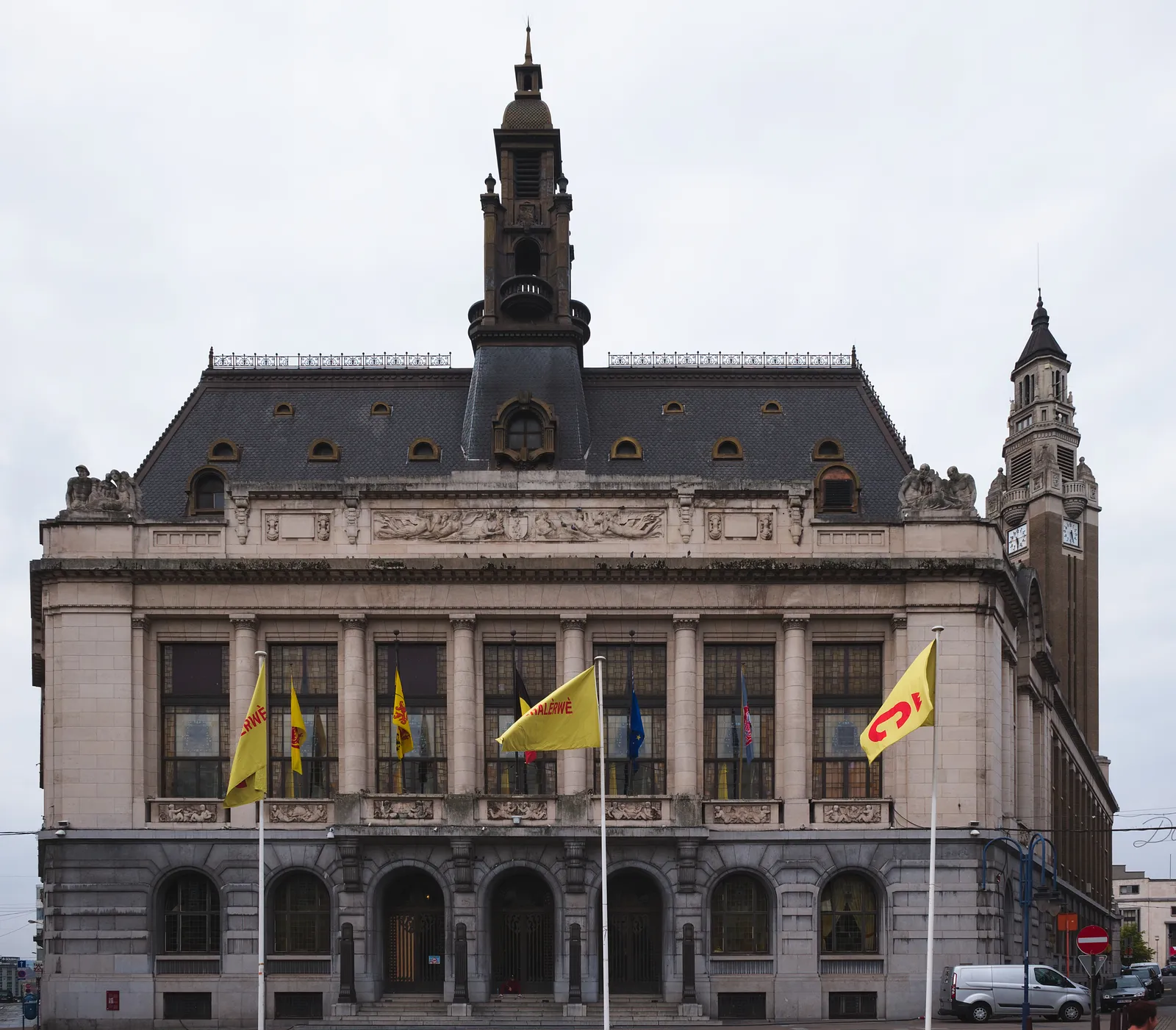
Standing on the square costs nothing and takes ten minutes, which makes it the stop that fits whatever is left of your afternoon. Work the return the other way round from a normal layover: fix the departure you need from the terminal, subtract the ride, and spend what remains rather than starting from what you would like to see. The last shuttle north goes around ten at night, and a missed one here is not a twenty-minute wait.
Frequently asked questions
Is there time to get into Brussels from Charleroi Airport?
Only with five hours or more, and even then it is tight. The shuttle bus takes about 55 minutes each way to Brussels-Midi, so a return trip is nearly two hours of sitting before you have seen anything, plus the wait for a departure at each end. With five to seven hours it works and the old-centre walk in Brussels is what to do with it. Under five, stay in Hainaut: Charleroi's own centre is a fifth of the distance.
How do you get from Charleroi Airport into Charleroi itself?
A local bus, and it is about five kilometres rather than the forty-six to Brussels. The ride into the centre takes roughly twenty minutes and costs a few euros, which is the whole argument for treating Charleroi as the destination rather than a place you are stuck in. From the central station, buses reach both the Bois du Cazier and the photography museum in under fifteen minutes.
What does the shuttle bus let you carry?
Up to three pieces in the hold and one in the cabin per passenger. The airline rules that got you to Charleroi and the bus rules are separate, and the bus is the stricter of the two on where valuables go: anything worth more than 300 euros has to travel in your hand luggage rather than under the floor. Worth knowing before you load a bag you cannot see for an hour.
Is Charleroi worth seeing on its own?
More than its reputation suggests, and cheaply. The three stops on this page come to 15 euros between them and the belfry costs nothing to stand under. The city was built on coal and steel and has spent the last twenty years converting the leftovers, so what you get is industrial heritage and contemporary art rather than guildhalls, which is a genuinely different day out from anything in the capital.