Montevideo's Parque Rodó and Pocitos
Part of the full Montevideo Layover: The Old City From MVD
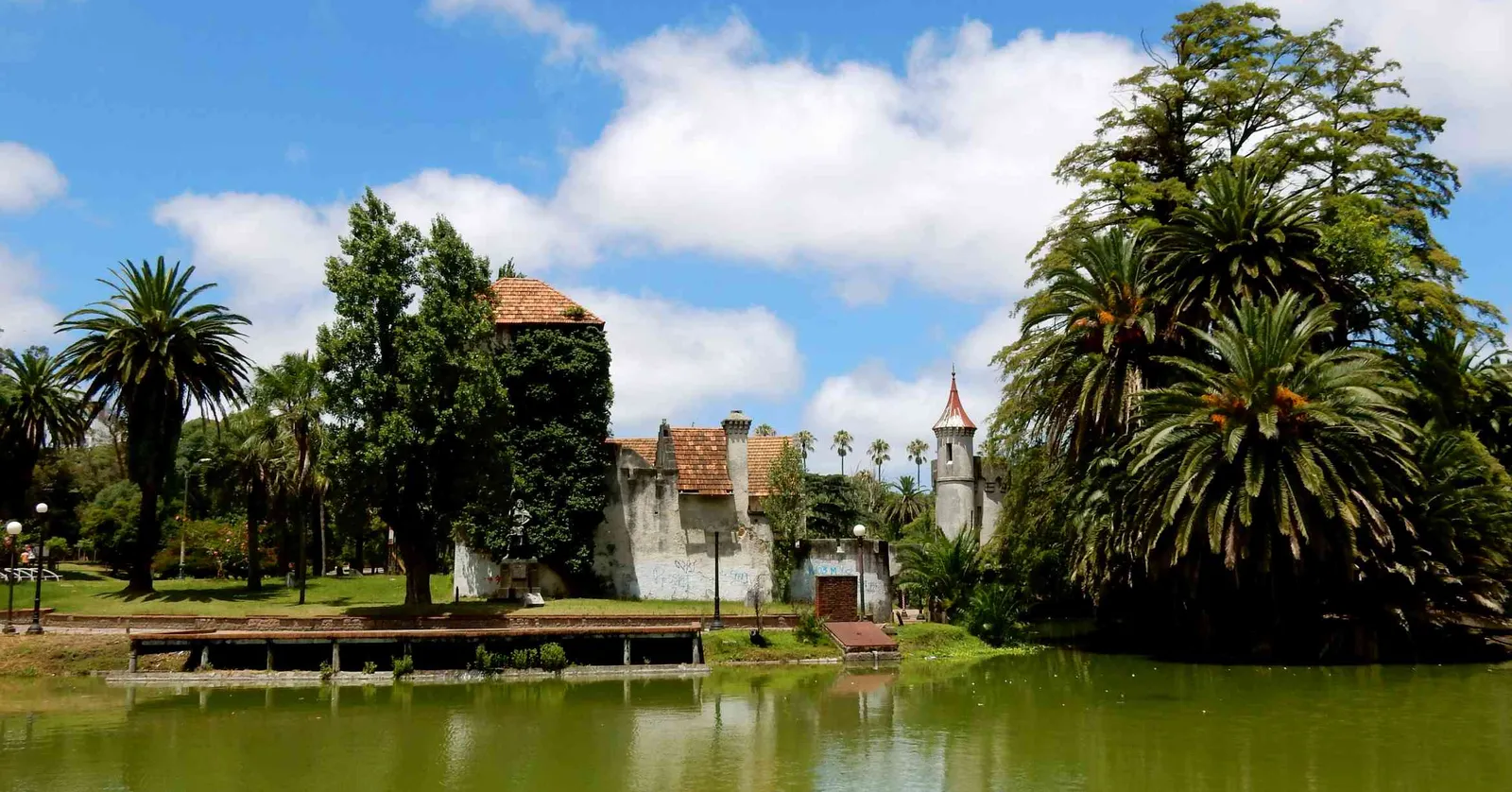
Montevideo’s Parque Rodó keeps a mock-medieval castle from 1903 on an artificial lake with four small islands, and a flat walk along the Rambla south of it reaches Playa Pocitos, a beach that’s drawn bathers since the 19th century.
El Castillito, a castle built for a park lake in 1903
The engineer Montero Paullier designed the small castle that gives this stretch of Parque Rodó its postcard look, finished in 1903 as part of the park’s original construction between 1900 and 1904. Montevideans call it El Castillito, the little castle, and while it’s often described as copying a medieval European original, nothing on record says which one, or that it copies one at all. It sat closed for six years before reopening as a children’s and youth library, and the lake around it, with four small islands and rowboats for hire, is the calmest part of the whole route.
A roller coaster opened the park’s amusement grounds in 1889, before the lake or the castle existed, making it one of the oldest fairgrounds in South America; carousels followed from 1903 onward. The park itself took its current name in 1917, honouring the essayist José Enrique Rodó, and walking through it costs nothing even if none of the rides are running.
Playa Pocitos, a beach with its own hotel since 1912
South along the coast, Playa Pocitos was one of the earliest seaside resorts on this part of the continent, drawing bathers here from the 19th century and lending its name to the whole neighbourhood around it, which traces back further still to the arroyo de los Pocitos, the stream that once ran to the shore. The Hotel de los Pocitos opened directly on the seafront in 1912, and a pier built at Trouville once let sporting boats dock; the yacht clubs still strung along today’s promenade are what’s left of that use.
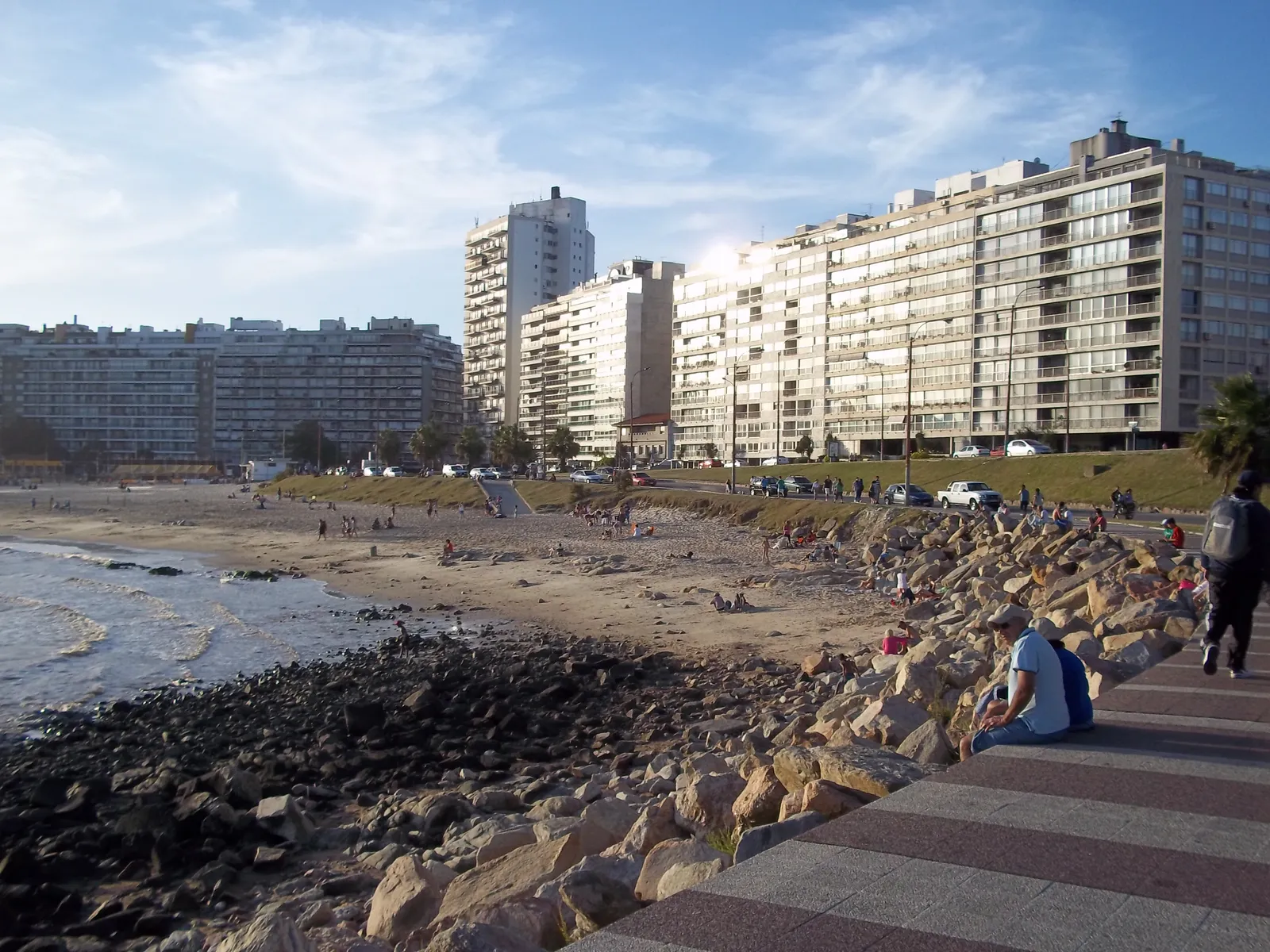
At about 2 kilometres, it’s the second-longest beach on Montevideo’s Rambla after Carrasco’s, and unlike the old city’s museums and tours, none of it needs an opening time to be worth seeing.
The walk between them has no shelter anywhere on it
The Rambla connecting Parque Rodó to Pocitos is flat and paved the whole way, easy underfoot, but entirely open to whatever comes off the Río de la Plata: there’s no building, awning or tree line breaking the wind along the water side for the full stretch. On a calm day that’s irrelevant; on a blustery one, it turns a pleasant walk into a genuine slog, and a wheeled suitcase catches the wind like a sail in a way a shoulder bag never does.
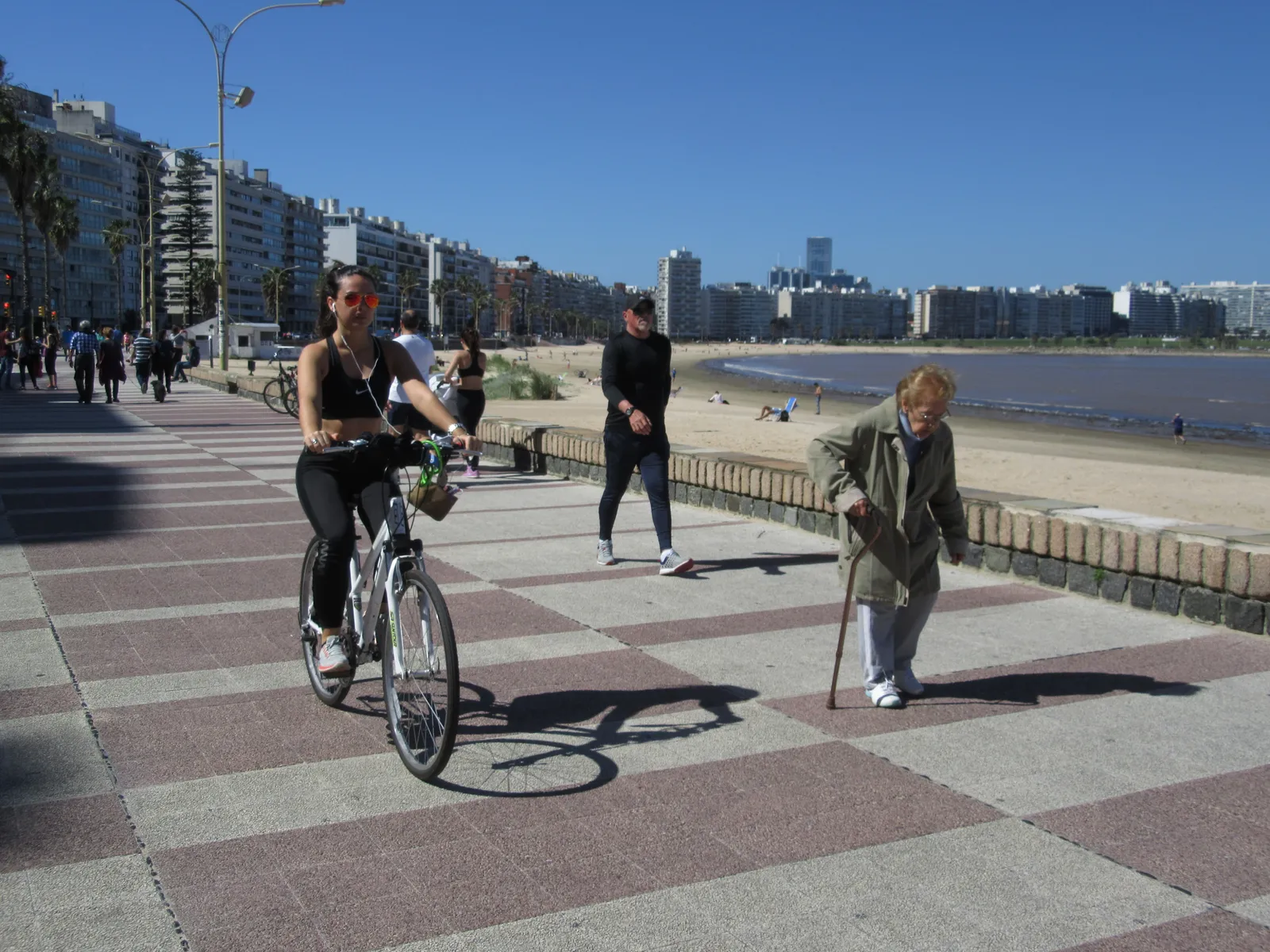
Buses run along Avenida Brasil and the coastal avenues a block or two inland if the wind makes the shoreline itself unpleasant, cutting the walk down to whichever stretch actually appeals. The full Montevideo route covers this same coastline more briefly on its way through the old city’s other sights; this version treats the walk itself as the point rather than a coda to it.
Getting back to Carrasco airport from the coast
A taxi or ride-hailing car covers the roughly 12 kilometres from Pocitos to Carrasco International Airport (MVD) in 20 to 25 minutes. By bus, the route runs first to Tres Cruces terminal, about 20 minutes from Pocitos, and then the COT coach to the airport, every 15 to 30 minutes for a further 25 to 30 minutes.
Between the park, the beach and the open walk connecting them, this is the least sheltered route on the whole site, and the one where a bag left behind matters most. A storage point near Parque Rodó turns a windy afternoon into a walk instead of a struggle.
Frequently asked questions
What should I do during a layover near Pocitos beach and the Rambla in Montevideo?
Start at Parque Rodó, where a mock-medieval castle from 1903 sits on an artificial lake with rowboats for hire, then walk the Rambla south along the coast to Playa Pocitos, a beach that's been a bathing resort since the 19th century. Three hours covers both at an easy pace; add a fourth if you want the full promenade between them rather than a bus for part of it. Check the wind before deciding how much of the walking to do, since there's no shelter anywhere on this route.
How old is the castle in Parque Rodó?
It opened in 1903, designed by the engineer Montero Paullier as part of the park's original layout, and is popularly known as El Castillito. It's built to look like a small medieval European castle, though there's no record of it copying a specific one. After sitting closed for six years, it reopened as a children's and youth library.
Is Parque Rodó's amusement park still running?
Yes. It's one of the oldest amusement parks in South America, opened in 1889 with a roller coaster as its first ride; carousels followed in 1903. It sits beside the lake and castle, and admission to individual rides is separate from walking the park itself, which costs nothing.
Why is Playa Pocitos considered historic?
It was one of South America's earliest seaside resorts, drawing bathers from the 19th century on, and it gave its name to the whole neighbourhood. The Hotel de los Pocitos opened on the seafront in 1912, and a pier at Trouville once handled sporting boats. The beach itself runs about 2 kilometres, the second-longest stretch of sand on Montevideo's Rambla after Carrasco's.
How do I get from Pocitos back to Carrasco airport?
A taxi or ride-hailing car covers the roughly 12 kilometres in 20 to 25 minutes. By public transport, city buses run from Pocitos to Tres Cruces terminal in about 20 minutes, and the COT coach from there reaches the airport every 15 to 30 minutes for a further 25 to 30 minutes.