Montevideo's Estadio Centenario Tower
Part of the full Montevideo Layover: The Old City From MVD
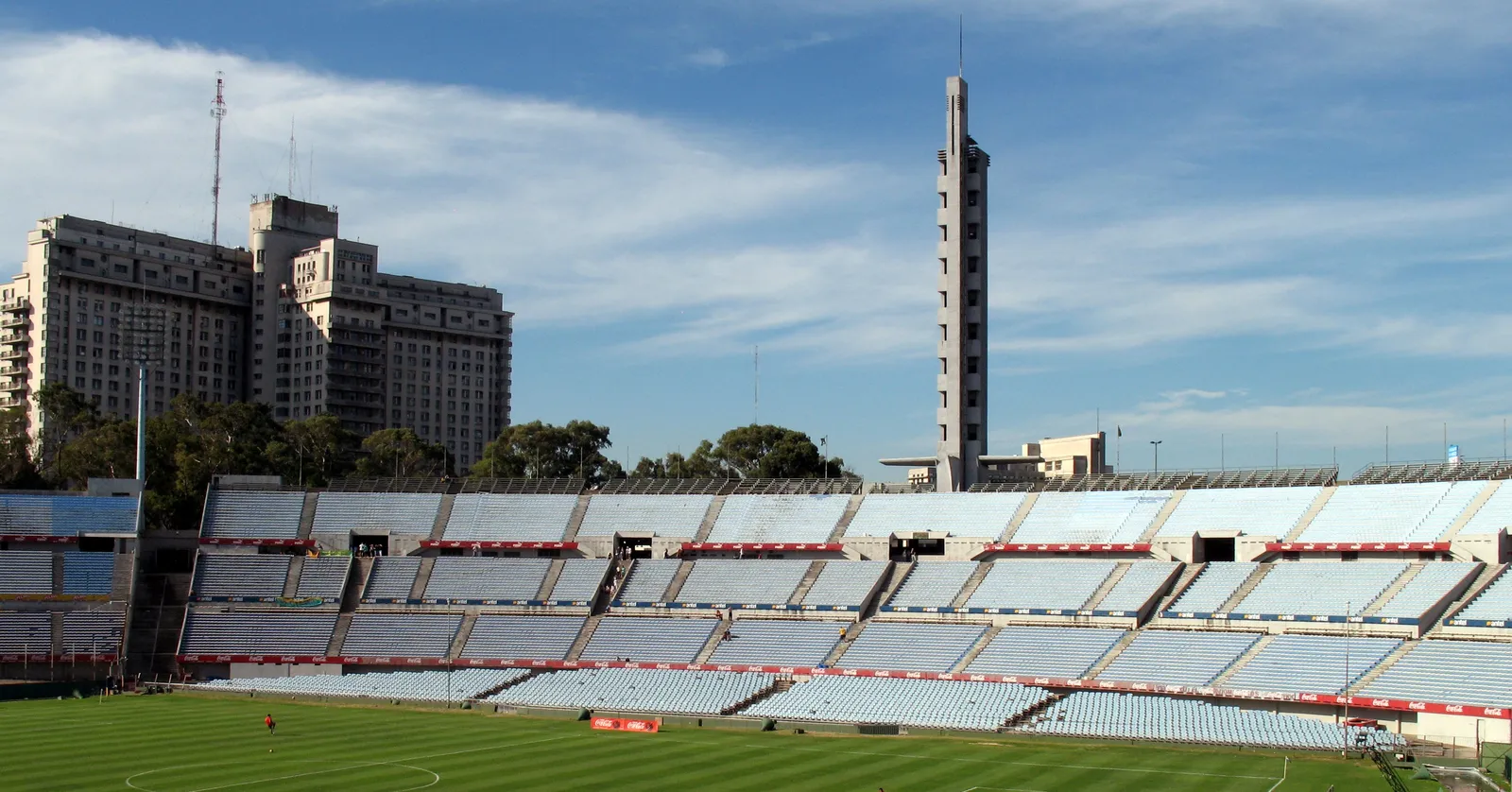
The Estadio Centenario names its four grandstands for how Uruguay earned the right to build it, and a 100-metre tower rising from the one called Olímpica opens, on the same museum ticket, to a lookout over Parque Batlle and the city beyond it.
Two Olympic golds gave the grandstands their names
Uruguay wasn’t an obvious choice to host the first World Cup in 1930, except that it had already beaten everyone at the sport twice: the Colombes grandstand is named for Paris, where the Olympic tournament was partly played in 1924, and Ámsterdam for the games four years later, both times with Uruguay taking the gold. Those two wins are the reason FIFA gave Uruguay the inaugural tournament instead of a European host, and the naming keeps the argument standing at the ground itself. The other two stands, Olímpica and América, take their names less pointedly: one sits under the tower, the other holds the official box and the press.
The stadium itself went up in under six months in 1930: 160,000 cubic metres of earth excavated for the bowl and 14,000 cubic metres of reinforced concrete poured to shape it, finished with days to spare before the tournament it was built for had already begun. The full Montevideo route covers the World Cup final itself and the football museum underneath this same grandstand; this stop goes further into the building than a quick pass through the park allows for.
A hundred metres up the Torre de los Homenajes
The tower rising from the Olympic stand is an independent reinforced-concrete structure, freestanding rather than load-bearing, and it reaches 100 metres. A December 2004 renovation added a panoramic elevator inside it, reached from the football museum’s own entrance rather than a separate queue, and the same museum ticket, 400 pesos for foreign visitors, 200 for Uruguayans, nothing under 12, covers the ride up. The lookout at the top takes in the stadium bowl directly below, the tree cover of Parque Batlle spreading east, and a wider sweep of the city past that.
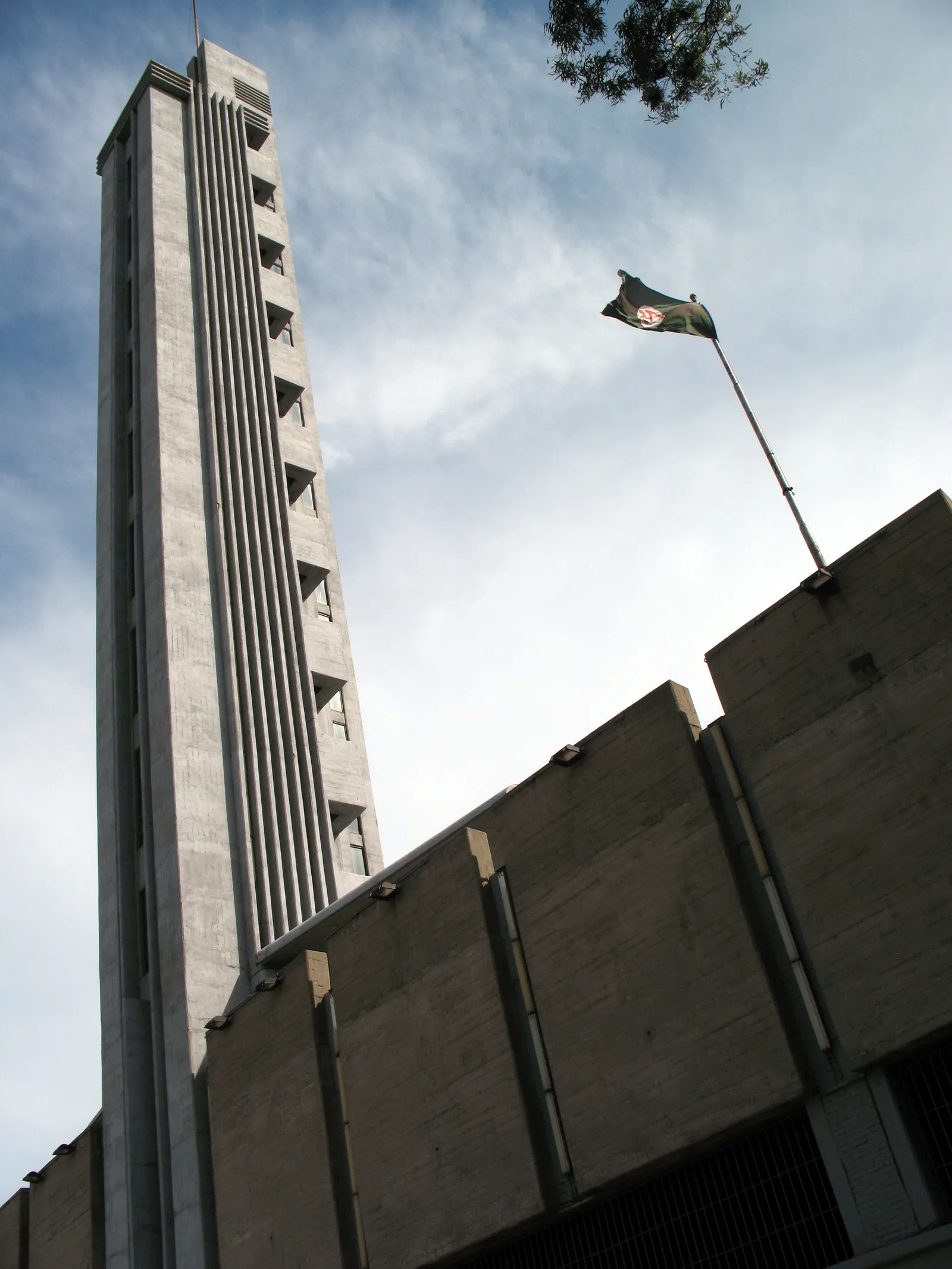
None of this is available on a match day. The museum and the tower both close whenever the stadium itself is in use, which isn’t advertised on the standard weekly hours, so checking the fixture list first is worth the minute it takes.
The Velódromo Municipal has been banking cycling turns since 1938
A short walk from the stadium, on the other side of Parque Batlle’s grown-in trees, a 333-metre banked concrete track has hosted track cycling since it was built between 1935 and 1938. Uruguay’s cycling federation renamed it for Atilio François, a champion rider, in 1998, and it’s still the country’s main venue for the sport, hosting national meets between the palms that ring it.
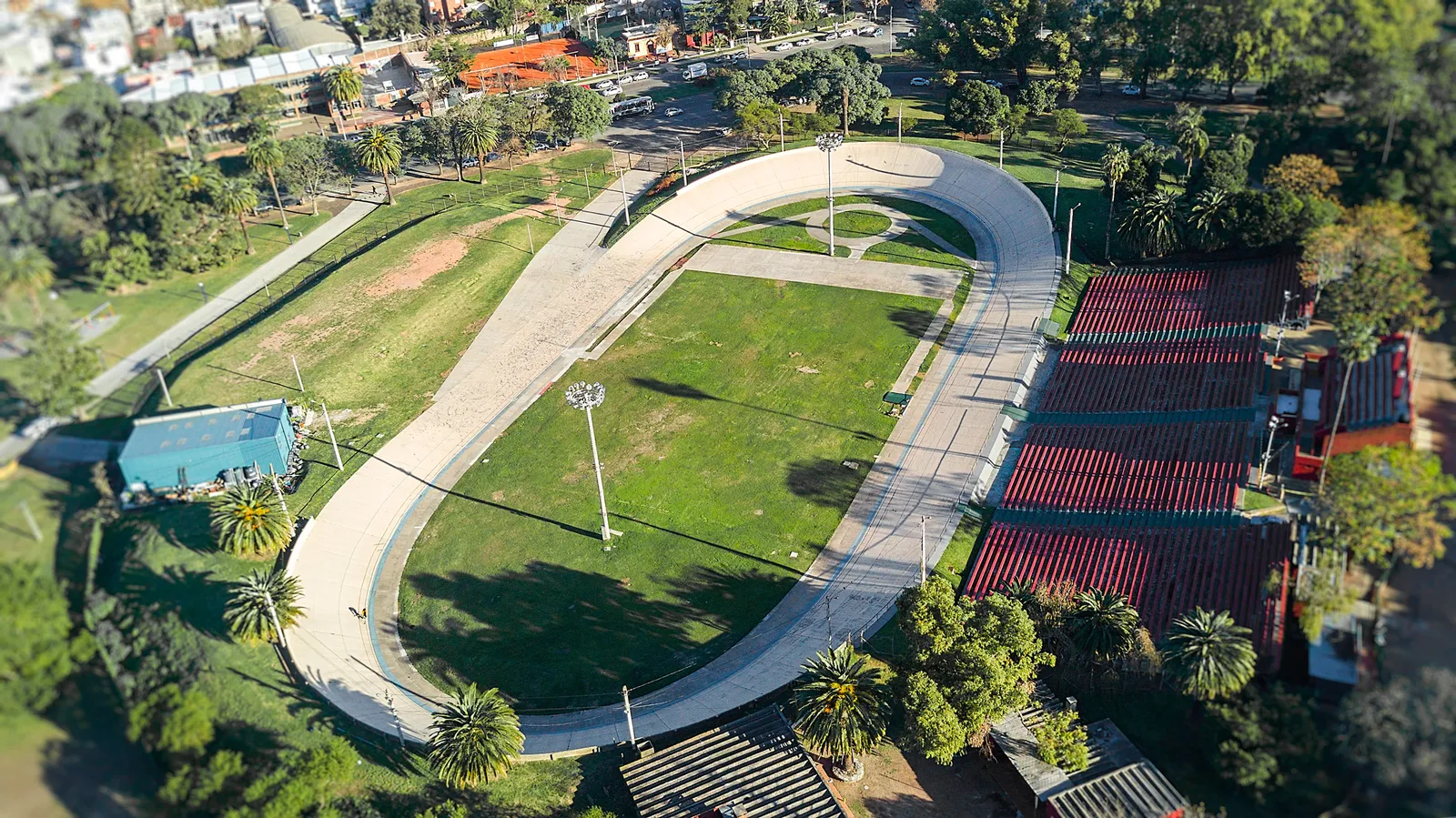
There’s no ticket needed to walk past it or stop at the fence when a session is running, which makes it the natural way to spend whatever time is left over once the museum and the tower have used up their opening hours for the day.
No direct bus to Carrasco airport from here
A taxi or ride-hailing car is the fastest way out, covering the roughly 15 kilometres to Carrasco International Airport (MVD) in 20 to 25 minutes. The cheaper option is doubling back through the park to Tres Cruces terminal, about fifteen minutes on foot, and picking up the COT coach from there, which runs every 15 to 30 minutes for a further 25 to 30 minutes.
A museum, a tower and a cycling track add up to more walking than the old city’s tighter loop, and a suitcase makes every one of those stretches slower. Leave it at a storage point before heading out to the park and the day stays a park day rather than a luggage-dragging one.
Frequently asked questions
What should I do during a layover near the Estadio Centenario in Montevideo?
Go to the football museum under the Olympic grandstand first, since its hours (10:00 to 17:00 Monday to Saturday, 11:00 to 15:00 Sunday) set the limit on everything else here. The same ticket rides the elevator up the 100-metre Torre de los Homenajes to a lookout over the stadium, Parque Batlle and the city. With an hour or so left, walk the short loop past the Velódromo Municipal, the park's cycling track since 1938. Three hours covers the museum and the tower comfortably; check that the day isn't a match day before setting out, since the museum shuts on those.
Why are two of the stadium's grandstands named Colombes and Ámsterdam?
For where Uruguay won its football titles just before the stadium existed: Colombes for the 1924 Paris Olympics, held partly in that French suburb, and Ámsterdam for the 1928 Amsterdam Olympics, Uruguay's second straight gold. Winning those two tournaments is the reason FIFA let Uruguay host the first World Cup at all in 1930, so the naming records the case the country made for itself. The other two stands are Olímpica, under the tower, and América, which holds the press boxes and official seating.
Is the Torre de los Homenajes lookout included in the museum ticket?
Yes. The panoramic elevator was added to the tower in a December 2004 renovation, and it's reached from inside the football museum on the same admission, 400 pesos for foreign visitors, 200 for Uruguayans, free under 12. There's no separate charge to ride up.
Does the Estadio Centenario museum close on match days?
Yes, and this is the one thing worth checking before you plan a visit around it: the museum and tower shut whenever there's a match at the stadium, regardless of the posted weekly hours. A quick check of the fixture list before setting out avoids arriving at a locked gate.
How do I get from the Estadio Centenario to Carrasco airport?
There's no direct bus. The fastest way is a taxi or ride-hailing car, which covers the roughly 15 kilometres in 20 to 25 minutes. The cheaper route is the short walk back through Parque Batlle to Tres Cruces terminal, about fifteen minutes, followed by the COT coach to the airport every 15 to 30 minutes for a further 25 to 30 minutes.