Seattle Center Layover: The 1962 Fair Site
Part of the full Seattle Layover: Downtown and the Piers, SEA
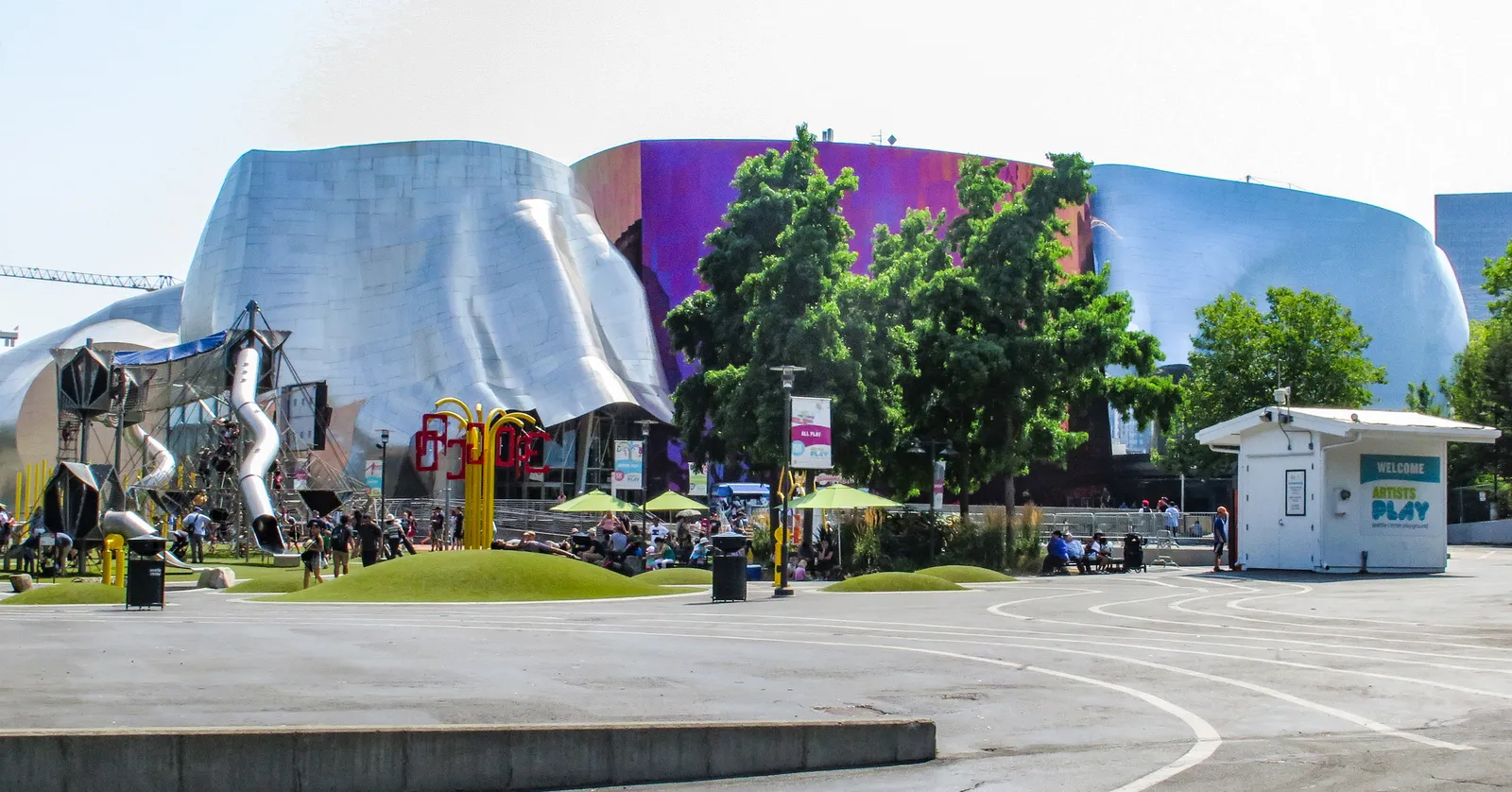
Seattle Center is the 1962 World’s Fair site north of downtown, and four things on it are worth an afternoon: Frank Gehry’s Museum of Pop Culture, the five white arches over the Pacific Science Center’s free courtyard, the butterfly house inside it, and a public radio station that lets anyone walk in on a live recording.
Frank Gehry’s metal building at the Museum of Pop Culture
Gehry wrapped this one in sheets of stainless steel, painted aluminum and gold, in purple, red, silver and blue, and then let the monorail track run straight through the middle of the building, which is the detail most photographs miss. It opened in 2000 as the Experience Music Project and took its current name in 2016. Inside are three floors that reach well past music: science fiction, fantasy, horror and video game galleries sit alongside the Seattle music material, so a visit does not depend on caring about the bands that came out of this city.
Entry is by timed slot and you can pick one up as an advance admission ticket rather than queueing at the desk. One thing to sort out before you arrive: the Space Needle across the plaza screens every bag at the door, and while a small backpack goes through and a carry-on-sized bag goes into a free locker by the entrance, anything larger than cabin size is turned away, because it will not fit the lockers either.
The five arches over the Pacific Science Center courtyard
Minoru Yamasaki, who a decade later designed the World Trade Center towers in New York, built the United States Science Pavilion here for the 1962 fair: five white lattice arches a hundred feet high, standing over a courtyard of shallow reflecting pools. The courtyard is public and free from 7am to 11pm, which makes it the one place on the campus to sit down at length without buying a ticket first.
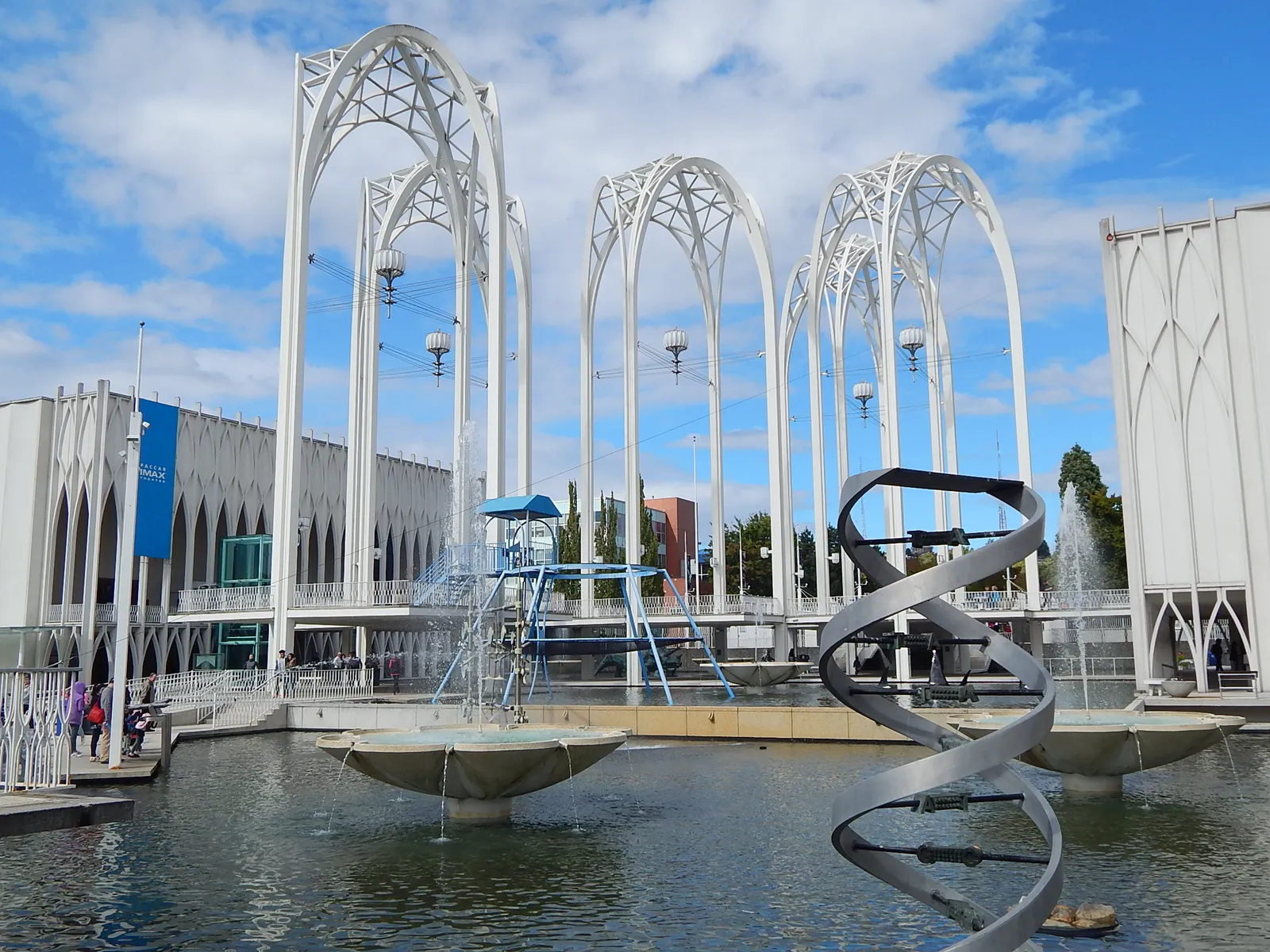
The buildings around it became the Pacific Science Center in October 1962 and still run as one, 10am to 5pm daily. General admission covers the tropical butterfly house, a 4,000-square-foot room kept at 80 degrees with 20 to 30 species flying loose in it, along with the planetarium and the daytime laser shows. A multi-attraction Seattle pass covers this alongside the Space Needle if you plan on more than one building.
Free live sessions in KEXP’s studio on First Avenue North
The public radio station at the corner of First Avenue North and Republican records close to 500 in-studio performances a year, and it opens them to anyone as free, all-ages sessions, usually 20 to 40 minutes long and most often scheduled around the middle of the day. The front of the building is a gathering space with a coffee bar, a record shop and a glass wall onto the live room, and you can sit in it for an hour without buying anything.
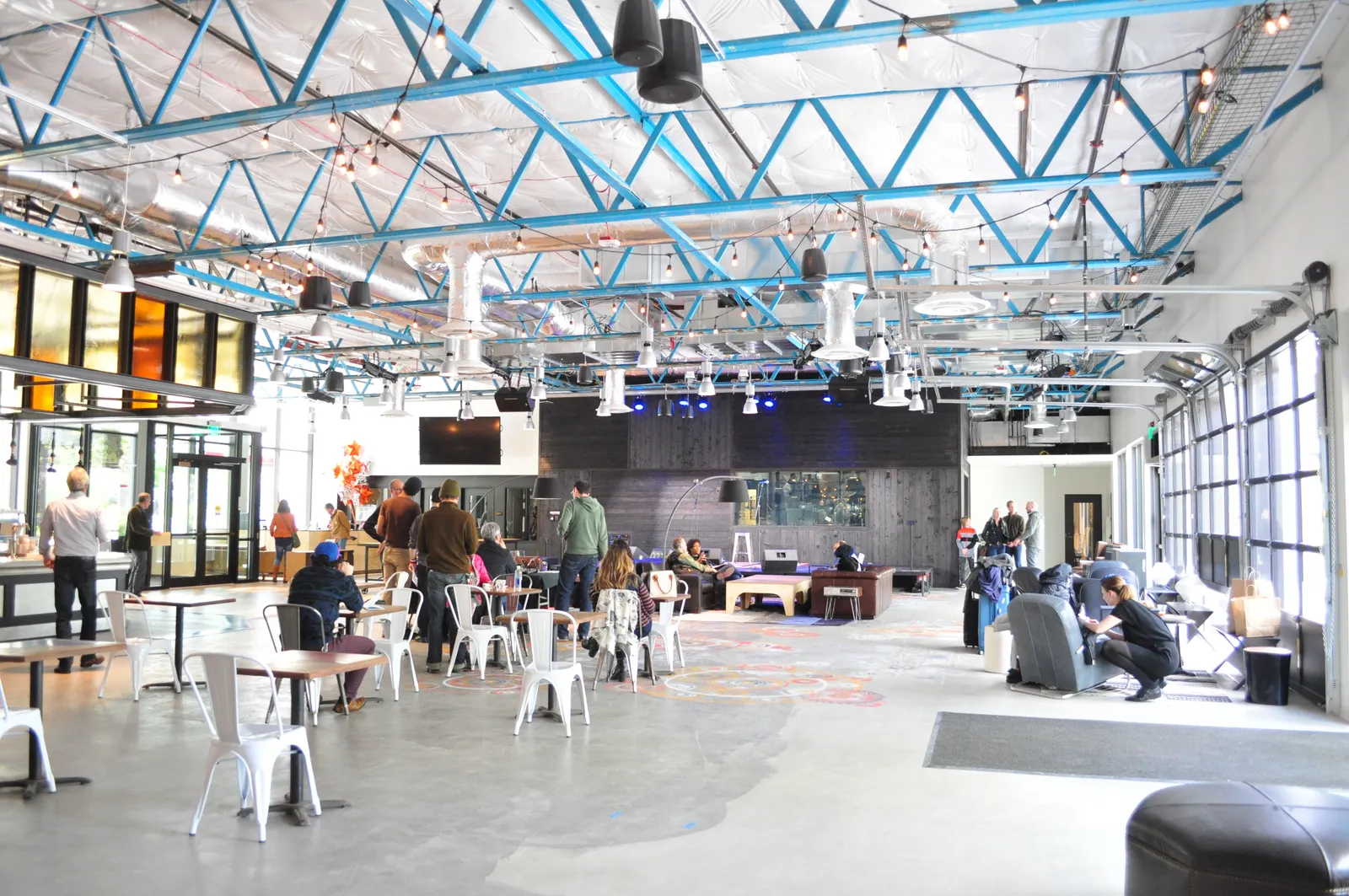
Sessions are scheduled rather than continuous, so look up the day’s list before you commit an hour to it. Free studio tours run most Tuesdays and Saturdays at 2pm and need signing up for in advance.
The monorail out of Seattle Center takes two minutes
The monorail terminal sits at the east edge of the campus and runs to Westlake in the middle of downtown in two minutes flat, every ten minutes or so, for $4 each way, and it takes ORCA cards. From underneath Westlake, the 1 Line reaches SeaTac/Airport Station in 38 minutes at a flat $3 adult fare, running every 8 to 10 minutes through the day and serving the airport station from 5am to 1am Monday to Saturday, 6am to midnight on Sunday. At the far end the platform is about 1,200 feet of covered walkway away from the terminal, so plan on an hour rather than forty minutes.
If your free hours stretch past five, this campus is one half of the wider downtown Seattle route, which adds Pike Place Market and the waterfront on the other side of that same two-minute ride. Either way it is a better campus without a suitcase attached to you at the door of every building on it.
Frequently asked questions
What should I do during a layover at Seattle Center in Seattle?
The campus is compact enough to do on foot in an afternoon. Frank Gehry's Museum of Pop Culture and the Pacific Science Center are the two ticketed buildings worth the time, and the science center's courtyard under Yamasaki's five arches is free to sit in whether you go inside or not. KEXP's studio on the north edge of the campus opens its recording sessions to anyone at no charge. Three hours covers one paid building plus the free half; book the museum slot ahead if you only have two.
How much of Seattle Center costs nothing?
More than most people assume. The grounds, the International Fountain, the Pacific Science Center courtyard from 7am to 11pm, and KEXP's gathering space and live sessions are all free. What is ticketed is the Space Needle, the Museum of Pop Culture, Chihuly Garden and Glass and the science center's own exhibit halls, which run 10am to 5pm daily.
Can anyone watch a KEXP live session?
Yes, and they cost nothing. The station records close to 500 in-studio performances a year at its Seattle Center building and opens them to the public as all-ages sessions, typically 20 to 40 minutes long and most often scheduled around midday. Free studio tours run most Tuesdays and Saturdays at 2pm with advance sign-up. Check what is on the day you land rather than turning up hopeful.
How do I get from Seattle Center to the airport?
The monorail drops you at Westlake in two minutes for $4, and the 1 Line runs from underneath there out to SeaTac/Airport Station in 38 minutes at a flat $3 adult fare. Trains serve the airport station from 5am to 1am Monday to Saturday and 6am to midnight on Sunday. Budget an hour in total, because the airport platform sits about 1,200 feet of covered walkway from the terminal.