Sabiha Gökçen Layover: Büyükada From SAW
Part of the full Istanbul Layover: Sultanahmet From IST
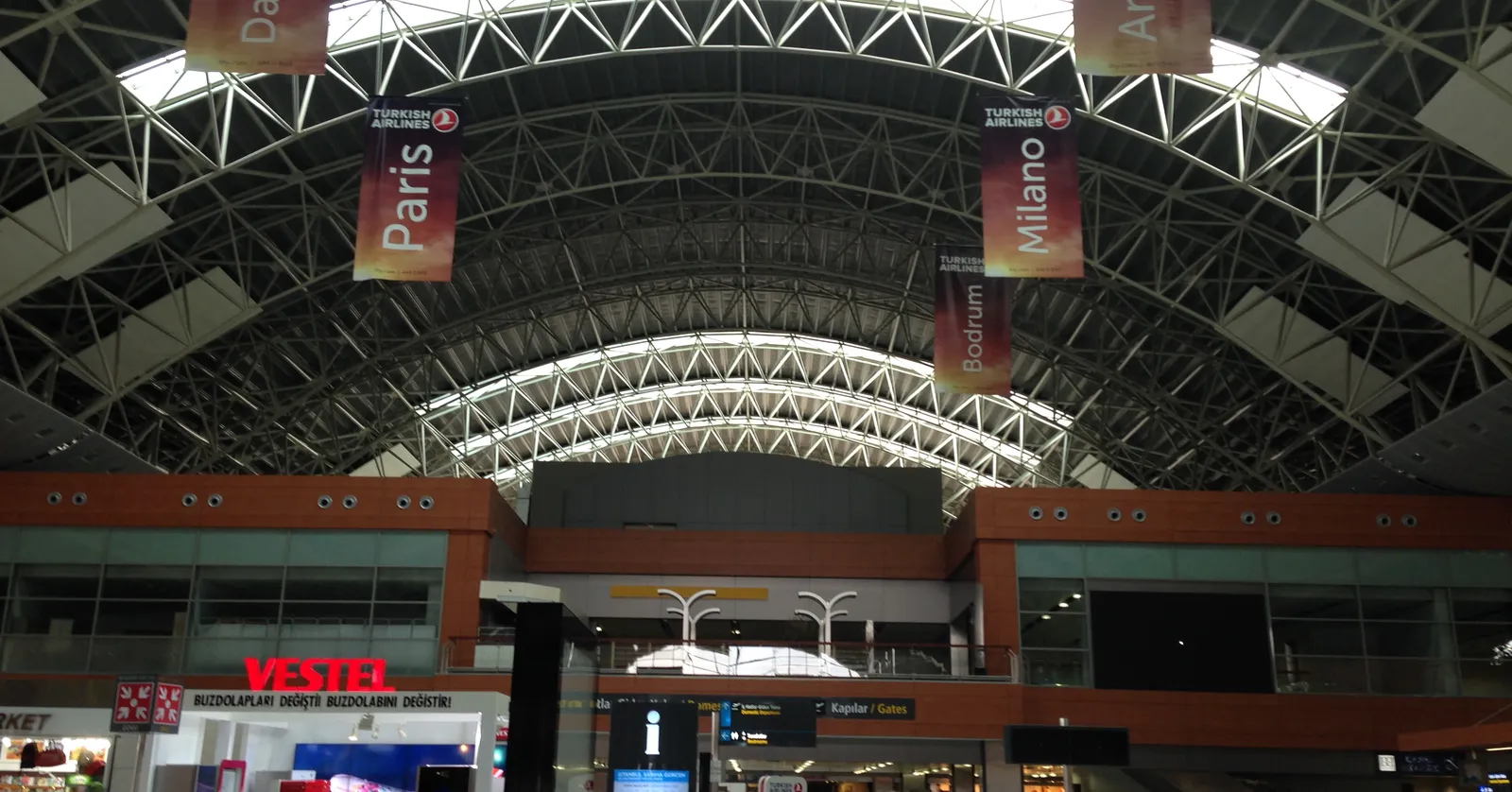
Istanbul’s Sabiha Gökçen airport sits on the Asian side of the city, which puts the car-free island of Büyükada and its wooden mansions closer than Sultanahmet is: a ferry from Bostancı, on the airport’s own metro line, crosses in under half an hour.
Büyükada, where no private car has ever run
The largest of the Princes’ Islands covers 5.4 square kilometres of pine ridge and shoreline in the Sea of Marmara, and private cars have never been allowed on it. Until 2020 that meant horse-drawn phaetons; animal welfare campaigns ended those and electric vehicles took over the routes. Two hills rise off the middle of it, the higher one 202 metres, with the Greek Orthodox monastery of Hagios Georgios on top.
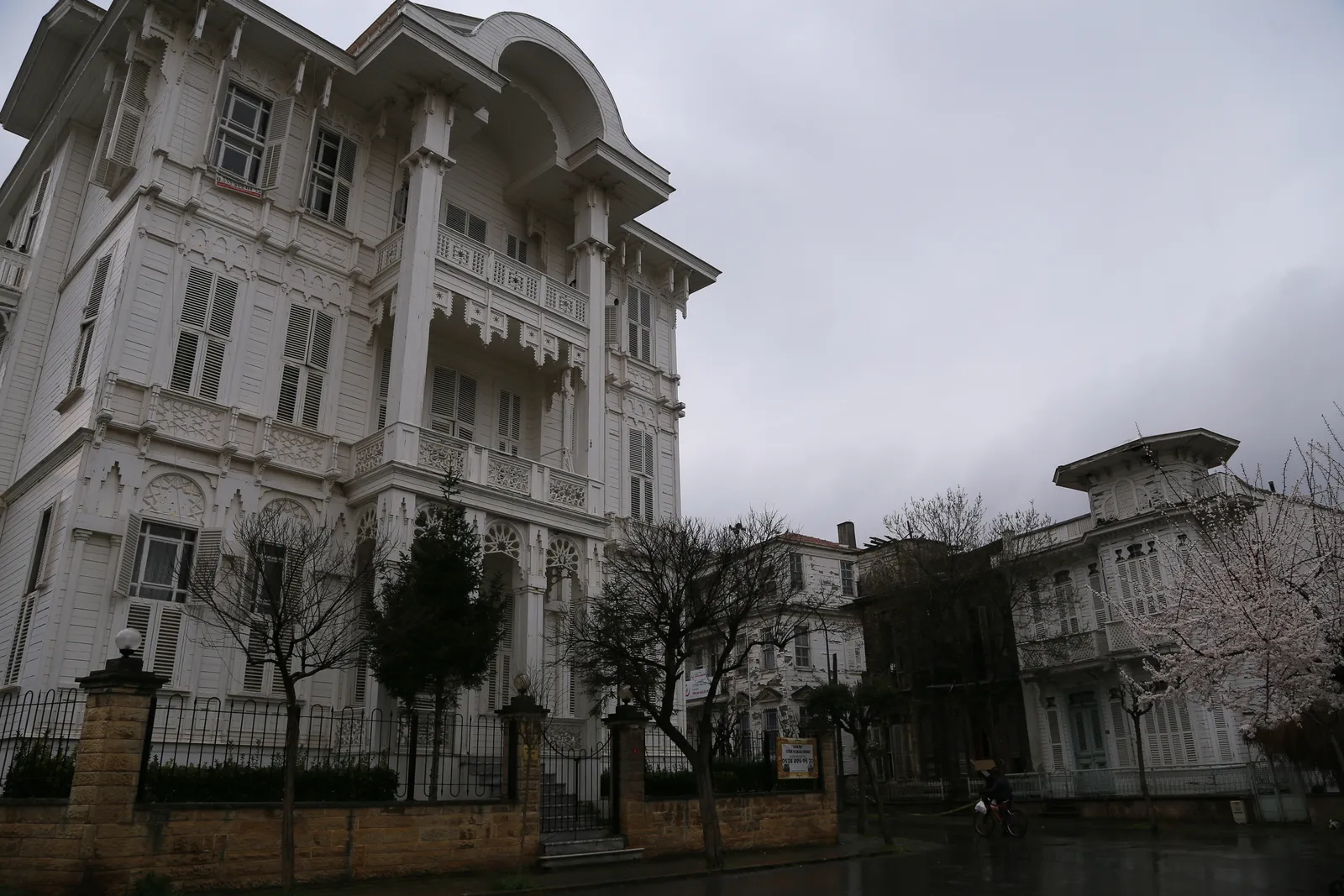
What people actually come for are the streets below it: rows of timber summer mansions built by Istanbul’s 19th-century Greek, Armenian and Jewish families, most of them still standing and lived in. The Prinkipo Greek Orthodox Orphanage on the northern ridge is a six-storey wooden hulk that has been empty since 1964, and is described in more than one place as the largest wooden building in Europe, a claim nobody seems to have formally settled.
The crossing leaves from Bostancı, which is a station on the same metro line that runs under the airport, and takes 25 to 30 minutes; from the European-side piers the same trip is an hour and a quarter. A guided island day trip bundles the boat, a second island and an electric-cart circuit if you would rather not work the public timetable out on the day.
A rail tunnel under the Bosphorus reaches the old city
The Marmaray line runs under the strait between the Asian and European shores, and it is the only reason the historic peninsula is reachable from this side at all. From the airport it is about 40 minutes on the metro to Ayrılık Çeşmesi, then the tunnel, then the tram from Sirkeci up the hill.
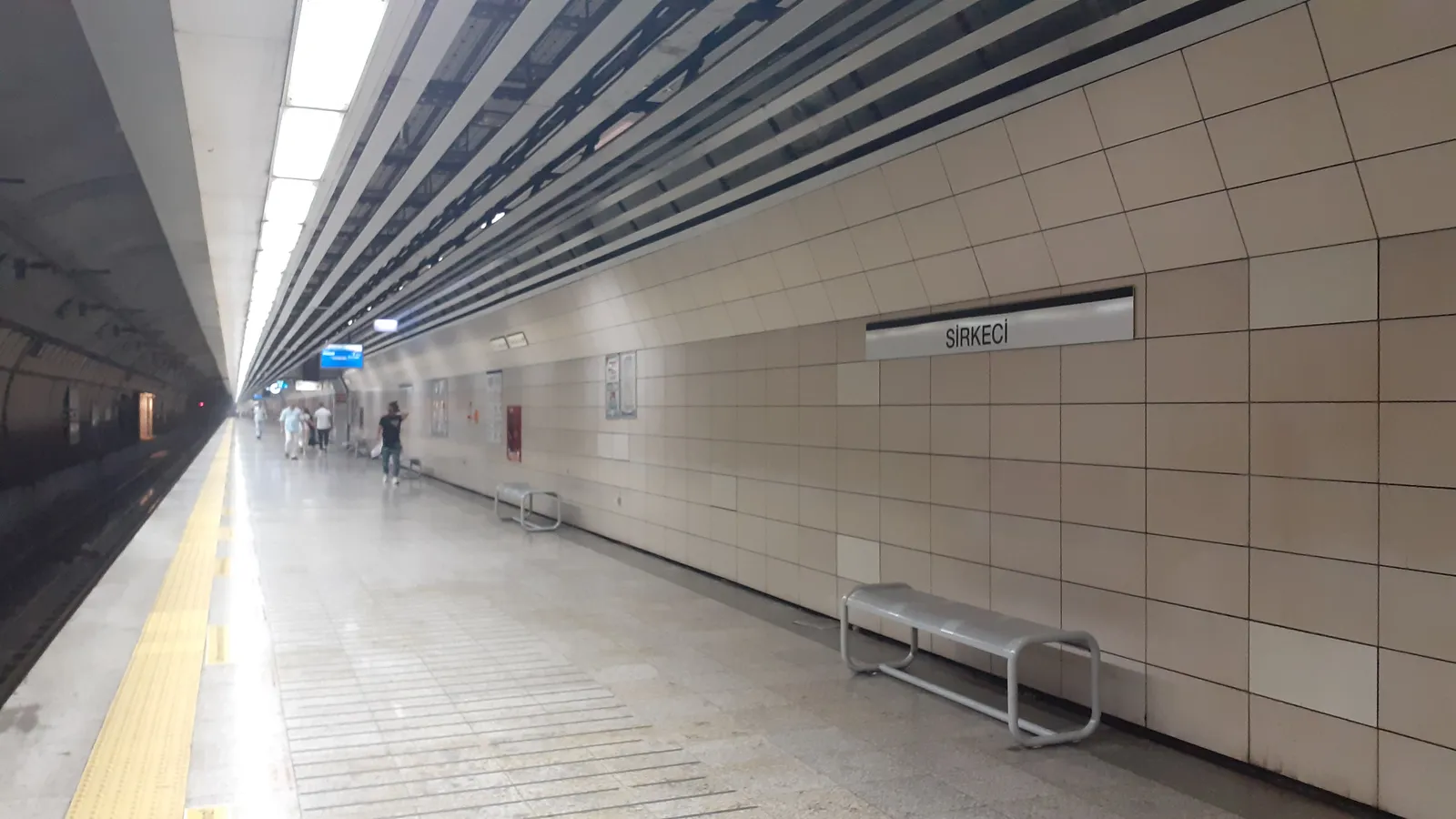
Ninety minutes to two hours each way is the honest figure, and the tunnel section is the part that runs to timetable rather than to traffic. If that is the trip you want, the Sultanahmet route lays out what is at the far end of it. Under about eight hours between flights, the islands are the better use of the time.
One terminal, and the metro station is under it
Sabiha Gökçen puts domestic and international flights through a single building, which handled just over 48 million passengers in 2025, and the M4 metro platform sits directly beneath it, so there is no shuttle leg to add on. The left-luggage counters are on the departures level near the check-in desks, on the public side of the building, and the ride to the far end of the line at Kadıköy is 52 minutes. Most of what flies from here is low-cost and domestic, so a self-connecting passenger collects checked bags between flights instead of leaving them with an airline, and then has them for the whole gap.
Trains run every five minutes at peak, all night from Friday to Sunday and roughly 06:00 to midnight the rest of the week, and the fare is under a euro on an Istanbulkart, the city’s stored-value transit card. The card, not the timetable, is the thing to sort out first: buy it at the station under the terminal before you go anywhere.
Frequently asked questions
How long does it take to get from Sabiha Gökçen to the old city?
Around 90 minutes to two hours. The M4 metro runs from under the terminal to Ayrılık Çeşmesi in roughly 40 minutes, the Marmaray line carries on under the Bosphorus to Sirkeci, and the T1 tram covers the last stretch up to Sultanahmet. That is a four-hour round trip before you have looked at anything, which is why the islands and the Asian shore usually make more sense from this airport.
Does the metro from Sabiha Gökçen run all night?
The M4 line runs 24 hours from Friday through Sunday and roughly 06:00 to midnight on the other weekdays, with trains about every five minutes at peak. On a Tuesday-night arrival after midnight the metro is not an option and the shuttle buses or a taxi are.
Which Istanbul airport is better for a layover trip into the city?
The European one, by a clear margin: it sits on a direct metro line into the centre and the historic peninsula itinerary is about 90 minutes away door to door. Sabiha Gökçen is 32 km southeast of the centre on the Asian side, so the same trip involves two changes and a tunnel under the Bosphorus. What Sabiha Gökçen is better placed for is the Sea of Marmara: the island ferries leave from a pier on its own metro line.
Is Büyükada worth it on a layover?
Only with six hours or more between flights, and only in daylight. The crossing from Bostancı is 25 to 30 minutes, the shortest of any Istanbul pier, and the island is 5.4 square kilometres with no private cars on it. Check the return sailing time before you leave the pier: the ferry timetable, not the metro, is what fixes your latest possible departure.