Málaga Layover Guide: The Alcazaba From AGP
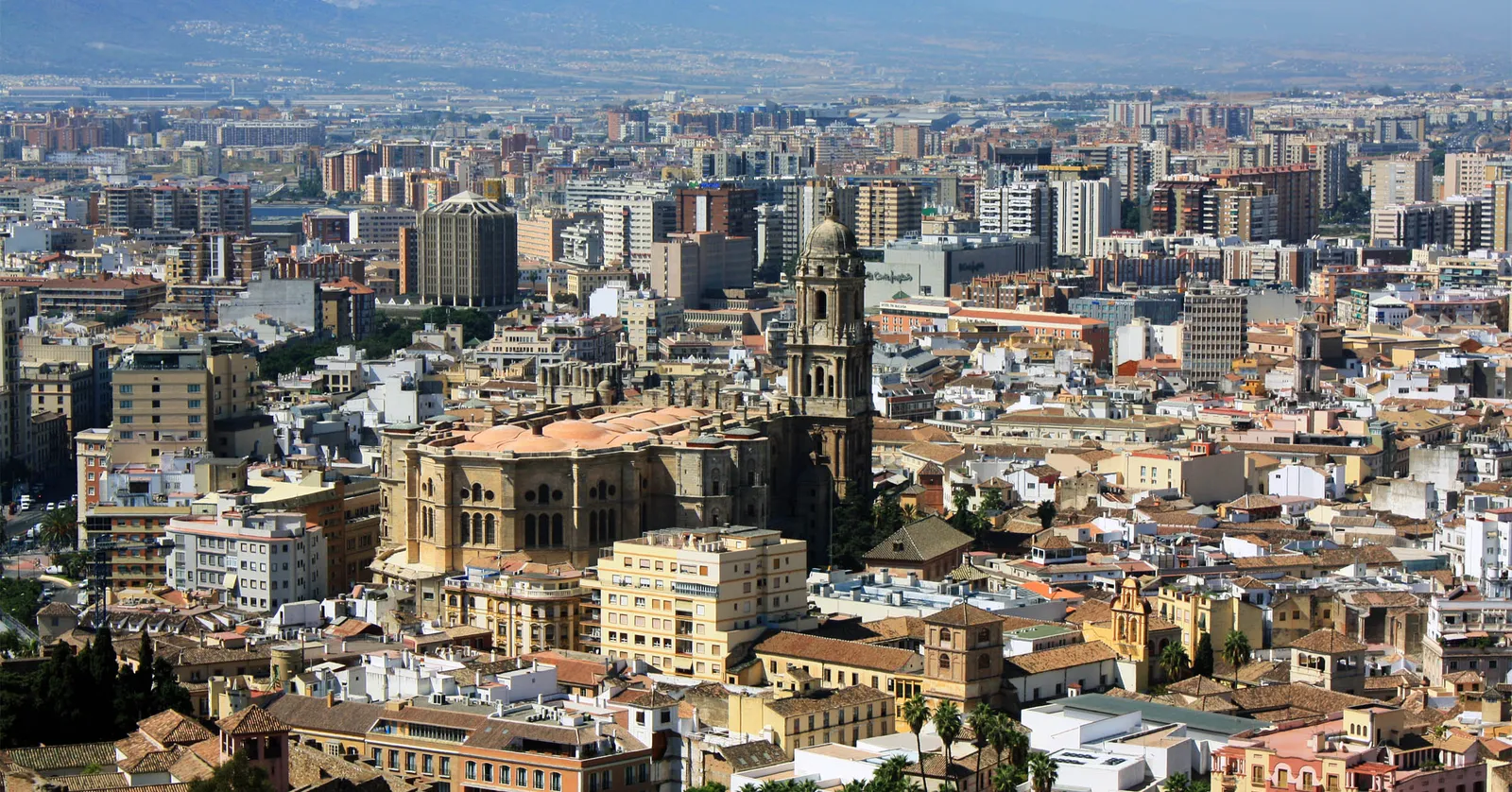
Málaga’s old town holds an 11th-century Moorish fortress, a Roman theatre, the Picasso Museum and an unfinished cathedral within about fifteen minutes’ walk of each other, with the Alcazaba and the Picasso Museum both free every Sunday.
The Alcazaba fortress and the Roman Theatre at its foot
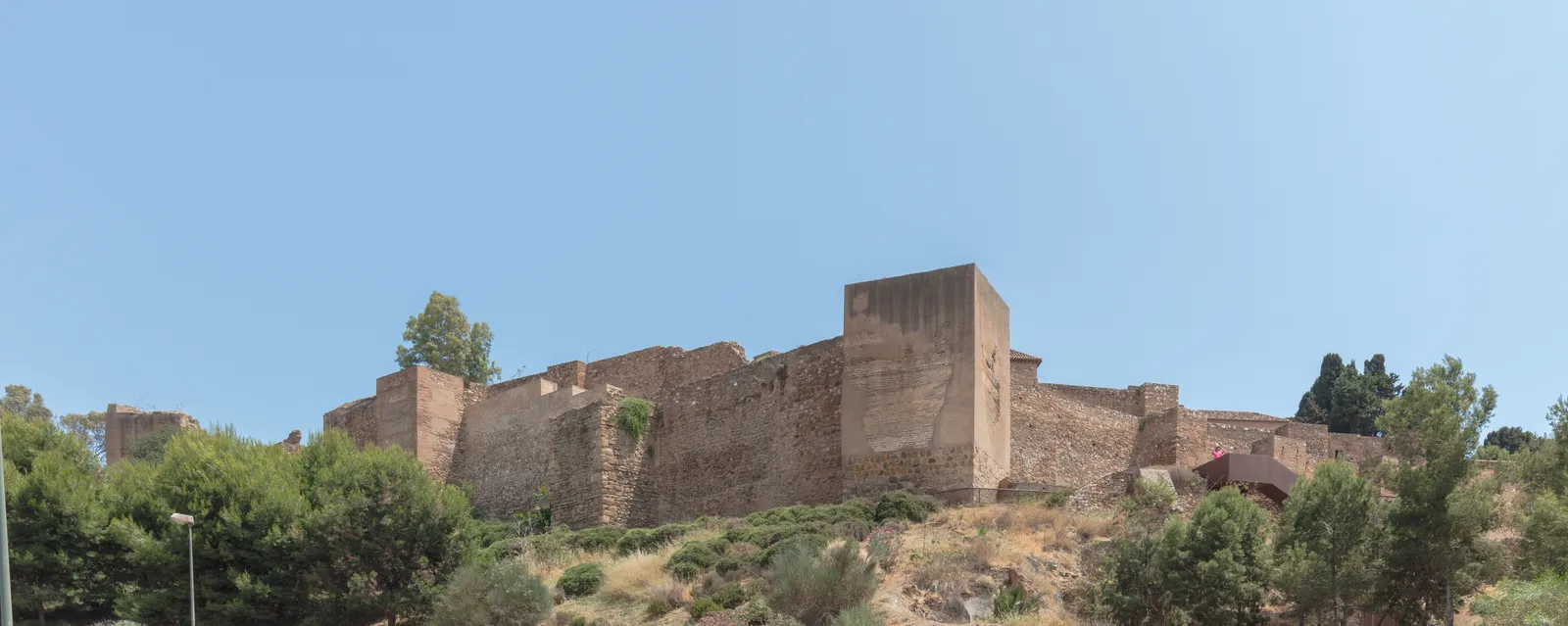
The Alcazaba climbs the hill east of the cathedral in tiered stone ramparts, built through the 11th century as the residence and citadel of Málaga’s Muslim governors and expanded in the centuries after. Horseshoe arches and courtyards lead up through the fortifications toward Gibralfaro castle above, with the harbor visible over the rooftops partway up. General admission is €7, or €10 on a ticket combined with Gibralfaro; both are free every Sunday from 2pm. A guided tour covers the fortress and the Roman theatre at its base together, worth booking for anyone who’d rather have the history explained than read the on-site panels.
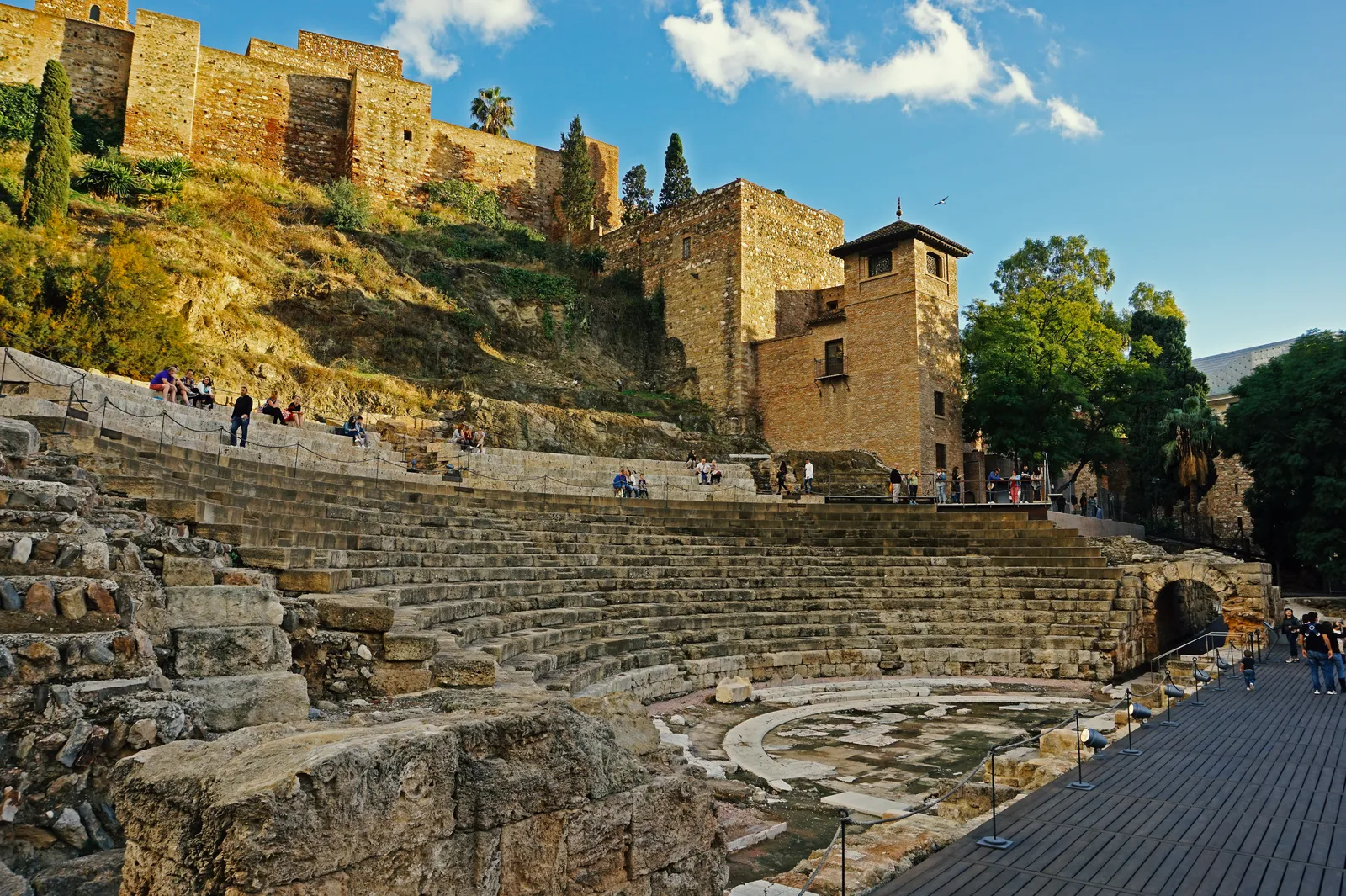
The Teatro Romano sits directly below the Alcazaba’s western wall, built under the emperor Augustus in the 1st century BC and buried under later construction until a building crew rediscovered it in 1951. It’s free to walk through, with tiered stone seating and a small interpretation centre explaining the find.
The Alcazaba’s ramps switchback steeply up the hillside, cobbled and uneven enough that a wheeled suitcase turns the climb into a real chore.
The Picasso Museum inside the Palacio de Buenavista
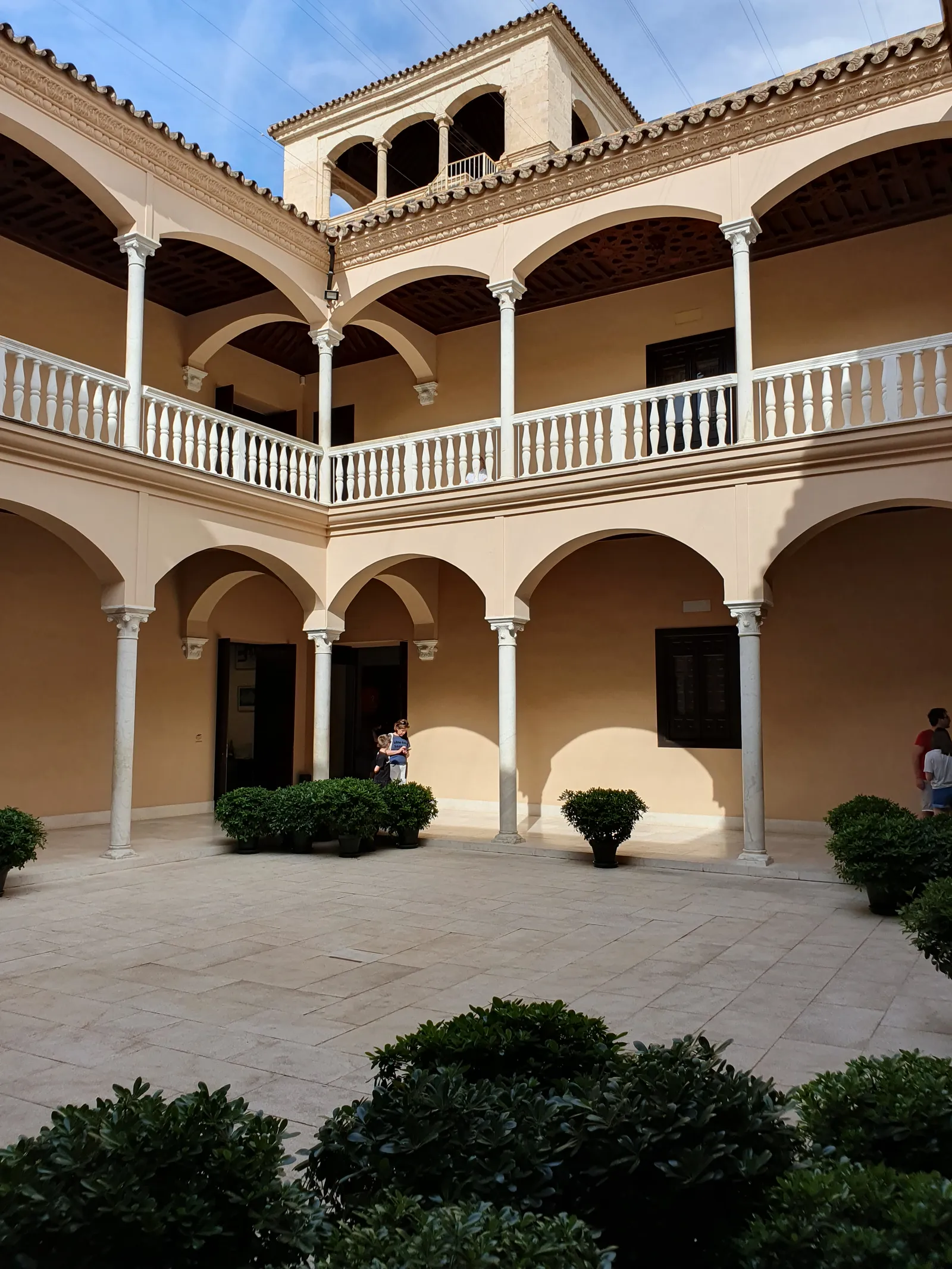
The Museo Picasso Málaga occupies the Palacio de Buenavista on Calle San Agustín, a courtyard palace the Counts of Buenavista built in the 16th century. More than 200 works trace Picasso’s Andalusian roots, from early academic studies to later ceramics, arranged through galleries built around the palace’s arcaded inner courtyard. Permanent-collection admission is €7, with the last two hours before closing free on Sundays; a skip-the-line ticket is worth booking ahead in high season, when the queue on San Agustín can run long. The museum opens daily, 10am to 7pm in summer and 6pm from November to February.
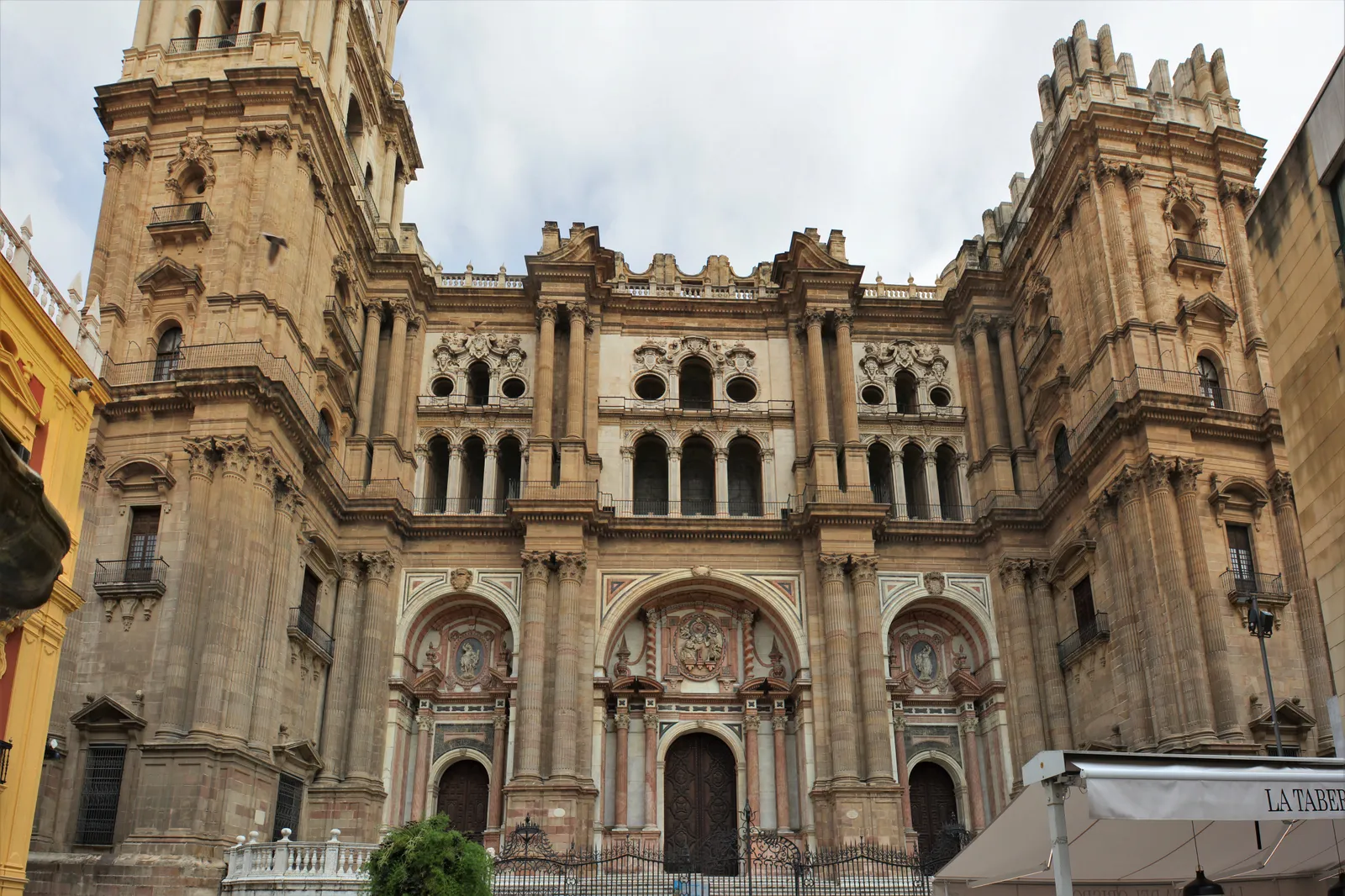
Málaga Cathedral, known locally as La Manquita
Málaga Cathedral stands on Calle Molina Lario, its south tower left unfinished after 18th-century construction funds were redirected to the Spanish crown’s support for the American War of Independence. The stump that resulted gave the building its local nickname, La Manquita, the one-armed lady. Admission is €10 and includes a multilingual audio guide; entry is free without one in a short window before the paying doors open, Monday to Saturday from 8:30 to 9am. Sunday visits start later in the day, with the cathedral’s paid hours not beginning until 2pm. A rooftop climb of around 200 spiral steps is normally bookable as its own ticket, though it’s closed for restoration work as of this writing, with no announced reopening date.
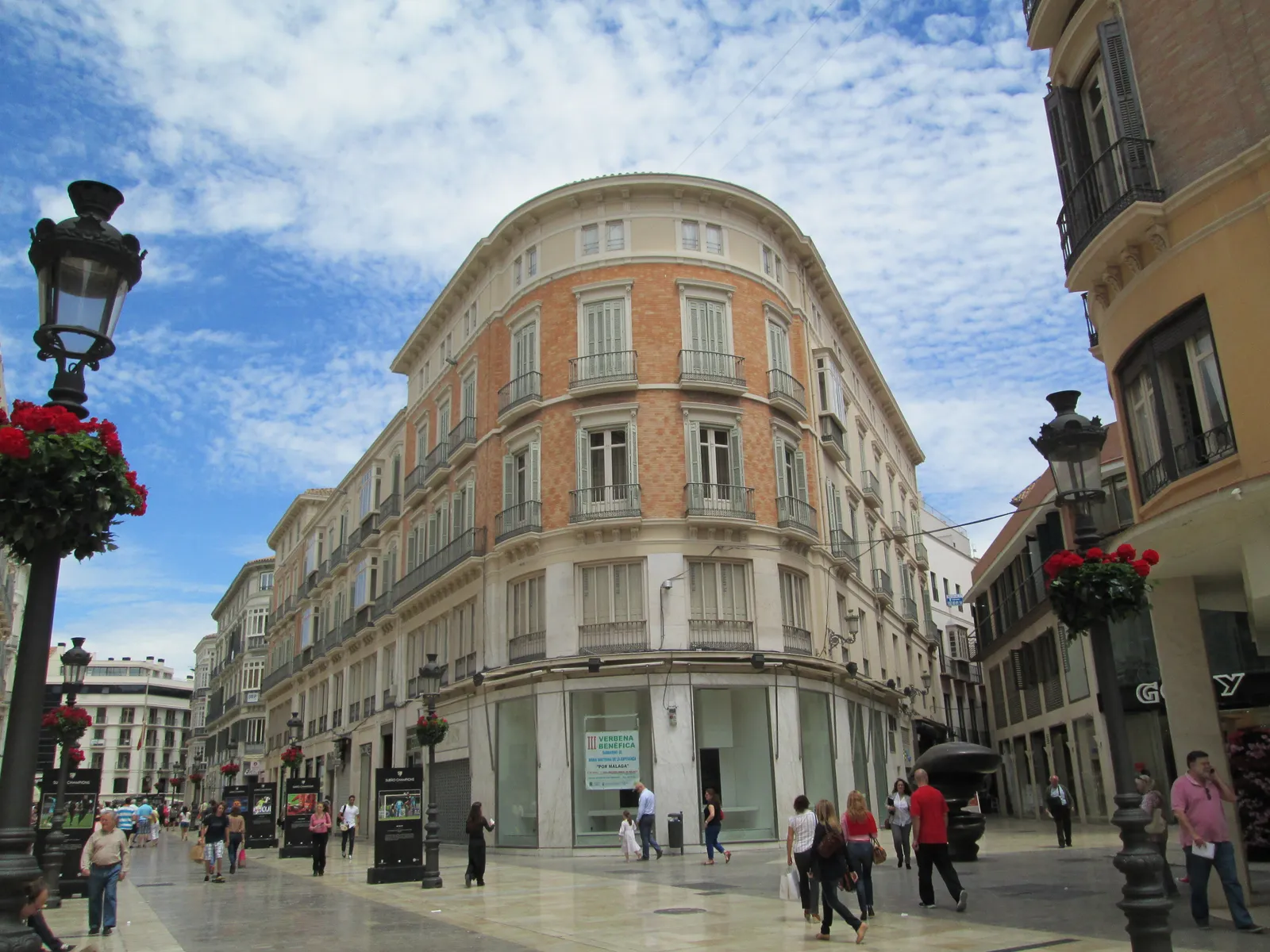
Calle Larios and the stained glass over Atarazanas Market
Calle Larios runs 350 metres between the Alameda Principal and Plaza de la Constitución, a run of neoclassical and art deco facades that Málaga inaugurated as a street in 1891 and pedestrianised in 2003. Flower baskets hang from its lamp posts year-round, and it’s the closest thing the old town has to a single defining shopping street.
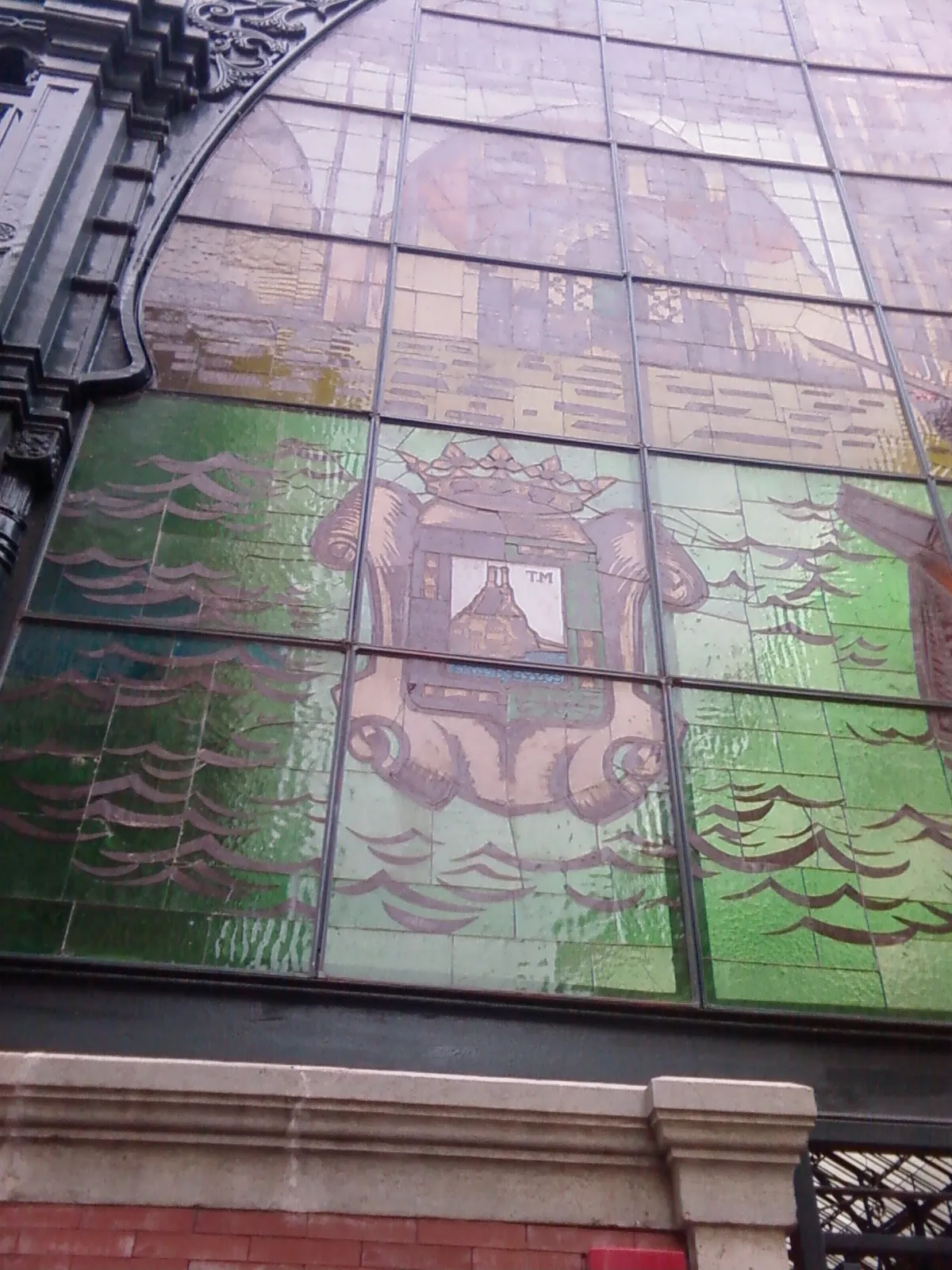
A short walk off Larios, Atarazanas Market keeps trading behind the horseshoe-arch gate salvaged from a 14th-century Moorish shipyard, built into the iron-and-brick market hall Joaquín de Rucoba raised in 1879. A large stained-glass window installed in 1973 hangs over the fish stalls, depicting the cathedral, the Alcazaba and the coastline in colored glass; it’s worth a look up even for anyone not there to shop. The market runs mornings only, Monday to Saturday, and stalls start closing well before the posted 2pm end.
Between the Alcazaba’s ramps and Larios’ crowded pedestrian stretch, a stored bag is one less thing to haul across the old town before heading back to the airport.
The airport train leaves Centro-Alameda every 20 minutes
Cercanías line C1 runs from Málaga Centro-Alameda, the station closest to the old town, to Málaga-Costa del Sol Airport (AGP) in about 12 minutes, every 20 minutes from just after 5am to nearly midnight, for a €1.80 single. Centro-Alameda sits roughly fifteen minutes’ walk from the cathedral and Alcazaba along the Alameda Principal. At the airport end, the station is a five-to-seven-minute walk from the terminal along a covered walkway, so budget closer to half an hour door to door once the wait for the next train and the walk are added to the ride itself.
Málaga’s other rail line runs the opposite direction: AVE high-speed trains reach Seville in a little under two hours, a comparable single-afternoon old town for anyone continuing overland instead of flying out of AGP.
Frequently asked questions
What should I do during a layover in Málaga?
Start at the Alcazaba, the Moorish fortress on the hill east of the cathedral, and the Roman Theatre at its foot, then walk to the Picasso Museum in the Palacio de Buenavista on Calle San Agustín. Málaga Cathedral, with its unfinished La Manquita tower, sits a few minutes further on. With more time, Calle Larios' pedestrian shopping street and the stained-glass window over Atarazanas Market are both an easy walk from the cathedral. The Alcazaba, the Picasso Museum and the cathedral all charge admission and are worth booking ahead in high season; the Roman Theatre, Calle Larios and Atarazanas Market are free to walk into.
Is central Málaga a good layover on a tight budget?
Yes, with some planning. The Roman Theatre, Calle Larios and Atarazanas Market cost nothing to walk into, and the Alcazaba and Picasso Museum are both free every Sunday, the Alcazaba from 2pm and the museum in the last two hours before closing. The cathedral has a short free entry window too, Monday to Saturday from 8:30 to 9am, though without the audio guide. Outside those windows, all three charge between €7 and €10.
Is this itinerary manageable if it's raining?
Partly. The Picasso Museum and Atarazanas Market are both indoors, so a wet morning barely changes those two stops. The Alcazaba, the Roman Theatre, Calle Larios and the cathedral's exterior are all outdoors, and the Alcazaba's stone ramps get slippery in rain, so budget extra time or save the fortress for a drier stretch of the day.
What's shut on which days in central Málaga?
Atarazanas Market closes on Sundays, and its fish stalls stay shut on Mondays too. The Alcazaba, Roman Theatre, Picasso Museum and cathedral all open daily, though the cathedral's hours shorten on Sundays and public holidays, opening from 2pm instead of the morning.
Which train should I take from central Málaga to the airport?
Cercanías line C1 runs from Málaga Centro-Alameda, the closest station to the old town, to Málaga-Costa del Sol Airport (AGP) in about 12 minutes, every 20 minutes through the day, for a €1.80 single. The station is a five-to-seven-minute walk from the terminal along a covered walkway, so budget closer to half an hour door to door once the wait and the walk are added to the ride.