Shin-Osaka Station Layover: An 1830s Street
Part of the full Osaka Layover Guide: Dotonbori From KIX
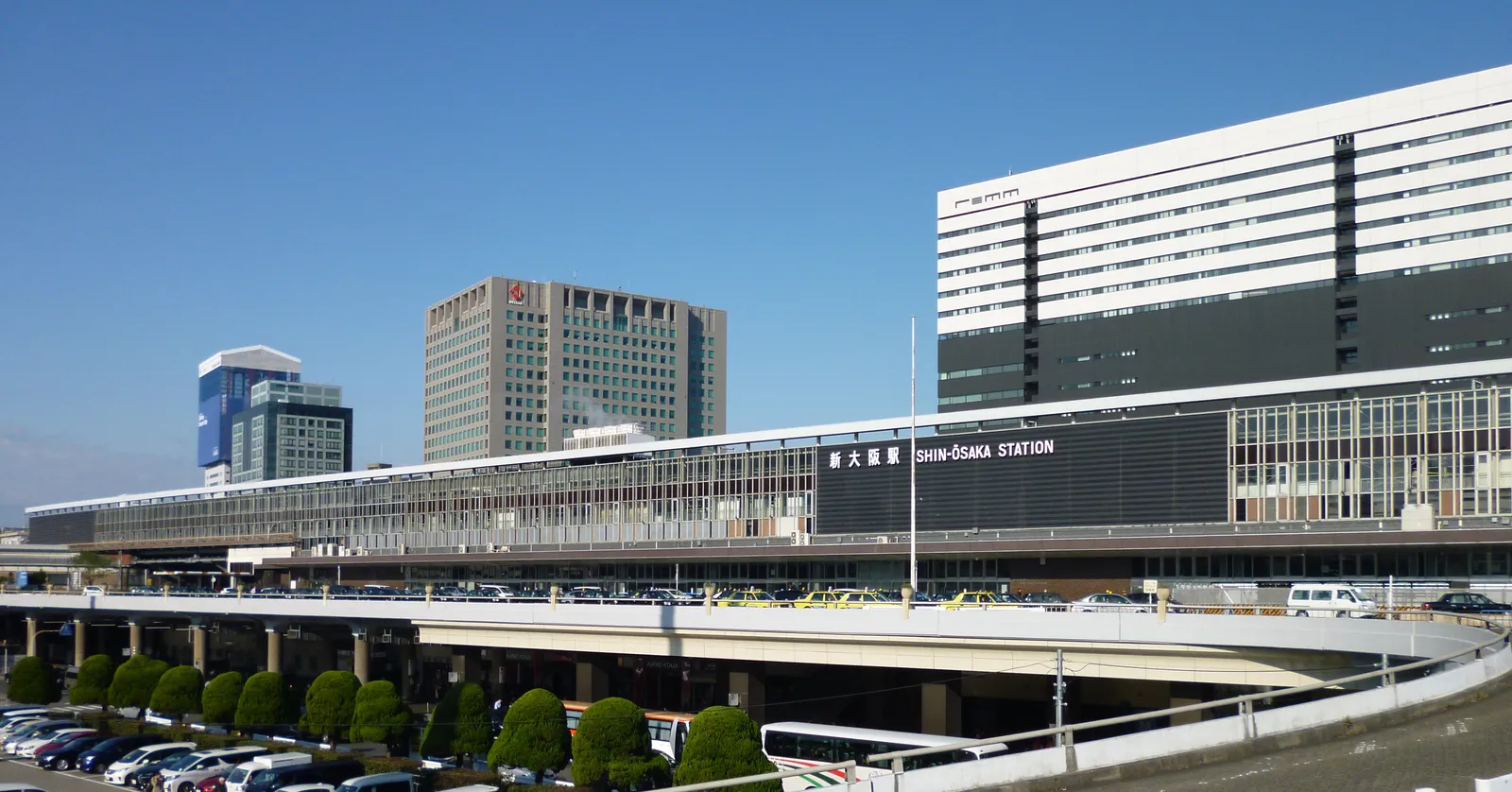
Osaka’s Shin-Osaka station is about fifteen minutes of subway from Tenjimbashisuji 6-chome, where a museum has rebuilt a full block of 1830s Osaka indoors at the head of a covered arcade 2.6 kilometres long.
An 1830s Osaka street stands full size on the ninth floor
The Osaka Museum of Housing and Living put a whole block of the city as it stood between 1830 and 1844 inside the Housing Information Center: merchant houses, a covered alley, a medicine shop, a bathhouse, a timber fire lookout tower, all at 1:1 and open to walk through in socks. The ceiling above it runs a compressed day, morning light to lantern-lit evening, with the sound changing to match, so the same street reads differently depending on when you happen to be standing in it.
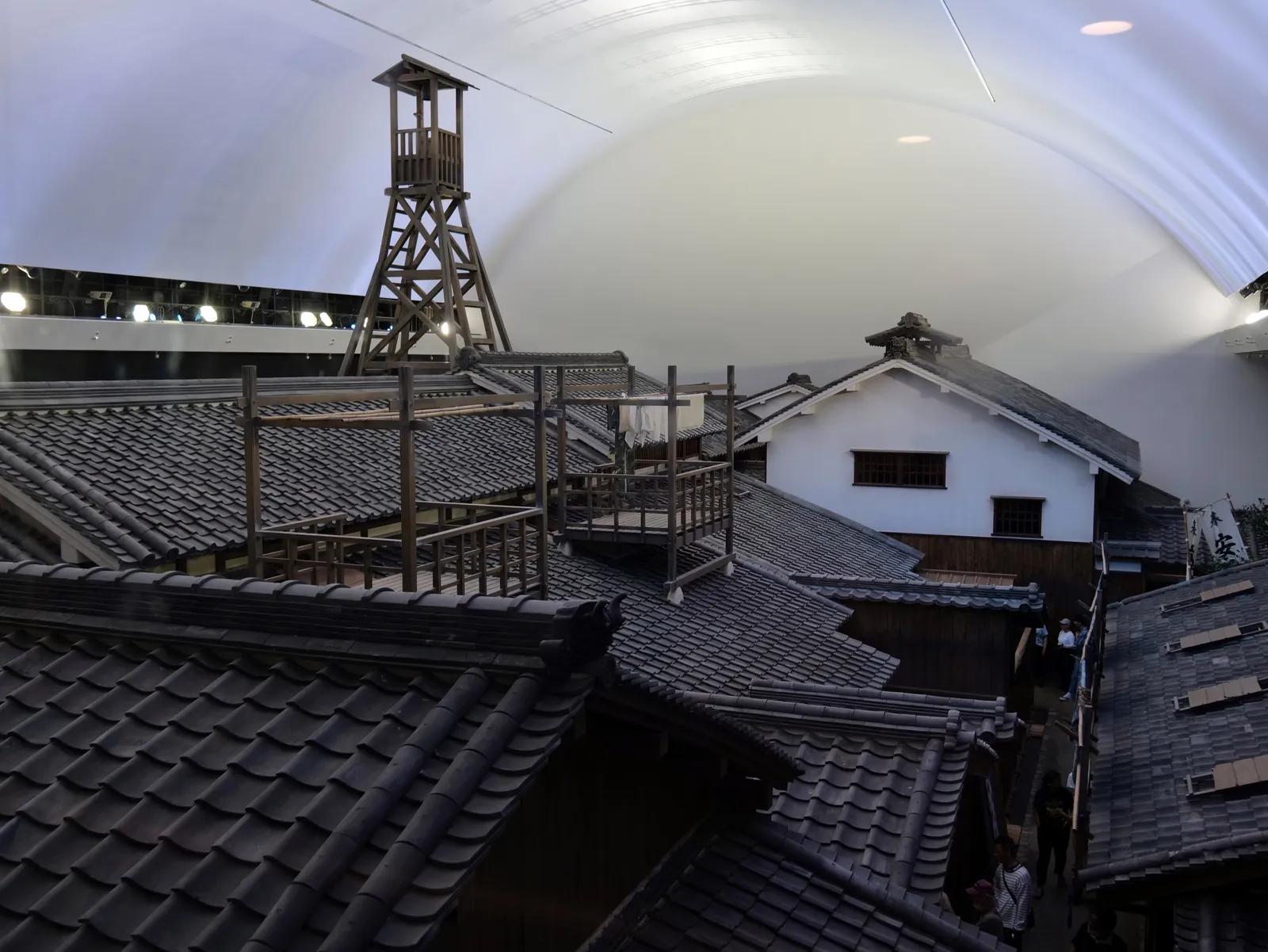
Admission is ¥600, ¥300 on a student card, and the doors run 10am to 5pm with last entry at 4:30pm; it closes on Tuesdays. An admission ticket booked through a tours and activities platform confirms instantly, which is the useful part when the alternative is finding the right floor of an office building with a train to catch.
Tenjinbashisuji runs 2.6 kilometres under one continuous roof
Japan’s longest covered shopping street starts at Tenjimbashisuji 6-chome and runs south, broken into seven numbered stretches by the cross streets it passes. Around 600 shops sit along it, and the mix is the point: kimono next to a croquette counter next to a second-hand bookshop next to an izakaya that has been there for decades. It is a working local street rather than a tourist one, which shows in the prices and in how early some of it shuts.
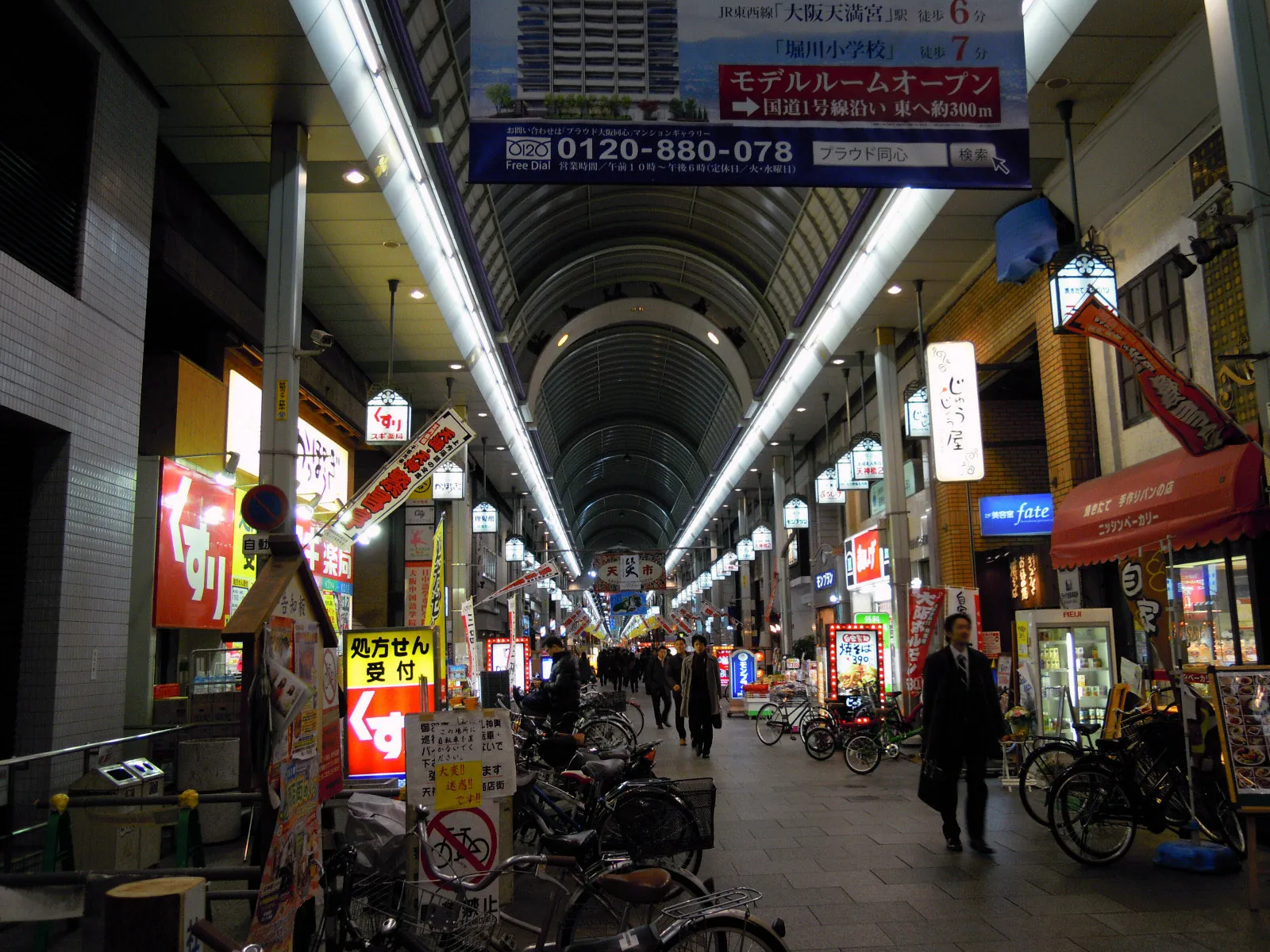
Walking the full length takes about 40 minutes without stopping, which nobody does. The realistic version is to drop into it at the sixth section, go as far south as the clock allows, and turn round.
Everything at Shin-Osaka is on a different floor
The station opened on 1 October 1964, the day bullet trains started running, and it was built as a stack rather than a concourse. Ten conventional tracks sit at ground level across five island platforms, the subway is on the third floor, and eight bullet-train tracks run on the fourth, so every change here is a lift or an escalator rather than a walk across a floor.
The concourse queue for 551 Horai’s steamed pork buns moves in single file too, with no room alongside for a suitcase.
The Haruka reaches Kansai airport in about 50 minutes
It leaves from the conventional platforms at ground level rather than the bullet-train level above them, which is the part people get wrong after stepping off a shinkansen. Kansai International Airport (KIX) is roughly twice an hour from here, ¥2,540 in a non-reserved seat or ¥3,070 reserved, and the walk down through four floors of station is on top of that.
If the gap is long enough to justify going further south than the arcade, the Osaka layover guide covers the canal district and the castle, both of which need more than the two hours this station’s own neighbourhood asks for.
Frequently asked questions
What should I do during a layover near Shin-Osaka Station in Osaka?
Go one place and stay there: Tenjimbashisuji 6-chome, about fifteen minutes away on the subway with one change. The Osaka Museum of Housing and Living is built into the station block and holds a full-size 1830s Osaka street indoors for ¥600, which takes an hour. The arcade that starts below it runs 2.6 kilometres south and costs nothing, so it absorbs whatever time is left over. If the gap is under two hours, stay at Shin-Osaka: the station's own food floors and the pork-bun counter on the concourse are the realistic version of this trip.
Is the Osaka Museum of Housing and Living open on a Tuesday?
No. It closes every Tuesday and over the New Year holidays, and the rest of the week it runs 10am to 5pm with last admission at 4:30pm. Admission is ¥600 for an adult, ¥300 with a student card, free below elementary school age. The exhibition sits on the eighth, ninth and tenth floors of the Housing Information Center, which is connected directly to Tenjimbashisuji 6-chome station, so there is no outdoor walk at the far end. On a Tuesday the arcade downstairs is still trading and is the reason to come up here anyway.
Is there anywhere worth eating inside Shin-Osaka station?
Yes, and one counter in particular is what the queue on the concourse is for. 551 Horai has sold handmade butaman, steamed pork buns, since 1946, and its Shin-Osaka shop is the one with the permanent line; the buns are made in front of you through the day. Beyond that the station building holds several floors of restaurants and an ekiben counter aimed at people boarding the bullet train, which is a different proposition from the arcade food fifteen minutes north: quicker, packaged, and designed to be eaten in a seat.
What is the difference between Shin-Osaka and Osaka Station?
Shin-Osaka is the bullet-train station and Osaka Station is the city. They were built for different jobs: Shin-Osaka opened on 1 October 1964, the day the first bullet trains ran, on empty ground north of the river, and the district around it is still offices and hotels rather than sights. Osaka Station sits in Umeda in the middle of everything, three subway stops or one JR stop south, about four minutes either way. If your ticket says Shin-Osaka and your plans say shopping or a view, you want the Umeda end of the city instead. The airport limited express calls at both.