Nakanoshima Layover: Osaka's River Island
Part of the full Osaka Layover Guide: Dotonbori From KIX
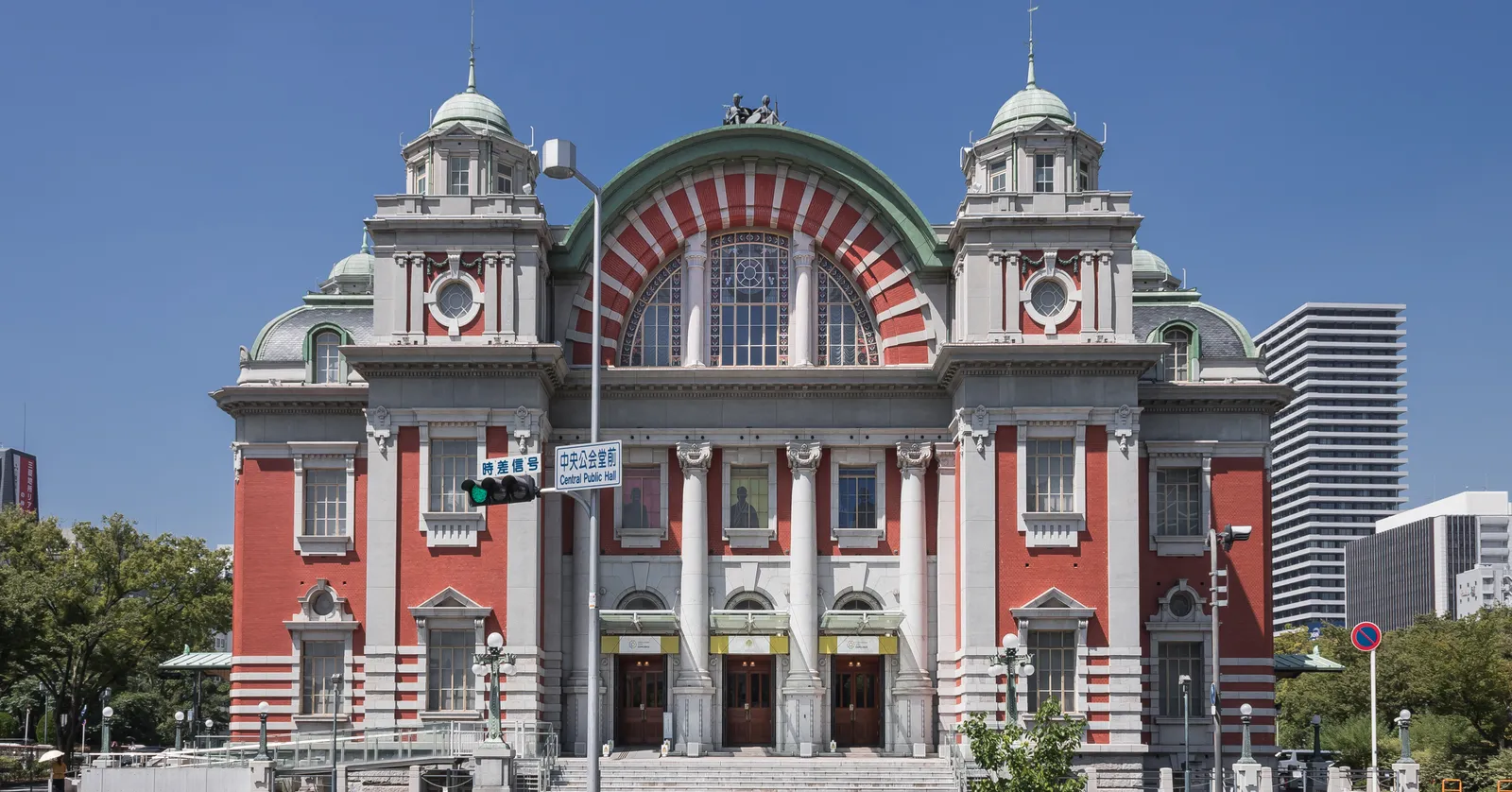
Osaka’s Nakanoshima is a three-kilometre island between two rivers holding a ceramics museum with two National Treasures in it, a red-brick public hall from 1918, and a rose garden of 3,700 plants along the water.
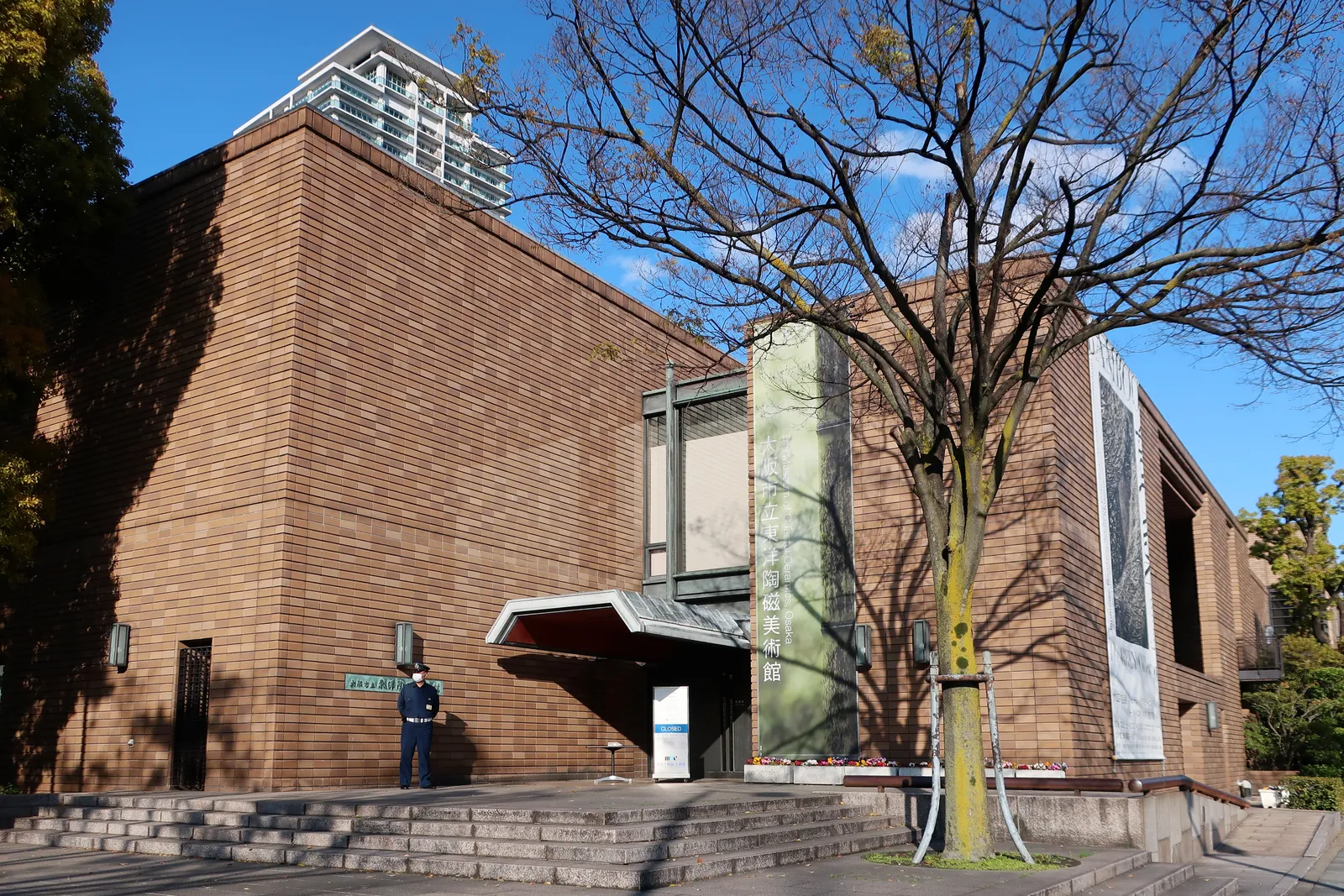
The Museum of Oriental Ceramics lights its galleries with daylight
Ataka & Co., an Osaka trading house, spent decades assembling Chinese and Korean ceramics and then failed in the 1970s; the Sumitomo group gave the collection to the city, and this museum opened in 1982 to hold it. The collection now runs to about 6,000 pieces, including two National Treasures and thirteen Important Cultural Properties, and part of the second floor is lit by natural light through the roof rather than by lamps, on the argument that a celadon glaze reads differently in daylight.
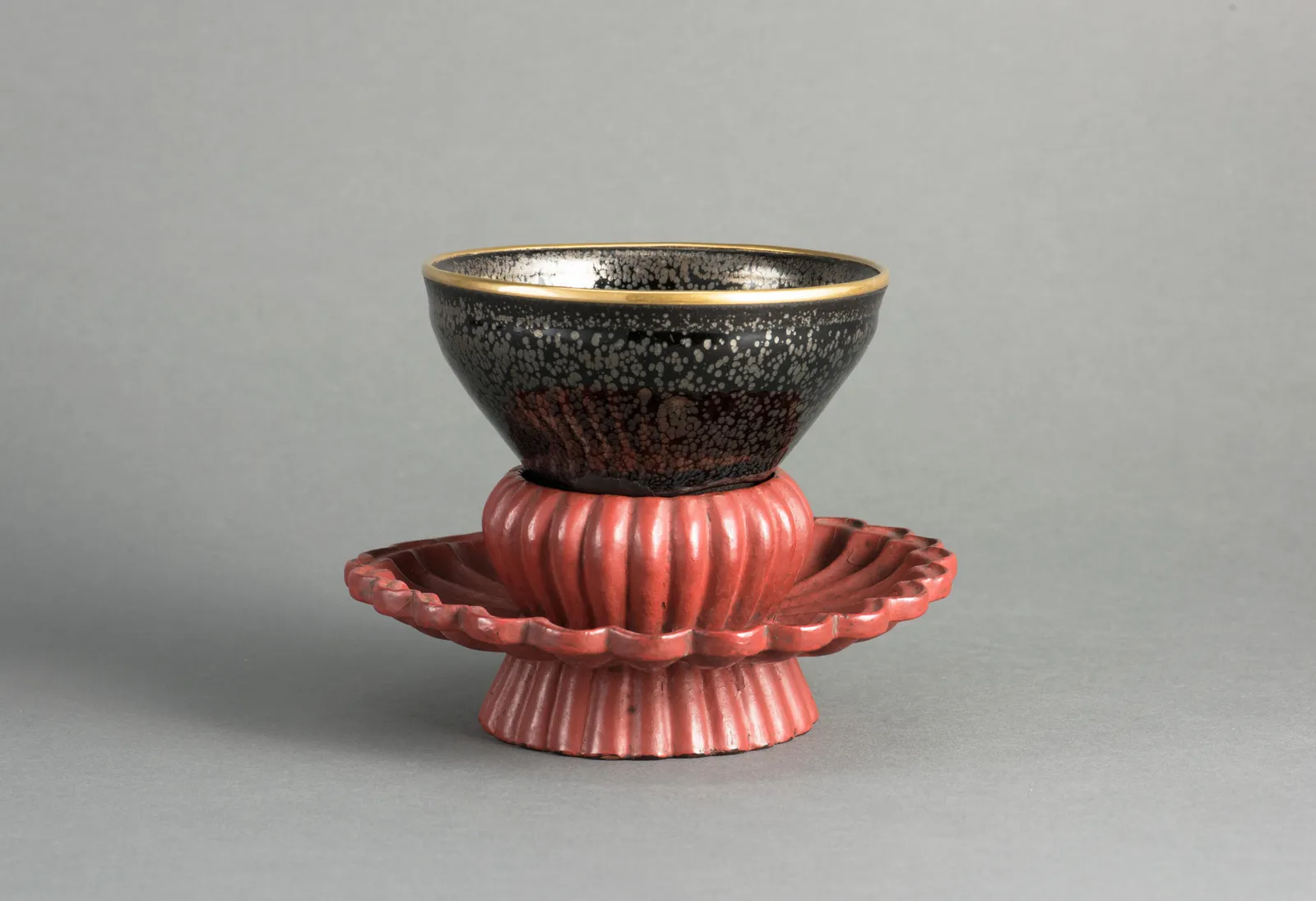
A black tea bowl got its own case when the museum reopened
One of the two National Treasures here is a Southern Song tea bowl, glazed black and scattered with silver droplets, a finish potters call yuteki tenmoku, or oil spot. It sits on a fluted red lacquer stand, it is smaller than a cereal bowl, and the 2024 renovation built a case around it specifically. Admission to the collection is ¥1,600 for an adult, the doors run 9:30am to 5pm, and it closes on Mondays.
One stockbroker paid for the Central Public Hall and never saw it
Iwamoto Einosuke gave the city a million yen in the early 1910s to build a hall for public use, having been struck by what philanthropy was doing in the United States. The market turned against him during the First World War, he lost the rest of his money, and when people told him to ask Osaka for some of the donation back he refused on the grounds that taking back a gift would shame an Osaka merchant. He shot himself at home in October 1916, aged 39. The hall opened in November 1918.
What he paid for is a Renaissance Revival building in red brick and pale stone, designed by Okada Shinichiro and built out by Tatsuno Kingo and Kataoka Yasushi, with a green copper barrel roof over an arched central window. It has been a National Important Cultural Property since December 2002. The exhibition room on the basement floor is open without a ticket; the auditorium and the old guest room upstairs need a tour booked ahead.
The rose garden runs along the water in Nakanoshima Park
The planting runs along the riverbank between two bridges rather than sitting in a block: about 310 varieties and 3,700 plants across thirteen thousand square metres. It peaks in mid to late May and again in mid to late October, it is free, and there is no gate to close, so it works at an hour when the museums do not.
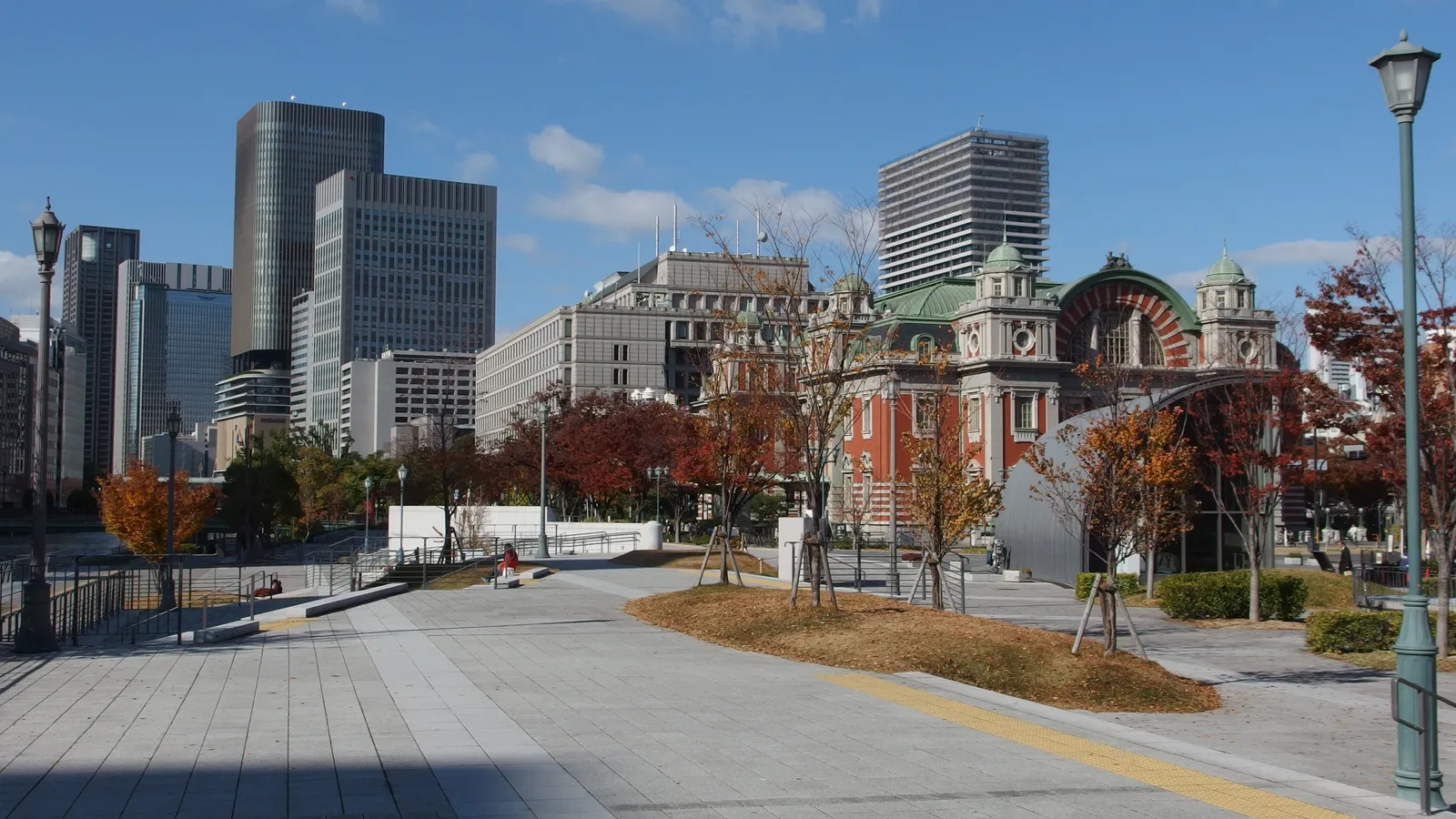
The island is three kilometres long and only a few hundred metres across, so everything on it is strung out in a line rather than clustered: getting off at the wrong bridge means walking the difference rather than changing platform.
Nothing runs to the airport from the island itself
The route out is a change either way. From the south bank it is two or three subway stops down to the Namba district and then the Nankai line to Kansai International Airport (KIX), 45 to 50 minutes at ¥970 on the commuter Airport Express or about 35 at ¥1,670 on the reserved-seat Rapi:t. From the north bank it is the main station and the Haruka limited express, about 45 to 50 minutes for ¥2,380 in a non-reserved seat. Either way, budget an hour and a quarter from the museum steps.
The Osaka layover guide covers the version of this city that happens at street level a kilometre south of here, with the canal and the market in it. This island is the quiet one: no arcade, no crowd to push through, and three of the city’s museums inside a fifteen-minute walk.
Frequently asked questions
What should I do during a layover near Nakanoshima in Osaka?
Walk the island end to end and stop twice. The Museum of Oriental Ceramics is the one thing here that is genuinely hard to see anywhere else: two National Treasures among about 6,000 pieces, ¥1,600, and a gallery lit by daylight rather than lamps. The Osaka City Central Public Hall next door is a 1918 red-brick landmark you can walk into without a ticket at basement level. Nakanoshima Park runs along the water between them with 3,700 rose plants in it, free and open. Two hours covers all three at a walking pace.
Is the Museum of Oriental Ceramics open on a Monday?
No, it closes on Mondays, and when a Monday falls on a public holiday it opens and takes the Tuesday off instead. Hours the rest of the week are 9:30am to 5pm, and admission to the collection is ¥1,600 for an adult and ¥800 for high school and university students. It reopened in April 2024 after a two-year renovation, with a display case built specifically for the oil-spot tenmoku tea bowl. Special exhibitions are priced separately and can change what is on show from the permanent collection, so check before building an afternoon around one object.
Can you go inside the Osaka City Central Public Hall?
Partly, and the free part is the basement. The exhibition room on the first basement floor is open to the public without a ticket and explains the building's construction and restoration. The grand hall upstairs and the Special Room, which was built as the guest room for distinguished visitors, are only seen on a guided tour that has to be arranged in advance, and the building is a working venue, so both are subject to whatever is booked that day. The exterior is the main event regardless: it has been a National Important Cultural Property since December 2002.
When are the roses out at Nakanoshima?
Mid to late May and mid to late October, with the autumn flush usually the smaller of the two. The garden covers 13,000 square metres along the river with about 310 varieties and 3,700 plants, it is free, and there is no gate or closing time, so an early morning or an evening between flights works as well as the middle of the day. Outside those two windows it is still a pleasant riverside walk, just a green one rather than a flowering one.
Is Nakanoshima walkable from Osaka Station?
Yes, at roughly twenty-five minutes on foot from the main station down to the public hall, or one subway stop to Yodoyabashi and about seven minutes from there. The island sits immediately south of the Umeda district across the Dojima River, which is why the two make an easy pair on a longer gap: shops and towers at the Umeda end, museums and river on the island. Going the other way, a walk north from the public hall puts you back among the department stores in about the same twenty-five minutes.