Töölönlahti, Helsinki: The Free Winter Garden
Part of the full Helsinki Layover: Suomenlinna Fortress, HEL
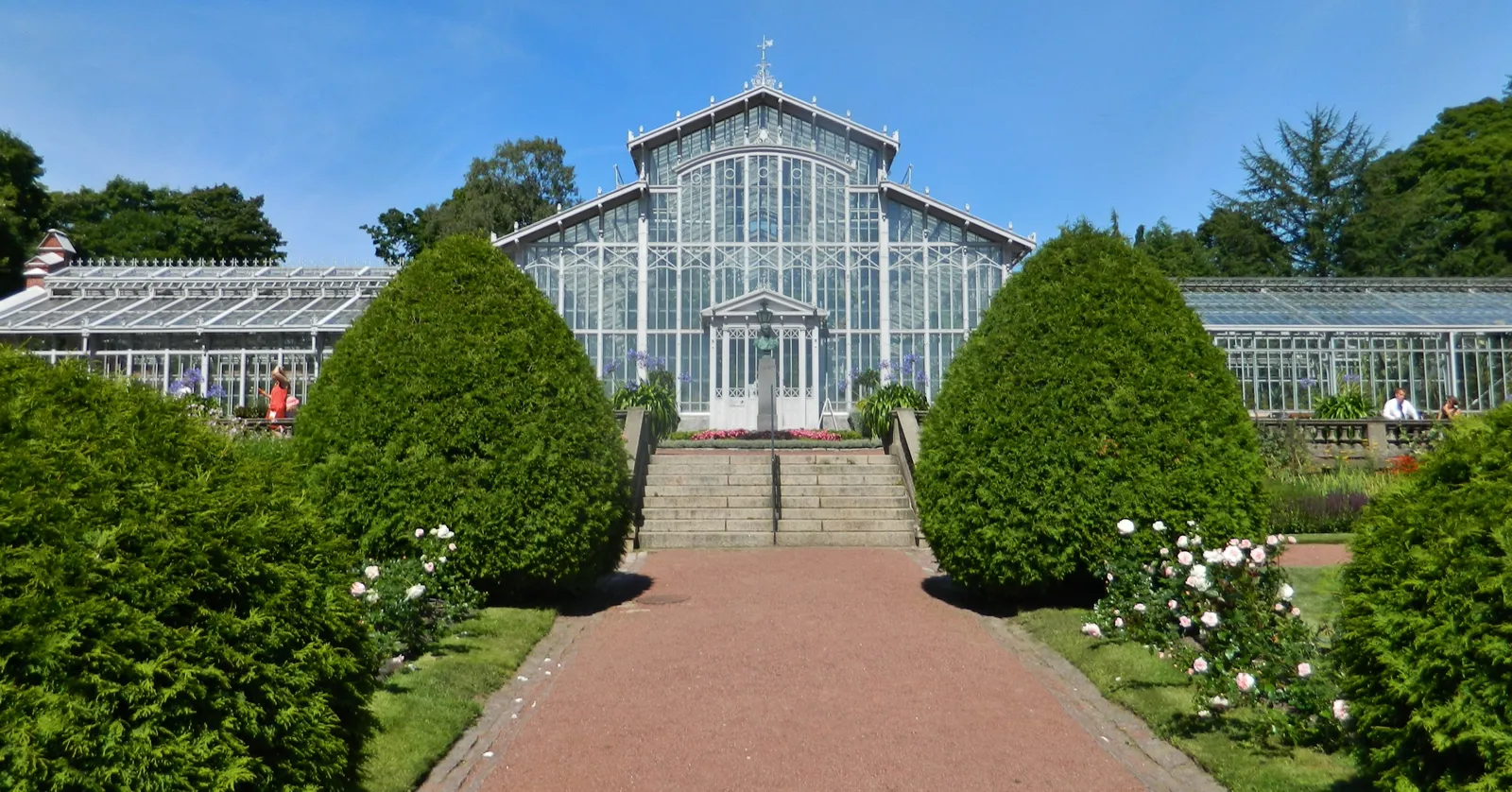
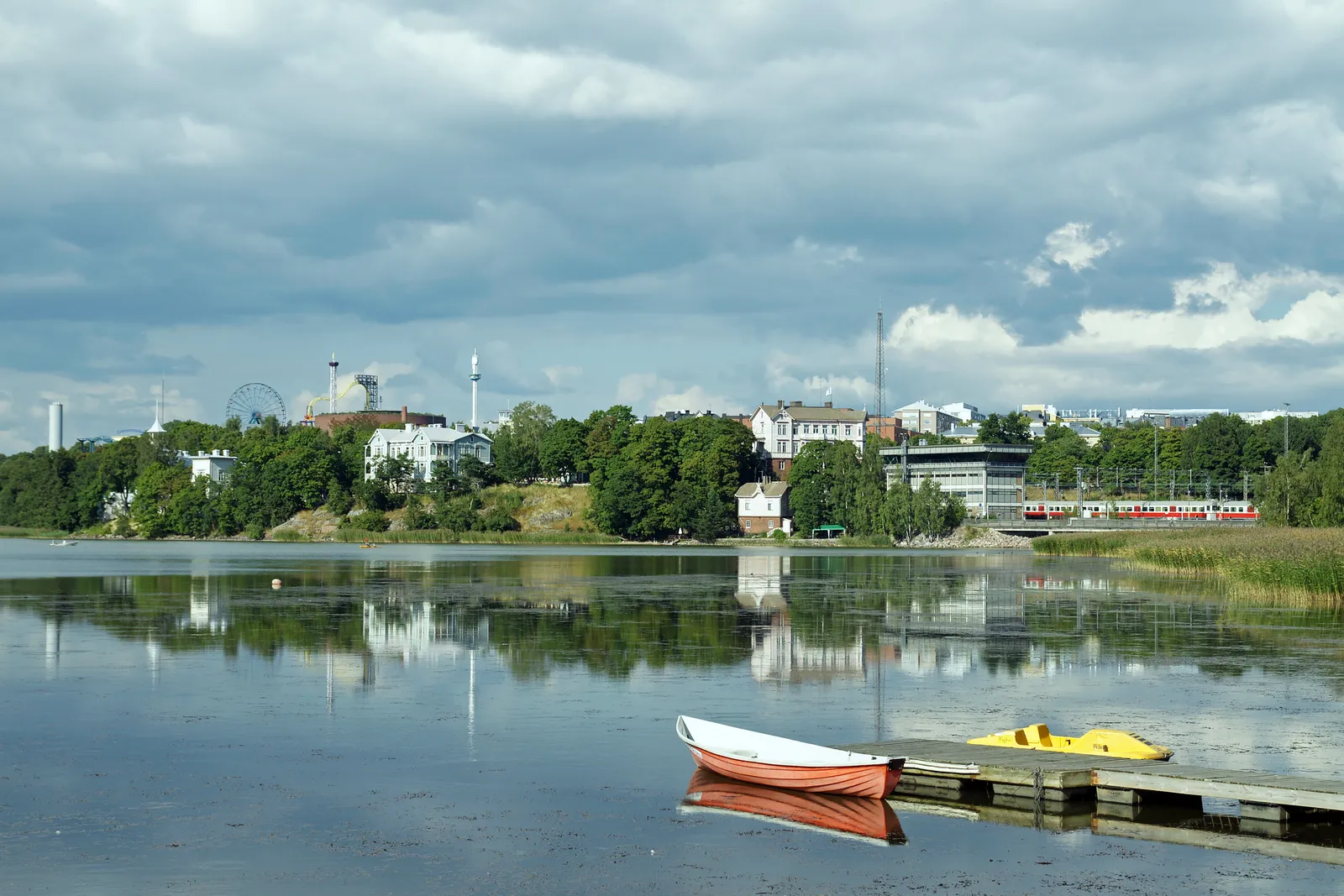
Töölönlahti, the bay immediately north of central Helsinki, has a 2.2-kilometre footpath right around it, a glasshouse of 1893 that has never charged admission at its northern end, and Finlandia Hall and the opera house strung along the western shore.
Helsinki’s Winter Garden glasshouse has never sold a ticket
Built in 1893 at Hammarskjöldintie 1, the city’s glasshouse holds more than 200 plant species in three rooms: a Palm Room, a Cactus Room where the agaves occasionally push their flower spikes up through the skylight, and a western wing. The oldest resident is a camellia over 130 years old. A rose garden is laid out in front of it and the working nursery behind is closed to visitors.
It opens 10am to 4pm from Monday to Thursday and again at the weekend, and shuts all day on Friday, which is the trap on a walk built around it. There is no café inside and no shop, just a warm room full of plants, which on a wet Helsinki afternoon is the whole point.
Finlandia Hall opened its ground floor to the public in 2025
Alvar Aalto finished the concert and congress hall in 1971, and for fifty years you needed a ticket or a conference badge to get past the door. Three years of rebuilding changed that: the building reopened on 4 January 2025 with a restaurant, a wine café, an exhibition space and a design shop on the public side, so walking in and looking at the interior is now a thing anyone can do.
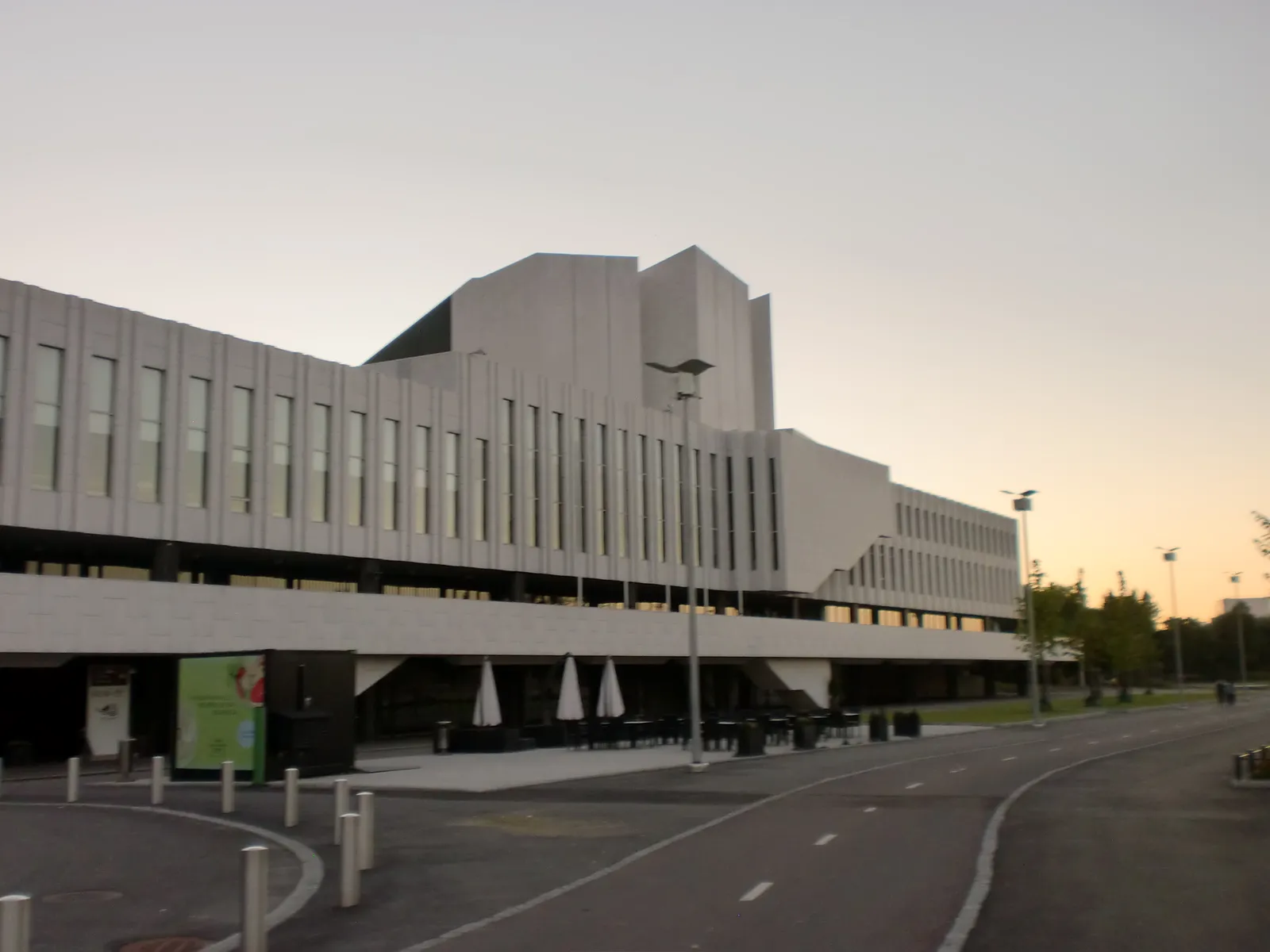
The same job dealt with the building’s long-running embarrassment. Aalto clad it in Carrara marble, thin panels of it started bowing in the Finnish freeze-thaw within twenty years, and the whole facade has been argued over ever since. Between 2022 and the end of 2023 about 6,800 square metres came off and went back on as Lasa Bianco Nuvolato, quarried in South Tyrol and chosen to survive the winters.
The opera house stands on the far side of the water
The Finnish National Opera and Ballet moved into it in 1993, a white block set back behind trees on the bay’s western shore, with a main auditorium of 1,350 seats and a studio theatre holding somewhere between 300 and 500. From the eastern path it reads as one long horizontal above the reeds, which is the view most people end up photographing.
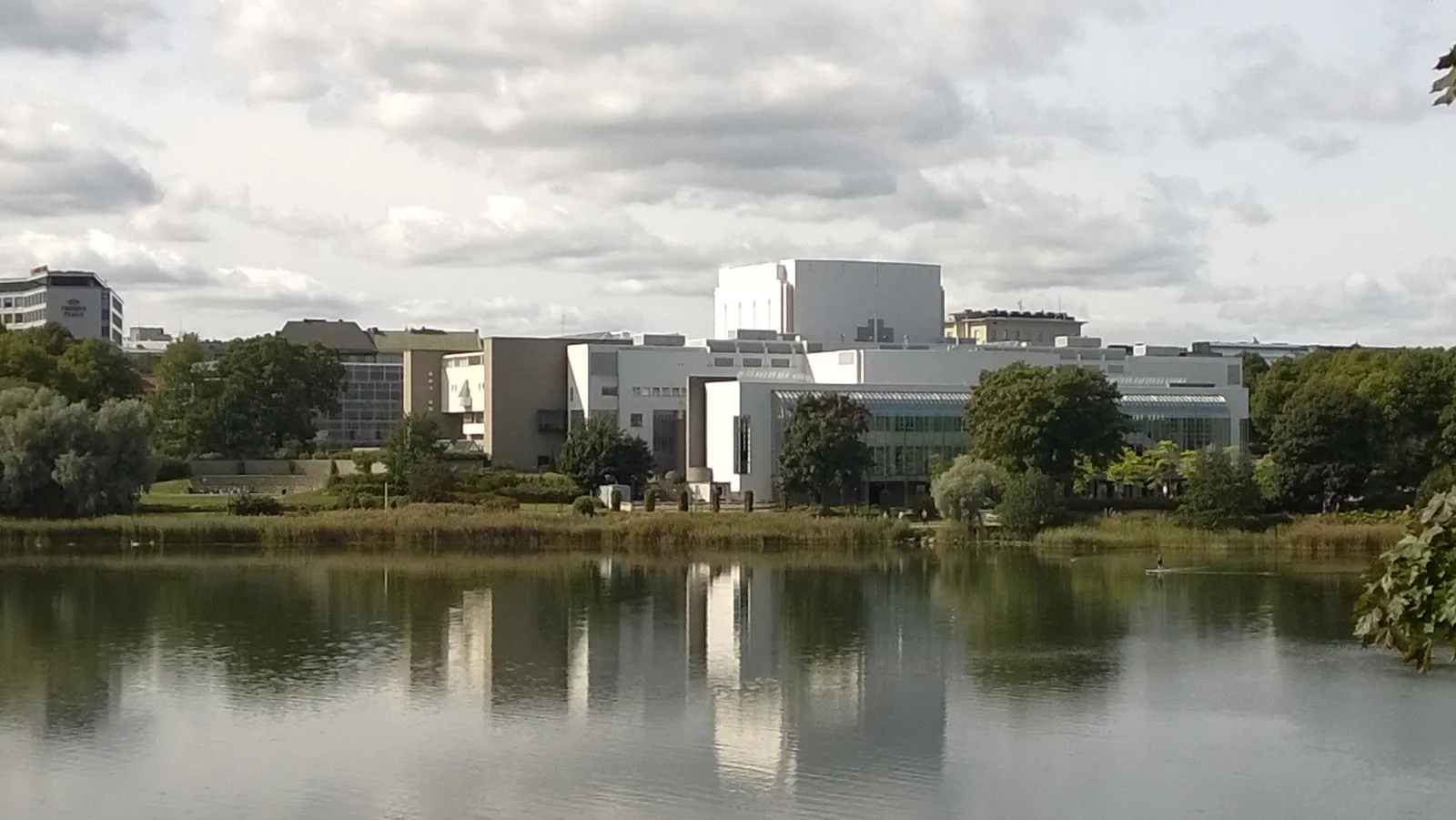
There is no casual wandering inside without a ticket or a booked tour, so treat this one as a building to look at rather than a stop to plan around. The lawn between it and the water is public, and the reed beds in front of it are as close as the path gets to the bay on this side.
The Linnunlaulu villas above the railway cutting
Linnunlaulu means birdsong, and the name attached itself to the strip of rock on the bay’s eastern shore where Helsinki’s wealthier families put up timber villas in the 1870s and 1880s, close enough to town to be convenient and far enough out to feel like summer. A dozen or so survive, painted pink, ochre and grey, with white fretwork verandas stacked two deep.
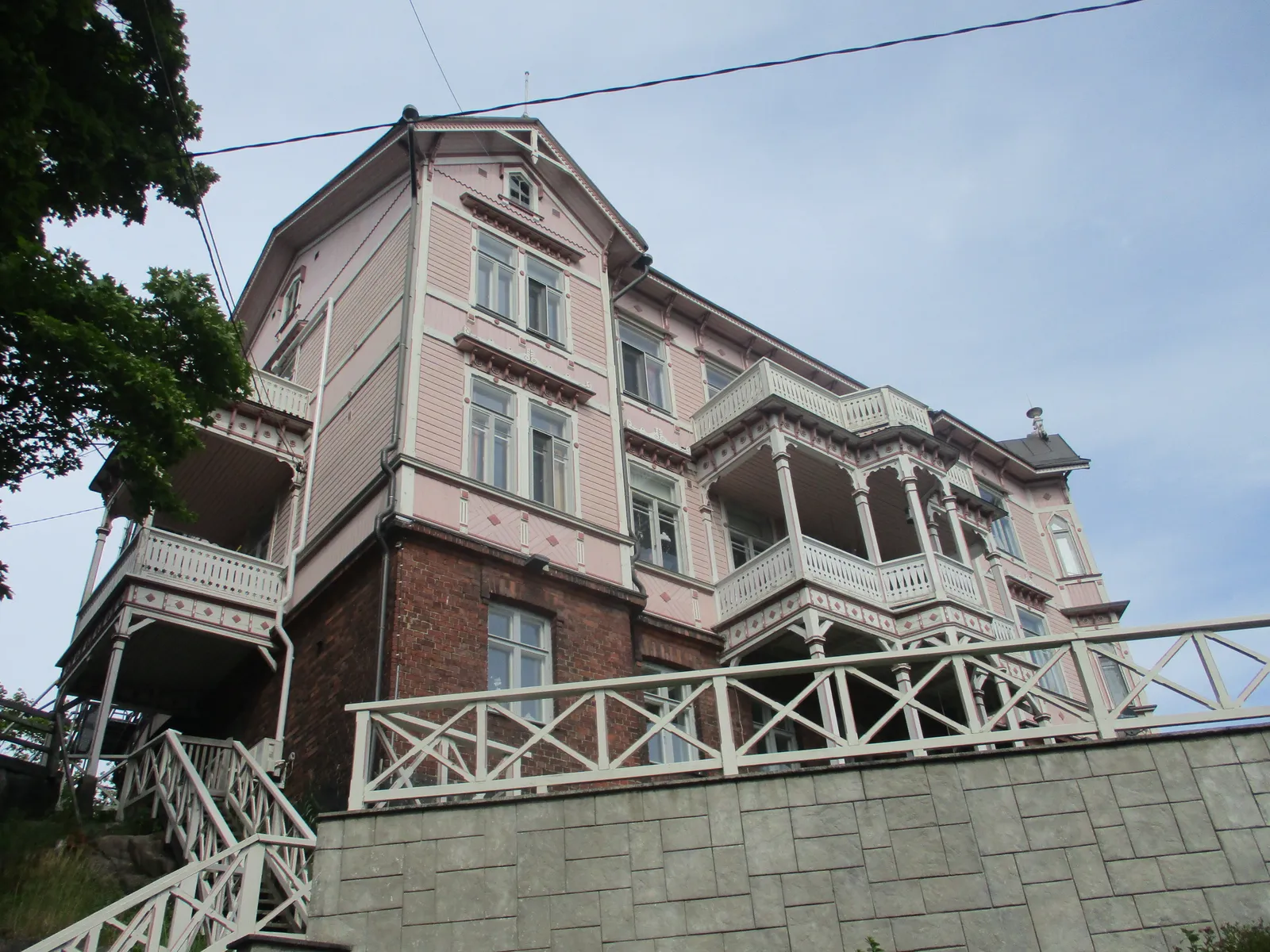
Villa Kivi, which Selim A. Lindqvist designed in 1890, belongs to the writers’ associations and holds working rooms for authors; the rest are lived in. The main line into the city runs in a cutting directly below the gardens, so the villas sit above a constant, quiet procession of trains, which is either the charm of the place or the reason nobody built more of them.
Everything here is on a 2.2-kilometre ring with water in the middle
The loop is flat the whole way, gravel and paving, no steps and no climb, running past reed beds, jetties and rowing boats on the water side. What it does not have is a crossing: the bay sits in the middle, so committing to the far shore means the full circuit or the same path back, and 2.2 kilometres of that with a wheeled suitcase is the difference between a walk and an errand.
The southern end of the bay is ten minutes from the airport platforms
Töölönlahti runs down to Kansalaistori square, and Helsinki Central Railway Station is a few minutes’ walk from there, which is where the airport trains go from. The I train runs out to Helsinki Airport through Tikkurila on the eastern side of the commuter loop in about 27 minutes, the P train the western side through Myyrmäki in about 32, with departures roughly every ten minutes through the day and one ABC-zone ticket at 4.80 euros in 2026 covering either.
From the northern end of the bay, by the Winter Garden, add about twenty minutes to walk back down. Counting that and the long escalator up from the airport platform, allow an hour from the top of the loop to the Helsinki Airport departures hall, or about forty minutes from the southern end.
This is the quiet, mostly outdoor version of a few hours in the city, and it works best in long summer daylight. The main Helsinki guide goes the other way, down to the harbour and out to the sea fortress by ferry, and the museums right by the station are the indoor answer at the southern end of this same walk.
Frequently asked questions
What should I do during a layover near Töölönlahti in Helsinki?
Walk the loop. It is 2.2 kilometres right around the bay, with Finlandia Hall and the opera house on the western shore, the 1870s wooden villas of Linnunlaulu on the eastern one, and the Winter Garden, a free glasshouse of 1893 holding more than 200 plant species, just beyond the northern end. Two hours is comfortable for the circuit with a stop inside the glasshouse. The one thing to check before setting out is that the Winter Garden is shut on Fridays, which is the day this walk loses its best indoor stop.
Is the Winter Garden really free, and when is it open?
Free since it opened in 1893, with no ticket desk at all. It runs Monday to Thursday and again at the weekend, 10am to 4pm, and closes all day on Friday, with the same 10am to 4pm on public holidays and nothing at all on Christmas Eve, Christmas Day, Midsummer Eve and Midsummer Day. Inside are three rooms, the Palm Room, the Cactus Room and the Western Wing, and a camellia more than 130 years old. There is no café, so bring a coffee from somewhere on the bay.
Can you go inside Finlandia Hall without a concert ticket?
Yes, and that is new. Three years of rebuilding ended on 4 January 2025, and the building came back open to anyone walking past for the first time in its history, with a restaurant, a wine café, an exhibition space and a shop on the public side. The rebuild also replaced the outside of it: roughly 6,800 square metres of Carrara marble that had been warping since the 1990s came off and went back as Lasa Bianco Nuvolato from South Tyrol.
Is the bay walk doable with elderly parents or anyone slow on their feet?
The surface is, the distance may not be. The whole loop is flat gravel and paving with no steps and no hills, but it is 2.2 kilometres with the water in the middle of it, so there is no short cut back once you are halfway round. The out-and-back along the western shore to Finlandia Hall and the opera house, then the same way back to the southern end, is about half the distance and covers the two largest buildings on the route.