Helsinki Central Station: Ateneum and Kiasma
Part of the full Helsinki Layover: Suomenlinna Fortress, HEL
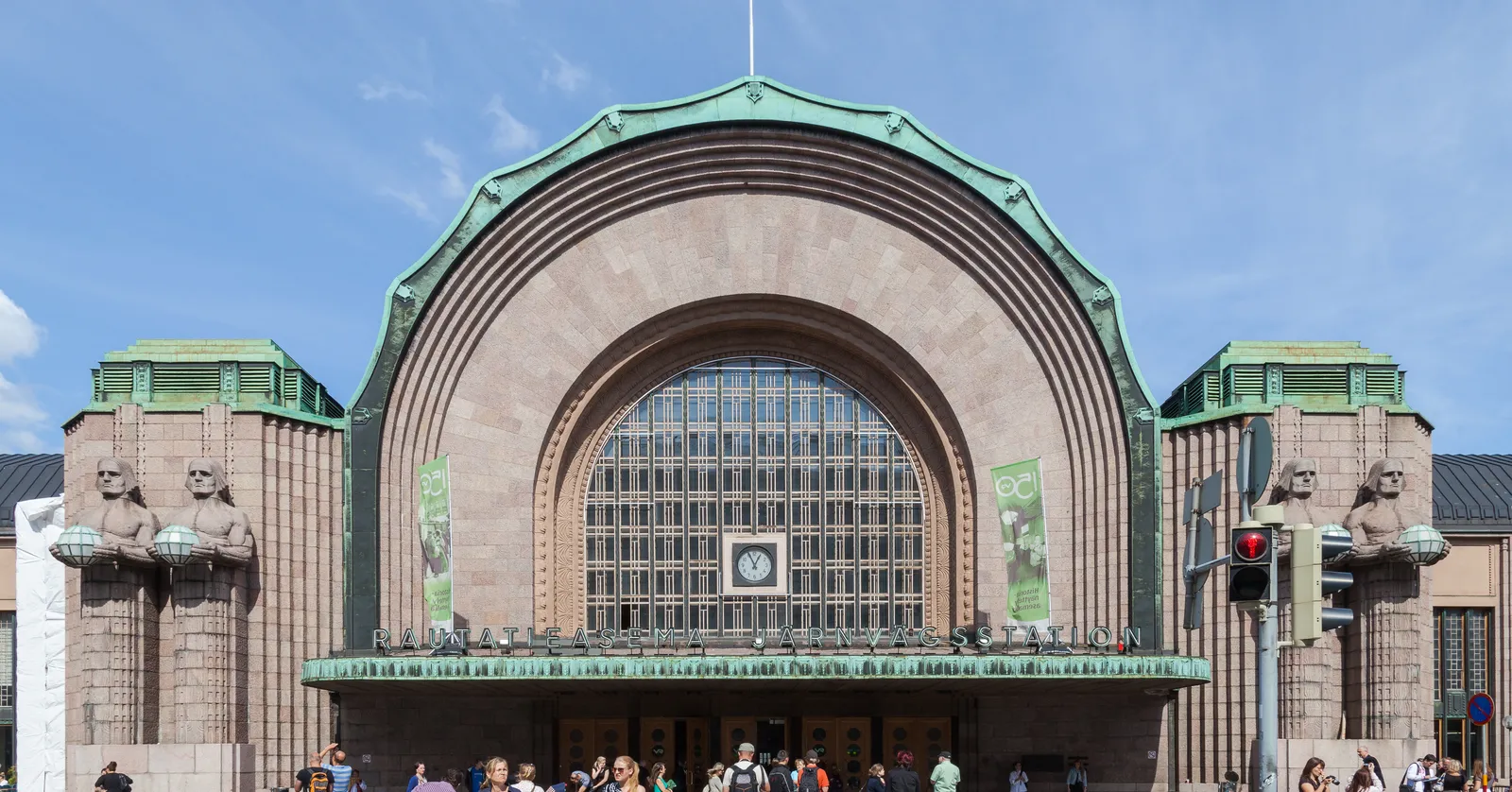
Two national art museums stand within five minutes of Helsinki Central Station, Ateneum on the square outside it and Kiasma just west of it, and the botanic garden beside the platforms is free to walk into.
Ateneum, the national gallery on Rautatientori
The building went up in 1887 on the south side of Rautatientori, the square the station faces, as a combined art school and museum, with carved figures set between its upper windows. It now holds the Finnish National Gallery’s collection of Finnish art from the 19th and 20th centuries: Akseli Gallen-Kallela’s Kalevala paintings, Helene Schjerfbeck’s self-portraits, Hugo Simberg’s The Wounded Angel.
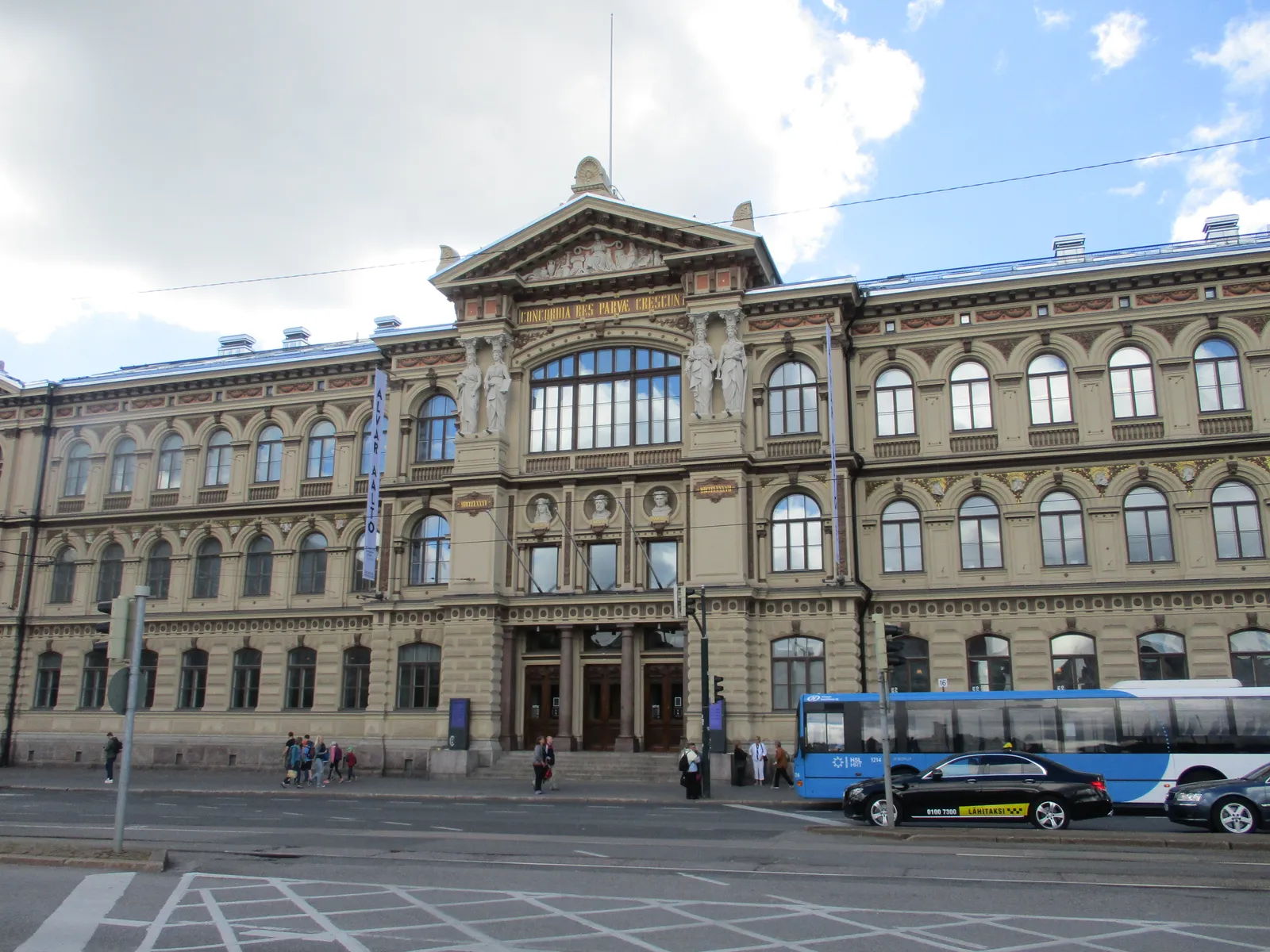
Admission is 23 euros at the desk, 21 booked online, 13 reduced and free under 18. Since the start of 2026 it has been closed on Mondays, which catches people out, and it stays open until 8pm on Wednesdays and Thursdays when everything else around the square has shut. If you intend to see both this and the contemporary art museum four minutes west, a city card that covers both works out cheaper than two full-price tickets and includes transport within the inner zones.
Kiasma’s curved shell on Mannerheiminaukio
Steven Holl entered the 1993 competition against 516 others with a scheme called Chiasma, named for the crossing of the optic nerves, and the building that opened on 30 May 1998 is that idea made literal: one straight bar of gallery crossed by a curved one, with a long ramp winding up through the join. Holl designed it around the light Finland actually gets, so the galleries are lit through curved ceilings and a slot of north-facing glazing rather than by lamps.
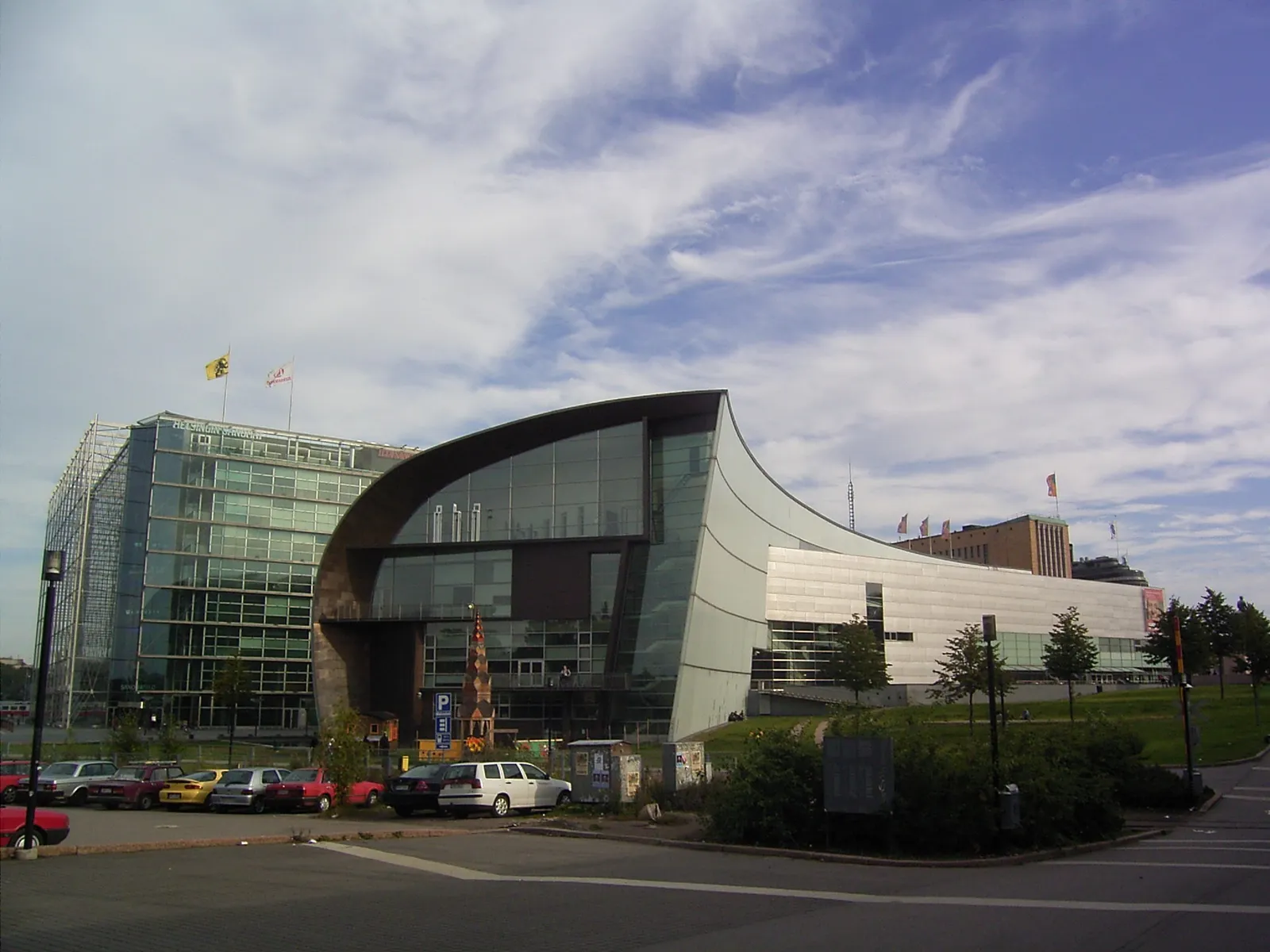
It sits at Mannerheiminaukio 2, about four minutes on foot from the station’s western doors. Prices match Ateneum’s, 23 euros at the desk and 21 online, and the opening hours are the useful difference: Monday 11am to 5pm, Tuesday and Friday until 8pm, Wednesday and Thursday until 6pm, weekends until 5pm. Ticket sales stop half an hour before closing, so a late arrival needs to be through the door by then rather than at it.
The glasshouses at Kaisaniemi Botanic Garden
Plants have been grown on this ground since 1829, when the university moved its botanic garden here from Turku after the fire, and the garden is still run by the university rather than the city. The glasshouses hold tropical and subtropical collections, a palm house, a cactus house, a pool of water lilies, and they cost 12 euros at the desk or 11 online, with reduced rates at 9 and 8.
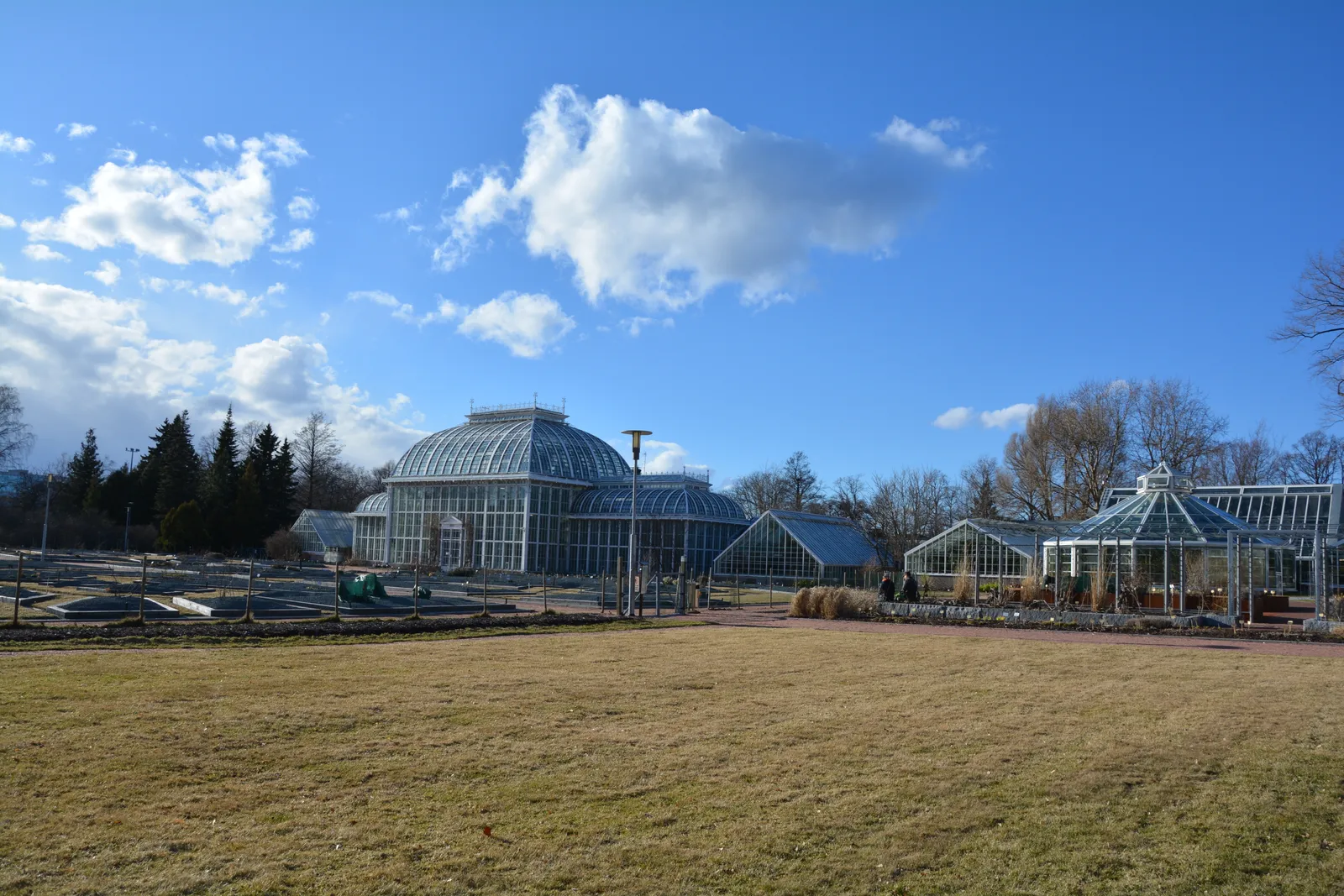
The part worth knowing about is free. The outdoor garden around the glasshouses opens at nine every day of the year and stays open until eight, which is earlier than any museum near the station and later than all of them, and there is no ticket for it at all. The glasshouses keep shorter and more awkward hours, shut on Mondays and opening at ten or eleven depending on the day, so an early arrival gets the beds, the pond and the trees rather than the palms. The whole garden closes in stormy weather.
The lantern bearers on the station’s granite front
Eliel Saarinen won the competition for the station in 1904, redesigned the whole thing after a trip through Germany, and the building finally opened on 5 March 1919 after twelve years of construction and a civil war. The facade and the statues in front of it are red granite quarried at Hanko, on the coast southwest of the city. Emil Wikström carved the four figures either side of the main arch in 1914, each one a heavy, close-cropped man holding a spherical lamp at chest height, and they are on enough VR advertising to work as the shorthand image of the entire Finnish rail network.
The ground under all of it was the Kluuvinlahti bay before the city filled it in, and the bedrock is 20 to 30 metres down, so the station stands on around ten thousand wooden piles. Only the clock tower’s supporting walls were taken down to rock, at eleven metres.
About 240,000 people pass through the building on a normal day, roughly half of them catching a train, which makes the concourse tight through the evening peak when the long-distance departures and the commuter rush overlap in the same hall.
Airport trains run about every ten minutes from these platforms
The two commuter services that reach Helsinki Airport, the I and the P, start and finish here: the I train goes out the eastern side of the loop through Tikkurila in about 27 minutes, the P the western side through Myyrmäki in about 32, and both stop at the same underground platform beneath the terminal. Renovation work on three stations on the western arm thins service on that side until 4 October 2026, after which both directions return to the full timetable; the eastern route is unaffected either way.
One ABC-zone ticket, the fare band that stretches out to the airport, costs 4.80 euros in 2026 tapping a contactless card and covers either train, plus the 600 bus from Rautatientori outside if the trains are disrupted. The airport platform is deep and the escalator run up to departures is long, so budget around 35 minutes door to door rather than the 27 on the timetable.
Everything here is indoor and within four minutes of the platforms, which makes it the version of a Helsinki stop that works when the wait is too short for the harbour. With four hours or more, the main Helsinki guide takes the ferry out to the sea fortress instead, and that trip needs the bag left behind rather than carried.
Frequently asked questions
What should I do during a layover near Helsinki Central Railway Station in Helsinki?
Ateneum, the national gallery, is on the south side of Rautatientori, the square outside the station, and holds the Finnish collection from the 19th and 20th centuries. Kiasma, the contemporary art museum in Steven Holl's curved 1998 building, is four minutes west across Mannerheimintie. Kaisaniemi Botanic Garden is the same distance northeast, with a free outdoor garden and glasshouses that charge. Two hours is enough for one museum and the walk; if the wait is shorter than that, stay with the station's own facade and the garden.
Are Helsinki's national art museums free on any day?
Yes, on four scheduled days a year rather than a recurring weekly slot. Ateneum and Kiasma both list free admission days in 2026 on 20 February, 10 April, 20 August and 11 December. On every other day admission is 23 euros at the desk or 21 euros booked online, 13 euros reduced, and free for under-18s at both. Kiasma is the one to pick if you arrive on a Monday, because Ateneum has been closed on Mondays since the start of 2026.
Is anything near the station open before the museums are?
The outdoor half of Kaisaniemi Botanic Garden opens at 9am every day of the year and costs nothing, which is two hours before Ateneum unlocks its doors and an hour or two before the glasshouses do. It closes in stormy weather, and between 19 August and 9 September in 2026 it shut at 6.30pm rather than 8pm, but otherwise it runs 9am to 8pm. The station's own concourse is open from early morning, and the square outside it never closes.
How early should I leave the station area for the airport?
About two hours before departure. Commuter trains to Helsinki Airport leave from the station roughly every ten minutes through the day, the I train running out the eastern side of the loop through Tikkurila in about 27 minutes and the P train the western side through Myyrmäki in about 32. Add the escalator climb from the deep airport platform up into the terminal and the honest door-to-door figure is closer to 35 minutes. One ABC-zone ticket, the fare band that reaches the airport, is 4.80 euros in 2026 on a contactless card.