Djurgården Layover in Stockholm: ABBA Museum
Part of the full Stockholm's Gamla Stan on an ARN Layover
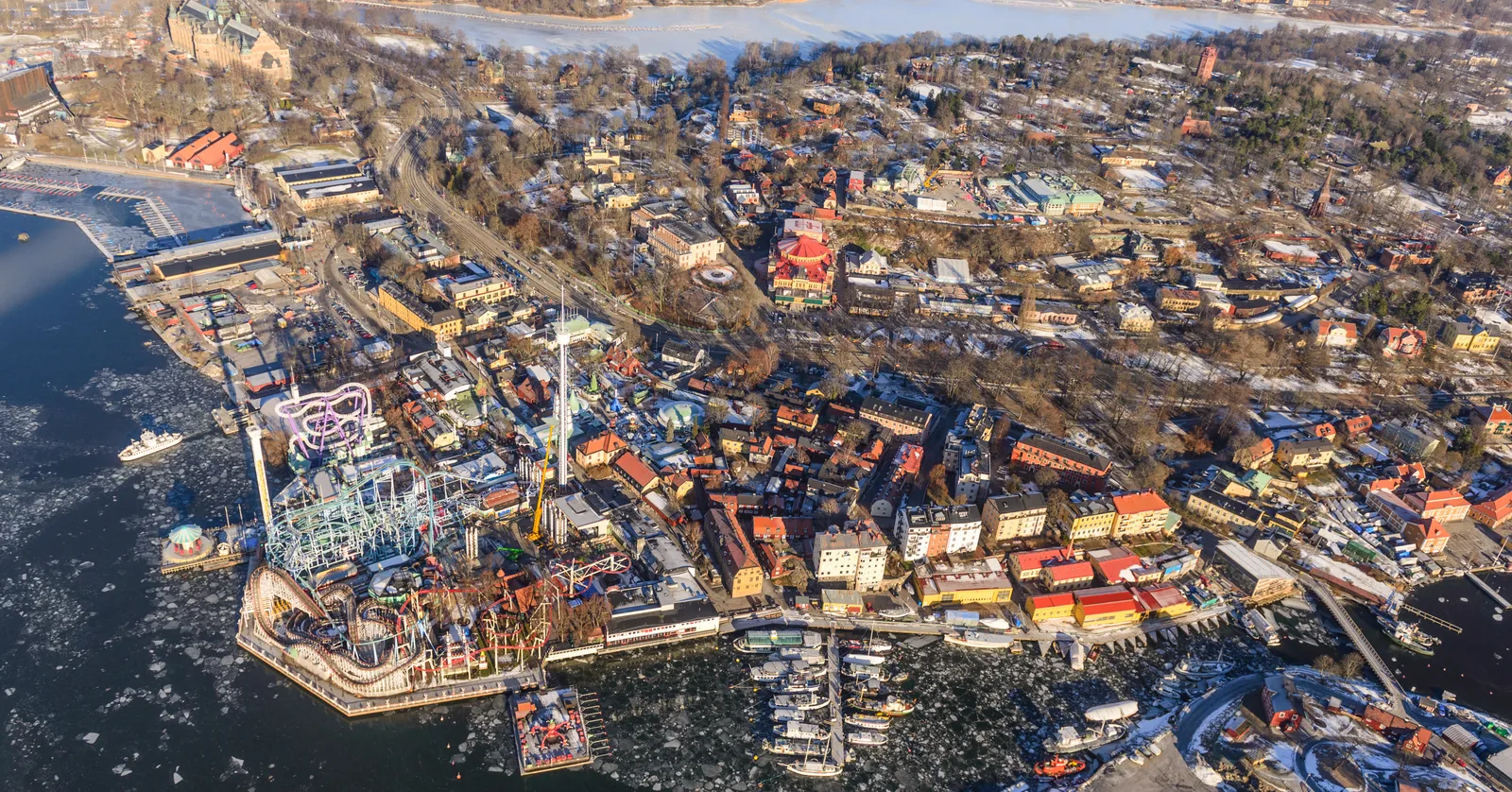
Djurgården is an island in central Stockholm holding a museum built around ABBA’s own recording studio, a 1907 palace with a hall 126 metres long inside it, and a working market garden that bakes its own bread, all within half an hour’s walk of each other.
The rebuilt Polar Studios control room at ABBA The Museum
The orange block on Djurgårdsvägen, a few minutes from where the tram sets down, holds the group’s stage costumes, their instruments, gold discs, and a full reconstruction of the control room at Polar Studios, the studio they built in Stockholm and recorded in from 1978. Björn Ulvaeus was involved in putting the place together, which is why the material in it is the real thing rather than a licensed touring set.
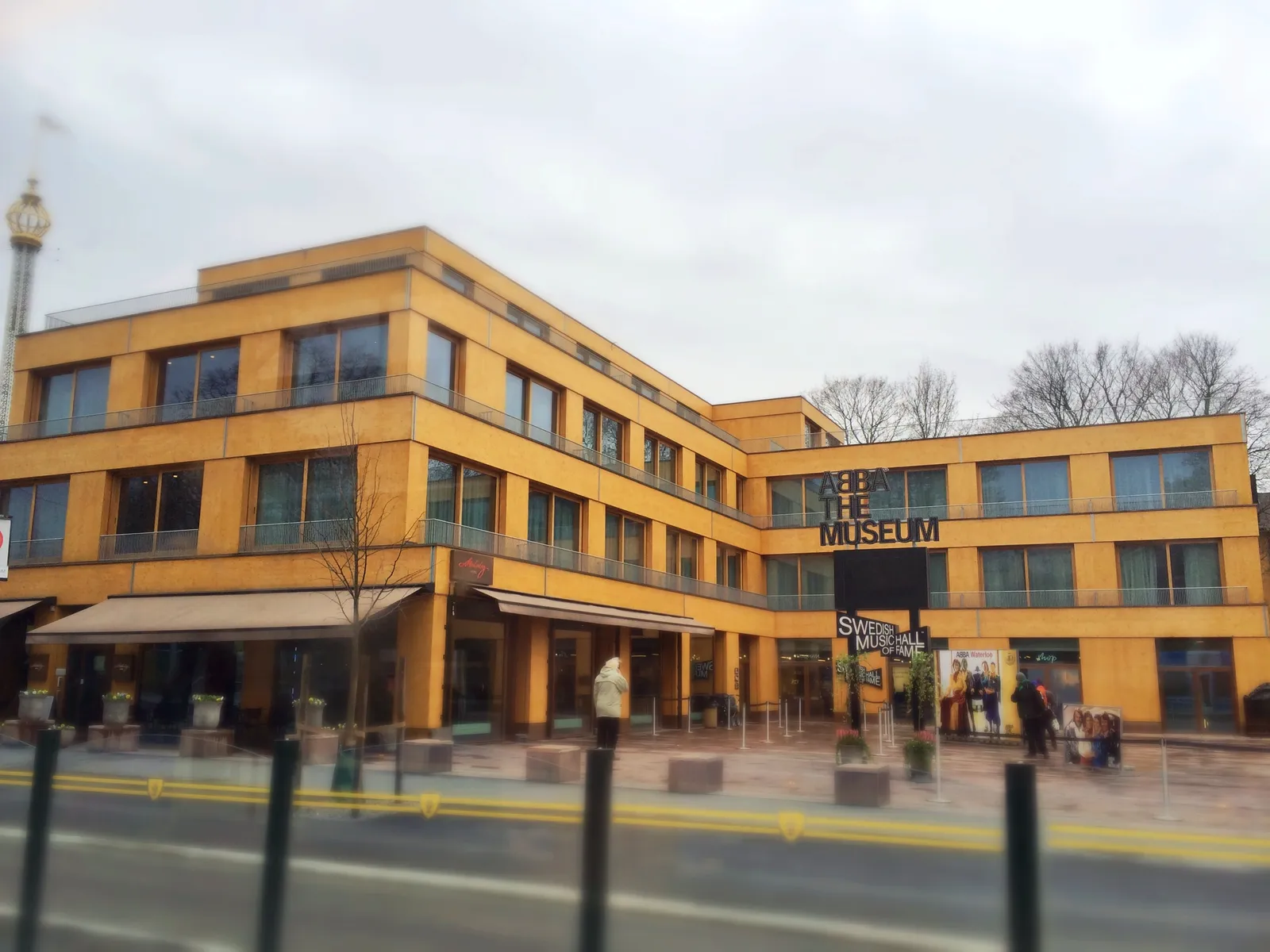
Adult tickets run 269 to 329 kronor depending on the season, 110 to 120 for ages 7 to 15 and nothing under 7, and entry can be bought ahead of the day. Allow 90 minutes to two hours inside. Hours shift with the season, opening at 10am year-round and closing at 6pm in the darker months, 8pm from May, with a 9am start through high summer.
The Great Hall inside the Nordic Museum
Isak Gustaf Clason’s palace on the Djurgården waterfront took from an 1883 competition to a 1907 opening to finish, and what it was built around is a single room: a hall 126.5 metres long and 24 metres high, galleried on both sides, lit through glass domes in the roof. It is one of the largest non-religious interiors in Sweden, and it lands before you have looked at a single exhibit, because the entrance opens straight into it.
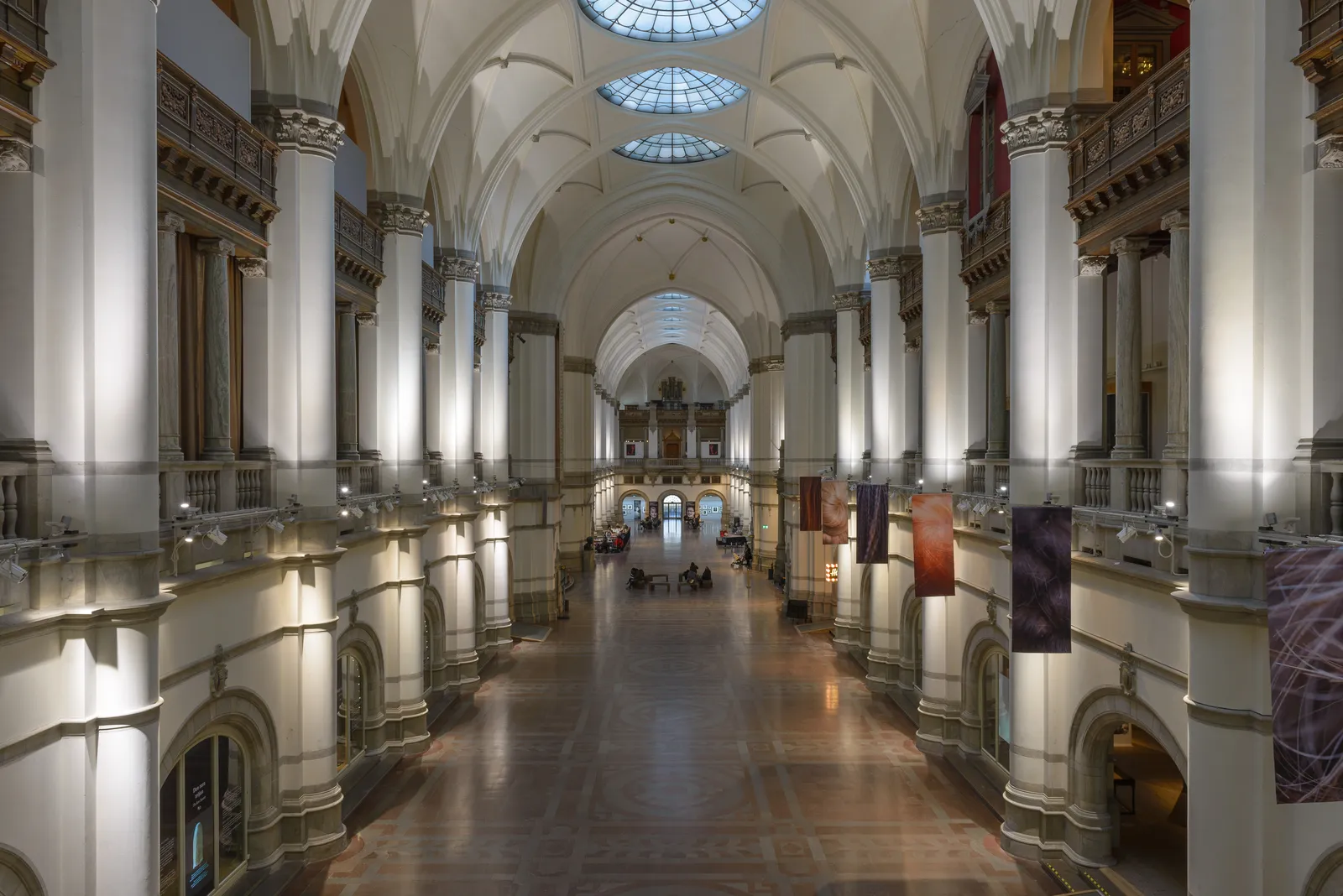
At the far end sits Carl Milles’ Gustav Vasa, six metres of oak, painted and gilded, unveiled in 1925 after the plaster original rotted. The museum’s own account of it includes a detail worth knowing before you stand in front of it: the king’s forehead was carved from a piece of oak taken from a tree he is said to have planted at Rydboholm, the estate north of the city where he was born.
The collection behind it is Swedish domestic life from the 1500s onward, which sounds dry and is mostly not: table settings, folk dress, Sámi material, toys, the Strindberg rooms. Adult entry is 170 kronor and ages 3 to 18 pay 75. It opens daily at 10am and runs to 5pm, with a late Wednesday to 8pm from September to May.
Rosendal’s garden and its wood-fired bakery
Twenty-five minutes east of the museums, past the last of the buildings, Rosendal’s garden has been run as a working biodynamic market garden for over forty years: vegetable beds, an orchard, a rose garden, vines, greenhouses, and a bakery put up in 1998 around what is the largest wood-fired oven in Stockholm. The café in the greenhouse serves what the beds have produced that week, on long trestle tables, and the bread comes out of that oven.
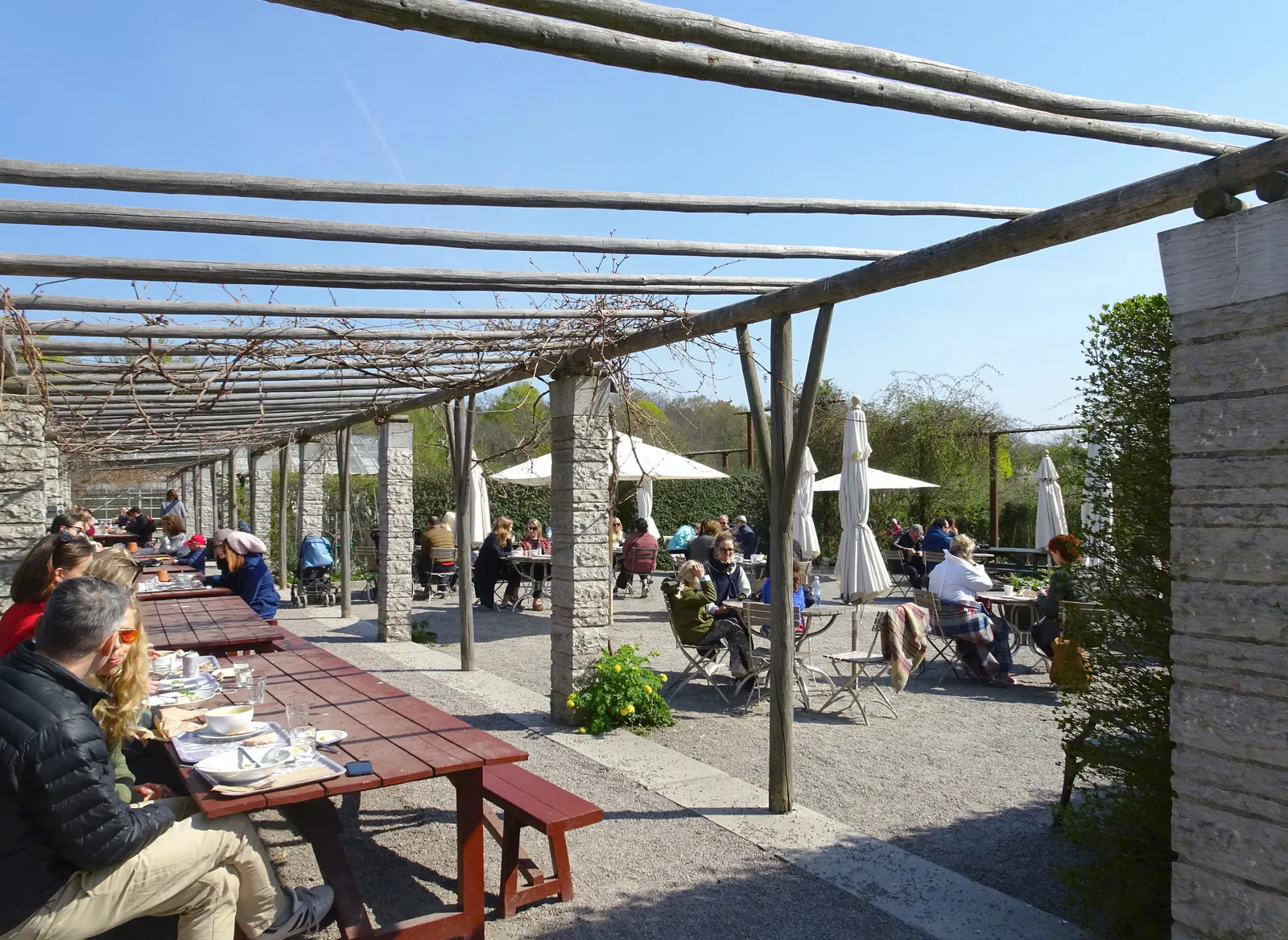
Walking in costs nothing. The hours are shorter than the museums’ though: 11am to 4pm Monday to Thursday, 11am to 5pm Friday to Sunday, so this is the stop that sets the order of an afternoon rather than slotting in wherever.
The gravel paths across the island’s interior
Djurgården was a royal game park for centuries, and the eastern two thirds of it still read that way: oak woodland, low rises, and a kilometre of canal cut across the middle of it, ordered by Charles XIV in 1825 and finished in 1834, with an avenue of trees along its banks. The walk out to Rosendal runs through this, and so does the longer loop east towards Djurgårdsbrunn.
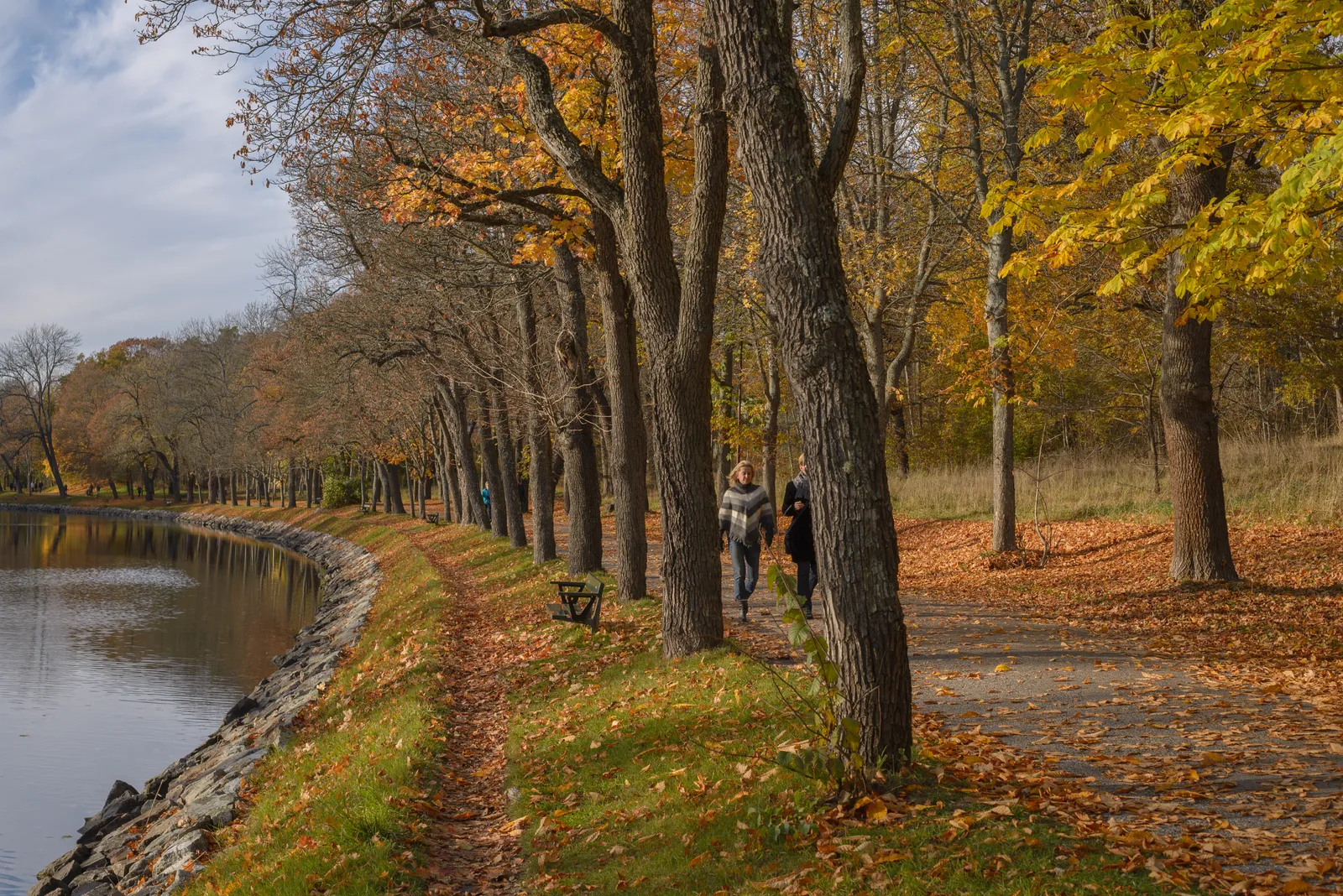
The surface is the thing to know before you set out: gravel rather than pavement for most of its length, which turns a twenty-five-minute walk with nothing in your hands into a noticeably longer one behind a wheeled suitcase.
One bridge, one tram and one ferry off the island
Djurgården has a single road bridge at its western end, plus a tram that runs in from the city centre in about fifteen minutes and a ferry that crosses from the lock at Slussen in ten. All three land within a few minutes of the museum cluster, and all three are how you leave as well as how you arrive, so the last leg of a flight day starts by backtracking west across the island.
From the centre, the Arlanda Express covers Stockholm Central to the airport in 18 minutes for Terminals 2, 3 and 4 and 19 for Terminal 5, every quarter of an hour, at 340 kronor for an adult with under-18s free alongside. Add the fifteen minutes back off the island and the walk between platforms, and an hour from Rosendal’s gate to the check-in hall is realistic rather than optimistic.
The warship and the open-air museum at this end of the island are the two stops most people come for, and the full Stockholm guide covers those alongside the old town and the view from Södermalm.
Frequently asked questions
What should I do during a layover near Djurgården in Stockholm?
Three or four hours covers the island's western end and a walk inland. ABBA The Museum is the one stop that needs a booked time slot, an hour and a half to two hours inside, and it is where the Polar Studios control room the group actually recorded in has been rebuilt. The Nordic Museum next door is a 1907 palace whose central hall runs 126.5 metres end to end, one of the largest rooms in Sweden that isn't a church. Twenty-five minutes further east, Rosendal's garden is free to walk into and bakes its own bread in the biggest wood-fired oven in the city. If the plan is tight, drop Rosendal rather than rushing the museums.
Do I need to book ABBA The Museum in advance?
Yes, if you are arriving on a fixed schedule. Entry runs on timed slots, and summer slots go weeks ahead, so turning up hoping for the next one is how a layover visit falls apart. Adult tickets run 269 to 329 kronor depending on the season, 110 to 120 for ages 7 to 15, free under 7, and a fast-track slot can be locked in before you fly. Reckon on 90 minutes to two hours inside.
How do you get to Djurgården from central Stockholm?
A tram from the city centre reaches the island in about fifteen minutes and stops right by the museum cluster. A ferry from the lock at Slussen takes ten minutes across the water and lands you an eight-minute walk short of the same buildings, which is the better ride if the weather is behaving. There is also one road bridge in, which is the only step-free route that doesn't involve boarding anything.
Is there anywhere on Djurgården to eat that isn't a museum café?
Rosendal's garden, about twenty-five minutes' walk east of the museums, is the one worth the detour: a working biodynamic market garden with a greenhouse café serving what the beds produce, and a bakery built in 1998 around the largest wood-fired oven in Stockholm. Entry to the garden costs nothing. It runs 11am to 4pm Monday to Thursday and 11am to 5pm Friday to Sunday, which is a narrower window than the museums keep, so it decides the order of an afternoon rather than fitting around it.