Munich's Isartor and the Deutsches Museum
Part of the full Munich Layover Guide: Marienplatz From MUC
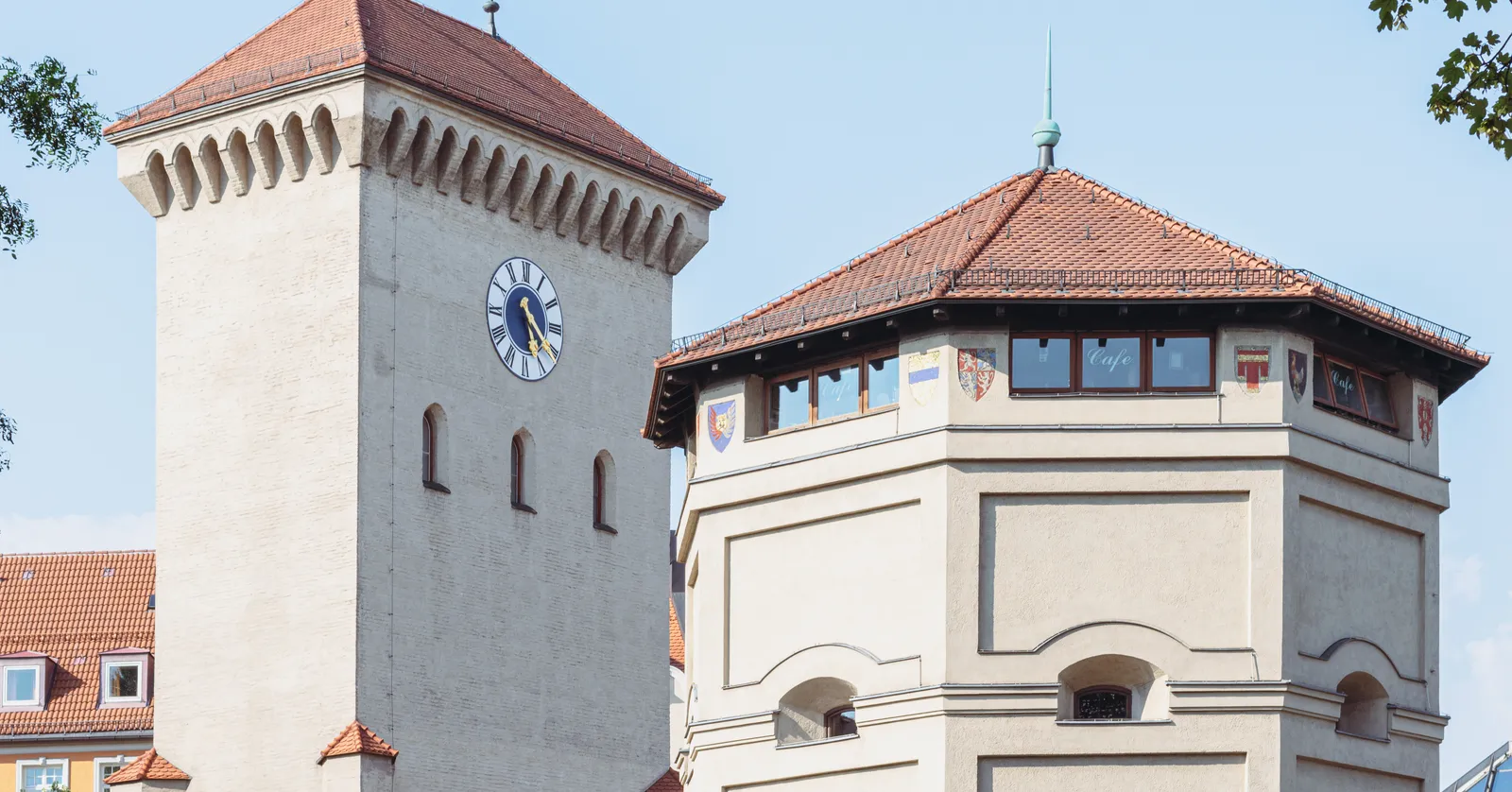
Isartor sits on nearly every one of Munich’s S-Bahn lines, and five minutes on foot from it is the reopened half of the Deutsches Museum, an indoor window built for a wet afternoon rather than another walking loop.
Isartor, Munich’s only intact medieval gate
Isartor is the only one of Munich’s original city gates still substantially intact, a rectangular clock tower flanked by two octagonal towers, built in 1337 as the eastern entrance through the old city wall. A 20-metre fresco added in 1835 runs across the central tower, showing Ludwig the Bavarian’s victorious return from the Battle of Mühldorf in 1322. The S-Bahn tunnel was dug directly underneath it for the 1972 Olympics, which is why nearly every one of the city’s lines stops here: this is one of the few points on this site’s Munich coverage where the train choice barely matters.
A proper visit to what’s ahead means hours on your feet moving between floors and exhibits, not a single climb or a single square, so this is one of the clearer cases on this site where a case at your side is a genuine liability rather than a minor annoyance.
The Deutsches Museum’s open half
Five minutes’ walk south is the Deutsches Museum, the world’s largest science and technology museum, spread across an island in the Isar. It’s roughly half-open: the first renovated section, finished in 2022, covers 20,000 square metres and 20 permanent exhibitions, aviation, space travel, robotics, atomic physics among them, while the other half, including the mine and the high-voltage Faraday-cage demonstration long-time visitors remember, stays closed for modernisation until 2028. Entry during the work is through a glass building by the Corneliusbrücke rather than the old courtyard.
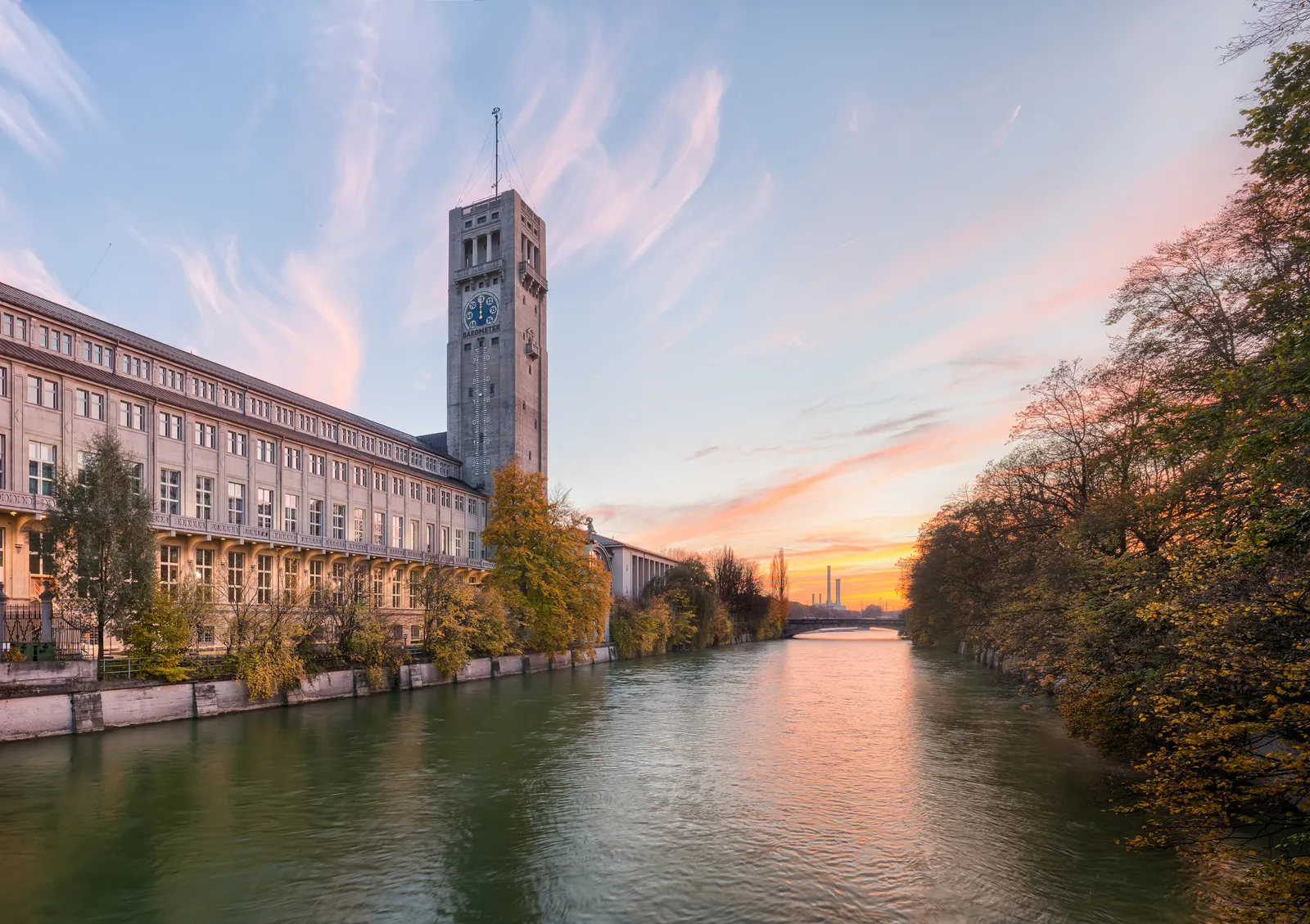
The Kinderreich, a hands-on area for ages 3 to 8, sits inside the open half and keeps its own shorter hours, 9am to 4:30pm, last entry 4:15. Adult admission is 16 euros, 9 reduced, daily 9am to 6pm.
The Valentin-Karlstadt-Musäum in the south tower
Back at the gate, the south tower holds the Valentin-Karlstadt-Musäum, a small municipal museum on Bavarian comedian Karl Valentin that reopened on 10 July 2026 after nearly two years closed for fire-safety work. The exhibits lean deliberately odd: a melted ice sculpture kept as an object, a window bricked up mid-wall, the last cane used to punish Bavarian schoolchildren. Admission is 3.99 euros, free under 18, open daily except Wednesday from 11am, Sundays from 10am.
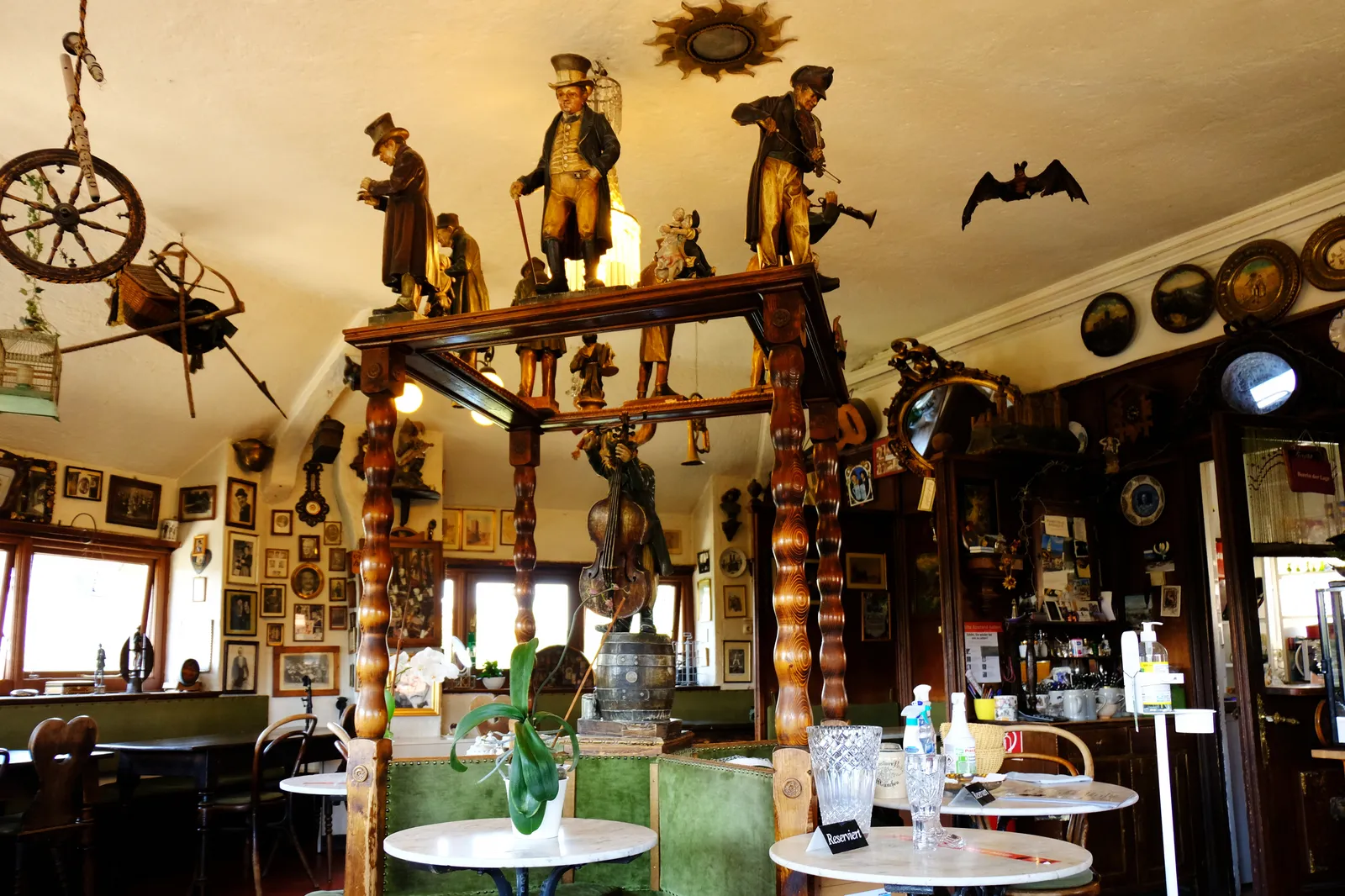
At the top is the Turmstüberl, a café wedged under the tower roof and covered floor to ceiling in curiosities collected over decades. The only way up to either is a spiral staircase; there’s no lift, and nowhere on the way up to leave anything behind.
No transfer either direction
Isartor’s real advantage over almost everywhere else on this site’s Munich coverage is that most routes here need no change of train. The ride out to MUC runs close to the standard 40 minutes, a little under it since Isartor sits one stop nearer the airport than Marienplatz, and getting there in the first place, from the airport, Hauptbahnhof or the rest of the city, is the same S-Bahn platform either way.
Frequently asked questions
Is the whole Deutsches Museum actually open?
About half of it. The first renovated half reopened in 2022, 20,000 square metres and 20 permanent exhibitions covering aviation, space, robotics and atomic physics among others. The second half, which holds the mine and the high-voltage Faraday-cage demonstration, is closed for modernisation until 2028. The entrance while this continues is at the glass building by the Corneliusbrücke, not the old courtyard entrance.
Is the Valentin-Karlstadt-Musäum worth the detour?
If the quirky and specific appeals to you, yes. It reopened on 10 July 2026 after nearly two years closed for fire-safety work, inside the Isartor's south tower, and it's dedicated to Bavarian comedian Karl Valentin: a melted ice sculpture, a bricked-up window, the last cane used to punish schoolchildren in Bavaria. Admission is 3.99 euros, free under 18, open daily except Wednesday, 11am to 6pm, Sundays from 10am. The only way up is a spiral staircase; there's no lift.
Is this a good stop with kids?
The Deutsches Museum's Kinderreich is built for it: a hands-on area for ages 3 to 8, open daily 9am to 4:30pm with last entry at 4:15, inside the section that's actually open right now. It's a real reason to pick this stop over one built around standing in a beer garden or climbing a tower.
How do I get back from Isartor?
Seven of Munich's eight S-Bahn lines stop here, everything except the S7, so there's almost never a change needed either way. Marienplatz is one stop and a couple of minutes; the ride out to MUC runs close to the usual 40 minutes, just slightly under it since Isartor sits one stop closer to the airport than Marienplatz does.