Cairo Citadel Layover: Muhammad Ali's Mosque
Part of the full Giza and Downtown Cairo on a CAI Layover
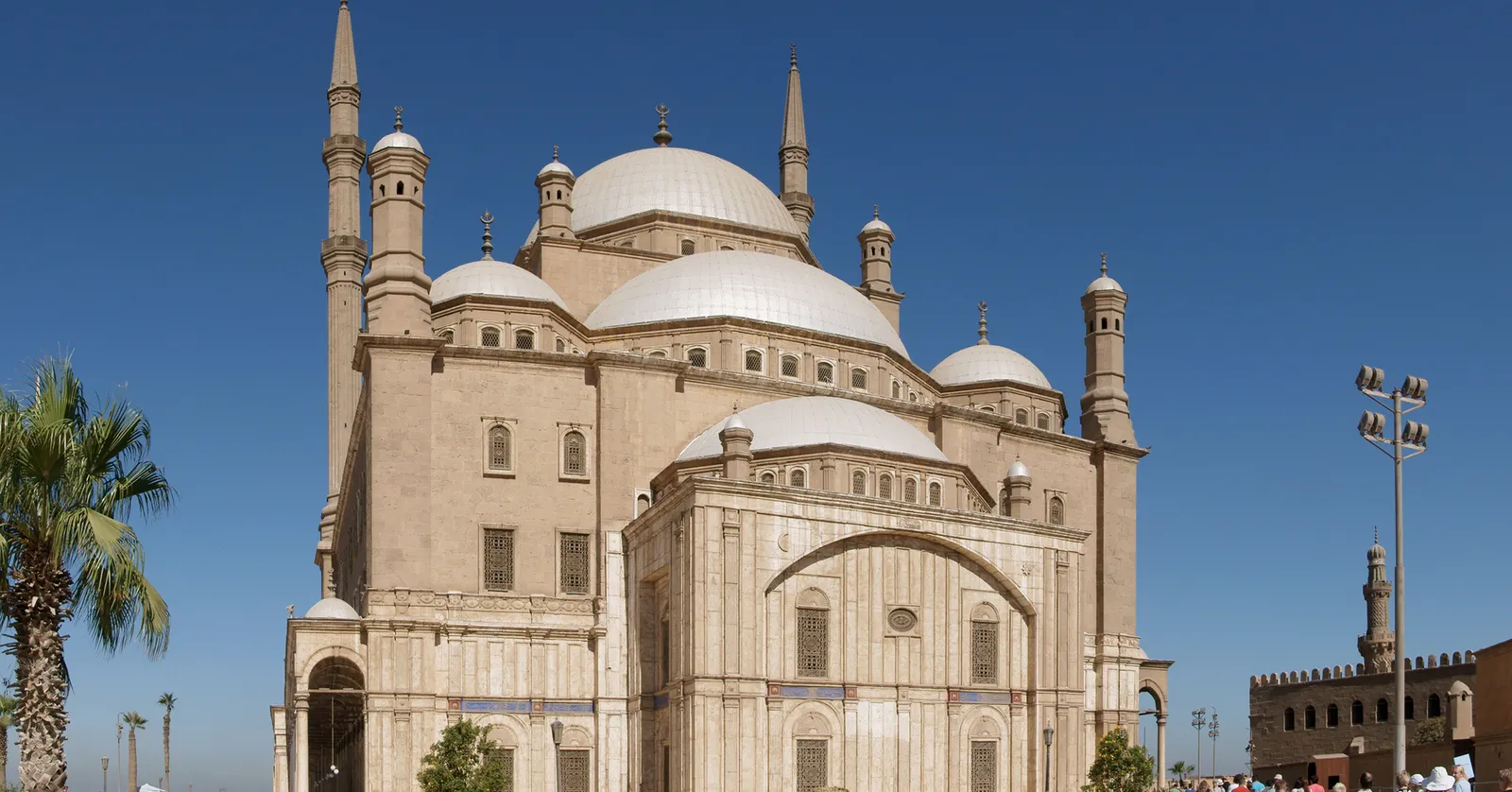
The Citadel of Saladin stands on a spur of the Muqattam hills above Cairo, with Muhammad Ali’s domed mosque and a French clock tower on the high ground inside its walls, and the Sultan Hassan and Al-Rifa’i mosques facing each other in the square below the gate.
The clock in the Citadel mosque’s courtyard was traded for the Luxor obelisk
Saladin began the fortress in 1176 and Egypt’s rulers held it until the nineteenth century, when Muhammad Ali pulled down the Mamluk palaces on the summit and put up a mosque in the Ottoman manner instead, built between 1830 and 1848, its two pencil minarets running to 52 metres and visible from most of the city. A guided run that takes in the Citadel alongside the downtown museums is the efficient version of this on a day with a flight in it, since the fortress is a long way from everything else on most Cairo lists.
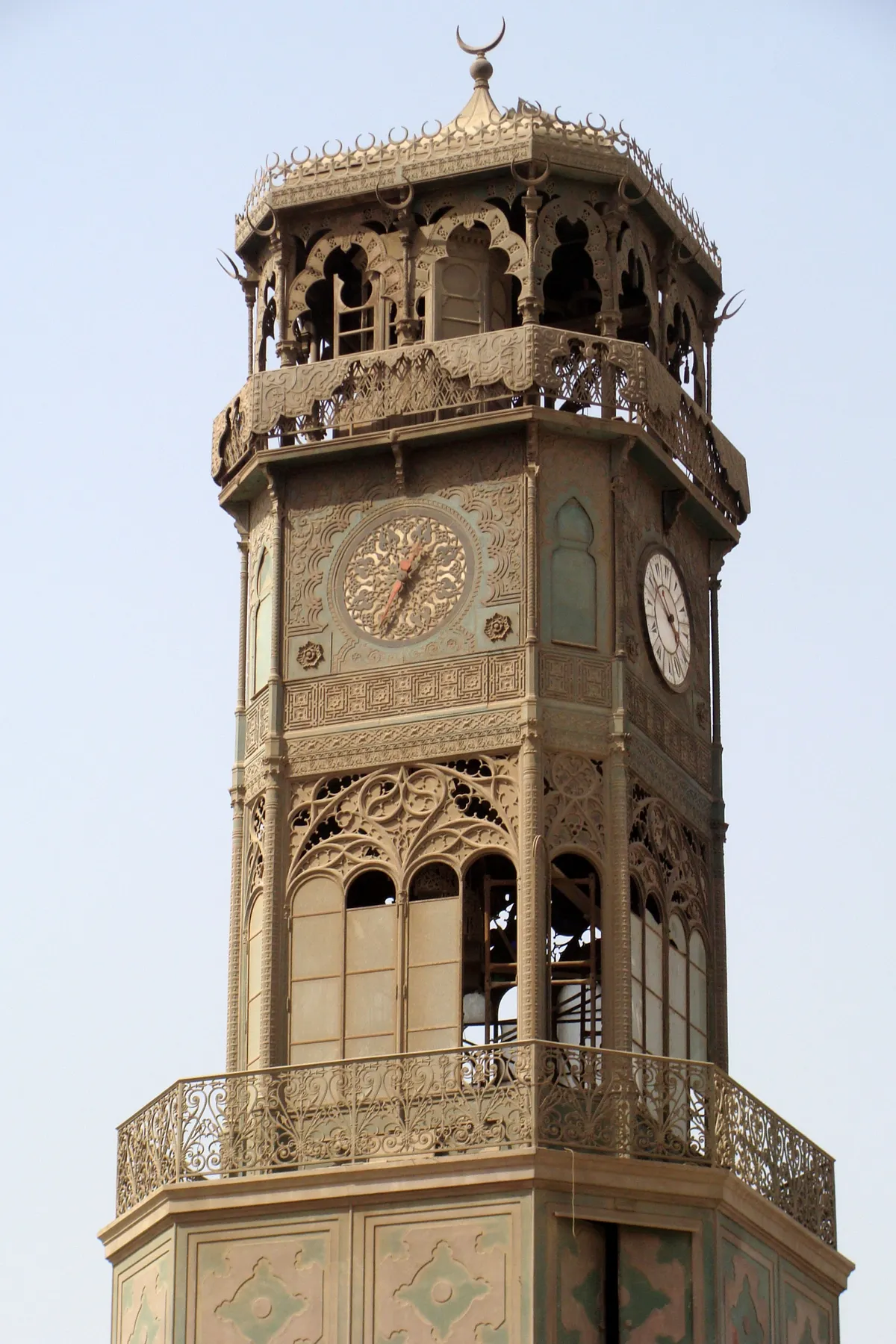
In the outer courtyard there is a copper clock tower, all pierced metalwork and crescents, which Louis Philippe of France sent to Muhammad Ali in 1845. It was a return gift: Muhammad Ali had given France the obelisk of Ramses II that stood in front of Luxor Temple, and it has been in the Place de la Concorde ever since. The clock arrived damaged, and by every account since, it has never kept time.
Entry to the whole Citadel is 550 EGP for foreign adults, half that for students with an international card, and the ticket covers the mosques and the museums inside the walls. Gates open at 8am and last entry is 4pm.
Sultan Hassan and Al-Rifa’i face each other across one square
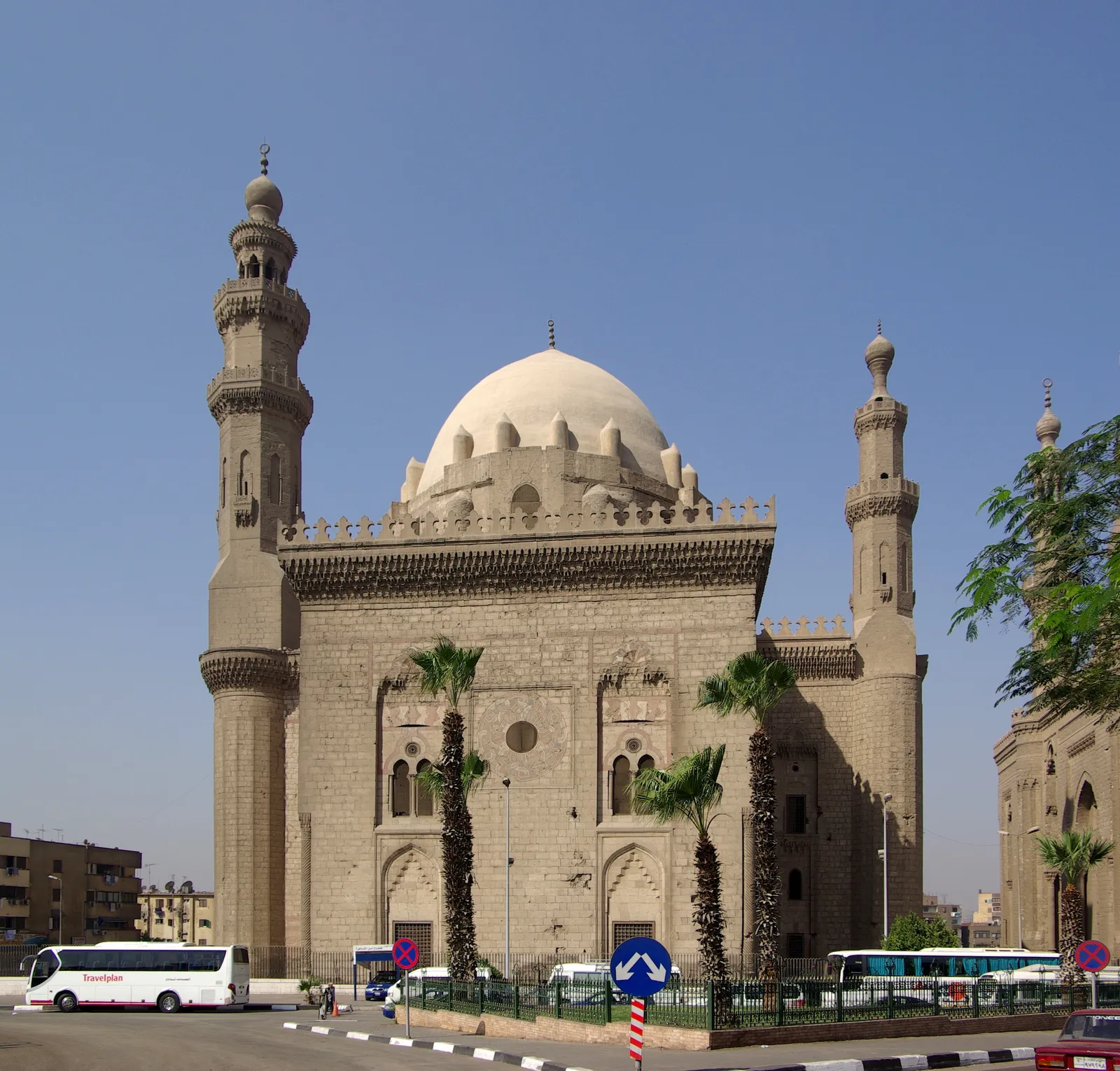
Down in the square outside the lower gate, two enormous stone buildings stand about thirty metres apart and six centuries apart. Sultan Hassan’s mosque and madrasa went up between 1356 and 1363, a near-windowless cliff of masonry with a deeply recessed portal, and inside it a courtyard with four vaulted halls opening off it, one for each of the schools of Sunni law taught there.
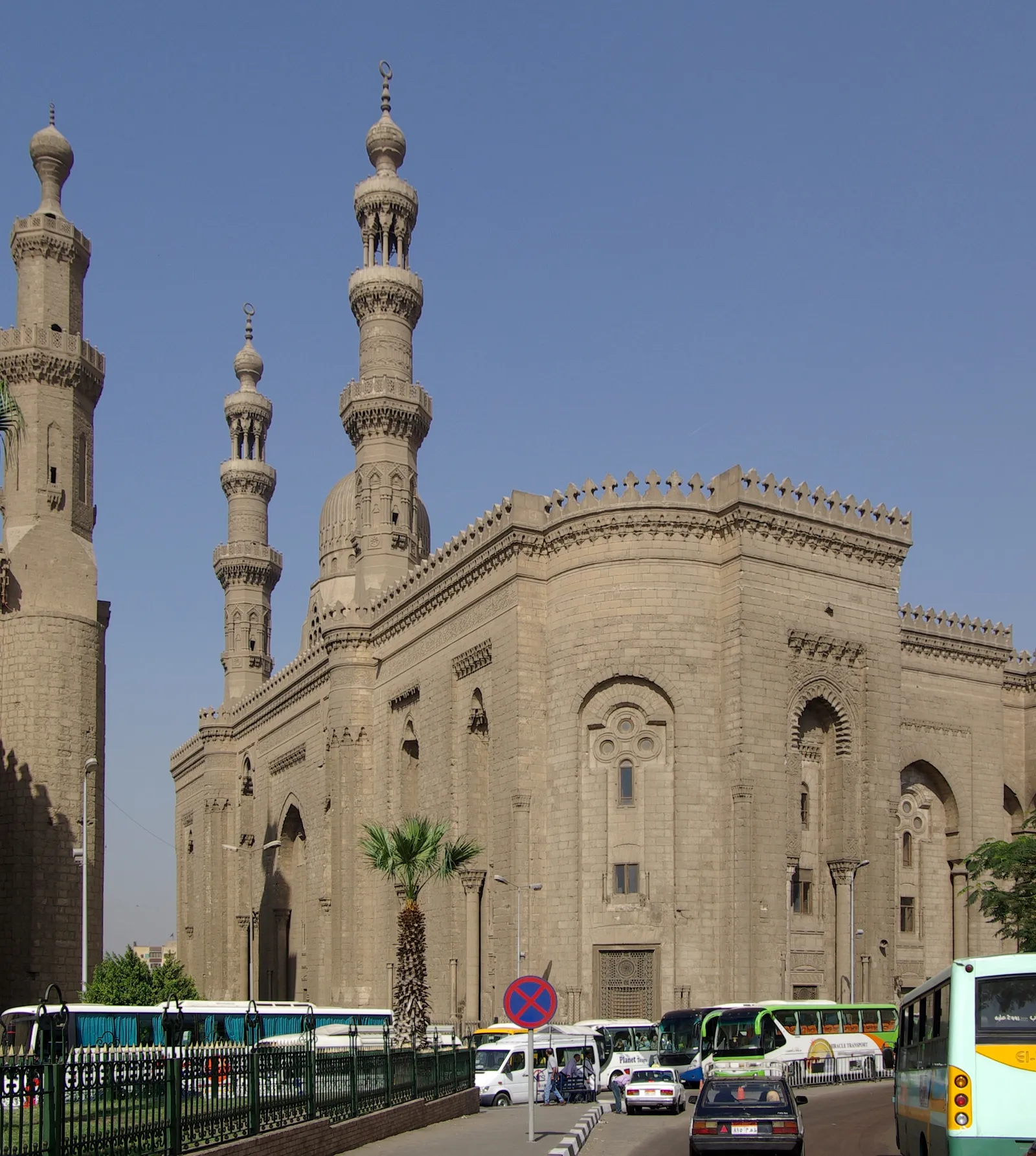
Al-Rifa’i opposite was finished in 1912, deliberately built to match its neighbour in scale and style, and it is a royal mausoleum: Khedive Ismail, King Fuad I and King Farouk are buried in it, and so is Mohammad Reza Pahlavi, the last Shah of Iran, who died in exile in Cairo in 1980 and was given a state funeral by Anwar Sadat.
Both are working mosques rather than museums, so shoes come off at the prayer hall door and the dress code is checked at the gate, which is why a suitcase is a genuine nuisance here: there is nowhere to stand it while you take your shoes off, and it goes through the scanner at every entrance. A private tour of the Islamic and Coptic quarters strings these two together with the old city if the day is long enough for it.
No metro runs to the Citadel and the last stretch is uphill
Cairo’s metro does not come near this hill. Every arrival is by car to the lower gate, and from there it is a walk up a slope, with ramps and flights of steps linking the terraces inside the walls rather than level paths. Budget more time for moving around the site than the distances suggest.
Getting back to Cairo International Airport from here is a road journey of around 45 minutes on clear roads and considerably more when they are not, with no rail alternative at any point. Two hours is the allowance to work with, the same as from anywhere else in the centre.
The rampart above the walls looks west over the whole city
The terrace along the western wall is the payoff for the climb, and it costs nothing extra once you are inside. Minarets run out from directly below toward the modern skyline, Sultan Hassan and Al-Rifa’i sit just under the walls, and on a clear day the Giza pyramids show up as three grey triangles on the far horizon, about fifteen kilometres away.
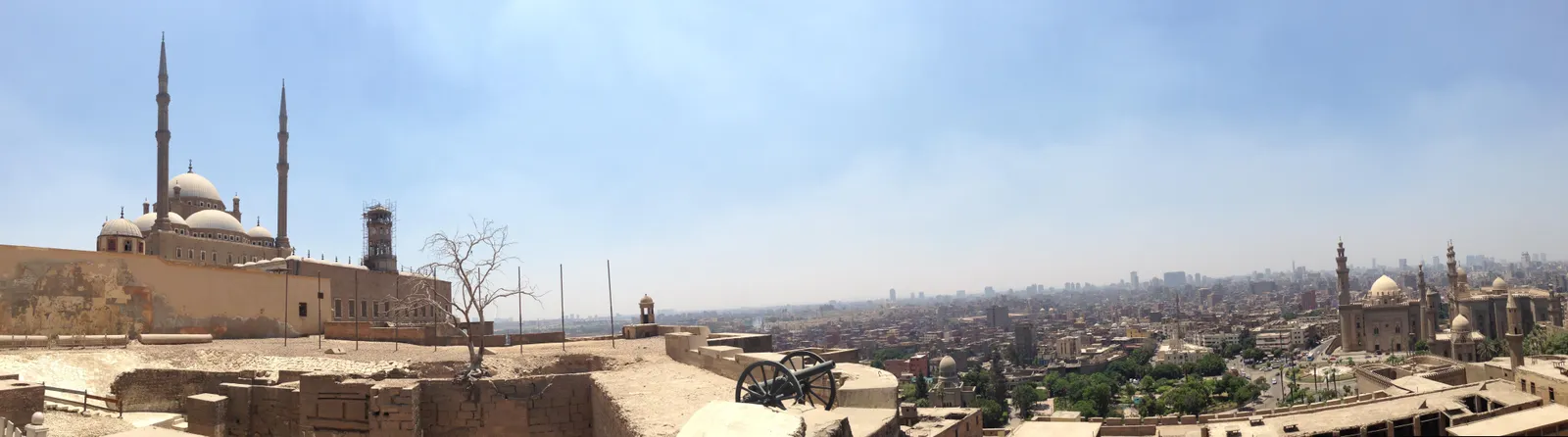
Haze decides how much of that you actually get, and it is usually better in the morning than late in the day. How this hill fits against Giza and the downtown museums is the full Cairo itinerary, for a stop long enough to take in more than one of them.
Frequently asked questions
What should I do during a layover near the Citadel of Saladin in Cairo?
The fortress first, then the two mosques on the slope below it. Saladin began the walls in 1176 and the hilltop now holds Muhammad Ali's Ottoman-style mosque, with a French clock tower in its courtyard that has reportedly never worked, plus the ramparts looking west over the whole city. Down in the square outside the gate, Sultan Hassan's fourteenth-century madrasa and Al-Rifa'i, which holds the tomb of the last Shah of Iran, stand facing each other. The Citadel ticket is 550 EGP for foreign adults; the two mosques below have their own, much smaller, charge.
What time does the Cairo Citadel close?
Gates are open 8am to 5pm with last entry at 4pm, closing at 3pm during Ramadan. That last-entry time is the number that matters on a flight day, because the climb up and the walk between the buildings inside the walls takes longer than the map suggests, and the mosques also shut to visitors for each of the five daily prayers. A late-morning arrival is the safe version; an arrival after two leaves too little to justify the ride out.
Do I need to cover up to go into the mosques at the Citadel?
Yes, and shoes come off at the door of every prayer hall. These are working mosques rather than museum buildings: women need hair, shoulders and legs covered, men should be in long trousers, and shawls are usually available at the entrance if you arrive without one. The floors are carpeted, so socks are worth having. None of it applies in the open courtyards or on the ramparts, where shoes stay on.
Is the Citadel a hard walk?
The site is on a spur of the Muqattam hills, so the whole thing is on a slope, and the way the buildings are linked inside the walls is by ramps and flights of steps rather than level paths. Cars drop at the lower gate and the walk up from there to the mosque terrace is the real climb. There is no metro station anywhere near it, so arriving means a taxi to the gate and then legs.