Cartagena Layover Near Plaza de la Trinidad
Part of the full Cartagena Layover: The Walled City From CTG
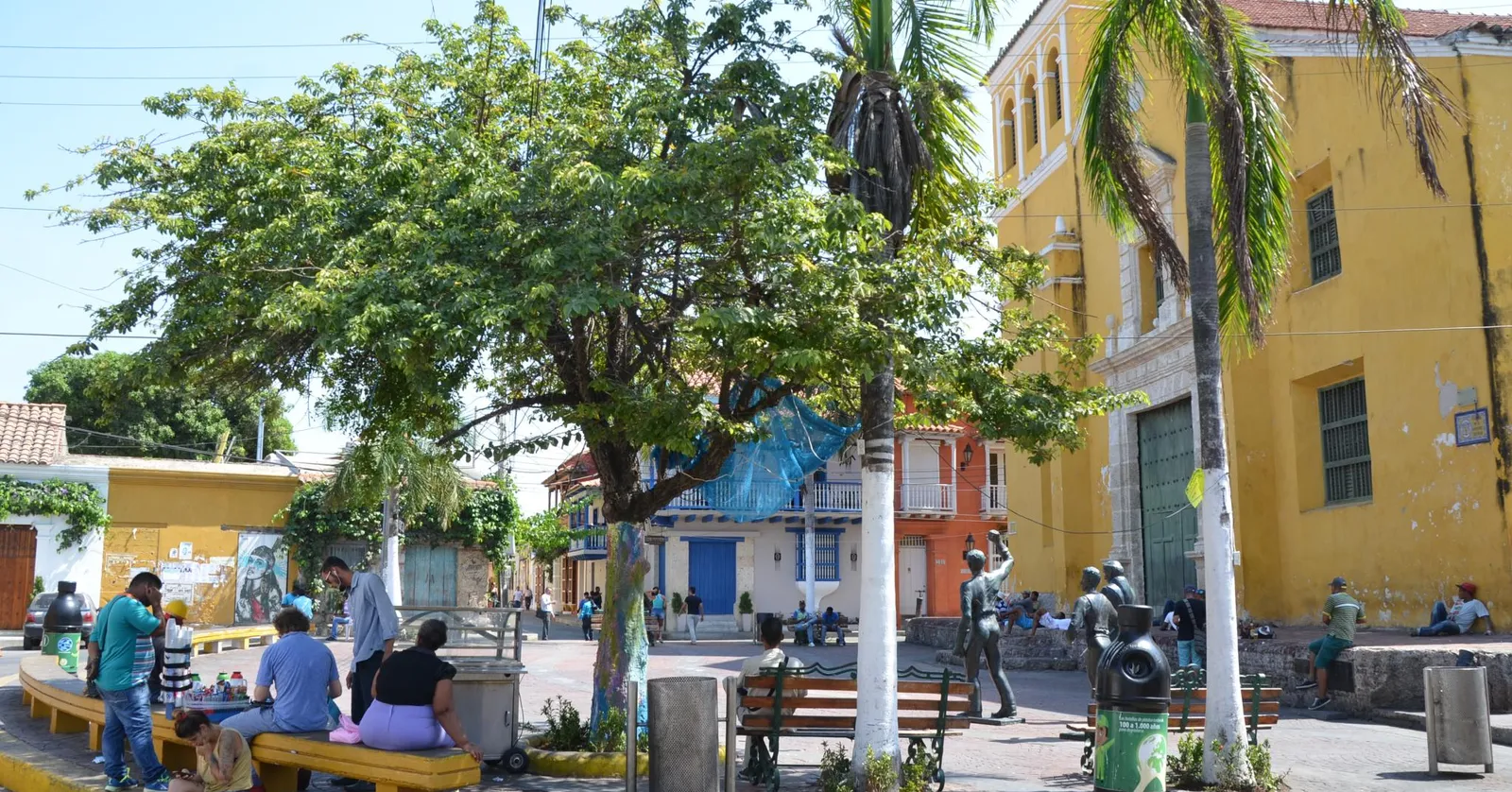
Plaza de la Trinidad anchors Getsemaní, the neighborhood just outside Cartagena’s Walled City gates, where wild iguanas and sloths share a recently restored park, a 1643 church fronts the square, and murals cover the surrounding blocks.
Wild iguanas and sloths in Parque Centenario
Parque Centenario opened in 1911 to mark a century of Cartagena’s independence, laid out by Luis Felipe Jaspe Franco on a plan inspired by the Luxembourg Gardens in Paris. It sat neglected for years before the city renovated it and reopened it to the public in December 2025, adding restored monuments, a light-and-color fountain, a modernized sports court and 29 new stalls for the booksellers and artisans who’ve long worked its edges.
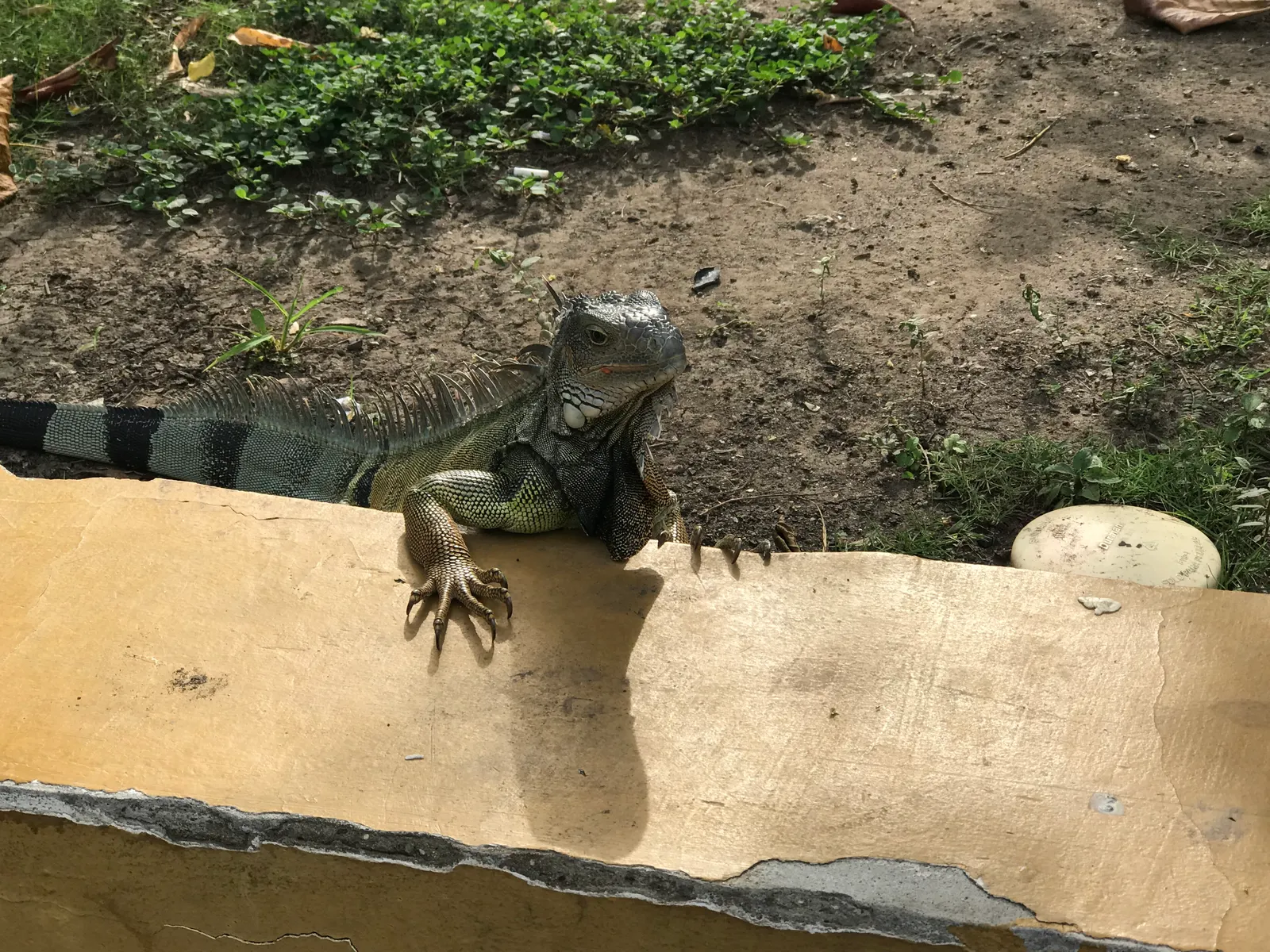
The renovation didn’t drive out the wildlife. An official survey confirmed the park’s trees still hold iguanas, sloths, white-headed tamarins, squirrels and several bird species, easiest to spot in the cooler hours since most of them are far less active at midday. Cartagena’s tourism authority doesn’t authorize any tour or handler that lets visitors hold the animals for photos, following complaints that sloths were being pulled from the branches for exactly that; a patient look upward costs nothing and disturbs nothing.
The 1643 church that gave the plaza its name
Construction on the Iglesia de la Santísima Trinidad began in 1643, after a Getsemaní resident petitioned the Spanish crown for a parish of its own, arguing the neighborhood’s people were too far from the cathedral inside the walls to get much benefit from it. The building went up gradually with funding from the city’s secular clergy, and its current facade dates to a 1716 remodel modeled on the cathedral’s own front, making it the second-oldest church still standing in Cartagena.
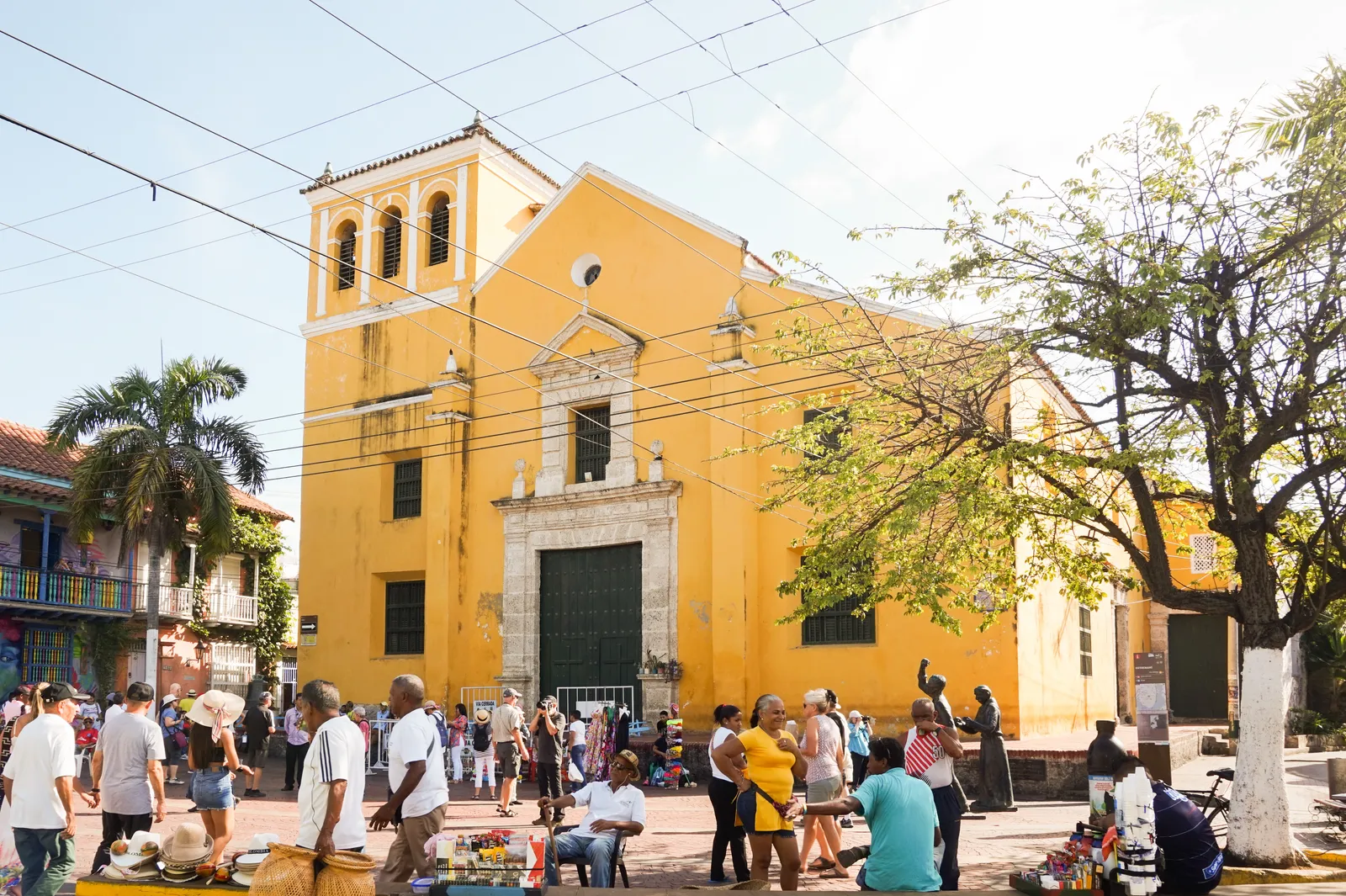
By early evening the plaza in front of it fills with street performers, food carts and vendors, and the one-way streets feeding into it are narrow enough that a suitcase turns into a real obstacle rather than something to roll along behind you.
Murals in the blocks around the plaza
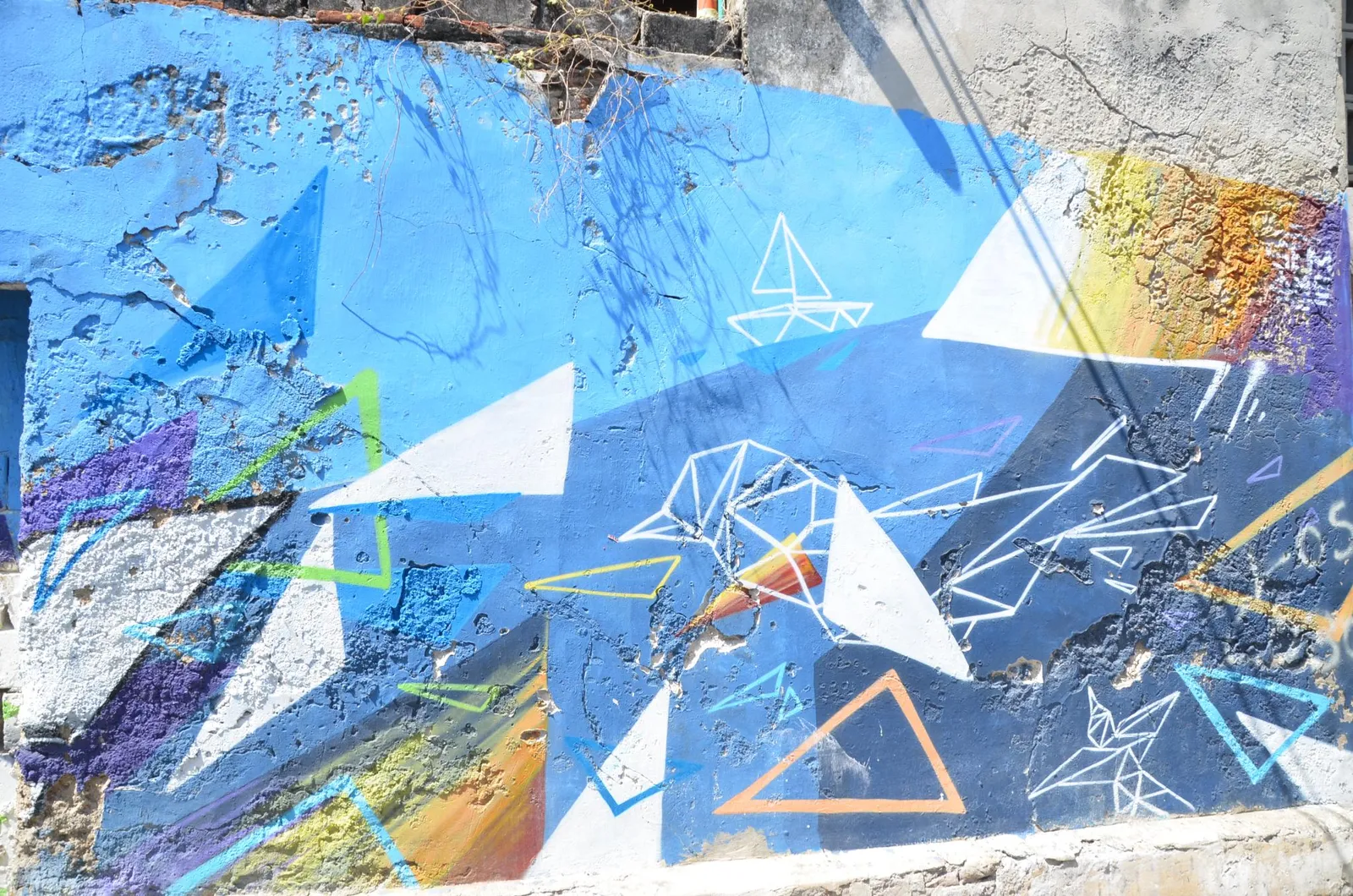
The streets radiating out from Plaza de la Trinidad are covered in painted facades, some geometric and abstract, others figurative portraits, changing over time as older work gets painted over with new. None of it is behind a fence or a ticket booth, so working through a few blocks costs nothing but the walk and whatever time the heat allows.
For anyone still around after dark, Café Havana, on the corner of Calle Media Luna since 2006, runs two live orchestras a night behind a modest cover charge, the loudest and latest option in a neighborhood that otherwise quiets down early.
Between the park, the church and the murals, this end of Getsemaní works as a self-contained stop without crossing back through the Walled City’s gates at all. For the fortress and the colonial museums on the other side of them, the Cartagena layover guide covers a slower, monument-heavy version of the same afternoon.
Getting back to the airport from Getsemaní
Rafael Núñez International Airport (CTG) is, if anything, a few minutes closer from Getsemaní than from the heart of the Walled City, a 10 to 15 minute taxi ride outside rush hour. The same fixed-fare taxi stands, rideshare apps and cash-free T102 bus that serve the rest of Cartagena stop nearby; a taxi from the stand near the market square is the simplest option for anyone without a Colombian transit card for the bus.
Frequently asked questions
What should I do during a layover near Plaza de la Trinidad in Cartagena?
Spend it in Getsemaní rather than crossing into the Walled City: Parque Centenario's wild iguanas and sloths, the 1643 Iglesia de la Santísima Trinidad on the plaza itself, and the mural-covered blocks around it are all within a few minutes' walk of each other. Everything here is free to see, so there's nothing to book ahead; the only real constraint is timing the park for cooler hours, since the animals are least active at midday.
Is Parque Centenario safe to visit at night?
It's better as a daytime or early-evening stop. The park reopened in December 2025 after a renovation that added lighting, a fountain show and new vendor stalls, and it draws crowds for the evening light display, but the wildlife that's the main draw is easiest to spot by daylight, and the surrounding streets are quieter and better lit earlier in the evening than late at night.
Is Getsemaní walkable from Cartagena's Walled City gate?
Yes. Parque Centenario sits right at the edge of the Walled City, across from the Torre del Reloj gate, and Plaza de la Trinidad is only a few more minutes past it on flat ground. The whole loop between the two neighborhoods is walkable in well under fifteen minutes without stopping.
Can I hold or take a photo with the sloths in Parque Centenario?
No, and it's worth avoiding anyone who offers. Cartagena's tourism authority does not authorize tours or handlers that let visitors touch or hold the park's animals, after complaints about sloths being taken from the trees for paid photos. The wildlife here is genuinely wild and best left in the branches; a zoom lens works better than a handler anyway, since the animals are shyest exactly when someone is holding them for a photo.