Bogotá's Salitre Bus Terminal: Maloka
Part of the full Bogotá Layover: La Candelaria From BOG
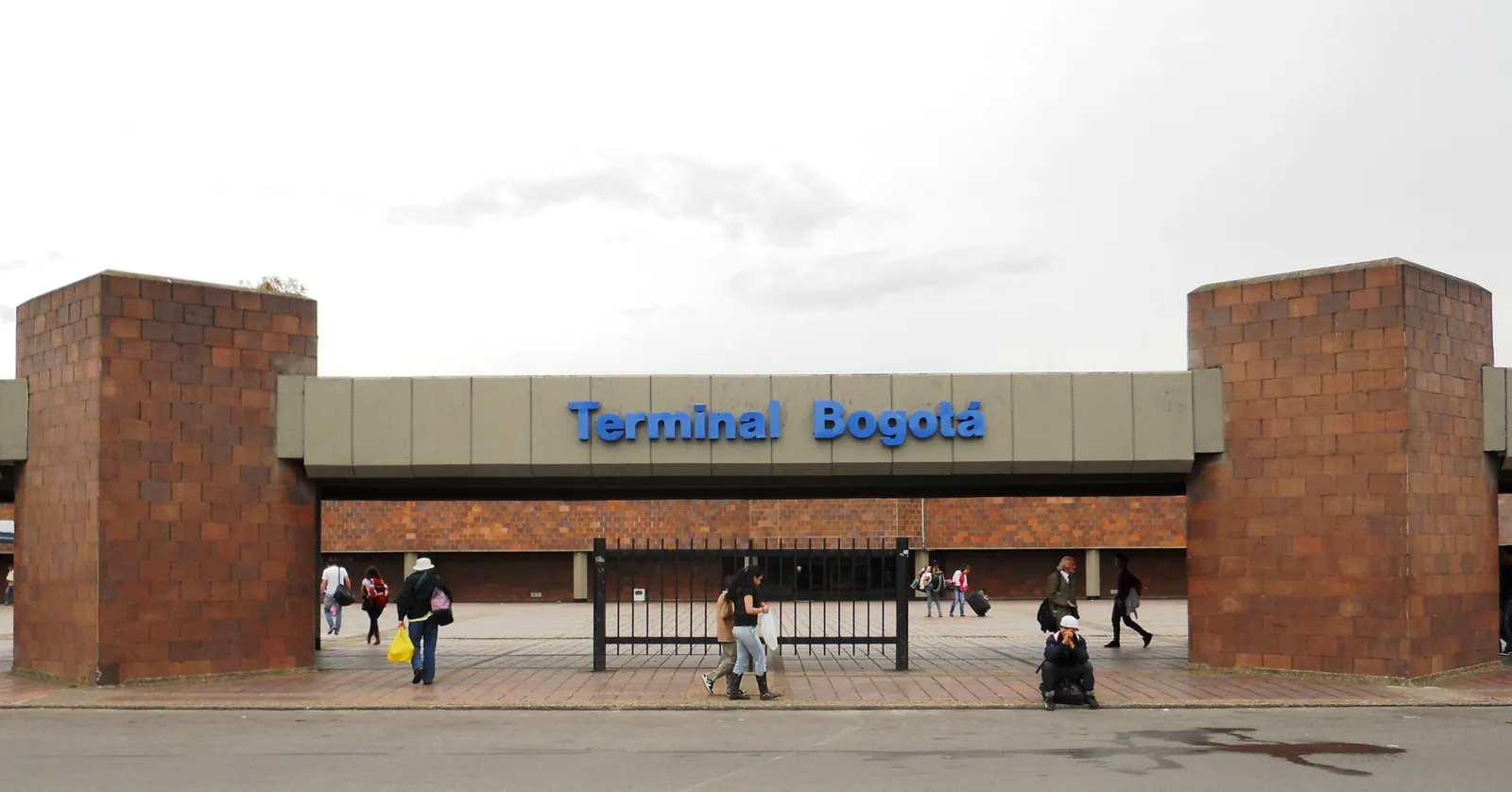
Bogotá’s Salitre bus terminal sits three blocks south of the Calle 26 corridor in Ciudad Salitre, and Maloka, a science museum built almost entirely underground with a geodesic dome cinema standing over it, is the same short walk away.
The 309-seat dome cinema at Maloka
Maloka opened on 6 August 1998 and put roughly 17,000 square metres of itself below ground, which is why the only part visible from the street is the faceted grey dome on the forecourt. Inside that dome is a cinema with a 180-degree curved screen and 309 seats.
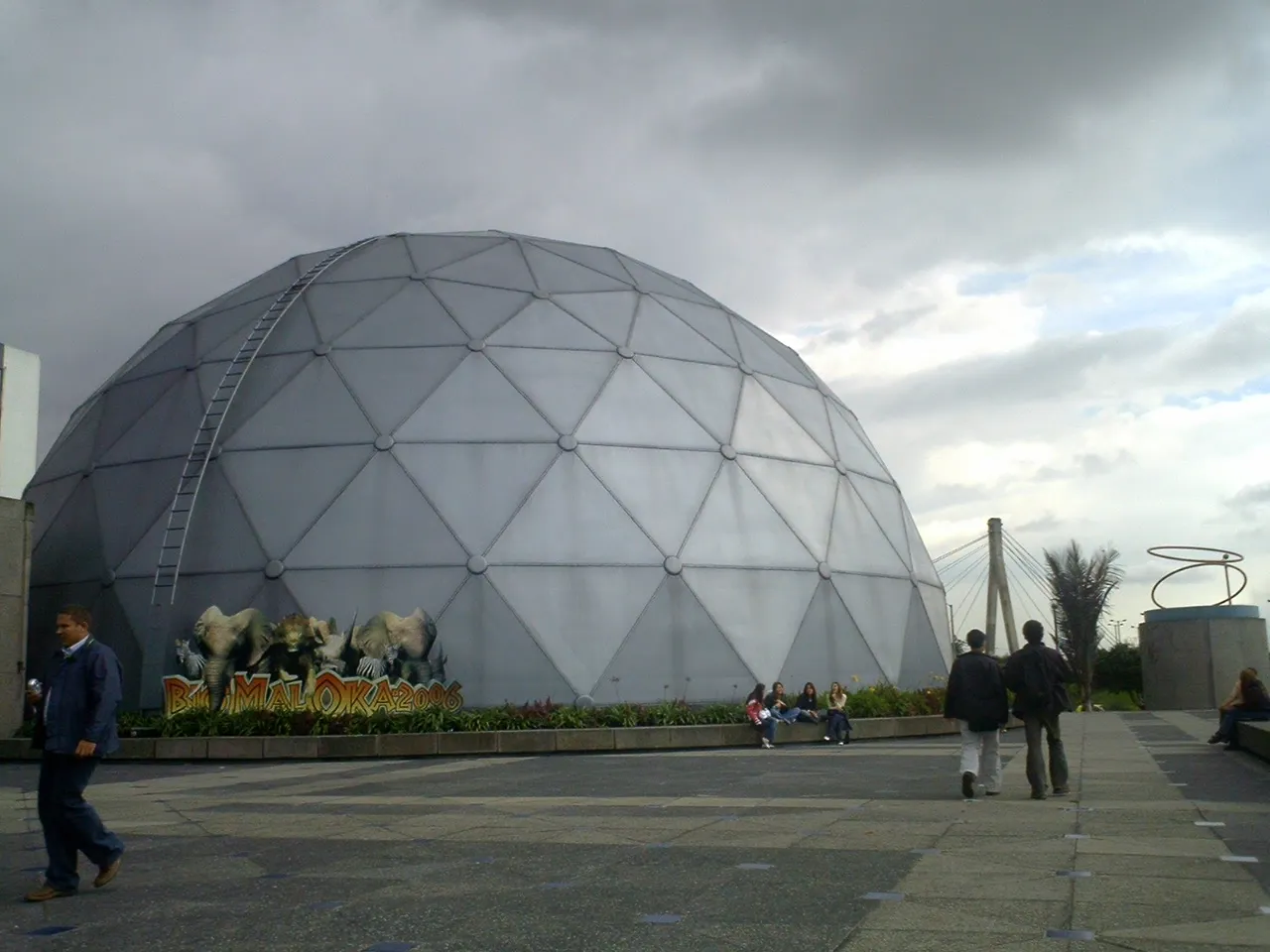
Below it are nine themed halls and close to 300 interactive modules, the sort you push, pull and stand inside rather than read about, plus a separate 3D screen. Entry in 2026 averages about 46,200 pesos depending on what combination of rooms and screenings you take. Weekend and holiday hours are 9:30am to 6pm, with the ticket desk shutting at 4pm, which catches out anyone who turns up at five assuming they have an hour.
Bogotá’s intercity buses all leave from one address
The Terminal de Transporte Salitre was built in 1983 and opened the following year in Ciudad Salitre, and it handles the long-distance coach traffic for the whole city. Departures are split between modules by direction: one for the north and centre of the country, one for the south and west, and a newer one for short runs out to the towns around Bogotá. Close to 300 cameras cover the public areas.
The modules are separate buildings and the trunk-bus station is three blocks off, so nothing here is door to door; every connection you make involves a walk across open ground with whatever you are carrying. The district around it is offices, apartment blocks and wide avenues rather than anything to look at, so the walk is the whole of the outdoor experience.
El Dorado is closer to this terminal than the old town is
The airport sits west of here along the same Calle 26 axis, fifteen to twenty minutes by taxi outside the peaks, against 30 to 40 minutes east into the historic centre. On TransMilenio it is three blocks north to El Tiempo-Maloka station and then a westbound trunk service, 3,550 pesos on a TuLlave card in 2026; the K86, which is the one route that pulls up at the airport terminal door, joins the same corridor further west.
Coming off an overnight coach with everything you own is how most people meet this stop, and it is why the walking matters more here than it would from a hotel: the modules, the trunk station and the museum are three separate walks across open ground, and Maloka’s exhibits are the kind you need both hands for.
Frequently asked questions
What should I do during a layover near the Terminal de Transporte Salitre in Bogotá?
Walk three blocks to Maloka and spend the time there. It is a science museum built almost entirely below ground, with nine themed rooms, something like 300 hands-on exhibits and a domed cinema seating 309 people under a geodesic shell you can see from the street. Three hours is enough for most of it without rushing. There is very little else within walking distance of the terminal, so the honest choice here is Maloka or the ride into the centre, not both.
How much does Maloka cost and when is it open?
Entry in 2026 averages around 46,200 pesos, with the exact figure depending on which combination of rooms, workshops and dome screenings you buy. At weekends and on public holidays it runs 9:30am to 6pm with the ticket desk closing at 4pm, so a late-afternoon arrival gets you a shorter visit than you would expect from the closing time. Weekday hours vary with the school calendar, which is worth checking on the day rather than assuming.
How do you get from the terminal to the TransMilenio trunk buses?
On foot, three blocks north to the El Tiempo-Maloka station on the Calle 26 corridor, which is where the fast east-west services stop. The terminal itself is served by ordinary zonal buses and taxis from its own ranks. A single trunk fare is 3,550 pesos in 2026 and has to be paid with a TuLlave card; no driver on the system takes cash.
Is this a sensible place to start a few hours in central Bogotá?
Only if you have four hours or more. The centre is a 30 to 40 minute ride east on the trunk corridor, so a three-hour gap leaves you very little at the far end once you have done it twice. With longer, the central Bogotá itinerary is the better use of the time: the Museo del Oro, the Botero rooms and Plaza de Bolívar all sit within a few blocks of one another once you are there.