Montreal Layover Near the Museum of Fine Arts
Part of the full Montreal Layover Guide: Old Montreal From YUL
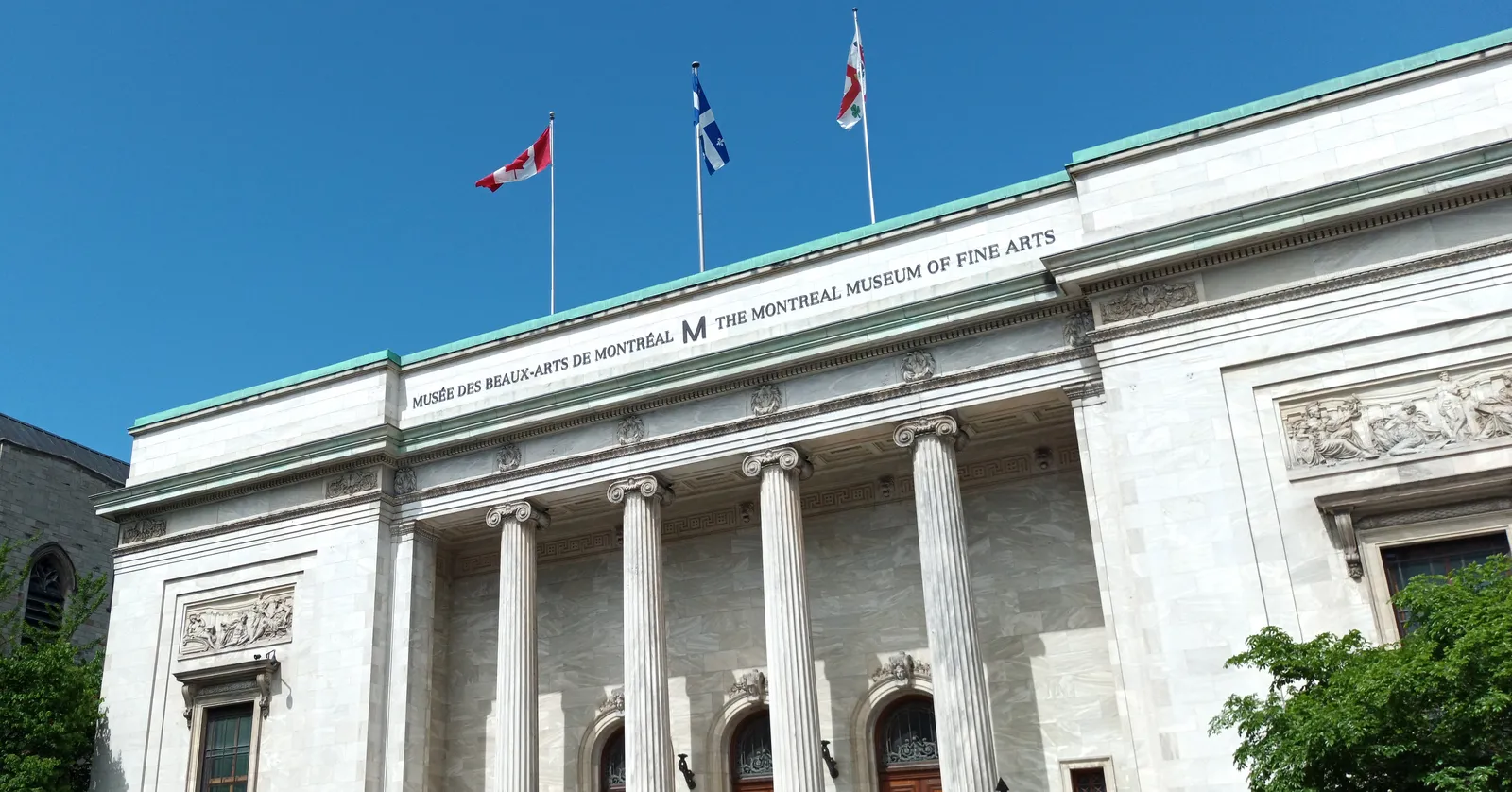
The Montreal Museum of Fine Arts, on Sherbrooke Street at the foot of Mount Royal, is free for anyone 25 or under, and the concert hall built into the old church beside it keeps twenty Tiffany stained glass windows in place.
The Museum of Fine Arts charges nothing to anyone 25 or under
It started as the Art Association of Montreal in 1860, which makes it older than the country it sits in, and the columned 1912 building on the north side of Sherbrooke was its first purpose-built home. Since then it has spread into a set of pavilions: international art in one, world cultures in another, decorative arts and design in a third, Quebec and Canadian art in the fourth.
Admission is free for everybody aged 25 or under, with no day restriction and nothing to book, which is the single most useful fact about this corner of Montreal for a traveller counting hours and money. Older visitors pay, and one ticket covers all the pavilions rather than a single building. A parent with children 17 or under gets in free on Saturday mornings from 10am to 1pm; anyone 65 or over on Tuesday mornings in the same slot; Quebec residents on the first Sunday of the month for the permanent collection.
Bourgie Hall keeps twenty Tiffany windows from the church it used to be
The Erskine and American church went up in grey stone in 1894, Romanesque Revival with a squat corner tower, and served a congregation until it closed in 2004. The museum bought it four years later and turned the nave into a concert hall.
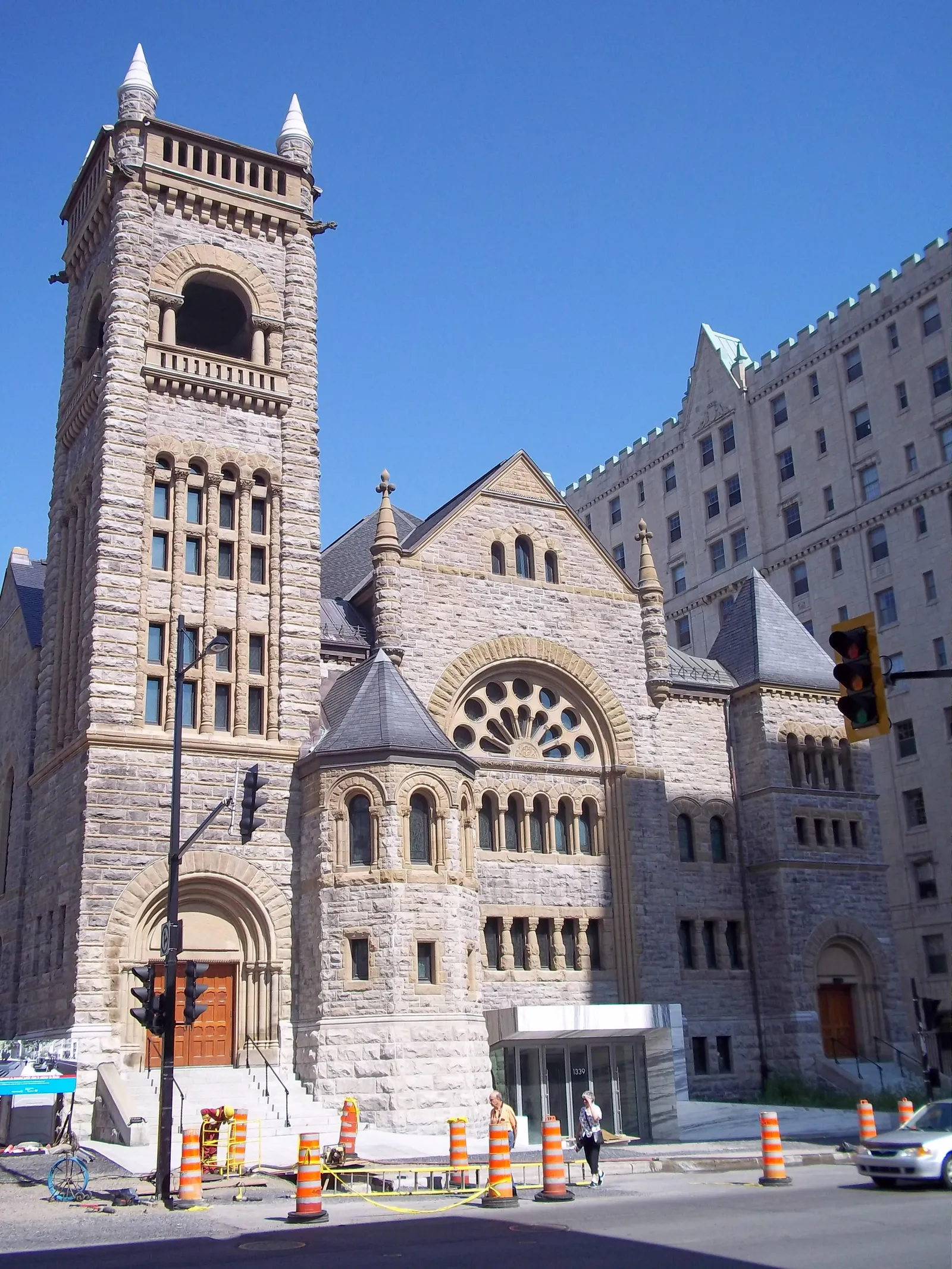
What made it worth buying is the glass. Twenty windows from the Tiffany Glass and Decorating Company are set into the walls, eighteen of them made between 1897 and 1904 at the company’s peak, and the set is one of only two Tiffany commissions anywhere in Canada and among the few religious series of its size still standing in North America. The conversion kept every one of them in place, so the hall now has an audience sitting under stained glass built for hymns. There is a concert season running from classical to jazz, and the room is worth putting your head into even on a day with nothing scheduled.
The Redpath Museum is the oldest building in Canada built to be a museum
Peter Redpath, whose money came from refining sugar, paid for it and it opened in 1882 on the McGill campus: a grey stone Greek Revival block with a columned portico, and Canada’s earliest building put up specifically to hold a museum.
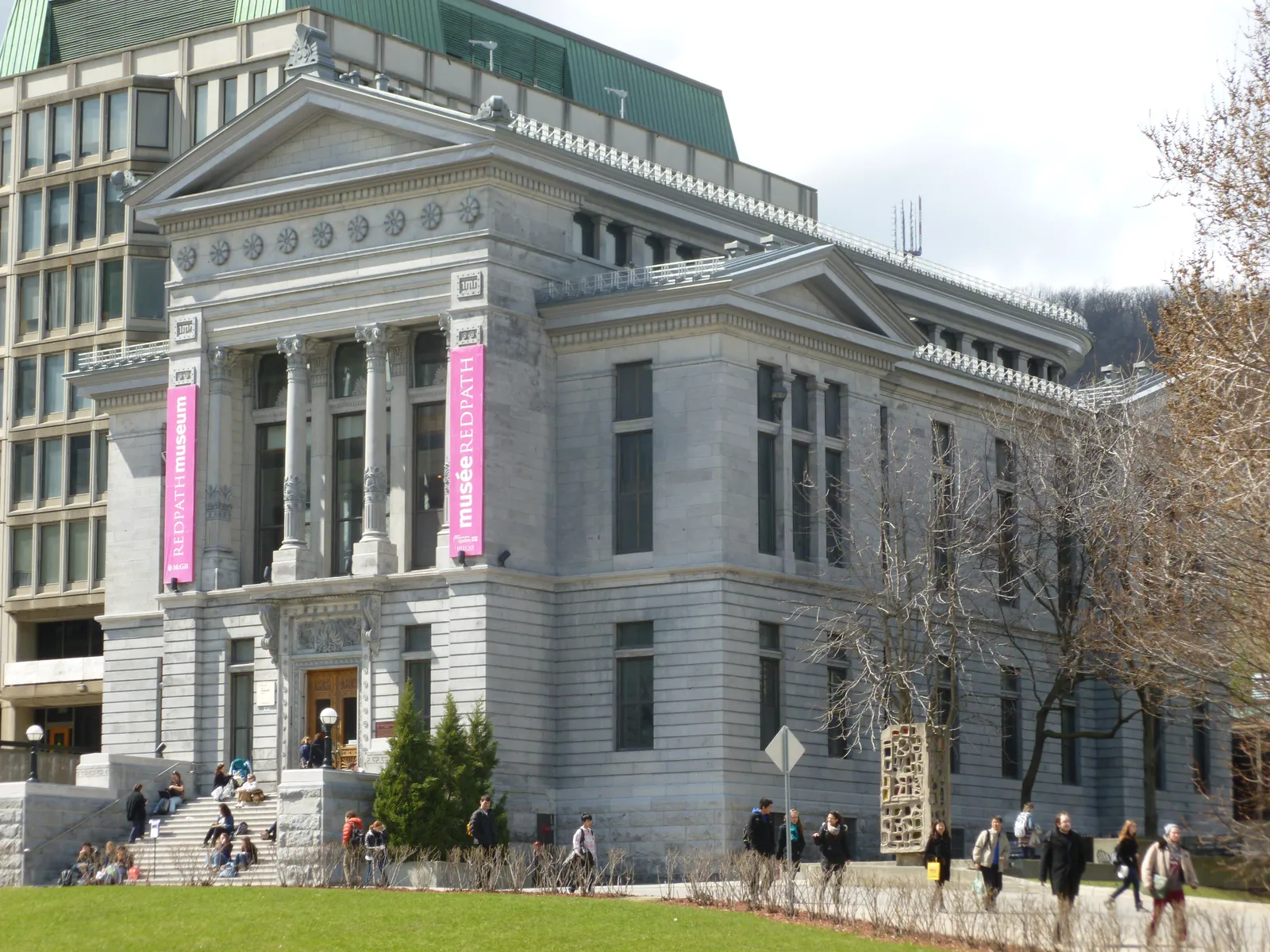
Inside is a proper Victorian natural-history collection, minerals and fossils and dinosaur material on the lower floors, Egyptian antiquities including mummies above them, all of it free to walk into. The building has no lift and is not reachable with a wheelchair or a pushchair, which is worth knowing before making the trip up for it.
Sherbrooke Street carries what is left of the Golden Square Mile
The district went up mainly between 1850 and 1930 on the lower slope of Mount Royal, built for the merchants, shipowners and railway men who between them then controlled a large share of Canada’s wealth. Most of what survives faces Sherbrooke and the streets running up from it: neo-classical, neo-Gothic and Romanesque fronts in an unbothered Victorian mix.
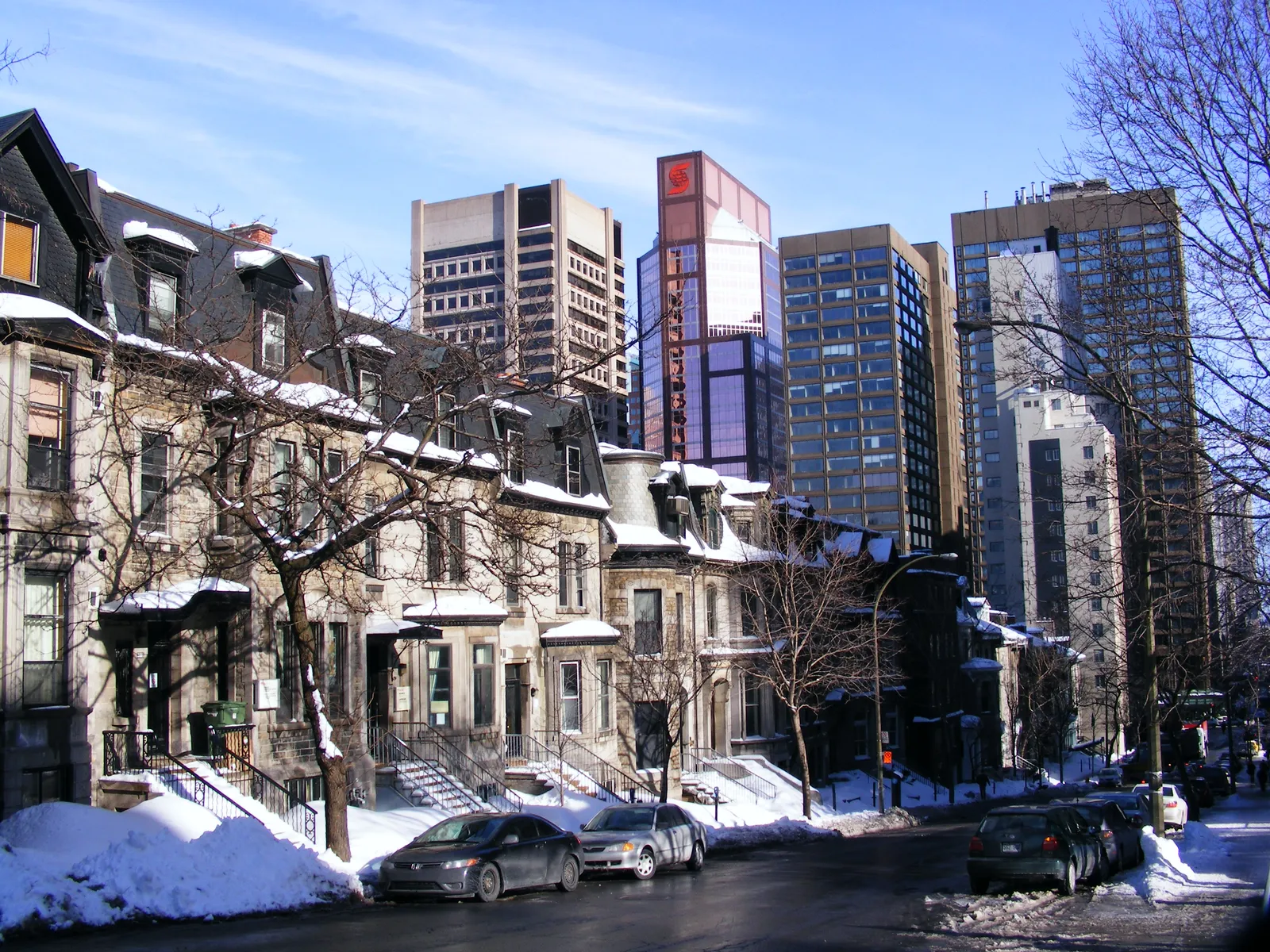
Very little of it stands as a set piece any more. The greystone terraces are hemmed in by office towers put up a century later, and Ravenscrag, the largest of the old houses, built for Sir Hugh Allan between 1861 and 1863, was handed to the Royal Victoria Hospital by his family in 1940 and has been institutional ever since; the wrought-iron gate and the observation tower are what is left to look at from outside. Walking it costs nothing, which is the main argument for doing it. The street climbs steadily as it goes west, the one sustained slope in central Montreal, and a wheeled bag makes a slow job of that gradient.
The airport bus runs along René-Lévesque, not Sherbrooke
Sherbrooke sits two blocks uphill from the corridor line 747 uses, so getting out to Montréal-Trudeau International Airport (YUL) from here means walking down to a metro station first and crossing to where the bus runs. The bus itself goes round the clock, every ten to twenty minutes, at CA$11.25, and that ticket covers the rest of the bus and metro network for 24 hours after you first use it.
Riding time is about 30 to 35 minutes from Lionel-Groulx or 45 to 70 minutes on the full run from Berri-UQAM, so budget an hour and a quarter from the museum steps to the terminal and be there three hours before an international flight. This end of downtown never appears in the Montreal layover guide, which stays on the flat ground by the river, and the Gare Centrale version of this trip covers the blocks between the two.
Frequently asked questions
What should I do during a layover near the Montreal Museum of Fine Arts in Montreal?
Start inside the museum, since it is the one stop here that can absorb two hours on its own and admission is free for anyone 25 or under. Bourgie Hall next door, the old Erskine and American church, holds twenty Tiffany stained glass windows and is worth the detour whether or not a concert is on. Sherbrooke Street between the museum and McGill carries what is left of the Golden Square Mile's mansions, and the Redpath Museum on the campus at the top of it charges nothing at all. Everything here is within about fifteen minutes' walk, all of it uphill in one direction.
When is the Montreal Museum of Fine Arts free?
Always, for anyone aged 25 or under, with no conditions beyond showing identification if asked. Beyond that, a parent or two with children aged 17 or under gets in free on Saturday mornings between 10am and 1pm, visitors of 65 and over on Tuesday mornings between 10am and 1pm, and Quebec residents on the first Sunday of each month for the permanent collection. Everyone else pays, and the ticket covers all the pavilions rather than one building.
Where can you see Tiffany windows in Canada?
Here, mainly. The old Erskine and American church, inaugurated in 1894 and now the museum's Bourgie Hall, carries twenty windows from the Tiffany Glass and Decorating Company, eighteen of them made between 1897 and 1904. It is one of only two Tiffany commissions anywhere in Canada and among the few religious series of that scale left standing in North America. The church closed as a parish in 2004, the museum bought it four years later, and the conversion turned the nave into a concert hall with the glass kept in place.
Can you get inside the Golden Square Mile mansions?
Hardly any of them. The houses that survived were mostly absorbed rather than preserved: Ravenscrag, built for Sir Hugh Allan between 1861 and 1863 and the grandest of the lot, was given to the Royal Victoria Hospital by the family in 1940 and has been a working institution ever since, so the wrought-iron gate and the observation tower are as close as you get. Others are private clubs, consulates or university offices. The museum and the Redpath are the two buildings on this stretch that anyone can walk into, which is part of why this walk is a looking exercise rather than a visiting one.